Headphones Review
Shokz OpenMove Review: Open-Ear Sport Sound on a Budget
The Shokz OpenMove is a budget bone conduction headphone with an open-ear design that lets you hear your surroundings during workouts. It promises six hours of battery life, a secure wraparound titanium frame, and sweat resistance for runners and commuters who want durable sport audio.
Our Verdict
Research Score 66/100The Shokz OpenMove is a solid choice for budget-minded athletes who need open-ear awareness. The listing highlights a comfortable wraparound titanium frame and a sweat-resistant build that suits light jogs and commutes. Six hours of battery life is acceptable for daily workouts but falls short for long days. Bone conduction delivers balanced audio with limited bass, so it is best for podcasts, calls, and background music rather than critical listening. The lack of active noise cancelling and app support keeps the feature set basic, but the low price tier makes this a good entry point into bone conduction. Buyers should confirm fit and verify that no app or IP rating meets their needs before purchase.
Editorial research score based on published specifications and documented features, not a customer rating or lab test.
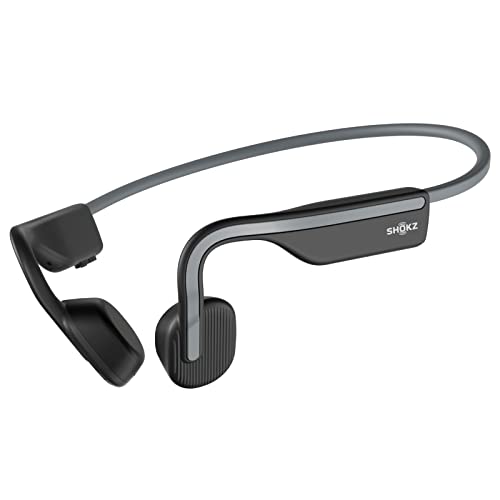
Shokz
Shokz OpenMove
Best for: Runners, cyclists, and commuters who want open-ear situational awareness during workouts and calls.
Skip it if: You need active noise cancelling, long battery life, or powerful bass response.
Check Price on AmazonWe may earn a commission at no extra cost to you.
Listing verified: October 2026
Who Should Buy It
Buy it if
- Outdoor athletes who need to hear traffic and surroundings
- People who find in-ear headphones uncomfortable
- Budget-conscious buyers curious about bone conduction
- Users who prioritize safety and comfort over bass
Skip it if
- You listen to bass-heavy music genres
- You need active noise cancelling for travel
- You want app-based sound customization
Key Specifications
| Type | Open-ear bone conduction sport headphones |
| Driver | Bone conduction transducer, size not published in listing |
| Noise cancelling | Not published in listing |
| Bluetooth and codecs | Bluetooth, version and codecs not published in listing |
| Battery life | 6 hours |
| Wired option | Not published in listing, USB-C cable included appears to be for charging only |
| Controls and app | Not published in listing |
| Water resistance | Sweat-resistant, IP rating not published in listing |
| Weight | Not published in listing |
| Included accessories | USB-C cable, sticker pack |
Overview
The Shokz OpenMove is a budget open-ear bone conduction headphone aimed at runners, cyclists, and commuters who want to stay aware of their surroundings. The listing presents it as a rebranded version of the AfterShokz OpenMove, which already had a following among outdoor athletes. Instead of sitting inside or over the ears, the OpenMove rests on the cheekbones and sends sound through bone conduction, leaving the ear canals open. This design choice prioritizes safety and comfort over acoustic isolation.
The product listing highlights a wraparound titanium frame, a sweat-resistant build, and six hours of battery life. It includes a USB-C cable and a sticker pack, which is a small extra for buyers. There is no mention of active noise cancelling, app support, or an official IP rating, so the feature set is basic. This review is based only on the published listing and general knowledge of bone conduction audio, not on in-person testing.
Sound Quality
Bone conduction sound works differently from standard headphone drivers. The OpenMove sends vibrations through the cheekbones to the inner ear, which can produce surprisingly clear mids and vocals. The listing claims balanced audio, optimal volume, and rich bass, but bone conduction typically cannot move as much air as a sealed earbud, so low-end impact will likely feel lighter than on traditional in-ear models. Buyers should expect a presentation that favors speech, podcasts, and acoustic tracks rather than bass-heavy genres.
Because the ear canals stay open, the OpenMove does not create a sealed acoustic chamber. This means external noise will mix with the audio, which is exactly the point for situational awareness but also limits dynamic range and bass depth. The listing does not publish a frequency response or driver size, so specific tuning details are not available. On paper, the OpenMove is best for clear call audio and background listening, not critical music production or immersive movie watching.
Compared to closed-back headphones like the Sony WH-1000XM5 or in-ear models like the Apple AirPods Pro, the Shokz OpenMove will sound much more open and airy, with far less passive isolation. That trade-off is intentional for outdoor safety. Buyers report that bone conduction can be effective for voice but less satisfying for deep electronic music or hip-hop. The listing's promise of rich bass should be taken as relative to other bone conduction models, not absolute.
Comfort and Fit
The open-ear design is the main comfort advantage. The OpenMove does not press into the ear canal, so users who dislike the plugged feeling of in-ear monitors may find relief. The listing describes the fit as lightweight and secure, with an earbud-free design for all-day listening without ear fatigue. A wraparound titanium frame keeps the unit in place during light jogs and commutes, according to the marketing.
Bone conduction headphones do put pressure on the temples and cheekbones. While the titanium frame is flexible, the fit may feel tight for some head sizes, especially for long sessions. The listing does not provide a weight specification, so buyers cannot compare exact grams. The sweat-resistant design suggests it can handle moderate workouts, but the absence of an official IP rating means heavy rain or full submersion is not covered.
Comfort also depends on how well the transducers sit on the bone in front of the ears. If they are positioned incorrectly, volume and clarity drop. The listing does not mention multiple ear tip sizes because there are no ear tips, only the wraparound band. Many users find bone conduction comfortable with glasses, but that can vary. Overall, the OpenMove should be comfortable for low-impact activity, though it may not disappear during wear the way some ultralight earbuds do.
Noise Control and Features
The Shokz OpenMove has no active noise cancelling. The open-ear design is the opposite of noise isolation: it intentionally lets environmental sound in. This is a safety feature for runners and cyclists who need to hear traffic, but it means the headphones are useless for blocking out airplane noise or office chatter. The listing does not mention any transparency mode or ambient sound control because the entire concept is ambient by default.
Feature support beyond the core design is minimal. The listing does not describe a companion app, customizable EQ, or touch controls. There is no mention of multipoint pairing, wear detection, or voice assistant integration. The only included extras are a USB-C cable for charging and a sticker pack. Buyers looking for app-based sound adjustments or firmware updates will not find them listed here.
- No active noise cancelling or isolation by design
- Open-ear build keeps you aware of surroundings
- No app support or EQ customization listed
- USB-C charging cable and sticker pack included
Battery, Bluetooth and Connectivity
The published battery life is six hours of continuous music, calls, and podcasts on a single charge. That is on the low side compared to many true wireless earbuds and over-ear headphones, which often reach eight to twelve hours or more. For a daily workout or a commute, six hours is usually enough, but it will require more frequent charging during a full day of use. The listing includes a USB-C cable, so charging should be convenient with modern adapters.
Bluetooth pairing is described as universal, with compatibility for Android, iOS, Windows, and other Bluetooth-enabled devices. The listing does not specify the Bluetooth version or supported audio codecs, so buyers cannot confirm latency, range, or high-resolution audio support. There is no mention of multipoint connectivity, so the OpenMove likely pairs with one device at a time. No wired audio option is listed, so the USB-C port appears to be for charging only.
Build, Design and Portability
The OpenMove uses a wraparound titanium frame, which the listing says keeps the headphones in place during low-impact activities. Titanium is known for being lightweight and flexible, which suits a behind-the-head band. The design is sweat-resistant, meaning it should survive workouts and light rain, but the listing does not publish an IP water resistance rating. Without that rating, buyers should avoid heavy downpours or rinsing the product under a tap.
Portability is decent because the OpenMove is a single wraparound unit with no separate earbuds to lose. However, the neckband style may not fold flat, and the listing does not include a carrying case. The included sticker pack is a minor accessory, not a protective solution. The grey colorway shown is neutral. Overall, the build appears durable enough for daily exercise, but the lack of an IP rating leaves some uncertainty about long-term sweat and water exposure.
Call Quality and Daily Use
The listing states that the OpenMove ensures excellent call quality for clear conversations. Bone conduction microphones often pick up less wind noise than some earbud microphones because they are not inside the ear, but the exact microphone type is not published. In an open-ear design, you can hear your own voice naturally, which can make calls feel more natural than with sealed earbuds.
For daily use, the OpenMove works well as a podcast and call companion during walks, runs, or desk work where you still need to hear what is happening around you. The six-hour battery may require a midday charge if you use it constantly. The lack of a companion app means no firmware updates or sound tweaks, but basic Bluetooth pairing should be straightforward. Users who want to leave the headphones on all day while moving between tasks may find the battery and fit acceptable, but heavy phone users should plan for charging breaks.
Who Should Buy It
The Shokz OpenMove is best for outdoor athletes who need to keep their ears open for safety. Runners on roads, cyclists in traffic, and pedestrians in urban areas will appreciate hearing cars, bikes, and other hazards while still enjoying music or podcasts. The secure wraparound fit also suits people who have trouble keeping earbuds in place during movement.
Budget-conscious buyers who are curious about bone conduction will find the OpenMove a low-risk entry point. It is priced in the budget tier, so it costs less than flagship bone conduction models from Shokz or other brands. People who find in-ear headphones uncomfortable or irritating may also prefer the open-ear design. However, the OpenMove is not for everyone, so it is important to set expectations for sound quality and features before buying.
Alternatives Worth Considering
If you need active noise cancelling, closed-back models like the Sony WH-1000XM5 or Bose QuietComfort 45 will block out much more sound, but they also cost more and reduce situational awareness. For a true wireless in-ear option with transparency modes, the Apple AirPods Pro or Anker Soundcore Space One offer a mix of noise control and ambient passthrough, though they sit in the ear rather than on the bone.
Within bone conduction, Shokz sells more expensive models that may add longer battery life, higher water resistance ratings, or improved bass response. The listing for the OpenMove does not mention those specs, so buyers wanting more durability or features should look at current flagship bone conduction products. For budget buyers who want open ears only during runs, the OpenMove is a reasonable option, but its six-hour battery and limited extras mean it is not a full-featured daily driver.
If sound quality is the top priority, traditional headphones like the Sennheiser HD 560S or Audio-Technica ATH-M50x will deliver far more detail and bass extension than any bone conduction design. Those models are not for exercise and do not provide open-ear awareness. The choice ultimately depends on whether safety and comfort matter more than acoustic fidelity.
Verdict
The Shokz OpenMove is a focused product with a clear purpose: open-ear audio for active people on a budget. The listing's main selling points are the secure titanium frame, sweat resistance, and six-hour battery, all of which support light workouts and commutes. It is not trying to compete with noise-cancelling over-ears or bass-heavy earbuds.
The lack of an official IP rating, app support, and Active Noise Cancelling keeps the feature set basic. Bone conduction sound is different, and buyers should not expect the same low-end punch as a sealed driver. For podcasts, calls, and background music while staying aware, the OpenMove does its job. For critical listening or travel isolation, look elsewhere.
Strengths and Limitations
Strengths
- Open-ear design keeps you aware of your surroundings
- Lightweight and secure wraparound titanium frame
- Sweat-resistant for workouts and light runs
- Six hours of battery life on a single charge
- Includes USB-C cable and sticker pack
- Budget-friendly entry into bone conduction
Limitations
- No active noise cancelling advertised
- Battery life is modest at six hours
- No app support or customizable EQ listed
- Not ideal for deep bass or critical listening
- IP water resistance rating not published
How We Scored It
Scores reflect published specifications, documented features and value against the alternatives below. They are editorial research scores, not laboratory measurements.
Alternatives to Consider
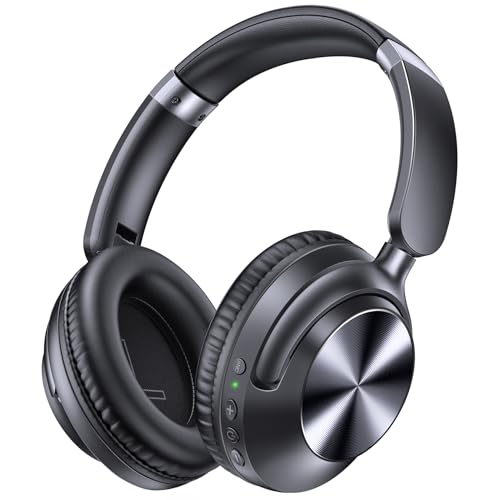
Tagry Hybrid Headphones Playtime
Budget minded listeners who want extremely long battery life, basic active noise cancelling, and a wired fallback for travel or office use.
Read the Tagry Hybrid Headphones Playtime review →
1More Triple Driver Headphones Earbuds
Budget conscious wired listeners who want a triple driver IEM with Hi Res Audio, inline controls and a USB-C adapter for music, gaming or calls.
Read the 1More Triple Driver Headphones Earbuds review →
Shokz AfterShokz OpenMove
Runners, cyclists, and commuters who want situational awareness during low impact activity on a budget.
Read the Shokz AfterShokz OpenMove review →Questions Buyers Ask
Shokz OpenMove
See the current listing, price and included accessories.
About This Review
Mandrillis Team
The Mandrillis editorial team researches and compares audio and music gear using manufacturer documentation, verified specs and real buyer feedback, so you can make a confident purchase without wading through marketing claims.
Read our full research methodology.