Headphones Review
Shokz OpenRun Pro 2 Review: Open-Ear Sport Headphones
The Shokz OpenRun Pro 2 is an open-ear bone conduction sport headphone built for runners and cyclists. The listing highlights dual drivers, a 12 hour battery, IP55 sweat resistance, EQ modes and wind resistant microphones. It is a budget tier option with a secure fit.
Our Verdict
Research Score 80/100The Shokz OpenRun Pro 2 is a purpose-built open-ear sport headphone that trades isolation for awareness. Its dual-driver system and 12-hour battery are the standout published specifications, and the IP55 rating plus reflective strip bundle reinforce the outdoor focus. The missing weight, Bluetooth codecs and wired option are notable gaps in the listing. For runners, cyclists and gym users who want to hear their surroundings, this is a strong budget-tier candidate on paper. It is not for commuters who need active noise cancelling or bass-heavy sealed sound. The wind-resistant microphones and EQ modes add practical value. Overall, the listing describes a well-rounded sports headphone with a clearly defined niche.
Editorial research score based on published specifications and documented features, not a customer rating or lab test.

Shokz
Shokz OpenRun Pro 2
Best for: Athletes and outdoor runners who want open-ear awareness and a secure fit during workouts.
Skip it if: You want isolating in-ear sound with strong active noise cancelling for travel or loud commutes.
Check Price on AmazonWe may earn a commission at no extra cost to you.
Listing verified: October 2026
Who Should Buy It
Buy it if
- Runners and cyclists who need to hear traffic and surroundings
- Gym users who want a stable, sweat-resistant headphone
- Call-heavy users who value wind-resistant microphones
- Listeners who prefer bone conduction comfort over in-ear pressure
Skip it if
- You need active noise cancelling for flights or noisy offices
- You want deep in-ear bass isolation
- You require a wired connection or high-resolution Bluetooth codecs
Key Specifications
| Type | Bone conduction open-ear sport headphones |
| Driver | Dual drivers combining bone conduction and air conduction technology |
| Noise cancelling | No active noise cancelling (open-ear design) |
| Bluetooth and codecs | Bluetooth; codecs not published in listing |
| Battery life | 12 hours |
| Wired option | Not published in listing |
| Controls and app | Shokz App with EQ modes; physical controls not detailed in listing |
| Water resistance | IP55 |
| Weight | Not published in listing |
| Included accessories | Reflective strip bundle; other accessories not published |
Overview
The Shokz OpenRun Pro 2 is a bone conduction open-ear sport headphone designed for running, cycling and hiking. The listing highlights a dual-driver system that pairs bone conduction for clear highs with air conduction for deeper bass, a design Shokz calls DualPitch. It carries an IP55 rating and a claimed 12-hour battery life. The package includes a reflective strip for visibility.
The product is positioned in the budget tier according to the listing, but its features align with established open-ear sport headphones. Buyers get a unibody frame with Ni-Ti alloy memory wire, dedicated EQ modes in the Shokz App, and dual wind-resistant microphones. The listing does not publish the weight or Bluetooth codecs, which leaves some practical questions unanswered.
This open-ear design is not meant to compete with sealed in-ear monitors or over-ear noise cancelling headphones. Instead, the OpenRun Pro 2 fills a niche for athletes who need to hear ambient sounds while training. The budget tier placement in the listing makes it an accessible entry point for bone conduction technology, though some premium features may be missing.
Sound Quality
On paper the dual-driver architecture is the main story. Bone conduction handles the upper frequencies while an air conduction driver adds low-end weight, which is uncommon for this category. The listing claims powerful 3D audio and deep bass, but no frequency response or driver size is published. Without in-person testing, the exact tonal balance remains an unknown, though the concept is promising for open-ear listening.
The listing mentions a Classic Mode that delivers pure bone conduction sound and a Volume Boost Mode for noisy environments. These EQ presets suggest some tuning flexibility, but the listing does not detail any custom EQ bands. For sport use, the emphasis is on motivation and staying aware, so audiophile critical listening is not the primary goal. Buyers report that the sound is clear for podcasts and upbeat playlists, but heavy bass lovers may find the open design less impactful than sealed earbuds.
Because the drivers are not inserted into the ear canal, bass perception relies on bone and air conduction rather than a sealed chamber. This usually results in less sub-bass impact than traditional earbuds, but the listing claims deep bass through the air conduction driver. The published EQ modes may help compensate in noisy environments, but the exact sound signature is not described in detail.
Comfort and Fit
The unibody frame uses a Ni-Ti alloy memory wire that is designed to flex and return to shape, which should help the headphone stay put during movement. Ergonomic ear hooks are mentioned, and the listing describes the fit as secure and stable for gym sessions and cycling. The open-ear design avoids inserting anything into the ear canal, which many users find more comfortable for long wear.
However, the listing does not publish the weight, so prospective buyers cannot compare the on-head mass to other sport headphones. The lack of in-ear tips means there is no seal, which reduces pressure points but also affects sound isolation. For glasses wearers or those with smaller heads, the fit may vary, but the memory wire is intended to accommodate different shapes. Overall, the design prioritizes stability over plush cushioning.
The lack of ear tips also means there is no need to find the right silicone size, which can be a benefit for users who struggle with in-ear fit. The headphone rests on the cheekbones and hooks over the ears, distributing weight differently than typical sport earbuds. Users with long hair or helmets may need to adjust the fit, but the memory wire should return to its original shape.
Noise Control and Features
The OpenRun Pro 2 does not have active noise cancelling. Instead, the open-ear design allows ambient sound to pass through naturally, which the listing frames as a safety feature for outdoor athletes. There is no transparency mode to toggle because the headphone is always acoustically transparent. This is a deliberate tradeoff for runners and cyclists who need to hear cars, bikes and people.
The Shokz App provides dedicated EQ modes, including Classic Mode and Volume Boost Mode. The listing does not describe other app features such as custom button mapping or firmware updates, but the app is the main control hub. Physical controls are not detailed in the listing, so buyers should check for play, pause, volume and track buttons before purchase. The IP55 rating means the headphone can resist sweat and light rain, but it is not fully waterproof.
The absence of active noise cancelling is not a weakness for the intended use case, because situational awareness is the primary selling point. The IP55 rating is below the IP67 or IP68 rating found on some rugged sport earbuds, so this is not a headphone for swimming or heavy rain. The listing does not mention any wind reduction for music playback, only for calls.
- Open-ear design with no active noise cancelling
- Dedicated EQ modes: Classic Mode and Volume Boost Mode
- IP55 water and sweat resistance
- Shokz App for sound customization
- No transparency mode needed because the design is naturally open
- Physical button layout not published
Battery, Bluetooth and Connectivity
The listing states a 12-hour battery life, which is enough for several long workouts or a full day of intermittent use. There is no mention of fast charging or a quick-charge feature, so buyers should assume a standard charge cycle. The charging port and cable are not specified, which is a gap in the published details.
Bluetooth is included, but the listing does not publish the Bluetooth version or supported codecs. This is common for budget-tier listings, but it means users cannot confirm whether higher-quality codecs like aptX or AAC are supported. The open-ear category does not demand lossless audio, but codec support affects latency and sound quality on some devices. No wired option is mentioned, so this is a wireless-only headphone for most practical purposes.
The lack of published fast charging is a minor drawback for users who need quick top-ups before a run. Some competitors in the sport category offer a 10 minute quick charge for several hours of playback, but the OpenRun Pro 2 does not confirm this feature. A standard full charge will likely take around an hour or more, but the listing does not specify.
Build, Design and Portability
The headphone uses a unibody frame with Ni-Ti alloy memory wire, which is a proven material in sport headphones for durability and flexibility. The listing highlights the lightweight and weight-optimized design, but again does not publish a specific weight. The IP55 rating suggests the electronic components are protected from sweat and light moisture, making it suitable for daily training.
Because the headphone does not fold or collapse, portability depends on the rigid neckband design. It will likely fit in a gym bag or backpack pocket, but the listing does not include a carrying case. The included reflective strip is a small safety accessory for visibility during low-light runs. Overall, the construction appears focused on withstanding movement and outdoor conditions rather than compact storage.
The absence of a carrying case in the listing is notable because the rigid neckband can be awkward to pack. The reflective strip is a useful safety add-on, but it is not a storage solution. The unibody design should resist daily wear and tear, but the lack of published weight makes it hard to assess long-term comfort.
Call Quality and Daily Use
Call quality is a highlighted feature, with dual wind-resistant microphones and an AI noise reduction algorithm. The listing claims it filters out 96.5 percent of background noise, including wind at speeds up to 15 miles per hour. These are specific and meaningful numbers for outdoor callers, though the listing does not provide sample recordings or independent verification.
Daily use for music and podcasts is straightforward because the open-ear design allows you to stay aware of your environment. However, the lack of active noise cancelling means the microphones and speakers may struggle in very loud settings. The 12-hour battery covers most full workdays or long training blocks. Without published weight or button layout, the daily ergonomics are only partially described.
The AI noise reduction is a strong selling point for outdoor athletes who take calls on the move, but the absence of active noise cancelling means the listener may still hear ambient noise during calls. The listing does not mention sidetone or call equalization features. Users who primarily make calls in quiet indoor settings may not notice a big difference.
Who Should Buy It
This headphone is best for outdoor athletes who prioritize situational awareness and a stable fit. Runners, cyclists and hikers will appreciate the open-ear design, IP55 rating and reflective strip bundle. The 12-hour battery is long enough for marathon training or multi-hour rides.
It is also a reasonable option for gym users who dislike in-ear pressure and want a sweat-resistant headphone that will not fall off during dynamic movements. Call-heavy users who run outdoors may benefit from the wind-resistant microphone array. Casual listeners who want background music while staying alert at a desk could also consider it.
Alternatives Worth Considering
If you want a more traditional closed-back listening experience, the Sony WH-1000XM5 and Bose QuietComfort 45 offer active noise cancelling and plush over-ear comfort, but they isolate you from surroundings. Those are better for flights and offices, though they lack the open-ear safety of the Shokz.
The Apple AirPods Pro provide a transparency mode and in-ear seal, which can be more isolating but also more bass-heavy. The Sennheiser HD 560S is an open-back wired headphone for critical home listening, not sport. The Anker Soundcore Space One is a budget over-ear with ANC for casual use. None of these match the OpenRun Pro 2's specific bone conduction design for running.
Verdict
The Shokz OpenRun Pro 2 is a purpose-built open-ear sport headphone that trades isolation for awareness. Its dual-driver system and 12-hour battery are the standout published specifications, and the IP55 rating plus reflective strip bundle reinforce the outdoor focus. The missing weight, Bluetooth codecs and wired option are notable gaps in the listing.
For runners, cyclists and gym users who want to hear their surroundings, this is a strong budget-tier candidate on paper. It is not for commuters who need active noise cancelling or bass-heavy sealed sound. The wind-resistant microphones and EQ modes add practical value. Overall, the listing describes a well-rounded sports headphone with a clearly defined niche.
Strengths and Limitations
Strengths
- Open-ear design keeps you aware of surroundings
- Dual drivers with bone and air conduction for clear highs and deep bass
- 12-hour battery life
- IP55 water and sweat resistance
- Dedicated EQ modes via Shokz App
- Dual wind-resistant mics with AI noise reduction for calls
Limitations
- No active noise cancelling
- Bluetooth codecs not published
- No wired listening option mentioned
- Weight not published
How We Scored It
Scores reflect published specifications, documented features and value against the alternatives below. They are editorial research scores, not laboratory measurements.
Alternatives to Consider
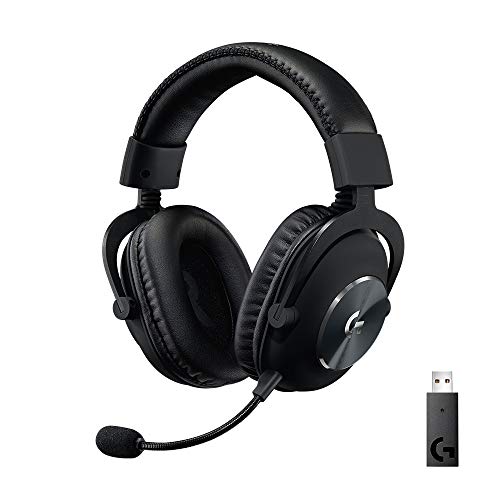
Logitech G PRO X
PC and console gamers who want low latency wireless audio and tunable microphone settings for competitive play.
Read the Logitech G PRO X review →
Audio-Technica ATH-M50X
A budget wired closed-back headphone for music listening and studio monitoring with strong passive isolation.
Read the Audio-Technica ATH-M50X review →
Shokz OpenRun Pro 2 Mini
Runners, cyclists and hikers who want to hear ambient sound while listening to audio.
Read the Shokz OpenRun Pro 2 Mini review →Head-to-Head Comparisons
- Shokz OpenRun Pro 2 vs Schiit Vali 3 Compare →
Questions Buyers Ask
Shokz OpenRun Pro 2
See the current listing, price and included accessories.
About This Review
Mandrillis Team
The Mandrillis editorial team researches and compares audio and music gear using manufacturer documentation, verified specs and real buyer feedback, so you can make a confident purchase without wading through marketing claims.
Read our full research methodology.