Headphones Review
Shokz OpenRun Pro Mini Review: Open-Ear Sport Audio
The Shokz OpenRun Pro Mini uses bone conduction in an open-ear design for runners and gym use. The listing highlights a lightweight titanium frame, sweat resistance, 10 hour battery life and a quick charge feature. It is a budget tier option with no active noise cancelling and some specifications left unpublished.
Our Verdict
Research Score 76/100The Shokz OpenRun Pro Mini is a focused sport headphone that prioritizes environmental awareness over acoustic isolation. The listing describes a secure titanium frame, sweat resistance, and 10 hours of battery life with quick charging. Bone conduction sound with TurboPitch promises clear audio and richer bass than older designs, though it will not match a sealed earbud for low-end impact. Because the listing omits codec, weight, IP rating, and full control details, buyers should verify these points before purchase. For runners and cyclists who need to hear the world around them, this budget tier model offers a compelling open-ear solution. For commuters seeking silence, traditional noise cancelling earbuds remain a better fit.
Editorial research score based on published specifications and documented features, not a customer rating or lab test.

Shokz
Shokz OpenRun Pro Mini
Best for: Runners and cyclists who want to hear traffic and training cues while listening to audio.
Skip it if: You need strong passive or active noise isolation in loud environments.
Check Price on AmazonWe may earn a commission at no extra cost to you.
Listing verified: October 2026
Who Should Buy It
Buy it if
- Outdoor athletes who need situational awareness
- People who find in-ear buds uncomfortable during long wear
- Workout users who want a secure wraparound fit
- Listeners who prefer open-ear bone conduction over sealed audio
Skip it if
- You want deep bass and immersive isolation
- You need detailed codec or IP rating specifications
- You prefer traditional in-ear or over-ear headphones
Key Specifications
| Type | Bone conduction open-ear sport headphones |
| Driver | Bone conduction transducer with 9th generation technology and Shokz TurboPitch |
| Noise cancelling | None; open-ear design with no active noise cancelling |
| Bluetooth and codecs | Bluetooth wireless; codec details not published in listing |
| Battery life | 10 hours of music and calls; 5 minute quick charge for up to 1.5 hours |
| Wired option | Not published in listing; no wired option indicated |
| Controls and app | Built-in microphone; additional controls and app support not published in listing |
| Water resistance | Sweat resistant; IP rating not published in listing |
| Weight | Not published in listing |
| Included accessories | Magnetic induction (unspecified); headband mentioned in listing title |
Overview
The listing positions the Shokz OpenRun Pro Mini as a bone conduction open-ear sport headphone built for workouts and running. It uses a bud-free design that leaves the ear canal open, which the brand says improves comfort and safety by keeping the listener connected to the environment. The product is described with terms like premium and deep bass, but the price tier is budget, making it an accessible entry into bone conduction audio.
A few specifications are clearly published. Battery life is 10 hours of music and calls, with a 5-minute quick charge providing up to 1.5 hours of use. The frame is described as a lightweight wraparound titanium design, and the listing says the headphones are sweat resistant. However, the listing does not state the weight, Bluetooth codec support, IP rating, or full control details, so some practical questions remain.
Sound Quality
Bone conduction transducers send vibration through the cheekbone to the inner ear, leaving the ear canal open. The listing says this model uses 9th generation bone conduction technology with Shokz TurboPitch, which is claimed to deliver clear sound, powerful volume, and rich bass. On paper, the open-ear approach sacrifices deep sub-bass extension compared with sealed in-ear or over-ear headphones, but it preserves ambient awareness.
Because the listing does not publish a frequency response or driver size, the exact tonal balance is not verifiable from the data alone. Buyers often report that bone conduction models can sound thinner at high volume and may leak some audio outward, though this design reduces the plugged-up feeling of traditional earbuds. The emphasis on clear vocals and calls suggests tuning is geared toward speech intelligibility and midrange presence rather than heavy low-end thump.
Comfort and Fit
The open-ear, bud-free design removes pressure from the ear canal, which can be a relief during long runs or gym sessions. A lightweight wraparound titanium frame is meant to keep the headphones stable during intense training, and the listing says the fit is secure. Because the weight is not published, the actual on-head feel cannot be assessed from the specification sheet alone, but the use of titanium implies a low-mass build.
The sweat-resistant construction is a practical point for athletes, though no IP rating is provided to quantify water and dust protection. Users who dislike the plugged feeling of in-ear monitors or the clamping force of over-ear headphones may find this open-ear style more comfortable for extended wear. The headband mentioned in the title likely refers to the band that wraps around the back of the head, which helps distribute weight and keep the transducers in place.
Noise Control and Features
This model does not have active noise cancelling, which is expected given the open-ear design. The lack of a seal means outside sound passes through naturally, so you stay aware of traffic, gym announcements, or training partners. The listing frames this as a safety feature rather than a drawback, and for outdoor athletes that is often the main reason to choose bone conduction over isolating earbuds.
Key features mentioned in the listing include a built-in microphone for calls, magnetic induction charging, and universal compatibility with Android, iOS, Windows, and other Bluetooth devices. There is no mention of a companion app, customizable EQ, multipoint pairing, or on-device control details beyond the microphone, so users who want software extras should investigate further before buying.
- Open-ear design allows ambient sound for safety
- Built-in microphone for calls
- Magnetic induction charging
- Universal Bluetooth compatibility
- No active noise cancelling or app support described
Battery, Bluetooth and Connectivity
The published battery figure is 10 hours of continuous music, calls, and podcasts, which is competitive for sport headphones in the budget tier. A 5-minute quick charge provides up to 1.5 hours of playback, useful when you forget to charge before a workout. The listing does not specify whether the 10-hour figure applies to calls as well as music, but it does say music and calls in the bullet.
Bluetooth is the only wireless connection described, and the listing says the headphones pair seamlessly with common platforms. Codec support such as SBC, AAC, or aptX is not published, so audio quality over Bluetooth may vary depending on the source device. The magnetic induction feature likely refers to the charging method, but the listing does not spell out the exact cable or dock included.
Build, Design and Portability
The build centers on a wraparound titanium frame, which the listing says is lightweight and stable during intense training. Titanium is known for flexibility and durability, so the design should survive being tossed in a gym bag, though no drop rating or specific material thickness is provided. The open-ear transducers rest on the cheekbones, and the band wraps behind the head, making the headphones easy to wear with helmets or sunglasses.
Portability is helped by the lack of bulky ear cups, and the sweat-resistant finish suits most workout conditions. However, the listing does not include a carrying case or pouch in the accessory details, only a mention of magnetic induction and a headband in the title. Without a published weight, it is hard to compare portability directly, but the slim profile suggests a compact footprint for a gym bag or running belt.
Call Quality and Daily Use
The listing claims excellent call quality for clear conversations, and the built-in microphone is positioned to pick up the voice without blocking the ear. In an open-ear design, you can hear your own voice naturally, which can reduce the muffled feeling common with sealed earbuds during calls. The bone conduction approach also leaves the microphone free from contact with fabric or skin that might cause rustling.
Daily use for workouts is the core scenario, but the 10-hour battery also supports all-day background listening in an office or at home. Because the ears remain open, you can hold a conversation or hear a doorbell without removing the headphones. The lack of active noise cancelling means they are less suited to noisy commutes, but for runners, cyclists, and gym goers who need awareness, the design is practical.
Who Should Buy It
This headphone is best for outdoor athletes who need to hear traffic and other hazards while listening to music or podcasts. Runners, cyclists, and walkers will appreciate the open-ear safety aspect, and the wraparound titanium frame should stay put during head movement. People who find in-ear buds uncomfortable during long sessions may also prefer the bud-free fit.
The budget tier price makes it an option for someone curious about bone conduction without investing in a premium flagship. If you work out in a gym where situational awareness is not critical, the open design still prevents the sweaty, plugged feeling of sealed earbuds. Listeners who take frequent calls on the go will benefit from the built-in microphone and natural voice monitoring.
Alternatives Worth Considering
For buyers who want deep bass and real noise isolation, traditional sealed earbuds such as the Apple AirPods Pro or budget over-ear models like the Anker Soundcore Space One are a better fit. Those options use active noise cancelling and a physical seal to block outside sound, which the Shokz open-ear design intentionally avoids. If you commute on loud trains or planes, the trade-off shifts toward isolation rather than awareness.
Audiophiles who prioritize critical listening should consider wired open-back headphones like the Sennheiser HD 560S, which offer a more neutral and detailed presentation but are not sweat resistant or portable for sport. For general wireless over-ear convenience, the Sony WH-1000XM5 and Bose QuietComfort 45 are popular noise cancelling references, though they cost more and are less stable during vigorous movement. The Shokz OpenRun Pro Mini occupies a narrow niche at the intersection of sport, safety, and open-ear comfort.
Verdict
The Shokz OpenRun Pro Mini delivers what its listing promises: an open-ear bone conduction experience focused on workout safety and comfort. The published battery life, quick charge, titanium frame, and sweat resistance are the main selling points, while the absence of noise cancelling and detailed specifications means buyers must accept some unknowns. The price tier is budget, which softens the risk of those missing details.
For runners, cyclists, and gym users who need to hear the world around them, this is a sensible choice with a proven secure fit. Listeners seeking immersive bass, blocking out background noise, or fully specified connectivity should look elsewhere. The score of 76 reflects solid execution in a specialized category with a few transparency gaps in the product listing.
Strengths and Limitations
Strengths
- Open-ear design keeps you aware of surroundings
- Lightweight titanium wraparound frame for secure fit
- 10 hour battery with quick charge
- Sweat resistant for workouts
- Built-in microphone for calls
- Bone conduction reduces in-ear pressure
Limitations
- No active noise cancelling or sound isolation
- Bass may be less impactful than sealed earbuds
- Codec, weight, and IP rating not published
- Controls and app support not detailed
How We Scored It
Scores reflect published specifications, documented features and value against the alternatives below. They are editorial research scores, not laboratory measurements.
Alternatives to Consider
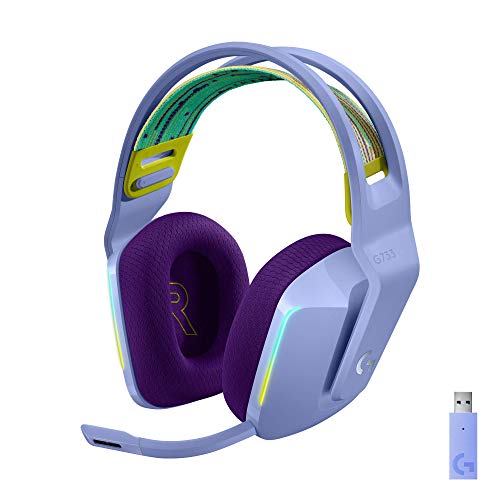
Logitech G733
PC, PS5, PS4, or docked Switch players who want a lightweight wireless gaming headset with RGB and long battery life.
Read the Logitech G733 review →
HiFiMan HE400SE
Budget conscious listeners who want open-back planar magnetic sound for quiet home or studio use.
Read the HiFiMan HE400SE review →
Shokz OpenRun Pro
Runners, cyclists, and gym-goers who want open-ear awareness, secure fit, and all-day battery during workouts.
Read the Shokz OpenRun Pro review →Questions Buyers Ask
Shokz OpenRun Pro Mini
See the current listing, price and included accessories.
About This Review
Mandrillis Team
The Mandrillis editorial team researches and compares audio and music gear using manufacturer documentation, verified specs and real buyer feedback, so you can make a confident purchase without wading through marketing claims.
Read our full research methodology.