Speakers Review
Klipsch Reference Front-Firing Review: Flexible Bass Placement Option
The Klipsch Reference Front-Firing is a powered 12-inch subwoofer with a spun-copper crystalline polymer woofer, line/LFE inputs, and manual low-pass and phase controls. The listing omits key specs like wattage, frequency response, dimensions, and weight, so this review evaluates the published design rather than measured performance.
Our Verdict
Research Score 72/100The Klipsch Reference Front-Firing subwoofer looks like a sensible lower mid-range choice for home theater shoppers who want a 12-inch driver and a flexible front-firing cabinet. The spun-copper crystalline polymer woofer is described as light and low in distortion, and the all-digital amplifier promises efficient, accurate bass. The line/LFE input and rear-mounted low-pass and phase controls are straightforward for AVR integration. However, the listing does not publish amplifier wattage, frequency response, dimensions, weight, enclosure material, or included accessories. That missing data makes an objective performance assessment impossible. Buyers who trust Klipsch's Reference voicing and do not need wireless or app features may be satisfied. Those who require complete specifications should look at better-documented alternatives. Overall, it earns a moderate score of 72.
Editorial research score based on published specifications and documented features, not a customer rating or lab test.

Klipsch
Klipsch Reference Front-Firing
Best for: Entry-level home theater and music setups that need a flexible front-firing subwoofer with AVR line or LFE connection.
Skip it if: You need a compact, app-controlled, or fully specified subwoofer with published power and frequency response.
Check Price on AmazonWe may earn a commission at no extra cost to you.
Listing verified: October 2026
Who Should Buy It
Buy it if
- Home theater owners with an AV receiver and subwoofer output
- Listeners who want a 12-inch front-firing driver at a lower mid-range price
- Klipsch fans looking for the revamped spun-copper woofer
- Users comfortable doing manual crossover and phase adjustments
Skip it if
- You require built-in Bluetooth, Wi-Fi, or app control
- You need exact amplifier wattage and frequency response before buying
- Space or weight is a primary concern and dimensions are not published
Key Specifications
| Type | Powered front-firing subwoofer |
| Drivers | 12-inch spun-copper thermoformed crystalline polymer woofer |
| Power or sensitivity | Built-in all-digital amplifier; power output not published in listing |
| Frequency response | Not published in listing |
| Inputs and connectivity | Line/LFE inputs |
| Bluetooth and streaming | Not published in listing |
| Dimensions | Not published in listing |
| Weight | Not published in listing |
| Finish | Not published in listing |
| Included accessories | Not published in listing |
Overview
The Klipsch Reference Front-Firing is a powered subwoofer positioned in the lower mid-range price tier. The product listing describes a 12-inch spun-copper thermoformed crystalline polymer woofer and a built-in all-digital amplifier. Klipsch markets the driver as exceptionally light, with low frequency response, minimal cone breakup, and degradation-free distortion. The front-firing driver is intended to provide deep bass and flexible room placement. These are meaningful claims, but the listing leaves several common specifications unpublished.
Because the listing does not state exact amplifier wattage, frequency response, dimensions, weight, cabinet material, finish, or included accessories, this review is limited to a paper evaluation of the published feature set. Buyers who need complete specs before purchasing may find that frustrating. Still, the key elements, a 12-inch spun-copper woofer, line/LFE inputs, low-pass crossover, and phase control, suggest a straightforward home theater subwoofer for users with an AV receiver.
Sound Quality
On paper, the 12-inch spun-copper thermoformed crystalline polymer woofer is the star of the show. Klipsch says the material is exceptionally light while still providing low frequency response with minimal cone breakup. In theory, a light and rigid cone can move quickly and stay controlled, which often translates into tight, punchy bass without audible breakup or added distortion. The front-firing orientation also aims low frequencies directly into the room rather than into the floor, which some listeners prefer for clarity and impact.
The built-in all-digital amplifier is described as high efficiency with true-to-source accuracy, but no wattage figure is published. That makes it impossible to estimate headroom or maximum output on paper. A 12-inch driver in this class typically has enough surface area to energize a medium room, but without a frequency response range, the low-end extension cannot be verified. Buyers should expect strong mid-bass punch and cinematic rumble based on the driver geometry, but they should not assume the deepest subsonic reach without seeing a measured curve.
Drivers, Power and Room Fit
The driver is a 12-inch spun-copper thermoformed crystalline polymer cone. That is a distinct visual and material departure from older paper or polypropylene cones. The claimed benefits are low weight and resistance to cone breakup, both of which matter for a subwoofer that is asked to reproduce demanding low-frequency effects. A 12-inch diameter is a common sweet spot for home theater because it balances output capability against physical size. The listing does not specify an excursion limit or voice coil size, so the driver's true linear output remains unknown.
The built-in all-digital amplifier is a modern design that replaces older analog plate amps. Klipsch says it delivers ample power with high efficiency, but no RMS or peak wattage is given. This is one of the most important missing data points for a subwoofer, because amplifier power largely determines how loudly and cleanly the driver can be driven. For room fit, the front-firing driver allows flexible placement relative to walls and furniture, since the acoustic output is directed into the room. However, without cabinet dimensions or whether the enclosure is sealed or ported, it is hard to predict how boundary reinforcement will behave.
Features and Connectivity
The Klipsch Reference Front-Firing keeps connectivity simple. It provides line and LFE inputs, which are the standard connections for nearly all AV receivers with a subwoofer pre-out. The LFE input bypasses the subwoofer's own low-pass filter when used with a receiver's bass management, while the line input allows use with stereo systems that lack a dedicated subwoofer output. This dual input approach is practical and avoids proprietary connectors.
The rear-facing control set includes a low-pass crossover and a phase switch or dial. The listing says these controls ensure the subwoofer blends with other Klipsch speakers and establishes the ideal level of bass. In practice, the low-pass filter rolls off frequencies above a chosen point, and the phase control helps align the subwoofer's output with the main speakers at the listening position. The listing does not mention Bluetooth, Wi-Fi, app control, automatic room correction, or a remote, so users should expect manual adjustment at the subwoofer.
- 12 inch spun copper woofer
- Line and LFE inputs for AVR compatibility
- Low pass crossover control
- Phase control
- Front firing driver for flexible placement
Build, Design and Finish
The visual identity of the Klipsch Reference Front-Firing is anchored by the spun-copper woofer, which has become a signature Klipsch styling cue. The listing describes the cone as thermoformed crystalline polymer, which suggests a molded plastic composite rather than a traditional paper or metal cone. Klipsch does not publish the cabinet material, bracing, or finish in this listing, so build quality beyond the driver cannot be assessed. The enclosure is likely a braced MDF box common in this class, but that is not confirmed in the provided data.
The all-digital amplifier suggests a compact heat-efficient design, but again, the listing does not show a photo or describe the amplifier plate's layout in detail. Consumers who value a premium furniture-grade finish should note that no wood veneer or high-gloss option is mentioned. The product's price tier is lower mid-range, so a black vinyl or textured finish is probable, but buyers should verify with the retailer if cabinet aesthetics matter. Without published dimensions and weight, the physical footprint and ease of moving the subwoofer are also open questions.
Setup and Placement
Setup should be straightforward for anyone with an AV receiver. The user connects a single RCA cable from the receiver's subwoofer or LFE output to the subwoofer's input, then sets the subwoofer's volume, crossover, and phase. If the receiver has its own bass management, the subwoofer's low-pass control is typically set to bypass or maximum, and phase is adjusted by ear or with test tones. The front-firing driver means the subwoofer can be placed with the driver facing the listening area, and it does not require a hard floor reflection like some down-firing models.
Placement flexibility is a stated benefit, but the listing does not mention whether the enclosure is sealed or ported, which affects how close to walls the subwoofer can be placed. Front-firing drivers can still excite room modes, so corner placement usually increases bass but may sound boomy. Without an app or auto-calibration, the user must experiment with placement and phase to smooth response. The lack of published dimensions and weight also means that hidden placement inside a cabinet or tight corner may or may not be possible; buyers should check the physical size before purchasing.
Daily Use
In daily home theater use, the Klipsch Reference Front-Firing would handle low-frequency effects, explosions, and the low end of film scores. For music, the spun-copper driver should reproduce kick drum and bass guitar with reasonable definition, assuming the amplifier has enough power. The all-digital amplifier is described as efficient, so it may run cooler and draw less idle power than older class AB designs, though no consumption figures are provided. The lack of auto-on or signal sensing is not mentioned, so users may need to switch the subwoofer on and off manually if the receiver does not control it.
Since the listing omits frequency response, it is hard to say how low the subwoofer will reach. This matters for action movies with ultralow content below 30 Hz and for pipe organ or synth bass music. A 12-inch driver generally offers satisfying room pressurization, but the exact character will depend on enclosure alignment and amplifier damping. Users who prioritize musical speed may prefer a sealed design, while those who want maximum rumble may want a ported design, but this listing does not specify which style the cabinet uses. That uncertainty is a real drawback for daily-use expectations.
Who Should Buy It
The Klipsch Reference Front-Firing is best suited to home theater owners who already have an AV receiver or preamp with subwoofer output and want a 12-inch front-firing subwoofer from a recognized brand. It should appeal to Klipsch fans who want the revamped spun-copper driver aesthetic and do not require a fully specified product sheet. Buyers comfortable doing manual crossover and phase adjustments will find the simple control set familiar, and the lower mid-range price tier keeps it accessible for first-time subwoofer buyers.
Those stepping up from small satellite speakers or a soundbar without a dedicated sub will likely hear a clear improvement in bass weight and scale. The line and LFE inputs make it compatible with most home theater gear, and the front-firing design offers more placement options than a down-firing cabinet. However, the missing published specs mean this subwoofer is less suited to analytical buyers who compare RMS watts, frequency response curves, and woofer excursion before making a decision. If you need those details, you may need to contact the seller or look elsewhere.
Alternatives Worth Considering
For buyers who want a fully documented subwoofer with app control and tuned sealed enclosure, the SVS SB-1000 Pro is a popular alternative in the next price bracket. It is often praised for tight, musical bass and includes parametric EQ and presets. Klipsch's older R-120SW may also be available at a similar price and shares the brand's Reference voicing, though it lacks the revamped spun-copper driver described here. Both are common cross-shop options, but exact specifications should be compared on their own listings.
A ported alternative such as the Polk Audio HTS 12 offers a similar 12-inch driver and can produce strong output for home theater, but again, dimensions and amplifier specs should be confirmed. For smaller rooms, a compact sealed subwoofer may integrate more easily than a large 12-inch cabinet, though the Klipsch front-firing design is intended to help placement. The key trade-off is publication of specs, the Klipsch listing leaves many unknowns, while competing products often provide full frequency response and amplifier ratings.
Verdict
The Klipsch Reference Front-Firing presents an attractive lower mid-range option for a 12-inch powered subwoofer. Its spun-copper thermoformed crystalline polymer woofer and all-digital amplifier are the main highlights, with a simple control set that includes low-pass crossover, phase, and line/LFE inputs. The front-firing design is practical for room placement and AVR integration. These features suggest a capable performer for both movie soundtracks and music playback, particularly in medium rooms.
The biggest caveat is what the listing does not tell you. Amplifier wattage, frequency response, dimensions, weight, cabinet material, finish, and included accessories are all missing. That makes it impossible to verify output capability or compare it directly to fully specified rivals. Buyers who trust Klipsch's voicing and do not need wireless or app features may still be happy, but those who require complete specifications should proceed with caution. Overall, the Klipsch Reference Front-Firing earns a moderate score of 72 out of 100.
Strengths and Limitations
Strengths
- Large 12-inch spun-copper woofer
- Front-firing design aids flexible placement
- Line/LFE inputs work with most AV receivers
- Low-pass crossover and phase control for blending
- All-digital amplifier described as efficient
Limitations
- No published power output or frequency response
- Listing does not specify cabinet finish or dimensions
- No wireless or app-based control mentioned
- Unknown weight and included accessories
How We Scored It
Scores reflect published specifications, documented features and value against the alternatives below. They are editorial research scores, not laboratory measurements.
Alternatives to Consider

Kanto ORA4
Desk, computer, gaming, and compact music setups that need neutral powered sound with a subwoofer path.
Read the Kanto ORA4 review →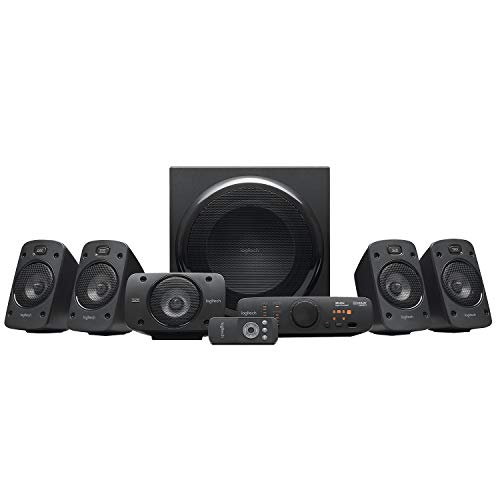
Logitech Z906
Buyers who want a powered THX certified 5.1 surround system for a TV, gaming console, or computer in a small to medium room.
Read the Logitech Z906 review →
Klipsch Reference Premiere RP-600M II
Listeners who want a horn-loaded passive bookshelf speaker with updated drivers and a furniture grade look.
Read the Klipsch Reference Premiere RP-600M II review →Questions Buyers Ask
Klipsch Reference Front-Firing
See the current listing, price and included accessories.
About This Review
Mandrillis Team
The Mandrillis editorial team researches and compares audio and music gear using manufacturer documentation, verified specs and real buyer feedback, so you can make a confident purchase without wading through marketing claims.
Read our full research methodology.