Speakers Review
Klipsch RP-504C Review: Clarity in a Center Channel
The Klipsch RP-504C is a lower mid-range passive center channel. The listing highlights a vented titanium tweeter, Cerametallic woofers, and a rear Tractrix port. Frequency response and sensitivity are not published, but the design points to clear dialogue for home theater.
Our Verdict
Research Score 80/100The Klipsch RP-504C is a lower mid-range passive center channel that emphasizes dialogue clarity and dynamic home theater sound. The listing describes a vented titanium tweeter in a 90 by 90 Tractrix horn, Cerametallic woofers with copper voice coils, and a rear Tractrix port. These are thoughtful design choices for low distortion and clear midrange. However, the absence of published frequency response, sensitivity, power handling, dimensions, and weight makes it hard to verify performance on paper. Buyers should confirm fit and receiver compatibility before purchase. For Klipsch Reference Premiere owners or those building a serious passive system, the RP-504C appears to be a strong center channel choice in its price tier.
Editorial research score based on published specifications and documented features, not a customer rating or lab test.

Klipsch
Klipsch RP-504C
Best for: Home theater listeners who want a clear, dynamic center channel for dialogue and effects in a Klipsch Reference Premiere system.
Skip it if: You need a self-powered or wireless speaker, or you require published frequency response and sensitivity specs before buying.
Check Price on AmazonWe may earn a commission at no extra cost to you.
Listing verified: October 2026
Who Should Buy It
Buy it if
- AV receiver owners building a passive home theater system
- Klipsch Reference Premiere tower or bookshelf owners seeking a timbre-matched center
- Movie fans who prioritize clear dialogue and dynamic effects
- Buyers looking for a lower mid-range center channel with premium driver materials
Skip it if
- You want a powered or portable speaker with built-in streaming
- You need exact driver size, power handling, and frequency response before purchase
- You have limited space behind the speaker for rear port clearance
Key Specifications
| Type | Passive center channel speaker |
| Drivers | Vented titanium tweeter with 90 x 90 Tractrix horn, Cerametallic woofers; exact driver size and count not published in listing |
| Power or sensitivity | Not published in listing |
| Frequency response | Not published in listing |
| Inputs and connectivity | Speaker-level inputs, binding posts typical but not specified in listing |
| Bluetooth and streaming | None; passive speaker, no built-in wireless or streaming |
| Dimensions | Not published in listing |
| Weight | Not published in listing |
| Finish | Ebony |
| Included accessories | Not published in listing |
Overview
The Klipsch RP-504C is a center channel speaker from the Reference Premiere series, positioned in the lower mid-range price tier. The listing presents it as a passive home theater speaker designed to anchor dialogue and effects in a multi-channel system. The ebony finish is the only color named in the product listing. Buyers who already own Klipsch Reference Premiere towers or bookshelf speakers will find this center channel intended to match that voicing.
The listing emphasizes horn-loaded design, a titanium tweeter, and Cerametallic woofers. Klipsch uses a 90 by 90 Tractrix horn with a compressed molded silicon face to control resonance. The rear Tractrix port is described as matched to the cabinet and woofers for low distortion airflow. These details frame the RP-504C as a dialogue-focused center speaker rather than a general-purpose bookshelf or stereo speaker.
Sound Quality
On paper, the RP-504C is built around a vented titanium tweeter loaded into a Tractrix horn. The listing states that the vented design reduces standing waves behind the diaphragm, which can help high frequencies sound cleaner and less strained. The titanium diaphragm is described as light and rigid, with Linear Travel Suspension technology intended to lower distortion. Computer modeled phase plugs act as a mechanical filter, according to the listing, for a smoother frequency response.
Dialogue clarity is the primary job of a center channel, and the horn loading should provide controlled directivity toward the listening area. The listing claims the 90 by 90 Tractrix horn helps produce a smoother frequency response. Because no measured frequency response or sensitivity figures are published in the listing, the low end extension and overall tonal balance remain unverified from written specifications alone. Buyers report that Klipsch Reference Premiere center channels tend to have an energetic, forward presentation, but that is not a claim from the listing.
The Cerametallic woofers are said to be extremely light and rigid, which helps them deliver lower frequencies with maximum efficiency. They are mated to dual-layer copper-wound voice coils and housed in stamped-steel baskets. On paper this points to good midbass punch and low distortion, though the listing does not publish a crossover frequency or driver size. For home theater use, that suggests voices and effects should stay clear even during loud passages, assuming the receiver supplies clean power.
Drivers, Power and Room Fit
The driver array consists of a titanium tweeter paired with multiple Cerametallic woofers, but the listing does not state the exact woofer diameter or the number of drivers. The RP-504C name implies a larger center channel for Klipsch, yet without published dimensions or driver size, room fit must be inferred from general product positioning. The rear Tractrix port is described as creating ideal airflow with minimal distortion or turbulence, which suggests some attention to low-frequency clarity.
Power handling and sensitivity are not published in the listing. A passive center channel like this requires an AV receiver or external amplifier, so buyers cannot evaluate how much wattage is safe or how efficient the speaker is from the written information alone. The listing does describe a ceramic magnet housing and a large magnet motor, which usually indicates a design meant for high output with lower compression, but no numeric rating is given. In a typical medium-sized room, a dedicated center channel of this type should be able to keep up with floorstanding or bookshelf mains, provided the receiver is adequate, but that is an on-paper assumption rather than a tested result.
Room fit also involves placement. A center channel is often placed directly below or above a television, and the rear port means the speaker needs some breathing room from the wall or cabinet back. The listing does not mention any boundary compensation or sealed design option. Those with enclosed media consoles may need to plan for port clearance, especially since the rear Tractrix port relies on airflow to perform as described. The lower mid-range price tier makes this a serious step above entry-level passive centers, but the absence of published sensitivity and power ratings leaves some uncertainty for matching with low-powered receivers.
Features and Connectivity
The RP-504C is a passive center channel speaker, so its connectivity is limited to speaker-level inputs from an AV receiver or power amplifier. The listing does not describe binding posts, banana plug compatibility, or any bi-wire option. There is no built-in Bluetooth, streaming, or amplification. This is consistent with a traditional home theater speaker that relies on separate electronics.
The feature set focuses on acoustic design rather than wireless convenience. The listing highlights the compressed molded silicon face mated to the Tractrix horn, vented tweeter, ceramic magnet housing, Cerametallic woofer cones, dual-layer copper-wound voice coils, and stamped-steel basket. These are driver-level improvements intended to lower distortion and reduce resonance. No DSP, room correction, or app control is mentioned, which is expected for a passive center.
- 90 by 90 Tractrix horn with compressed molded silicon face
- Vented titanium tweeter with Linear Travel Suspension
- Cerametallic woofers with dual-layer copper-wound voice coils
- Rear Tractrix port matched to cabinet and woofers
- Non-resonating stamped-steel woofer baskets with large magnet motor
Build, Design and Finish
The only finish named in the listing is ebony, which likely means a black wood-grain vinyl or polymer veneer, though the exact material is not spelled out. The cabinet itself is not described in detail beyond the silicon face and rear port. The stamped-steel woofer basket is said to be non-resonating and secured to a large magnet motor, which contributes to a solid feel on paper. The ceramic magnet housing for the tweeter is another premium touch listed.
The front baffle includes the molded silicon face matted to the horn, which Klipsch says reduces horn resonance. This suggests attention to reducing unwanted vibrations that can color sound. The Cerametallic cones are noted as a signature aesthetic element, meaning the copper-colored woofers likely stand out against the ebony cabinet. Without dimensions or weight listed, the build quality cannot be fully judged, but the materials described point to a step above basic center channels.
The rear port and terminal area are not described, and the listing does not mention a magnetic grille or any included accessories. Buyers looking for a complete picture of cabinet construction, bracing, or weight will find the listing thin. That said, the lower mid-range pricing usually aligns with good build quality for a major speaker brand, and the listed driver components support that expectation.
Setup and Placement
Setting up the RP-504C starts with connecting speaker wire from an AV receiver's center channel output. The listing does not specify the type of binding posts, but standard banana plugs or bare wire are typical for this class. Because it is passive, no power cord or signal cable is included beyond what the buyer supplies. The listing does not list included accessories, so a grille, if any, may or may not be part of the package.
Placement for a center channel is usually below or above the screen, angled toward the main listening position. The rear Tractrix port means the speaker should not be pushed flush against a wall or enclosed cabinet back. A few inches of clearance helps the port work as intended and avoids turbulence. The 90 by 90 horn pattern suggests the speaker can cover a fairly wide seating area when placed at ear level, based on the listing's description.
Buyers should run receiver calibration after placement, such as room correction included in most AV receivers. The listing does not include an app or setup guide, but typical home theater practice applies. Since no sensitivity rating is published, the receiver's auto setup can help set channel levels correctly. The lower mid-range price point means this is not a plug-and-play powered speaker, but a component in a larger system.
Daily Use
In daily home theater use, the RP-504C is tasked with reproducing dialogue, on-screen effects, and music in multichannel mixes. The listing's emphasis on horn loading and titanium tweeter suggests a clear, detailed midrange and high frequency presentation. The Cerametallic woofers should anchor male and female voices with enough body, though the exact low frequency reach is not published. Buyers who watch movies at moderate to high volume may appreciate the claimed low distortion from the vented tweeter and voice coil design.
The rear port and driver design imply the speaker can play dynamic peaks without obvious strain, on paper. The listing states the rear Tractrix port creates ideal airflow with minimal distortion or turbulence even at low frequencies. That is relevant for action scenes and movie scores. Without a powered design, the speaker depends on the receiver's quality and power, so daily performance will vary with the electronics. No remote, app, or display is involved, which makes operation as simple as the receiver's volume control.
Maintenance is minimal, though the listing does not mention a removable grille or dust cap care. The ebony finish and copper cones may attract fingerprints if handled often, but once placed the speaker is mostly set and forget. For buyers who want a center channel that blends into a dark entertainment unit, the ebony finish is a practical choice. The listing's lack of weight and dimensions makes it hard to know if the speaker will fit in standard console shelves without measuring the actual product first.
Who Should Buy It
The Klipsch RP-504C is best suited to home theater owners building a passive speaker system around an AV receiver. It makes sense for those who already have or plan to purchase Klipsch Reference Premiere towers or bookshelf speakers, since timbre matching across the front soundstage is important. Buyers who prioritize dialogue clarity and dynamic movie sound will find the listed horn and titanium tweeter design appealing.
This center channel is also a reasonable choice for someone upgrading from a small or satellite center speaker to a more substantial model in the lower mid-range tier. It should fit well in a dedicated media room or family room where clear sound over a wide seating area matters. The listing's focus on low distortion and high efficiency materials points toward use in systems that are played loud, such as action and blockbuster films.
Those who are comfortable with passive speakers and already own a capable receiver will have the easiest path. The speaker does not include amplification or wireless features, so it is not for buyers seeking a simple all-in-one solution. On paper, it is a component for a serious but still accessible home theater setup.
Alternatives Worth Considering
For buyers who want a different voicing, the ELAC Debut 2.0 center channel is often described as more neutral and relaxed compared with the Klipsch forward presentation. The SVS Prime Center is another popular alternative in a similar price range, known for clear vocal reproduction. These are general observations from common user reports, not from the listing itself.
If the goal is a smaller footprint or a less expensive entry into Klipsch, the Reference series center channels offer similar horn-loaded design at a budget tier. Buyers who prefer a sealed or front-ported design may look to Polk Audio's ES35 or similar slim centers, though that model uses a different driver array. The listing does not compare the RP-504C to these models, so any choice should be based on published specs from those listings and personal listening.
For those open to a powered or wireless center, there are few true center channels with built-in amplification, so passive remains the standard. The SVS SB-1000 Pro is a subwoofer, not a center, but it illustrates how matching bass management with a center channel can improve overall home theater performance. Buyers looking at the RP-504C should consider the rest of the front stage and receiver power before deciding.
Verdict
The Klipsch RP-504C presents a strong on-paper case for a high-performance center channel in the lower mid-range tier. The listing's technical highlights include a vented titanium tweeter in a 90 by 90 Tractrix horn, Cerametallic woofers with copper voice coils, and a rear Tractrix port. These are meaningful design choices aimed at clear dialogue and low distortion.
The main limitation is the absence of published specifications for frequency response, sensitivity, power handling, driver size, and dimensions. That makes it hard to compare directly or to know if it will match a given receiver or room. However, the brand reputation and described materials support a solid expectation for home theater performance. Buyers should confirm fit and receiver compatibility before purchase, but the RP-504C appears to be a purposeful center channel for Klipsch Reference Premiere systems.
Strengths and Limitations
Strengths
- Horn-loaded titanium tweeter for clear dialogue
- Cerametallic woofers with copper voice coils
- Rear Tractrix port designed for low turbulence
- 90 by 90 Tractrix horn with silicon face for resonance control
- Stamped-steel basket and ceramic magnet housing
- Ebony finish matches many entertainment units
Limitations
- No published frequency response, sensitivity, or impedance
- No published dimensions or weight
- Rear port may require clearance from wall
- No built-in Bluetooth or streaming
- Included accessories not listed
How We Scored It
Scores reflect published specifications, documented features and value against the alternatives below. They are editorial research scores, not laboratory measurements.
Alternatives to Consider
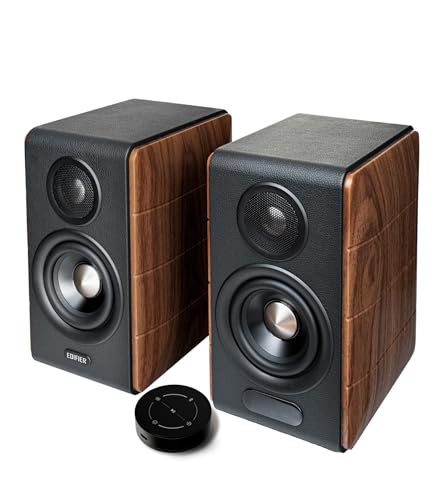
Edifier S880DB MKII
A compact desktop or small-room hi-fi setup that benefits from wireless LDAC Bluetooth and wired digital inputs.
Read the Edifier S880DB MKII review →
Polk Audio Signature Elite ES50
Home theater and music listeners who want a passive floorstanding tower with enhanced bass and a modern white finish, driven by an AV receiver or stereo amplifier.
Read the Polk Audio Signature Elite ES50 review →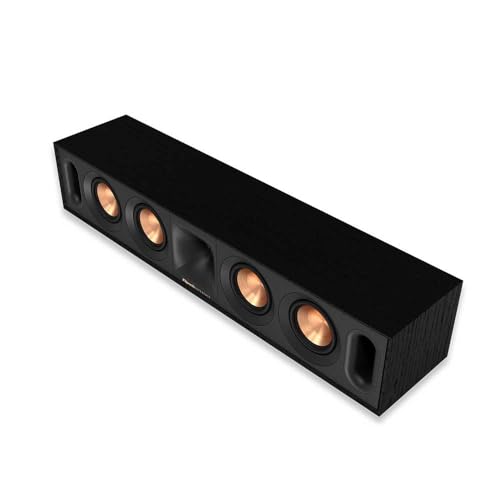
Klipsch Reference Next-Generation R-30C
Home theater users who want a lower mid-range center channel focused on clear dialogue and wide horizontal dispersion.
Read the Klipsch Reference Next-Generation R-30C review →Questions Buyers Ask
Klipsch RP-504C
See the current listing, price and included accessories.
About This Review
Mandrillis Team
The Mandrillis editorial team researches and compares audio and music gear using manufacturer documentation, verified specs and real buyer feedback, so you can make a confident purchase without wading through marketing claims.
Read our full research methodology.