Speakers Review
Klipsch R-30C Review: Clear Dialogue and Wide Dispersion
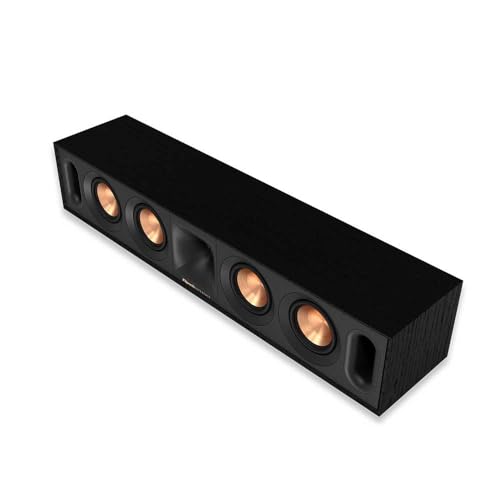
The Klipsch Reference Next-Generation R-30C center channel uses a 90 by 90 Tractrix horn, an LTS aluminum tweeter, and dual 3.5-inch TCP woofers to improve dialogue clarity and dispersion. The listing omits power handling and frequency response. This review covers features, design, and fit for home theater use without direct product testing.
Our Verdict
Research Score 76/100The Klipsch Reference Next-Generation R-30C offers a credible set of acoustic technologies for clear home theater dialogue, including a wide-dispersion horn and an aluminum tweeter. The lower mid-range price makes it attractive, but the listing omits key specifications such as frequency response, sensitivity, power handling, dimensions, and weight. That omission limits a fully informed purchase. On paper, the speaker should excel at midrange and vocal clarity while delegating deep bass to a subwoofer. It is not a powered or wireless speaker, and it needs a receiver. Buyers who match it with a subwoofer and a capable AVR should get a clean-looking center channel with even coverage. This review cannot verify real-world performance without direct product testing.
Editorial research score based on published specifications and documented features, not a customer rating or lab test.
Klipsch
Klipsch Reference Next-Generation R-30C
Best for: Home theater users who want a lower mid-range center channel focused on clear dialogue and wide horizontal dispersion.
Skip it if: You need a full-range center with deep bass, fully published specifications, or wireless connectivity.
Check Price on AmazonWe may earn a commission at no extra cost to you.
Listing verified: October 2026
Who Should Buy It
Buy it if
- Home theater owners matching Klipsch Reference bookshelf or floorstanding speakers
- Viewers who struggle to hear movie and TV dialogue
- Budget-conscious buyers who want horn-loaded clarity
- Listeners who prefer even coverage across multiple seats
Skip it if
- You need a center channel with deep bass without a subwoofer
- You require published frequency response and sensitivity numbers
- You want a powered or wireless center channel
Key Specifications
| Type | Center channel speaker |
| Drivers | 1 inch LTS aluminum tweeter with Kapton suspension, dual 3.5 inch spun-copper thermoformed crystalline polymer woofers |
| Power or sensitivity | Not published in listing |
| Frequency response | Not published in listing |
| Inputs and connectivity | Not published in listing; no wireless features indicated |
| Bluetooth and streaming | Not published in listing; none mentioned |
| Dimensions | Not published in listing |
| Weight | Not published in listing |
| Finish | Black (from listing title) |
| Included accessories | Not published in listing; low-profile magnetic grille referenced |
Overview
The Klipsch Reference Next-Generation R-30C is a center channel speaker from a well-known home audio brand. The product listing positions it as a solution for clear movie and TV dialogue, with a horn-loaded tweeter and dual midrange woofers. It sits in the lower mid-range price tier, which makes it approachable for a home theater build. The design uses several technologies borrowed from Klipsch's pricier Reference Premiere line.
This review is based only on the published listing and not on direct product testing. The listing highlights the 90 by 90 Tractrix horn, a Linear Travel Suspension aluminum tweeter, spun-copper thermoformed crystalline polymer woofers, and a tapered array crossover. However, the listing does not state frequency response, sensitivity, power handling, dimensions, or weight. Because those numbers are missing, some performance claims cannot be verified from the specification sheet alone.
Sound Quality
The listing claims the 90 by 90 Tractrix horn delivers the cleanest, most natural sound possible and improves high frequency directivity. On paper, the wider horn mouth should help control dispersion over a larger bandwidth, which often translates to more consistent sound across different listening seats. The horn is paired with a 1 inch Linear Travel Suspension aluminum tweeter with Kapton suspension. Klipsch says this LTS design minimizes distortion for enhanced detail and resolution.
Dialogue clarity is a central selling point. The tapered array crossover is described as improving dispersion and midrange definition, which can help listeners catch every word. The dual 3.5 inch spun-copper thermoformed crystalline polymer woofers use steeper cone angling for smoother response and better accuracy, according to the listing. However, without a published frequency response, it is hard to know how deep the speaker plays. The small woofers likely need help from a subwoofer for full-range movie effects, though the listing does not specify crossover settings.
Drivers, Power and Room Fit
The R-30C uses a 1 inch aluminum tweeter with a Kapton suspension and two 3.5 inch spun-copper TCP woofers. The listing does not publish power handling, sensitivity, or impedance, so matching an amplifier is less precise than with a fully specified speaker. Without a sensitivity number, users cannot easily compare how loud the speaker will play with a given receiver. This missing information is a drawback for system planning.
For room fit, the wide 90 by 90 horn should support broad horizontal coverage, which is useful for a center channel that anchors a home theater. The small woofers suggest the speaker is intended for small to medium rooms, but no maximum output or frequency range is given. Buyers with large rooms or high playback levels may want a larger center with more published capability. The listing does not state a recommended room size or listening distance.
Features and Connectivity
The feature set centers on acoustic design rather than connectivity. The listing does not mention Bluetooth, Wi-Fi, or streaming, which is normal for a passive center channel speaker. It also does not state the type of speaker terminals, whether binding posts or spring clips, so cable compatibility is unclear. Buyers will need a home theater receiver or amplifier to drive this speaker.
Bullets from the listing summarize the key features: the 90 by 90 Tractrix horn, LTS aluminum tweeter, spun-copper TCP woofers, tapered array crossover, and modern appearance with hidden fasteners and magnetic grilles. These are all acoustic or cosmetic features. There is no built-in amplification, no DSP, and no wireless source switching. The speaker is a straightforward passive component in a surround system.
- 90 by 90 Tractrix horn for wide directivity
- 1 inch LTS aluminum tweeter with Kapton suspension
- Dual 3.5 inch spun-copper TCP woofers
- Tapered array crossover for dialogue clarity
- Hidden fasteners and low-profile magnetic grille
Build, Design and Finish
The listing emphasizes a sleek, modern appearance with hidden fasteners, an edge-to-edge horn, and a low-profile magnetic grille. The title confirms a black finish. The use of hidden fasteners means fewer visible screws on the front baffle, which can help the speaker blend into a media console. The magnetic grille should attach cleanly without visible holes when removed.
Materials are partially described: the tweeter diaphragm is aluminum, the suspension is Kapton, and the woofers use spun-copper thermoformed crystalline polymer. The cabinet material and internal bracing are not specified in the listing, so overall build quality is harder to judge. The absence of published dimensions and weight makes it difficult to plan placement or assess cabinet solidity. Nonetheless, the design language matches Klipsch's current Reference line.
Setup and Placement
As a center channel, the R-30C would typically be placed directly above or below a television, aimed toward the listening area. The listing does not provide dimensions or weight, so buyers should check the physical size against their furniture before purchase. The wide horizontal dispersion from the 90 by 90 horn may reduce the need to angle the speaker precisely at the main seat, which helps in rooms with multiple listeners.
Setup requires a home theater receiver or amplifier with speaker-level output, but the listing does not state power handling or impedance. Users should not assume a particular receiver wattage is ideal. The magnetic grille and hidden fasteners make the speaker easy to integrate visually. No calibration microphone or room correction is mentioned, so generic receiver setup should apply.
Daily Use
In everyday movie and TV use, the main benefit described is clear dialogue reproduction. The tapered array crossover and horn-loaded tweeter are designed to keep speech intelligible, which can reduce the need to turn up the volume to understand actors. The small woofers will handle midrange but may not supply deep bass. For action scenes, a subwoofer may be required to fill out the low end.
The magnetic grille makes it simple to remove or attach the cover without tools. Hidden fasteners keep the front clean. Because there is no wireless connectivity, the speaker stays passive and only plays what the receiver sends. The lack of published power handling means users should monitor for distortion at high volumes and avoid clipping. Overall, the design suggests a low-maintenance center channel focused on vocal clarity.
Who Should Buy It
This speaker suits home theater owners who want a center channel from a recognized brand at a lower mid-range price. It is a natural match for other Klipsch Reference speakers, though the listing does not specify exact timbre matching. Buyers who struggle to hear dialogue in movies and TV may benefit from the horn and crossover design.
It is also appropriate for users who prefer a clean, modern look with hidden fasteners and a magnetic grille. The wide dispersion helps when several people watch from different seats. However, buyers who need a full-range center with deep bass or published specifications may need to look elsewhere.
Alternatives Worth Considering
If deep bass from the center channel is a priority, buyers may want a larger center with bigger woofers and a published frequency response. This Klipsch model's 3.5 inch woofers suggest limited low-end output. The listing does not state a subwoofer crossover recommendation, so a separate subwoofer is likely beneficial for fuller sound.
Buyers who want powered or wireless operation could consider a powered bookshelf speaker like the Edifier R1280DB, but that is not a center channel and cannot anchor a surround system in the same way. The Klipsch R-30C is a passive home theater component, so it requires an AVR. Shoppers who need a compact powered soundbar may get simpler setup but often less precise dialogue imaging. The R-30C competes with other passive center channels that publish full specifications.
Verdict
The Klipsch Reference Next-Generation R-30C offers a credible set of acoustic technologies for clear home theater dialogue, including a wide-dispersion horn and an aluminum tweeter. The lower mid-range price makes it attractive, but the listing omits key specifications such as frequency response, sensitivity, power handling, dimensions, and weight. That omission limits a fully informed purchase.
On paper, the speaker should excel at midrange and vocal clarity while delegating deep bass to a subwoofer. It is not a powered or wireless speaker, and it needs a receiver. Buyers who match it with a subwoofer and a capable AVR should get a clean-looking center channel with even coverage. This review cannot verify real-world performance without direct product testing.
Strengths and Limitations
Strengths
- 90 by 90 Tractrix horn for wide directivity
- LTS aluminum tweeter with Kapton suspension for low distortion
- Dual 3.5 inch spun-copper TCP woofers designed for smoother response
- Tapered array crossover aims to improve dialogue clarity
- Sleek modern design with hidden fasteners and magnetic grille
- Lower mid-range price tier
Limitations
- Frequency response, sensitivity, power handling, dimensions, and weight not published
- Small 3.5 inch woofers likely limit deep bass output
- No Bluetooth or streaming, requires a receiver
- No included accessories specified beyond magnetic grille
- Binding post or speaker terminal type not stated
How We Scored It
Scores reflect published specifications, documented features and value against the alternatives below. They are editorial research scores, not laboratory measurements.
Alternatives to Consider
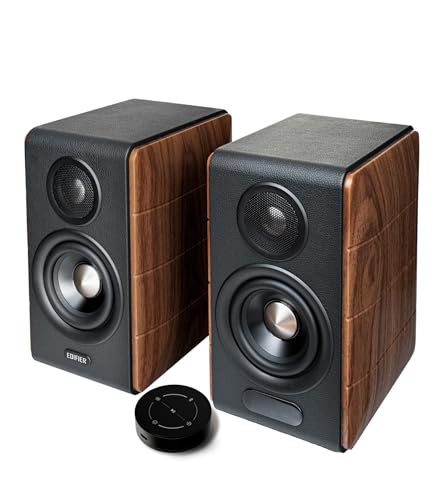
Edifier S880DB MKII
A compact desktop or small-room hi-fi setup that benefits from wireless LDAC Bluetooth and wired digital inputs.
Read the Edifier S880DB MKII review →
Polk Audio Signature Elite ES50
Home theater and music listeners who want a passive floorstanding tower with enhanced bass and a modern white finish, driven by an AV receiver or stereo amplifier.
Read the Polk Audio Signature Elite ES50 review →
Klipsch RP-504C
Home theater listeners who want a clear, dynamic center channel for dialogue and effects in a Klipsch Reference Premiere system.
Read the Klipsch RP-504C review →Questions Buyers Ask
Klipsch Reference Next-Generation R-30C
See the current listing, price and included accessories.
About This Review
Mandrillis Team
The Mandrillis editorial team researches and compares audio and music gear using manufacturer documentation, verified specs and real buyer feedback, so you can make a confident purchase without wading through marketing claims.
Read our full research methodology.