Speakers Review
Klipsch RP-8000F Review: Big Horn Speaker Sound
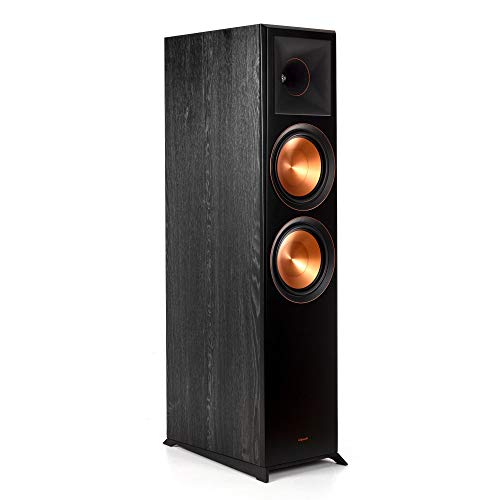
The Klipsch RP-8000F is a passive floorstanding speaker with a 1 inch titanium LTS vented tweeter in a hybrid Tractrix horn and dual 8 inch spun copper cerametallic woofers. This review works from the published listing, focusing on what the design promises and what buyers should verify.
Our Verdict
Research Score 79/100The Klipsch RP-8000F, based on the listing, offers a classic big speaker formula. A horn loaded 1 inch titanium tweeter and two 8 inch cerametallic woofers suggest a speaker that can pressurize a room without extreme amplifier power. The rear port and dual binding posts add flexibility for placement and amplifier configurations. At the lower mid range price tier, it represents a serious move up from compact passive speakers. The main limitation of this review is the missing data. The listing does not publish sensitivity, frequency response, dimensions or weight, which prevents a complete value judgment. Buyers who can accept some unknowns and who already plan to pair the speaker with a good amplifier will find a strong feature set. The final score reflects the visible driver quality and practical features, with deductions for the incomplete specifications and rear port placement demands.
Editorial research score based on published specifications and documented features, not a customer rating or lab test.
Klipsch
Klipsch RP-8000F
Best for: A buyer who wants a dynamic floorstanding speaker with horn loaded treble and dual 8 inch woofers for a larger room.
Skip it if: You need a self powered speaker or one with published specifications and compact dimensions.
Check Price on AmazonWe may earn a commission at no extra cost to you.
Listing verified: October 2026
Who Should Buy It
Buy it if
- Listeners building a passive two channel or home theater system with a dedicated amplifier
- People who enjoy Klipsch style horn detail and high output
- Buyers who can accommodate a floorstanding cabinet and rear port clearance
- Users who plan to bi wire or bi amp later
Skip it if
- You want a compact powered or Bluetooth speaker
- You need full published specifications before buying
- You prefer a laid back treble response
Key Specifications
| Type | Floorstanding speaker |
| Drivers | 1 inch titanium LTS vented tweeter with hybrid Tractrix horn; dual 8 inch spun copper cerametallic woofers |
| Power or sensitivity | Not published in listing |
| Frequency response | Not published in listing |
| Inputs and connectivity | Dual binding posts for bi-wire or bi-amp |
| Bluetooth and streaming | Not published in listing |
| Dimensions | Not published in listing |
| Weight | Not published in listing |
| Finish | Ebony |
| Included accessories | Removable magnetic grille |
Overview
The Klipsch RP-8000F is a passive floorstanding speaker sold as a single unit, according to the listing title. It belongs to the Reference Premiere line and uses a horn loaded 1 inch titanium tweeter with two 8 inch spun copper cerametallic woofers. The published feature set targets larger rooms, home theater front channels and listeners who want high output from a floorstanding cabinet. The lower mid range price tier places it above compact bookshelf speakers without moving into flagship territory.
On paper, the design emphasizes efficiency and dynamics through the hybrid Tractrix horn and large woofer surface area. The rear firing bass reflex port suggests that low frequency tuning will interact with the room. The listing does not state sensitivity, frequency response, dimensions or weight, so this review cannot confirm exact performance or fit. Buyers should use the published driver details as a starting point and verify the missing specifications separately.
Sound Quality
The 1 inch titanium LTS vented tweeter is the heart of the high frequency presentation. Titanium is a rigid material that can push breakup modes high, and the vented motor design typically reduces thermal stress during loud playback. The hybrid Tractrix horn focuses treble energy toward the listening area, which often improves dynamic headroom. The listing does not publish a frequency response curve, so the review cannot state how smooth or extended the treble remains off axis.
Dual 8 inch spun copper cerametallic woofers provide a large surface area for midbass and low frequency output. The cerametallic cone material is designed to be light and stiff, though the listing only names the material and not the motor details. Bass reflex loading through the rear port can extend low end response, but the tuning frequency is not published. In a typical room, this driver arrangement should produce substantial body and impact, with more bass authority than smaller bookshelf models.
Listeners who know Klipsch often expect a lively, forward treble and a punchy midbass. That character may suit home theater effects and rock music, but it can also reveal harshness in poor recordings. Without direct testing or a published frequency response, this review only describes the likely behavior based on the horn and woofer configuration. A careful audition is recommended for buyers sensitive to treble presence.
Drivers, Power and Room Fit
The driver complement is the most detailed part of the listing. A 1 inch titanium LTS vented tweeter sits in a hybrid Tractrix horn, while two 8 inch spun copper cerametallic woofers handle the lower range. The dual woofers give more piston area than a typical 6.5 inch bookshelf design, which usually reduces excursion for a given output level. The listing does not provide a crossover frequency or driver spacing, so integration between the horn and woofers cannot be analyzed.
Floorstanding placement depends on the cabinet footprint, but the listing omits dimensions and weight. Buyers should confirm the physical size and weight before moving furniture. The rear firing Tractrix port means the speaker cannot sit flush against a wall. A gap behind the cabinet lets the port breathe and reduces midbass boom. The exact distance varies by room, but starting around twelve to eighteen inches from the wall is common for rear ported floorstanding speakers.
Power matching is harder without sensitivity or impedance data. Many floorstanding speakers with large woofers work well with moderate power because the larger cone area improves acoustic efficiency. The horn loaded tweeter also tends to increase sensitivity. The listing mentions dual binding posts for bi wire or bi amp use, which suggests the speaker can support more complex amplification. A quality stereo receiver or integrated amplifier should be considered, but no minimum wattage can be stated from the listing.
Features and Connectivity
The listing describes a passive speaker with dual binding posts for bi wire or bi amp connections. There is no built in amplifier, no Bluetooth, no streaming and no digital input. The dual binding posts let you use separate amplifier channels for the tweeter and woofers if you remove the jumpers. The listing does not say whether the jumpers are preinstalled, but most dual post designs include them.
The removable magnetic grille is the only convenience feature named. It attaches without visible push pins, which preserves the clean front baffle. The listing calls the grille strong and flexible, suggesting it can handle repeated removal. No speaker cables, spikes or floor protectors are listed, so plan for those items separately. This feature set is typical for a passive floorstanding speaker in the lower mid range price tier.
- 1 inch titanium LTS vented tweeter in a hybrid Tractrix horn
- Dual 8 inch spun copper cerametallic woofers
- Rear firing Tractrix port for bass reflex loading
- Dual binding posts for bi wire or bi amp connections
- Removable magnetic grille with no visible pegs
Build, Design and Finish
The listing names Ebony as the finish but does not state the cabinet material, thickness or internal bracing. Klipsch floorstanding speakers often use MDF panels with a dark textured or woodgrain surface, but that general knowledge is not confirmed by this listing. The absence of published weight makes it difficult to judge cabinet density. A floorstanding speaker with dual 8 inch woofers needs a rigid box to control panel vibration and keep bass clean.
The visual design combines the copper colored woofers with a dark Ebony cabinet and a black horn mouth. The magnetic grille hides the drivers while keeping the baffle clean, but many buyers may prefer the grille off to show the copper cones. The listing does not mention feet, spikes, an outrigger base or a plinth, so stability on thick carpet remains an open question. The rear panel includes the dual binding posts and the port opening.
Build quality on paper looks reasonable for the price tier, based on the driver materials and bi wire terminals. The horn is integrated into the baffle, and the titanium tweeter uses a vented motor. However, without dimensions, weight or cabinet construction details, this review cannot assign a high confidence build score. Buyers should inspect the cabinet seams, grille fit and terminal plate if possible before purchase.
Setup and Placement
Setup starts with an amplifier or receiver and a pair of speaker cables. The listing title includes the word Each, so a stereo system requires two separate purchases. Connect the amplifier outputs to the binding posts, observing polarity. The rear firing port means the speaker should sit away from the wall behind it. A trial and error process with toe in will help focus the horn tweeter at the main listening seat.
The horn loaded tweeter typically has a narrower vertical dispersion than a dome tweeter, so the listening height matters. The floorstanding form factor raises the tweeter closer to seated ear level than a short bookshelf stand. The listing does not provide a horn coverage angle, so adjust the speaker angle gradually. The passive design does not require a power outlet, which keeps cable management simple but relies on your amplifier for every function.
Bi wiring or bi amping requires removing the metal jumpers between the two sets of posts. If you use a single amplifier channel, leave the jumpers in place and connect one pair of cables. The listing does not describe the jumper design, so check the rear panel before tightening. Place the left and right speakers symmetrically for a stable stereo image, and keep the rear port unobstructed by curtains or furniture.
Daily Use
In daily listening, the RP-8000F should deliver a large, room filling sound with strong low frequency energy from the dual 8 inch woofers. The horn loaded tweeter can make movie dialogue and percussive details easier to hear, but it may also emphasize sibilance on bright recordings. The rear port will interact with the wall behind the speaker, so bass response may vary between rooms. A subwoofer may not be necessary for music but can add depth for movies.
The magnetic grille makes it easy to protect the drivers when the system is not in use, and removal is clean for listening sessions. The Ebony finish should hide fingerprints but the copper cones may attract attention behind the grille. The listing does not mention a break in period, so no special run in procedure is required. The speaker has no remote control, no app and no indicator lights, which keeps operation straightforward but adds no network convenience.
For home theater use, the speaker fits well as a front left or right channel. Its dynamic potential suits explosion heavy soundtracks and large orchestral scores. For music, the tonal balance depends heavily on the room and amplifier because the listing provides no frequency response or sensitivity. Moving the speaker a few inches forward or away from the wall can alter bass fullness. This adjustability is the main way to tune sound in a passive system.
Who Should Buy It
This speaker suits a buyer who wants a passive floorstanding model with larger drivers than typical bookshelf speakers. The dual 8 inch woofers and horn loaded tweeter point toward high output, making it a candidate for a medium to large listening room. It fits those who already own an amplifier or receiver and want a step up in scale and dynamics. The lower mid range price tier makes it accessible for serious stereo or home theater builds.
Listeners who enjoy Klipsch style detail, where the treble is present and the midbass is punchy, will likely feel at home. The dual binding posts appeal to hobbyists who want to experiment with bi wiring or bi amping later. The removable magnetic grille and Ebony finish give it a tidy appearance compared to older Klipsch Reference models. Since it is sold each, a buyer can start with one and add the second when budget allows.
Alternatives Worth Considering
A buyer who wants a smaller footprint might look at a bookshelf speaker like the Klipsch R-51M, though the RP-8000F has larger 8 inch woofers and more bass surface area. The Edifier R1280DB is a powered option with built in amplification and Bluetooth, which suits buyers who do not want a separate receiver. These alternatives serve different rooms and system needs.
For a more neutral tonal balance, the ELAC Debut 2.0 B5.2 is a common reference point in the bookshelf category. The Polk Audio T50 is a less expensive floorstanding speaker that may suit tighter budgets but typically has smaller drivers. Buyers who want wireless portability should look to the JBL Flip 6 or Bose SoundLink Flex, though neither can match the room output of a dual 8 inch floorstanding design. The SVS SB-1000 Pro is a subwoofer that could pair with the Klipsch if deeper low bass is needed.
Verdict
The Klipsch RP-8000F, based on the listing, offers a classic big speaker formula. A horn loaded 1 inch titanium tweeter and two 8 inch cerametallic woofers suggest a speaker that can pressurize a room without extreme amplifier power. The rear port and dual binding posts add flexibility for placement and amplifier configurations. At the lower mid range price tier, it represents a serious move up from compact passive speakers.
The main limitation of this review is the missing data. The listing does not publish sensitivity, frequency response, dimensions or weight, which prevents a complete value judgment. Buyers who can accept some unknowns and who already plan to pair the speaker with a good amplifier will find a strong feature set. The final score reflects the visible driver quality and practical features, with deductions for the incomplete specifications and rear port placement demands.
Strengths and Limitations
Strengths
- Horn loaded tweeter promotes high output and focused treble
- Dual 8 inch woofers provide larger bass surface area than typical bookshelf models
- Bi wire and bi amp binding posts add flexibility
- Removable magnetic grille keeps the baffle clean
- Ebony finish suits dark decor
Limitations
- Listing omits sensitivity, frequency response, dimensions and weight
- Sold as a single speaker, so a stereo pair requires two purchases
- No built in wireless or powered inputs
- Rear port demands careful distance from the wall
- Horn presentation may be too forward for listeners seeking a recessed treble
How We Scored It
Scores reflect published specifications, documented features and value against the alternatives below. They are editorial research scores, not laboratory measurements.
Alternatives to Consider

Kanto YU6MW
Listeners who want a simple powered bookshelf system with vinyl and Bluetooth streaming in small to medium rooms.
Read the Kanto YU6MW review →
Marshall Stanmore III
Buyers who want a stylish plug-in home speaker with Bluetooth and wired inputs for casual music and vinyl listening.
Read the Marshall Stanmore III review →
Klipsch Reference Premiere RP-404C II
Home theater owners who want a low-profile center channel with clear vocal emphasis and a sealed cabinet for flexible placement.
Read the Klipsch Reference Premiere RP-404C II review →Questions Buyers Ask
Klipsch RP-8000F
See the current listing, price and included accessories.
About This Review
Mandrillis Team
The Mandrillis editorial team researches and compares audio and music gear using manufacturer documentation, verified specs and real buyer feedback, so you can make a confident purchase without wading through marketing claims.
Read our full research methodology.