Speakers Review
Marshall Stanmore III Review: A Bold Powered Bluetooth Speaker
The Marshall Stanmore III is a powered Bluetooth home speaker with a wide soundstage, bass and treble controls, and RCA and aux inputs. The listing highlights a sustainable build with recycled materials and a stripped-back Marshall design, but omits detailed driver and power specifications.
Our Verdict
Research Score 78/100The Marshall Stanmore III is a stylish powered Bluetooth home speaker that combines iconic design with practical wired inputs and simple tone controls. The listing promises a wide soundstage and home-filling output, and the sustainable PVC-free build is a meaningful addition. However, the lack of published driver size, wattage, and frequency response makes a full technical assessment difficult. At a lower mid-range price, it is a strong choice for vinyl listeners and casual music fans who want a plug-in speaker with RCA, aux, and Bluetooth. Buyers needing Wi-Fi, multiroom, battery power, or detailed measurements should look elsewhere.
Editorial research score based on published specifications and documented features, not a customer rating or lab test.

Marshall
Marshall Stanmore III
Best for: Buyers who want a stylish plug-in home speaker with Bluetooth and wired inputs for casual music and vinyl listening.
Skip it if: You need a battery-powered portable speaker, Wi-Fi multiroom streaming, or detailed technical specifications before buying.
Check Price on AmazonWe may earn a commission at no extra cost to you.
Listing verified: October 2026
Who Should Buy It
Buy it if
- Vinyl listeners who need RCA or aux input for a turntable with a built-in preamp
- Fans of the Marshall look who want a room-filling powered speaker
- Users who prefer simple hardware controls for bass and treble
- Shoppers who value recycled and vegan materials in audio gear
Skip it if
- You need a portable speaker for outdoor use
- You want Wi-Fi streaming or multiroom audio
- You require exact driver, power, and frequency response data
Key Specifications
| Type | Powered Bluetooth home speaker |
| Drivers | Not published in listing |
| Power or sensitivity | Not published in listing |
| Frequency response | Not published in listing |
| Inputs and connectivity | Bluetooth, RCA, 3.5mm aux |
| Bluetooth and streaming | Bluetooth with next-generation feature readiness, version not specified |
| Dimensions | Not published in listing |
| Weight | Not published in listing |
| Finish | Black, PVC-free build with 70 percent recycled plastic and vegan materials |
| Included accessories | Not published in listing |
Overview
The Marshall Stanmore III is a powered Bluetooth home speaker in the lower mid-range price tier. The product listing describes it as a plug-in speaker with stereo sound, bass and treble controls, and support for RCA and 3.5mm aux inputs. It is also labeled as record player compatible, which suggests it can work as a simple hub for a turntable setup when paired with the appropriate phono stage or a turntable that has a built-in preamp.
The listing highlights a wider soundstage than previous models and a stripped-back version of the classic Marshall design. It also emphasizes a more sustainable approach with a PVC-free build, 70 percent recycled plastic, and vegan materials. However, the listing does not publish detailed driver size, amplifier wattage, frequency response, or physical dimensions, so this review is based on the provided feature set and product description rather than an independent measurement.
Sound Quality
On paper, the Stanmore III promises home-filling Marshall signature sound with an even wider soundstage than its predecessor. The listing uses phrases such as immersive and loud stereo sound, which suggests the speaker is designed to project beyond a desktop or nearfield listening position. Bass and treble controls are included, allowing users to adjust the tonal balance to taste without needing an app or external equalizer.
Without published driver measurements or a frequency response curve, it is difficult to assess the exact sonic character from the listing alone. Buyers sometimes report that Marshall home speakers lean toward a lively, mid-forward presentation with strong brand voicing, but that is general context and not a measured claim from this listing. The addition of dedicated tone controls is a practical feature for tailoring the output to different rooms and program material.
Compared with common powered bookshelf speakers in the lower mid-range category, the Stanmore III appears to prioritize room-filling output and style over flat studio accuracy. The listing does not claim neutral monitoring, so listeners seeking analytical detail may need to look elsewhere. For casual music listening, the described sound character and adjustable bass and treble are likely to be more than adequate.
Drivers, Power and Room Fit
The listing does not state the driver configuration, driver size, or amplifier output in watts. This is a notable gap for buyers who want to compare technical specifications. The speaker is described as plug-in powered, which means it requires a wall outlet and is not portable. That fact also implies the amplifier is built into the cabinet, but the listing does not provide a power rating in watts.
Room fit is hinted at by the phrase home-filling sound and the Stanmore name, which is larger than Marshall's portable speakers. It is reasonable to expect that the Stanmore III is intended for medium-sized rooms such as living rooms, bedrooms, or home offices. However, without dimensions or sensitivity data, exact placement limits are not specified in the listing.
Features and Connectivity
The Stanmore III keeps connectivity straightforward. The listing names Bluetooth as the primary wireless method and notes that the speaker is built to support next-generation Bluetooth features when they become available. However, the listing does not specify a Bluetooth version number. Wired connections include RCA and 3.5mm aux inputs, which provide flexibility for older audio gear.
The presence of RCA and aux inputs is particularly useful for connecting a record player, CD player, or other line-level source. The listing describes record player compatibility, but it does not state whether there is a dedicated phono preamp built in. Users with turntables that lack a built-in preamp may need an external phono stage to connect properly. No Wi-Fi, multiroom audio, or smart assistant support is mentioned in the listing.
- Bluetooth pairing with next-generation Bluetooth feature readiness
- Bass and treble controls for tonal adjustment
- RCA input for stereo sources
- 3.5mm aux input for wired devices
- Plug-in powered design for continuous home use
Build, Design and Finish
The Stanmore III carries the classic Marshall look with a stripped-back aesthetic. The listing specifies a black finish and a design that stands apart, echoing the brand's rock heritage. The cabinet is described as PVC-free and composed of 70 percent recycled plastic, with only vegan materials used. This is a meaningful sustainability point for buyers who consider environmental impact.
Dimensions and weight are not provided in the listing, so buyers cannot confirm the exact footprint from the product page alone. The Stanmore III is typically considered a tabletop or media console speaker rather than a compact bookshelf unit, but that is based on general knowledge of the model line and not on published data in this listing. Build quality appears strong from the description, but physical inspection is not possible from the provided information.
Setup and Placement
Setup is presented as simple. The listing uses the phrase pair, play and turn it up and states there is no complex setup. Since the speaker is plug-in powered, the basic process involves connecting the power cord, pairing a Bluetooth device, and adjusting volume and tone controls. No app is mentioned, which may appeal to buyers who want a direct, hardware-based experience.
For wired sources, the RCA and 3.5mm aux inputs allow straightforward connections to a turntable, computer, or other audio device. Placement should account for the rear or side input location, but the listing does not describe the exact panel layout. Because the speaker is not battery powered, it needs to stay near an outlet, which limits placement flexibility compared with portable Bluetooth speakers.
Daily Use
In daily use, the Stanmore III is likely to function as a convenient always-ready home speaker. The plug-in design means no battery management, and the physical bass and treble controls allow quick adjustments without opening a phone app. The listing does not mention a remote control, so users may need to adjust settings directly on the speaker or through a paired source device.
The lack of a battery makes it unsuitable for outdoor or on-the-go use, but that is consistent with its positioning as a home speaker. The multiple wired inputs reduce the need for constant re-pairing when switching between a turntable and a phone, for example. The listing does not mention multi-device Bluetooth pairing, so users should expect a single active wireless connection at a time.
Who Should Buy It
The Stanmore III is a good fit for buyers who want a stylish powered speaker with a recognizable design and simple operation. It suits those who listen to vinyl or have wired audio sources, thanks to RCA and aux inputs, and who appreciate tone controls for adjusting bass and treble. The sustainable materials angle is a bonus for eco-conscious shoppers.
It is also appropriate for users who want a room-filling home speaker without building a separate amplifier and passive speaker system. Because the listing does not provide detailed technical specifications, it may be less suitable for buyers who require exact measurements or flat studio monitor performance. For casual music listening in a living space, the described feature set is practical.
Alternatives Worth Considering
If you are comparing the Stanmore III with other powered speakers, the Edifier R1280DB is a common budget bookshelf option that includes Bluetooth and multiple inputs, though its design and sound character are different. The Klipsch R-51M is a passive bookshelf speaker that requires a separate amplifier, so it is less of a direct all-in-one alternative. The ELAC Debut 2.0 B5.2 is also passive and more focused on traditional hi-fi setups.
For portable use, the JBL Flip 6 and Bose SoundLink Flex are battery-powered Bluetooth speakers that prioritize durability and travel, unlike the plug-in Stanmore III. For deep bass in a home theater or music system, the SVS SB-1000 Pro subwoofer serves a different role as a dedicated powered subwoofer rather than a full-range speaker. None of these alternatives replicate the Marshall aesthetic, but they cover different needs and price points.
Verdict
The Marshall Stanmore III is a distinctive powered Bluetooth home speaker that combines a classic look with practical wired inputs and simple tone controls. The listing's emphasis on a wider soundstage and home-filling output is appealing for casual listening, and the sustainable build is a welcome touch. However, the absence of published driver, power, frequency response, and dimension specifications makes a fully informed technical assessment difficult.
At a lower mid-range price tier, the Stanmore III competes well on style and ease of use, especially for vinyl listeners who can connect a turntable through RCA or aux. Buyers who want Wi-Fi streaming, multiroom audio, battery power, or detailed acoustic measurements should look elsewhere. Overall, this is a solid choice for a stylish, plug-in home speaker with a straightforward feature set and an iconic design.
Strengths and Limitations
Strengths
- Wide soundstage and home-filling output
- Bass and treble controls for tonal adjustment
- RCA and 3.5mm aux inputs for wired sources
- Record player compatible via line-level inputs
- Simple pair and play setup
- Sustainable PVC-free build with recycled materials
Limitations
- Driver size and wattage not published in listing
- No battery power, requires wall outlet
- No Wi-Fi or multiroom streaming mentioned
- Frequency response and dimensions not stated
- No remote or app mentioned in listing
How We Scored It
Scores reflect published specifications, documented features and value against the alternatives below. They are editorial research scores, not laboratory measurements.
Alternatives to Consider

Kanto YU6MW
Listeners who want a simple powered bookshelf system with vinyl and Bluetooth streaming in small to medium rooms.
Read the Kanto YU6MW review →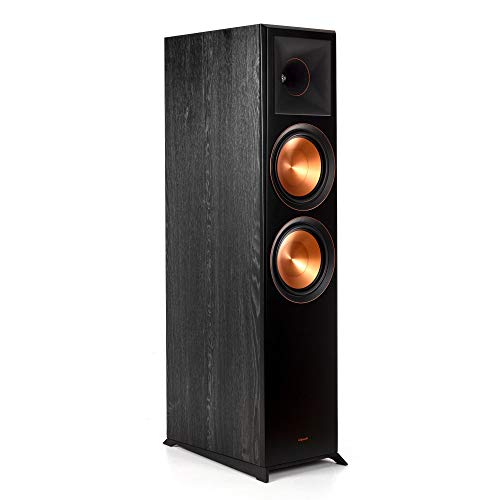
Klipsch RP-8000F
A buyer who wants a dynamic floorstanding speaker with horn loaded treble and dual 8 inch woofers for a larger room.
Read the Klipsch RP-8000F review →
Marshall Kilburn III
Listeners who want a stylish portable speaker with long battery life and manual tone shaping for indoor and outdoor use.
Read the Marshall Kilburn III review →Questions Buyers Ask
Marshall Stanmore III
See the current listing, price and included accessories.
About This Review
Mandrillis Team
The Mandrillis editorial team researches and compares audio and music gear using manufacturer documentation, verified specs and real buyer feedback, so you can make a confident purchase without wading through marketing claims.
Read our full research methodology.