Speakers Review
Klipsch Synergy Label Sub-100 10” Review: Budget Front Firing Bass
The Klipsch Synergy Label Sub-100 10” is a budget front firing powered subwoofer with a 10 inch Cerametallic driver, 150 watts continuous power and a compact cabinet. It is built for AV receiver owners who want home theater bass without wireless extras.
Our Verdict
Research Score 67/100The Klipsch Synergy Label Sub-100 10” delivers exactly what its published specification promises: a budget powered subwoofer for home theater use. The 10 inch front firing Cerametallic woofer and 150 watt continuous amplifier should add noticeable low end to small and medium rooms, especially when placed in a corner. The all digital amp supports efficient operation, and the removable grille adds everyday practicality. However, the listing leaves out important details such as frequency response, weight and exact input type, and there is no wireless connectivity. Buyers who need a simple, affordable sub for an AV receiver will find this a reasonable choice. Those who want deep sub bass or standalone streaming should look elsewhere.
Editorial research score based on published specifications and documented features, not a customer rating or lab test.

Klipsch
Klipsch Synergy Label Sub-100 10”
Best for: Home theater listeners with an AV receiver who want budget friendly low end reinforcement in a small to medium room.
Skip it if: You need a wireless subwoofer, published deep bass extension, or a unit for a large open space.
Check Price on AmazonWe may earn a commission at no extra cost to you.
Listing verified: October 2026
Who Should Buy It
Buy it if
- Buyers who already have an AV receiver with a subwoofer output
- Movie fans wanting more impact from action scenes and soundtracks
- Small to medium room owners who need a compact powered sub
- Budget conscious shoppers who like the Klipsch ceramic cone look
Skip it if
- You need Bluetooth, Wi-Fi or wireless app control
- Your amplifier lacks a dedicated subwoofer or LFE output
- You require sub 30 Hz extension or reference level output in a large room
Key Specifications
| Type | Front firing powered subwoofer |
| Drivers | 10 inch front firing spun copper Cerametallic woofer |
| Power or sensitivity | 150 watts continuous, 300 watts dynamic power |
| Frequency response | Not published in listing |
| Inputs and connectivity | Requires AV receiver, processor or preamp; specific input type not published |
| Bluetooth and streaming | Not published in listing |
| Dimensions | 14 inches H x 12.5 inches W x 15.7 inches D |
| Weight | Not published in listing |
| Finish | Contemporary finish, material not specified |
| Included accessories | Subwoofer and power cord only; connection wires not included |
Overview
The Klipsch Synergy Label Sub-100 10” is a budget front firing powered subwoofer designed to add low end to an existing home theater system. The listing positions it within the Synergy Black Label family, with a 10 inch driver and an all digital amplifier. Its published dimensions are 14 inches high, 12.5 inches wide and 15.7 inches deep, which is compact for a dedicated subwoofer. The product requires an AV receiver, processor or preamp, so it is not a standalone powered speaker.
The listing does not publish a frequency response or a sensitivity figure. This means the subwoofer's extension below the midbass region is not specified on paper. The included box contains only the subwoofer and a power cord, and connection wires are sold separately. That is typical for a budget subwoofer, but it means the buyer must have or purchase a subwoofer cable before setup.
Klipsch recommends placing the subwoofer in a corner for optimal performance. Corner placement uses room boundaries to reinforce low frequencies and can make a modest subwoofer sound larger than its physical size. Without a published weight, the cabinet's internal bracing and driver magnet structure remain unknown, but the brand name provides some expectation of consistency.
Sound Quality
The published driver is a 10 inch front firing Cerametallic woofer with a spun copper appearance. Cerametallic is a Klipsch term for a metalized cone that aims to provide stiffness without excessive mass. The all digital amplifier is described as high efficiency and true to source, but the listing does not include distortion or output measurements. On paper, this combination points toward clean midbass punch rather than extreme low frequency rumble.
The listing does not claim flat response or music specific tuning, so buyers should treat the Sub-100 as a home theater bass reinforcement product first. Movie soundtracks and action scenes are likely to benefit from the added weight and impact. Music listeners may find the sub adds warmth, but without a frequency response specification it is hard to know how deep the sub will play before rolling off.
The front firing orientation helps direct bass energy into the room rather than into a wall or floor. This can be useful in carpeted rooms or when the sub is placed near furniture. Buyers report that the Sub-100 adds noticeable low end without overwhelming small spaces, but the lack of a published extension figure means it should not be mistaken for a reference grade subwoofer.
Drivers, Power and Room Fit
At 10 inches, the driver sits between compact 8 inch models and larger 12 inch home theater subs. The spun copper Cerametallic cone is a visual signature of the Klipsch line, and the front firing design allows placement close to a wall without blocking the woofer. The listing specifically recommends corner placement for optimal performance, which takes advantage of boundary gain to reinforce bass.
The amplifier is rated at 150 watts continuous and 300 watts dynamic power. That is a moderate power level for a budget subwoofer, enough to pressurize a small or medium room but not a large open concept space. The cabinet dimensions of 14 by 12.5 by 15.7 inches make it relatively deep, so buyers should check furniture clearance before ordering.
Room fit is best described as small to medium. A single 10 inch driver with this power rating will likely sound full in a bedroom, home office or compact living room. In a large room with high ceilings, the Sub-100 may run out of headroom during demanding movie passages. Buyers with average listening spaces are the most realistic target audience.
Features and Connectivity
Connectivity is the most limited area of the Sub-100. The listing clearly states that the subwoofer must be connected to an AV receiver, processor or preamp, so it is not a wireless or standalone unit. The exact input type is not published, but most powered subwoofers in this class use a line level RCA or LFE input. Connection wires are not included, so the buyer needs to add a subwoofer cable.
There are no Bluetooth or wireless streaming features mentioned in the listing. For a budget home theater subwoofer this is normal, but it rules out simple pairing with a soundbar or smart speaker. The listing also does not mention speaker level inputs or outputs, so integration with older stereo amplifiers may require extra adapters or a receiver with a dedicated sub output.
- 10 inch front firing spun copper Cerametallic woofer
- 150 watts continuous and 300 watts dynamic power
- All digital amplifier for efficient operation
- Removable grille included for driver protection
- Requires an AV receiver, processor or preamp
- No Bluetooth or wireless streaming stated
Build, Design and Finish
The published specification calls out a contemporary finish that helps the subwoofer blend with different decor. No specific cabinet material or veneer is listed, so the exact construction remains uncertain. The spun copper woofer and removable grille give the Sub-100 a recognizable Klipsch look without making the cabinet overly large. The front firing driver also means the decorative cone remains visible when the grille is off.
Build quality cannot be verified from the listing alone, but Klipsch's reputation for durable home audio products provides some confidence. The all digital amplifier is described as high efficiency, which may contribute to cooler operation and less wasted heat. The listed dimensions make the cabinet manageable, but without a published weight it is difficult to judge how substantial the internal bracing or magnet structure is.
The removable grille is described as strong and flexible, which suggests it can absorb minor bumps while protecting the driver. The front mounted controls and rear amplifier details are not specified, so first time subwoofer owners may need to rely on the receiver's bass management settings. Overall, the design appears functional and modern rather than hi-fi furniture grade.
Setup and Placement
Setup starts with connecting a line level cable from the AV receiver's subwoofer output to the input on the Sub-100, then plugging in the included power cord. The listing does not include connection wires, so that cable is a separate purchase. After powering on, the subwoofer should be placed in a corner for the strongest bass response, as the listing specifically recommends. That placement takes advantage of boundary reinforcement from two walls.
Calibration typically happens through the AV receiver's room correction or manual speaker level settings. The listing does not mention an onboard crossover or phase control, so those adjustments may need to be handled by the receiver if present. First time users should start with the subwoofer level around the midpoint and adjust after listening to music and movie scenes with consistent low frequency content.
Because the driver is front firing, the cabinet can be placed close to a wall without blocking the woofer. The listed depth of 15.7 inches means it will stick out further than a down firing model, so a corner or side wall may work better than under a low table. No acoustical isolation feet or calibration microphone are mentioned, so the user provides those if needed.
Daily Use
In daily use, the Sub-100 behaves like a conventional powered subwoofer connected to a receiver. It receives a low frequency signal only when the receiver sends one, so content without bass will leave the subwoofer quiet. The all digital amplifier should draw less idle power than older analog designs, but the listing does not publish an auto on or standby specification. Buyers may want to use a switched outlet or smart power strip if the sub lacks a signal sensing feature.
The removable grille is convenient for households with pets or children, and the front driver can be wiped down when needed. The lack of wireless connectivity means a cable run is always visible or hidden, depending on room layout. Listings like this rarely describe fan noise or mechanical hum, so those real world factors remain unknown until the unit is installed.
The front firing design also makes it easy to check that the woofer is moving during heavy bass passages. If the sub is placed in a corner as recommended, it may excite room resonances, so users may need to pull it out slightly or use receiver equalization. Overall, the Sub-100 is a set and forget component once the initial level is balanced.
Who Should Buy It
The Sub-100 fits a buyer who already owns an AV receiver with a dedicated subwoofer output and wants to add low end to a modest home theater. It is also appropriate for someone building a small 5.1 system on a budget, where the main speakers are compact bookshelf models. The compact cabinet and front firing driver make it a candidate for bedrooms, apartments or secondary media rooms.
Listeners who watch mostly movies and TV will notice the greatest benefit from the added bass weight and impact. Music listeners who want more warmth from a stereo receiver with a sub output can also use it, though the lack of published extension means it is not a specialist music subwoofer. Buyers who prefer a visible copper woofer and a low profile grille will like the Klipsch aesthetic.
First time subwoofer owners will find the setup straightforward, assuming they buy the required cable. The price tier keeps the entry cost low while offering brand recognition and a 300 watt dynamic rating. Those who want a simple powered sub to pair with a Denon, Yamaha or Sony receiver are the target audience.
Alternatives Worth Considering
SVS SB-1000 Pro is a premium alternative for buyers who want a sealed subwoofer with app control and a more detailed published specification. It typically costs more and may offer tighter, more controlled bass for mixed music and home theater use. The SVS is a reference point for clean low end, though it is in a different price class than the Sub-100.
Polk Audio T50 is a floorstanding speaker alternative for someone who wants fuller range sound without a separate subwoofer. The Polk delivers more low end than a small bookshelf speaker but cannot match a dedicated powered sub for movie effects. Klipsch R-51M bookshelf speakers are another option for buyers who need main speakers instead of a sub, though they will still benefit from adding a sub later.
Edifier R1280DB powered bookshelf speakers include a sub output on some versions, which could pair with a sub like the Sub-100 if the buyer later wants deeper bass. JBL Flip 6 and Bose SoundLink Flex are portable Bluetooth speakers, not direct competitors, but they illustrate the difference for buyers who want wireless simplicity rather than home theater bass.
Verdict
The Klipsch Synergy Label Sub-100 10” is a straightforward budget subwoofer for AV receiver owners who want more low end in a small or medium room. Its 10 inch front firing Cerametallic woofer and 150 watt continuous amplifier provide a solid foundation for movie soundtracks and casual music listening. The removable grille and compact footprint add everyday practicality.
The main limitations are the unpublished frequency response, the lack of wireless connectivity and the need to buy a subwoofer cable separately. Buyers who can live with those tradeoffs and already have a receiver with a sub output will find this a reasonable entry point into Klipsch bass. Those who demand deep extension or app control should look at more expensive options.
Strengths and Limitations
Strengths
- 150 watts continuous and 300 watts dynamic power
- 10 inch front firing Cerametallic woofer
- Compact footprint for a powered sub
- Removable grille included
- All digital amplifier for efficient operation
Limitations
- No Bluetooth or wireless streaming
- Frequency response not published
- Connection wires not included
- No speaker level inputs specified
- Weight not published
How We Scored It
Scores reflect published specifications, documented features and value against the alternatives below. They are editorial research scores, not laboratory measurements.
Alternatives to Consider
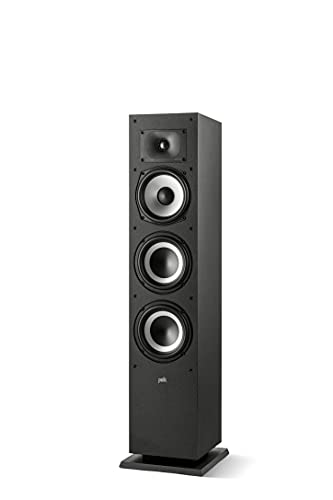
Polk Audio XT60
Home theater builders wanting an affordable Polk floorstanding tower that can anchor a timbre matched surround system without a subwoofer for moderate bass.
Read the Polk Audio XT60 review →
JBL Bar
A buyer who wants an affordable JBL soundbar with a wireless subwoofer for TV and music over Bluetooth.
Read the JBL Bar review →
Klipsch Three Plus Speaker
Buyers wanting a compact powered tabletop stereo speaker with turntable input and Bluetooth multi-room features without a separate amplifier.
Read the Klipsch Three Plus Speaker review →Questions Buyers Ask
Klipsch Synergy Label Sub-100 10”
See the current listing, price and included accessories.
About This Review
Mandrillis Team
The Mandrillis editorial team researches and compares audio and music gear using manufacturer documentation, verified specs and real buyer feedback, so you can make a confident purchase without wading through marketing claims.
Read our full research methodology.