Drums & Percussion Review
Latin Percussion LP1400NWP Inside Pedal Cajon Review
The Latin Percussion LP1400NWP Inside Pedal Cajon pairs a birch and poplar body with an internal DW 5000 series pedal, letting a solo player add foot-triggered bass tone to traditional hand technique. This review reads the published dimensions and materials to explain how the hybrid pedal mechanism changes cajon playing.
Our Verdict
Research Score 75/100The Latin Percussion LP1400NWP Inside Pedal Cajon is a genuinely clever hybrid: a traditional birch and poplar cajon body fitted with an internal DW 5000 series pedal, letting a solo player's foot trigger a bass tone while the hands continue standard tapa technique. The published dimensions, height, width and depth, and the named birch, poplar and sapele soundboard give this listing more concrete detail than many cajon products. What is missing is weight and finish information, which keeps the build score from reaching the very top. For a solo percussionist or singer-songwriter who wants a built-in bass drum feel without a separate pedal setup, this is a strong, well-reasoned lower mid-range purchase from a trusted cajon maker.
Editorial research score based on published specifications and documented features, not a customer rating or lab test.

Latin Percussion
Latin Percussion LP1400NWP Inside Pedal Cajon
Best for: Solo cajon players who want to add a foot-triggered bass drum style low end to traditional hand technique, using a built-in DW 5000 series pedal.
Skip it if: You want a simple, traditional cajon with no internal mechanism to maintain, or you need a published weight before buying.
Check Price on AmazonWe may earn a commission at no extra cost to you.
Listing verified: November 2026
Who Should Buy It
Buy it if
- Solo percussionists and singer-songwriters wanting hand and pedal technique in one box
- Cajon players curious about combining traditional tapa slaps with a foot-triggered beater
- Buyers who want a known DW 5000 pedal platform built into the cajon itself
- Players who want specific published dimensions to plan transport and seating
Skip it if
- You want a simple, traditional cajon without internal mechanisms
- You need weight and finish details confirmed before buying
- You do not want to learn pedal coordination alongside hand technique
Key Specifications
| Type | Cajon with an internal foot pedal mechanism, an LP original design, model LP1400NWP |
| Size | Height 17 1/2 inches, width 13 3/4 inches, depth 12 inches |
| Materials | Body in birch and poplar; soundboard in birch, poplar and sapele |
| Tuning | Not applicable in the lug sense; cajon tone is shaped by playing position and the internal pedal mechanism rather than head tension |
| Finish | Not published in listing |
| Weight | Not published in listing |
| Included accessories | A DW 5000 series cajon pedal, built into the body as the cajon's internal striking mechanism |
| Made in | Not published in listing |
| Skill level | Beginner to professional; the pedal mechanism adds a coordination skill beyond standard hand technique |
| Notes | This is an LP original design combining traditional cajon hand technique with an internal beater triggered by a DW 5000 series pedal, a hybrid approach bridging hand percussion and drum kit technique |
Overview
The Latin Percussion LP1400NWP Inside Pedal Cajon is described in the listing as an LP original design, combining a traditional cajon body with an internal DW 5000 series cajon pedal. Rather than relying solely on hand technique against the front tapa, this cajon lets a player's foot trigger a dedicated beater mechanism housed inside the box.
The listing names specific dimensions, a height of 17 1/2 inches, a width of 13 3/4 inches and a depth of 12 inches, along with the body material, birch and poplar, and the soundboard material, birch, poplar and sapele. That level of detail is more complete than many cajon listings offer.
This hybrid approach bridges hand percussion and drum kit technique in one instrument. The review below treats both halves of that combination seriously, covering traditional cajon playing alongside what the internal pedal mechanism adds and demands from a player.
Sound and Tone
The soundboard material, described as birch, poplar and sapele, sits at the heart of this cajon's tone. Birch and poplar are common, balanced cajon tonewoods, generally producing a clear, present slap tone, while sapele, a mahogany relative often used in guitar and drum building, tends to add warmth and a touch more low-end body to the mix.
The internal DW 5000 series pedal introduces a second, distinct sound source: a dedicated bass beater struck by foot, separate from the hand-played tapa surface. This lets a solo player produce a genuine low-end thump, closer to a bass drum hit, layered underneath traditional cajon slaps and bass tones played by hand.
Because the pedal and the tapa are struck independently, a skilled player can create rhythmic textures that would otherwise require two performers, one handling cajon and one handling a kick drum, which is the real tonal advantage this design offers over a standard cajon.
Build and Materials
A birch and poplar body gives this cajon a reasonably light yet sturdy frame, consistent with common cajon construction practices across many price tiers. The published dimensions, a 17 1/2 inch height, 13 3/4 inch width and 12 inch depth, describe a compact box suited to seated play rather than an oversized bass cajon.
The internal DW 5000 series pedal is the standout build feature, borrowing a recognized bass drum pedal platform and adapting it to strike a beater inside the cajon's body rather than a conventional bass drum head. This gives buyers a known quantity for the pedal mechanism itself, even though the listing does not describe exactly how it is mounted or adjusted inside the box.
Weight and finish are not published, which leaves two practical details unconfirmed. A cajon with an internal pedal mechanism will likely weigh more than a comparable plain cajon due to the added hardware, though this review cannot state an exact figure. Buyers planning to carry the instrument frequently should factor that likely weight increase into their expectations rather than assume it matches a standard cajon of the same outer dimensions.
Playability and Technique
Traditional cajon technique, striking the front tapa near the center for bass tones and near the edges for higher slap tones, remains fully available on this instrument, since the internal pedal mechanism supplements rather than replaces standard hand playing.
The added skill is coordinating a foot-triggered bass beater with ongoing hand technique, a genuinely new coordination challenge similar to what a drummer learns when first adding a hi-hat foot pattern under hand-played grooves. Players new to this combination should expect a real practice investment before the two feel integrated.
Because the pedal uses a DW 5000 series platform, players already familiar with that pedal's general feel from a standard drum kit may find the transition to using it inside a cajon more intuitive than starting from an unfamiliar mechanism entirely.
- Traditional tapa slap and bass technique by hand
- Foot-triggered internal bass beater via DW 5000 series pedal
- New coordination skill combining hand and foot technique
- Compact dimensions suited to seated solo performance
- Birch, poplar and sapele soundboard for tonal balance
Versatility and Styles
This cajon suits solo percussionists, singer-songwriters and small acoustic ensembles especially well, since the internal pedal lets one player cover both a traditional cajon part and a bass drum style low end simultaneously, a real advantage for performers without a full backing band.
It fits comfortably across folk, acoustic pop, flamenco-influenced and world percussion styles, anywhere a cajon's hand technique is already common, while adding a rhythmic option closer to a simplified drum kit's kick and snare interplay.
It is less essential for a player who always performs within a full band that already includes a drummer, since the added foot pedal's main value is filling the bass drum role a solo or duo performance would otherwise lack.
Portability and Care
Weight is not published, but the compact dimensions, under 18 inches in any direction, suggest this remains a reasonably portable cajon despite the added internal pedal hardware, well within the range typical for solo performance transport.
Care involves the usual cajon considerations, protecting the birch and poplar body from humidity swings and impact damage, plus an added layer of attention to the internal DW 5000 series pedal mechanism, checking its spring tension and beater alignment periodically since it is now a moving mechanical part housed inside the instrument.
Because the pedal is DW-sourced, players familiar with maintaining a standard DW 5000 pedal on a drum kit should find the maintenance routine familiar, even though it now operates inside a wooden cajon body rather than against an external bass drum head.
Setup and Daily Use
Setup involves seating on top of the cajon in the traditional playing position while positioning the feet to reach the internal pedal's trigger point, a slightly different posture consideration than a standard cajon since the player must balance hand reach to the tapa with foot access to the pedal mechanism.
Daily use rewards practicing the hand and foot parts separately before combining them, the same approach drummers use when learning a new limb independence pattern, gradually building up to playing both simultaneously with confidence.
Because the pedal uses a DW 5000 series platform, basic spring tension adjustment should be familiar to anyone who has set up a standard bass drum pedal before, even though the listing does not detail the exact adjustment process inside this specific cajon body.
Who Should Buy It
This cajon suits a solo performer or a small acoustic act who wants one instrument to cover both traditional cajon hand technique and a foot-triggered bass drum style low end, filling a role that would otherwise require a second player.
It also fits cajon players curious about expanding their technique with a reputable DW 5000 series pedal mechanism built directly into a quality birch, poplar and sapele instrument rather than needing to retrofit a separate pedal onto a standard cajon.
It is a weaker fit for a player who always performs in a full band with a dedicated drummer, or anyone who wants the simplicity of a standard cajon without an internal mechanism to learn and maintain. A player unsure which camp they fall into should try a standard cajon first before committing to the added complexity here.
Alternatives Worth Considering
A standard, non-pedal cajon from Latin Percussion's broader catalog offers the same general birch and poplar build approach without the internal mechanism, suiting a player who wants simplicity and lower long-term maintenance over added versatility.
Meinl and other major cajon makers offer their own pedal-cajon hybrids, often using their own branded pedal mechanisms rather than a DW-sourced one, which suits a buyer who wants to compare pedal feel and brand ecosystem before deciding.
A separate cajon plus an external cajon-specific pedal accessory, mounted onto a standard cajon from outside, is another route for a player who already owns a cajon and wants to add pedal capability without buying a new instrument outright.
Verdict
The Latin Percussion LP1400NWP Inside Pedal Cajon succeeds at a genuinely useful hybrid idea: a well-built birch, poplar and sapele cajon with a DW 5000 series pedal built directly into the body, letting one player cover both traditional hand technique and a foot-triggered bass tone.
The listing's published dimensions and named materials give buyers real detail to work with, though weight and finish remain unstated, a gap that keeps this review's score just short of the very top tier.
For a solo percussionist or singer-songwriter wanting this specific hybrid capability at a lower mid-range tier, this is a strong, well-considered purchase from a trusted name in cajon building.
Strengths and Limitations
Strengths
- LP original design combining traditional cajon hand technique with an internal foot pedal
- A DW 5000 series cajon pedal is built in, a recognized pedal platform
- Birch and poplar body with a birch, poplar and sapele soundboard
- Specific published dimensions for height, width and depth
- Lets a solo player add a bass drum style low end by foot while playing by hand
Limitations
- Weight and finish detail are not published in the listing
- Coordinating hand technique with the foot pedal requires a new skill to learn
- The internal pedal mechanism adds more to maintain than a standard tapa-only cajon
- No carrying bag or stand is mentioned as included
How We Scored It
Scores reflect published specifications, documented features and value against the alternatives below. They are editorial research scores, not laboratory measurements.
Alternatives to Consider
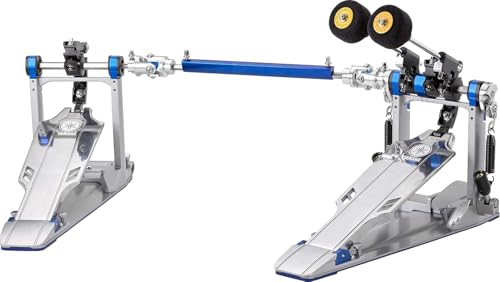
Yamaha Grade Direct Drive Double
Experienced drummers who want a fast, precise double pedal with every adjustment on hand and repeatable settings across kits.
Read the Yamaha Grade Direct Drive Double review →
Roland Mood Pan MN-10
Anyone who wants the sound of a handpan or tongue drum with the freedom to change scales, play quietly through headphones and record over USB.
Read the Roland Mood Pan MN-10 review →
Yamaha Total Percussion 285
A beginning percussion student who needs bells and a practice pad for school band in one portable package.
Read the Yamaha Total Percussion 285 review →Questions Buyers Ask
Latin Percussion LP1400NWP Inside Pedal Cajon
See the current listing, price and included accessories.
About This Review
Mandrillis Team
The Mandrillis editorial team researches and compares audio and music gear using manufacturer documentation, verified specs and real buyer feedback, so you can make a confident purchase without wading through marketing claims.
Read our full research methodology.