Drums & Percussion Review
Sombaty Darbuka Doumbek 21 Inch Review
The Sombaty Darbuka Doumbek 21 Inch is a 21 inch Egyptian-style hand drum with mother of pearl inlay, hand-painted designs and a published weight near 7.5 kilograms. This review reads the listing's detailed measurements closely, explains what darbuka technique the size suits, and notes where the shell material and origin are left unstated.
Our Verdict
Research Score 64/100The Sombaty Darbuka Doumbek 21 Inch stands out among hand percussion listings for how specifically it is measured: height, head diameter, bottom diameter, skin diameter and weight are all given, which is unusually complete for a drum at this price tier. The mother of pearl inlay and hand-painted Egyptian designs add genuine visual character, and the included bag is a practical bonus. What the listing leaves out, the shell material and the country of manufacture, keeps this review from awarding a top-tier score, in line with how unpublished-material instruments are scored generally. For a player drawn to a large, decorative, Sombaty-style darbuka with real measurements to plan around, this is a reasonable lower mid-range purchase.
Editorial research score based on published specifications and documented features, not a customer rating or lab test.

Sombaty
Sombaty Darbuka Doumbek 21 Inch
Best for: Players who want a large, resonant Sombaty-style darbuka with ornate mother of pearl inlay, a bag included, and clearly published measurements.
Skip it if: You want a lightweight darbuka for long under-arm playing sessions, or you need the shell material and manufacturing origin confirmed before buying.
Check Price on AmazonWe may earn a commission at no extra cost to you.
Listing verified: November 2026
Who Should Buy It
Buy it if
- Darbuka and Middle Eastern percussion players wanting a large, resonant Sombaty-style drum
- Buyers who value ornate, hand-painted and mother of pearl inlaid instruments
- Players who want precise published measurements to plan their setup
- Anyone who wants a carrying bag included rather than purchased separately
Skip it if
- You need a lightweight darbuka under about seven kilograms
- You need the shell material and manufacturing origin confirmed
- You want a tunable, lug-equipped darbuka rather than a fixed-tension drum
Key Specifications
| Type | Darbuka doumbek, Large Sombaty model, Egyptian-style hand drum |
| Size | 21 inches tall (52.5 cm); head diameter 12.4 inches (31.5 cm); bottom diameter 9.6 inches (24 cm); skin diameter 10 inches (25.4 cm), as stated in the listing |
| Materials | Not published beyond the mother of pearl inlay and hand-painted decoration; the shell metal or body material is not named |
| Tuning | Not applicable in the lug sense; no tuning hardware or lug system is mentioned in the listing |
| Finish | Hand-painted Egyptian designs with inlaid mother of pearl, described as giving an authentic, royal-style appearance |
| Weight | Approximately 7.5 kilograms, about 16.5 pounds, as stated in the listing |
| Included accessories | A carrying bag, described as included free with purchase in the listing title |
| Made in | Not published in listing; Egyptian styling is implied by the design but not confirmed as the country of manufacture |
| Skill level | Beginner to professional; darbuka technique spans from simple rhythms to advanced finger rolls and slap combinations |
| Notes | The listing's measurement bullet contains some inconsistent punctuation, but the figures themselves, weight and four separate diameters, are clearly stated and used as given in this review |
Overview
The Sombaty Darbuka Doumbek 21 Inch is an Egyptian-style hand drum, also called a tabla or doumbek depending on regional naming, sold with inlaid mother of pearl, hand-painted designs and a free carrying bag. Sombaty refers to a specific darbuka shape and sizing tradition rather than a brand, and this listing applies that name to its largest offered size.
What sets this listing apart from many hand percussion products is the level of measurement detail provided: a height of 21 inches, a head diameter of 12.4 inches, a bottom diameter of 9.6 inches, and a skin diameter of 10 inches, alongside a weight of approximately 7.5 kilograms.
This review works from those figures directly, treats the mother of pearl inlay and hand-painted decoration as confirmed features, and is explicit about what remains unstated, chiefly the shell material itself and the country where the drum is manufactured.
Sound and Tone
A Sombaty-style darbuka is traditionally associated with a deeper, more resonant tone than smaller darbuka sizes, owing to its larger body and wider head diameter. At 21 inches tall with a 12.4 inch head, this drum sits toward the larger end of the darbuka family, which generally supports a fuller low end alongside the bright slap tone darbukas are known for.
The skin diameter figure of 10 inches, distinct from the 12.4 inch head diameter also given, suggests the playing surface itself may be a slightly smaller stretched area within a wider rim, a detail the listing does not fully explain but which this review reports exactly as stated rather than guessing at the cause.
Darbuka tone depends heavily on the skin or head material and the shell's internal shape, neither of which is confirmed here. Buyers report that larger Sombaty-style drums generally reward a relaxed, open-handed technique that lets the lower body resonate fully, in contrast to the tighter, faster technique often used on smaller darbukas. That lower, rounder resonance is often what draws players toward the Sombaty shape specifically, rather than a smaller Turkish-style darbuka built for a brighter, sharper attack.
Build and Materials
The shell material is not named in the listing, an unusual gap given how specific the dimensional measurements are. Sombaty-style darbukas are commonly built in aluminum, copper or a cast metal alloy, but without a stated material here, this review cannot confirm which, if any, applies to this specific drum.
The mother of pearl inlay and hand-painted Egyptian designs are presented as the drum's signature visual features, described in the listing as granting an authentic, royal-style appearance. These are decorative rather than structural details, but they do speak to a level of finishing effort beyond a plain, unadorned darbuka shell.
At approximately 7.5 kilograms, this is a substantial drum for its category, heavier than many portable darbukas designed for extended one-handed or under-arm playing. That weight likely reflects the larger shell size and decorative inlay work rather than indicating anything about shell thickness or durability specifically. A buyer comparing this against a lighter, smaller darbuka should expect a genuine trade-off between portability and the fuller tone a larger shell tends to deliver.
Playability and Technique
Darbuka technique relies on a combination of deep bass tones struck in the center of the head, sharp slap tones near the rim, and fast finger rolls that require a responsive, well-tensioned playing surface. A larger Sombaty-style head, as this drum has, generally supports a wider dynamic range between those bass and slap tones.
The drum's weight and size suggest it is best played seated, with the body resting against the leg or held between the knees, rather than carried under one arm for an extended standing performance, a posture more common with lighter, smaller darbukas.
Because no tuning hardware is mentioned, this appears to be a fixed-tension drum rather than one with adjustable lugs. Darbukas of this traditional style are frequently built without external tuning mechanisms, relying instead on the head material's inherent tension, though this review cannot confirm that design choice beyond its absence from the listing.
- Larger Sombaty-style head for fuller bass tone
- Bright slap and roll technique suited to rim strikes
- Best played seated given the drum's weight
- No external tuning hardware mentioned
- Mother of pearl inlay for visual, not tonal, distinction
Versatility and Styles
A darbuka of this size and style is most at home in Middle Eastern, North African and broader Arabic musical traditions, where it typically serves as the primary rhythmic voice rather than a supporting percussion instrument, carrying complex patterns on its own.
It also finds use in world percussion ensembles, belly dance accompaniment and fusion settings where a distinctive, articulate hand drum tone is wanted alongside Western instrumentation, since its bright slap and rolling technique stand out clearly in a mix.
It is less suited as a general-purpose hand drum for styles built around djembe or conga technique specifically, since darbuka playing relies on a different hand position and strike vocabulary than those other hand percussion traditions.
Portability and Care
At approximately 7.5 kilograms and 21 inches tall, this is not the most travel-friendly darbuka available, though the included carrying bag, mentioned as free in the listing title, at least gives a dedicated way to transport and protect the drum between sessions.
Care for a darbuka with an unspecified shell material is harder to advise precisely, but general practice applies: avoid extreme temperature swings, keep the drum away from direct sun or damp storage, and handle the mother of pearl inlay carefully to avoid chipping the decorative surface.
Because no tuning hardware is confirmed, there is no lug mechanism to maintain, which simplifies care somewhat compared with a Western drum, though it also means the head's tension cannot be adjusted if it changes with humidity over time.
Setup and Daily Use
There is little assembly involved with this darbuka beyond removing it from its included bag and seating it comfortably, either between the knees or against one leg, in the traditional playing position associated with Sombaty-style drums of this size.
Daily use centers on building the bass, slap and roll vocabulary the instrument is known for, with the larger head here rewarding a relaxed touch that lets the drum's resonance develop rather than a rushed, overly tight playing style.
Because there is no tuning routine to perform, the main ongoing task is simply protecting the head and the decorative inlay from damage during storage and transport, using the included bag as the primary line of defense.
Who Should Buy It
This darbuka suits players already working within Middle Eastern or North African percussion traditions who want a large, resonant Sombaty-style voice with genuine decorative detail rather than a plain, utilitarian drum.
It also fits buyers who specifically value having precise published measurements, since the listing's height, diameter and weight figures make this one of the more transparently specified hand drums in its category despite the missing material name.
It is a weaker fit for someone who wants the lightest possible darbuka for travel, or a buyer who needs the shell material and manufacturing origin confirmed in writing before making a purchase decision. A player who travels frequently between venues on foot or by public transport may find the combination of size and weight here a genuine daily inconvenience worth weighing before ordering.
Alternatives Worth Considering
A smaller darbuka, in the 18 to 20 inch range common among other Egyptian and Turkish-style drums, trades some of this drum's bass depth for a lighter build better suited to standing, under-arm performance technique.
Metal-shell darbukas from more widely documented makers, where the alloy and manufacturing origin are explicitly stated, suit a buyer who prioritizes full technical transparency over decorative inlay work.
A doumbek built with a synthetic, weather-resistant head rather than a traditional skin suits a player who performs in varied climates and wants to avoid the tension shifts that can come with humidity-sensitive materials.
Verdict
The Sombaty Darbuka Doumbek 21 Inch pairs genuinely detailed measurements, height, three separate diameters and a stated weight, with decorative mother of pearl inlay and hand-painted Egyptian designs, giving buyers more to work with than many hand percussion listings at this tier.
The shell material and manufacturing origin remain unstated, which is the clearest gap in an otherwise unusually specific listing, and this review's score reflects that honestly rather than assuming a premium alloy.
For a player seeking a large, decorative Sombaty-style darbuka with real numbers to plan a setup around, this is a solid lower mid-range choice. Buyers prioritizing light weight or full material transparency should compare against a more thoroughly documented alternative first.
Strengths and Limitations
Strengths
- Detailed published measurements: height, head diameter, bottom diameter and skin diameter are all stated
- Weight is published at approximately 7.5 kilograms
- Mother of pearl inlay and hand-painted Egyptian designs for a distinctive look
- A carrying bag is included free with purchase according to the listing
- A larger 21 inch size suited to a fuller, more resonant tone than smaller darbukas
Limitations
- Shell material is not named beyond the decorative mother of pearl inlay
- No tuning hardware or lug system is mentioned, so pitch adjustment options are unclear
- Country of manufacture is not stated in the listing
- A 7.5 kilogram build is heavier than some darbukas built for long under-arm sessions
How We Scored It
Scores reflect published specifications, documented features and value against the alternatives below. They are editorial research scores, not laboratory measurements.
Alternatives to Consider
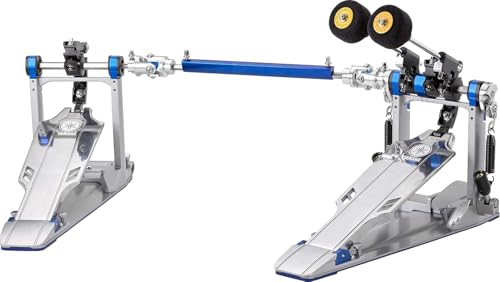
Yamaha Grade Direct Drive Double
Experienced drummers who want a fast, precise double pedal with every adjustment on hand and repeatable settings across kits.
Read the Yamaha Grade Direct Drive Double review →
Roland Mood Pan MN-10
Anyone who wants the sound of a handpan or tongue drum with the freedom to change scales, play quietly through headphones and record over USB.
Read the Roland Mood Pan MN-10 review →
Yamaha Total Percussion 285
A beginning percussion student who needs bells and a practice pad for school band in one portable package.
Read the Yamaha Total Percussion 285 review →Questions Buyers Ask
Sombaty Darbuka Doumbek 21 Inch
See the current listing, price and included accessories.
About This Review
Mandrillis Team
The Mandrillis editorial team researches and compares audio and music gear using manufacturer documentation, verified specs and real buyer feedback, so you can make a confident purchase without wading through marketing claims.
Read our full research methodology.