
Guides
How to Reduce Digital Piano Key Noise in an Apartment (Tips)
Headphones keep the piano sound private, but the thump of keys and pedals can still travel through floors and walls. This guide explains where key noise comes from, why it reaches neighbors below, and the practical steps that cut it most, from isolation mats and stable stands to placement and playing habits.
Quick Answer
To reduce digital piano key noise in an apartment, put the piano on a stable stand with rubber feet, place a thick isolation mat or rug under the stand and pedal, and keep the piano away from shared walls. Headphones handle the sound, but vibration from keys and pedals travels through the floor, so isolation matters most.
How this guide was put together
This guide is based on manufacturer manuals, published specifications and widely used audio reference standards. Mandrillis does not run hands-on tests for these guides, so treat figures as typical values and check the manual for your own gear before changing settings.
Where Key Noise Comes From
Even with the volume off, a digital piano makes noise. Keys knock as they hit the bottom of their travel and as they spring back up.
The bigger problem is vibration. Each key press sends a small thump through the stand and into the floor, where it can spread to the apartment below.
- Airborne noise: the click and clack you hear in the room.
- Structure borne noise: thumps that travel through the floor and walls.
- Pedal noise: the pedal tapping against the floor.
- Stand rattle: loose joints that buzz with each note.
Why Neighbors Below Hear It Most
Floors act like a drum skin. Low thumps from keys and pedals travel through joists and come out as dull knocks in the room below.
Neighbors beside you usually hear less, unless the piano sits against a shared wall. That is why floor isolation is the first thing to fix.
Noise Fixes Compared
Which fixes help most, and what each one targets.
| Fix | Targets | Typical effect |
|---|---|---|
| Isolation mat or thick rug | Floor vibration | Large reduction for neighbors below |
| Rubber feet or pads on the stand | Floor vibration | Moderate to large reduction |
| Sturdy, tight stand | Rattle and thumps | Moderate reduction |
| Moving away from shared walls | Wall vibration | Moderate reduction for side neighbors |
| Lighter playing at night | All key noise | Small to moderate reduction |
Step 1: Use a Stable Stand
A wobbly X stand shakes with every note and passes more vibration into the floor. A sturdy furniture style stand or a well braced Z stand holds the piano steady.
Tighten every bolt and check for rattles. A stand that does not move when you play also feels better under your hands.
Step 2: Add Isolation Under the Stand
Soft, dense material between the stand and the floor absorbs much of the thump before it reaches the building structure.
Good Isolation Options
Several layers often work better than one. Dense rubber under a soft rug is a common setup.
- Rubber isolation pads under each stand foot.
- A dense rubber or cork mat about half an inch thick.
- A thick rug with a dense rug pad underneath.
- Anti vibration pads made for washing machines, which are firm and dense.
A Simple Layered Platform
Some players build a small platform. A sheet of plywood sits on rubber pads or a rubber mat, and the piano and bench sit on top.
This spreads the load and separates the setup from the floor. Make sure the platform is stable and does not create a tripping hazard.
Step 3: Quiet the Pedal
Sustain pedals tap the floor every time you press and release them. That small knock travels well through hard floors.
Place the pedal on a rubber mat or a thick piece of carpet. A heavier piano style pedal also moves less and makes a softer sound than a small box pedal.
Step 5: Use Closed Back Headphones
Headphones keep the piano sound private. Closed back headphones leak less sound than open back models, so people in your room hear less too.
Choose comfortable headphones you can wear for long practice sessions. Keep the volume moderate to protect your hearing.
Step 6: Adjust Your Playing Habits
Players who strike keys hard to the bottom make more noise. Learning to play with controlled force is good technique and also quieter.
Your piano's touch setting can help. A lighter touch response lets you reach full volume with less force.
- Try the light touch setting for late practice.
- Avoid stamping the pedal down.
- Keep wrists relaxed and fingers close to the keys.
- Practice loud passages earlier in the day.
Step 7: Talk to Your Neighbors
A short, friendly chat goes a long way. Ask whether they hear anything and at what times it bothers them most.
Agreeing on practice hours, such as nothing after 9 PM, often solves the issue better than any mat. Also check your lease or building rules for quiet hours.
Choosing a Quieter Piano
Key action noise varies between models. Some actions are quieter, and stands built for the piano are often more stable than generic ones.
If you can, try pianos in a store with the volume off and listen to the keys. Pay attention to the thump at the bottom of each key press.
Safety Notes
Make sure any mat or platform keeps the piano level and stable. A piano that tips can injure someone and damage the instrument.
Keep cables tidy and taped down where people walk, and do not stack pads so high that the stand can slide off them.
How to Check If Your Fixes Work
Ask a friend or family member to stand in the room below, or in the hallway, while you play a loud passage with the volume off. Then add one fix at a time and repeat the same passage.
If you live alone, place a phone recording on the floor a few feet from the stand. Compare recordings before and after each change. The thumps should sound softer and shorter as you add isolation.
- Play the same passage each time.
- Change only one thing between checks.
- Listen for both clicks and low thumps.
- Keep notes on what helped most.
What Usually Does Not Help Much
Thin yoga mats, felt pads and soft foam often squash flat under the weight of the piano and player. They reduce scraping sounds but do little for low thumps.
Foam panels on walls also do little for key noise, because the problem travels through the floor rather than the air. Spend effort on dense isolation under the stand first.
The Bottom Line
Headphones handle the sound, but key and pedal thumps travel through the floor. A stable stand, rubber feet and a dense mat or rug make the biggest difference.
Move the piano off shared walls, quiet the pedal and agree on practice hours with neighbors.
Apartment Friendly Pianos From Our Reviews
Compact digital pianos with headphone jacks that suit small apartments.
Roland FP-10
Mentioned
Who Should Buy It
- Touch is your first priority and you will practice mostly on headphones
- You want wireless app connection for lessons
- You plan to keep the piano for years as a controller even after upgrading
Skip It If
- You want to perform through a PA from a dedicated output
- You layer sounds with heavy pedal and need more polyphony
- You want Bluetooth audio for play-along tracks
We may earn a commission at no extra cost to you.
Last verified: October 2026
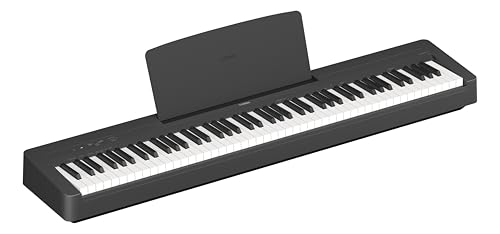
Yamaha P-145
Mentioned
Who Should Buy It
- You are buying a first piano and want the newest entry-level Yamaha
- Space is tight and you need a shallow, light instrument
- You practice with play-along tracks from a phone
Skip It If
- You already play intermediate repertoire with heavy pedaling
- You need line outs for stage or recording use
- You want more than ten sounds
We may earn a commission at no extra cost to you.
Last verified: October 2026

Casio CDP-S160
Mentioned
Who Should Buy It
- You need to carry the piano regularly or store it upright
- You want battery operation for busking, school or outdoor use
- A first piano on a tight budget with a real hammer action
Skip It If
- You play pedal-heavy pieces that need more than 64 notes
- You want Bluetooth or app control over a wireless link
- You need quarter-inch outputs for a PA
We may earn a commission at no extra cost to you.
Last verified: October 2026
Keep Reading
Related guides and picks on Mandrillis:
- Best Closed Back Headphones : private practice with low leakage
- Best Digital Pianos for Beginners : compact pianos for small spaces
- Weighted vs Semi Weighted Keys for Beginners : how key action feels and sounds
FAQs
About This Guide
Mandrillis Team
The Mandrillis editorial team researches and compares audio and music gear using manufacturer documentation, verified specs and real buyer feedback, so you can make a confident purchase without wading through marketing claims.
Read our full research methodology.