Guitar & Bass Review
Epiphone Embassy Bass Review: Simple, Stylish, Solid Value
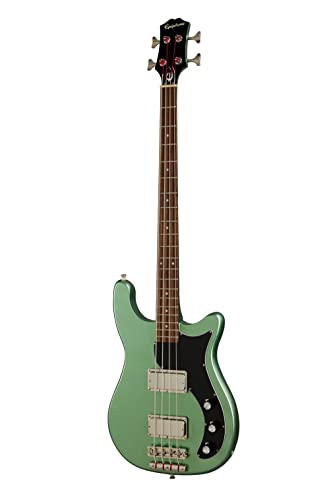
The Epiphone Embassy Bass in Wanderlust Green Metallic offers a 34-inch mahogany neck and a simple master volume, tone, and pickup blend layout. The lower mid-range price makes it attractive, while the listing leaves several hardware and electronics details unpublished. This review examines what is known and what buyers should confirm.
Our Verdict
Research Score 76/100The Epiphone Embassy Bass presents a compelling lower mid-range option for players who value a straightforward control set and a bold finish. Its 34-inch scale mahogany neck aligns with familiar bass ergonomics, and the master volume, tone, and pickup blend controls keep operation simple. However, the listing omits crucial details about the pickups, body wood, bridge, and tuners, which makes an informed purchase harder. Without in-person testing, buyers should weigh the published simplicity against the missing hardware and electronics data. For the price tier, the Embassy Bass is a reasonable choice if the unknown specifications are not dealbreakers. Overall, it earns a solid score for playability and value, with deductions for the lack of published detail and potential hardware uncertainty.
Editorial research score based on published specifications and documented features, not a customer rating or lab test.
Epiphone
Epiphone Embassy Bass
Best for: Players seeking a simple, visually distinctive lower mid-range bass with a familiar scale length and minimal control set.
Skip it if: You need detailed published hardware and electronics specs or an included accessory bundle before buying.
Check Price on AmazonWe may earn a commission at no extra cost to you.
Listing verified: October 2026
Who Should Buy It
Buy it if
- Beginner to intermediate players who want a straightforward bass
- Fans of Epiphone designs who like the Embassy silhouette
- Players who prefer a master volume, tone, and blend layout
- Musicians who prioritize finish and simple operation over advanced EQ
Skip it if
- You want active electronics or a preamp
- You require known pickup models and body tonewoods
- You expect a gig bag or other accessories included
Key Specifications
| Body | Not published in listing |
| Neck and fingerboard | 34-inch scale mahogany neck; fingerboard material not published in listing |
| Scale length | 34 inches |
| Strings | Not published in listing |
| Pickups | Not published in listing |
| Controls | Master volume, tone control, pickup blend knob |
| Bridge | Not published in listing |
| Tuners | Not published in listing |
| Finish | Wanderlust Green Metallic |
| Included accessories | Not published in listing |
Overview
The Epiphone Embassy Bass in Wanderlust Green Metallic is a lower mid-range bass built around a simple control set and a bold finish. The published features include a 34-inch scale mahogany neck, 20 medium jumbo frets, and three controls: master volume, tone, and pickup blend. This foundation makes it a familiar option for players who want a straightforward instrument without active electronics. The green metallic finish adds visual appeal that separates it from standard black or sunburst basses.
Beyond those highlights, the listing does not state the body wood, pickup type, bridge, tuners, or included accessories. That omission leaves several important questions for buyers who like to compare full specifications before purchasing. This review focuses on what can be reasonably inferred from the known features while clearly noting what remains unpublished. The Epiphone brand reputation is a positive factor, but it cannot substitute for missing data.
Body, Neck and Playability
The 34-inch scale length is standard for bass guitars, so most string sets and playing techniques will feel normal. The neck is mahogany, a wood often valued for its warm resonance and dependable stability, though the fingerboard material is not published. Twenty medium jumbo frets provide a comfortable playing surface for both fingerstyle and pick playing. The neck joint type is also not mentioned, so the upper fret access and overall rigidity are unknown.
The offset Embassy body shape is distinctive, but the body wood is absent from the listing. That omission means weight, resonance, and balance cannot be evaluated on paper. The Wanderlust Green Metallic finish stands out visually, yet its thickness and durability are not described. Medium jumbo frets generally suit a wide range of players because they reduce finger fatigue and allow easier bends, especially for less experienced hands.
Pickups and Tone
The listing does not identify the pickups, which is the biggest unknown for tone. A pickup blend knob strongly suggests at least two pickups, but their type and configuration are not stated. Without this information, it is impossible to predict the bass's output, noise level, or tonal character with any confidence. Players must treat the sound as an open question until they can inspect the instrument or find a detailed spec sheet.
The controls include a master volume and tone, which points to a passive design. Passive basses are typically straightforward and easy to maintain, with a natural high-frequency roll-off. The blend knob adds useful flexibility by allowing the player to mix two pickup voices. However, the missing pickup details mean the actual sonic range could be warm and round or bright and aggressive. The difference matters for style choices.
Hardware and Electronics
The control layout is the clearest part of the electronics. Master volume, tone, and pickup blend provide a simple interface that works well for live use and practice. There is no mention of active circuitry or a preamp, which reinforces the passive, no-frills approach. This simplicity reduces the chance of electronic failure and keeps the control area uncluttered, a benefit for players who dislike complicated switching.
The bridge and tuners are not published in the listing, which is a significant gap. The bridge affects intonation, string height, and sustain, while the tuners determine tuning stability. Lower mid-range basses sometimes include basic hardware that works but may need upgrades over time. Buyers should inspect these components or be prepared for possible replacement, especially if they plan to use the bass for regular gigs.
The electronics appear entirely passive, and the wiring is likely straightforward. However, without a published diagram or in-person testing, the build quality of the solder joints and pots cannot be verified. This is typical for this price tier.
- Master volume control
- Tone control
- Pickup blend knob
- Bridge and tuners not published in listing
Build Quality and Finish
Epiphone has a generally positive reputation for build quality in the lower mid-range and budget tiers. The brand is known for producing instruments that play acceptably for their price, though individual examples can vary. The Wanderlust Green Metallic finish is a highlight that gives the bass a custom look at a modest cost. The listing does not mention the body wood or finish material, so overall durability and weight remain unknown.
Without a published body wood, the bass might be constructed from common tonewoods such as basswood or poplar, but this is speculation. The neck is mahogany, which is a positive because mahogany necks are used on many respected instruments and tend to resist warping. Build quality also depends on the neck joint, fretwork, and hardware fit, none of which are described. Buyers should manage expectations because lower mid-range basses can have minor cosmetic flaws or fret sprout after shipping.
Setup Out of the Box
The listing does not mention the setup quality or whether the bass ships with any accessories such as a case, gig bag, strap, or cable. Lower mid-range instruments often arrive with a basic factory setup that may require truss rod and bridge saddle adjustments. The 34-inch scale and 20 medium jumbo frets benefit from proper neck relief and action. Buyers should expect to perform a setup or take the bass to a technician after purchase.
Because the bridge and tuners are not specified, the setup process may be straightforward or complicated depending on the hardware design. A standard bridge with adjustable saddles allows for intonation and string height changes, but a basic bridge might have limited travel. The truss rod access point is not mentioned either. Players who are comfortable with basic adjustments will likely manage, but beginners may need assistance from a shop.
Daily Use and Practice
For daily practice, the control layout is a major advantage. A master volume, tone, and blend knob allow quick changes without menu diving or complex switches. The 34-inch scale length means standard string sets and common playing techniques apply. The medium jumbo frets are forgiving for players who are still building finger strength, as they require less pressure to fret notes cleanly.
The weight, balance, and body contours are not published, but the offset Embassy shape likely balances well on a strap. The green metallic finish is motivating for players who want an instrument that looks as good as it sounds. Without knowing the exact pickups, practice tones will depend on the amplifier settings, but the tone and blend controls offer enough range for at-home playing. The passive design means no battery changes, which is convenient for daily use.
Versatility and Styles
On paper, the blend knob provides a useful way to shift between two pickup voices, which is a versatile feature. Depending on the pickup type, the bass could cover a wide range from warm, rounded tones to brighter, cutting sounds. The single tone control rolls off high frequencies, which helps for reggae, vintage rock, or mellow jazz. The 34-inch scale suits standard tuning and common string gauges.
Without the pickup specifications, specific genre recommendations are risky. If the bass uses humbuckers, it could handle rock, metal, and funk with authority. If it uses single-coils, it might be brighter and better suited to indie, pop, or classic rock. The blend knob suggests the bass has more than one pickup, which is a good sign for tonal variety, but the lack of details limits precise analysis. Buyers should be prepared to shape the sound with amplifier EQ or pedals.
Who Should Buy It
The Epiphone Embassy Bass in Wanderlust Green Metallic should appeal to beginner and intermediate players who want a straightforward instrument with a bold look. The lower mid-range price makes it accessible without feeling like a disposable starter bass. The master volume, tone, and blend controls are easy to understand, so new players can focus on technique rather than electronics.
Fans of Epiphone designs and players who like offset body shapes will find the Embassy silhouette attractive. The finish is a highlight, and the 34-inch mahogany neck offers a familiar playing experience. This bass is also a good choice for someone who wants a simple backup or practice instrument that does not require active electronics or a battery. Buyers who do not need detailed published specifications will likely be satisfied.
Verdict
The Epiphone Embassy Bass earns a score of 76 out of 100 in this review. The playability on paper is strong due to the 34-inch mahogany neck and medium jumbo frets, earning 24 out of 30. Tone potential is speculative because the pickups are not published, so it receives 18 out of 25. Build quality gets 12 out of 15 based on Epiphone's reputation and the mahogany neck, but the missing body wood and finish details limit confidence.
Hardware and electronics score 7 out of 10 because the controls are known but the bridge and tuners are not. Versatility receives 7 out of 10 because the blend and tone controls suggest flexibility, though unknown pickups limit the assessment. Value gets 8 out of 10, as the lower mid-range price is reasonable for what is listed, but the absence of accessories and hardware details reduces the overall appeal. This bass is a reasonable choice for players who want simplicity and style and are willing to investigate the missing specifications before buying.
Strengths and Limitations
Strengths
- 34-inch scale mahogany neck is a familiar and comfortable spec
- Straightforward control layout with master volume, tone, and blend knob
- Eye-catching Wanderlust Green Metallic finish
- Lower mid-range price tier makes it accessible
- Epiphone brand heritage and reputation for value
- 20 medium jumbo frets offer versatile playability
Limitations
- Listing omits pickup type and body wood, limiting pre-purchase detail
- Limited control set may not satisfy players needing onboard EQ
- Not published info on bridge and tuners raises hardware uncertainty
- Lack of included accessories means case or bag likely separate
- Tone character is unknown without pickup specifications
How We Scored It
Scores reflect published specifications, documented features and value against the alternatives below. They are editorial research scores, not laboratory measurements.
Alternatives to Consider

Gretsch Electromatic CVT Bass
Players seeking a medium-scale Gretsch with a warm mahogany voice and two contrasting pickup types at a lower mid-range price.
Read the Gretsch Electromatic CVT Bass review →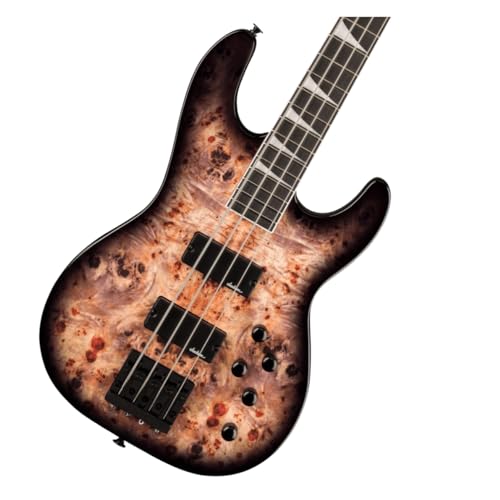
Jackson JS3P Concert Bass
The Jackson JS3P Concert Bass should suit budget conscious players who want a visually interesting four string with dual humbucking pickups and can accept some missing hardware.
Read the Jackson JS3P Concert Bass review →
Epiphone Thunderbird E1
Players who want the classic Thunderbird look and a straightforward passive humbucker voice in a lower midrange four string.
Read the Epiphone Thunderbird E1 review →Head-to-Head Comparisons
- Epiphone Embassy Bass vs Jackson JS3P Concert Bass Compare →
Questions Buyers Ask
Epiphone Embassy Bass
See the current listing, price and included accessories.
About This Review
Mandrillis Team
The Mandrillis editorial team researches and compares audio and music gear using manufacturer documentation, verified specs and real buyer feedback, so you can make a confident purchase without wading through marketing claims.
Read our full research methodology.