Guitar & Bass Review
Fender Pro Junior IV Review: Simple Tweed, Gradual Breakup
The Fender Pro Junior IV is a mid range 15 watt combo with a Jensen P10R speaker, a modified volume circuit, and lacquered tweed styling. The listing omits weight, dimensions, and connectivity details, so the review focuses on the published core features.
Our Verdict
Research Score 76/100The Fender Pro Junior IV is a focused amplifier for players who want a simple, low-wattage combo with classic tweed looks and a touch-sensitive volume response. The published specs include 15 watts, a Jensen P10R speaker, and a modified volume circuit for gradual breakup. The listing omits critical details such as weight, dimensions, inputs, and outputs, which makes a full recommendation difficult. It has no built-in effects, headphone output, or Bluetooth. For guitarists who already own pedals and do not need silent practice, this amp offers an appealing platform. However, buyers should verify the missing specifications before purchase. The score of 76 reflects strong tone potential and build aesthetics, offset by incomplete connectivity information and a minimal feature set.
Editorial research score based on published specifications and documented features, not a customer rating or lab test.
Fender
Fender Pro Junior IV
Best for: Players who want a straightforward low-wattage tube-style combo with a classic American look for home, studio or small gigs.
Skip it if: Avoid this if you need built-in effects, headphone practice, or detailed published connectivity and weight specifications.
Check Price on AmazonWe may earn a commission at no extra cost to you.
Listing verified: October 2026
Who Should Buy It
Buy it if
- Fender tweed enthusiasts
- Recording guitarists who mic small combos
- Players wanting gradual volume-driven breakup
- Those who prefer a simple single-channel amp
Skip it if
- You rely on built-in reverb or delay
- You need silent headphone practice
- You require a amp to stay clean at loud band volumes without a PA
Key Specifications
| Power output | 15 Watts |
| Speaker | Jensen 10" P10R speaker |
| Amp models or channels | Not published in listing |
| Effects | Not published in listing |
| Inputs and outputs | Not published in listing |
| Headphone and line out | Not published in listing |
| Bluetooth and app | Not published in listing |
| Weight | Not published in listing |
| Dimensions | Not published in listing |
| Included accessories | Not published in listing |
Overview
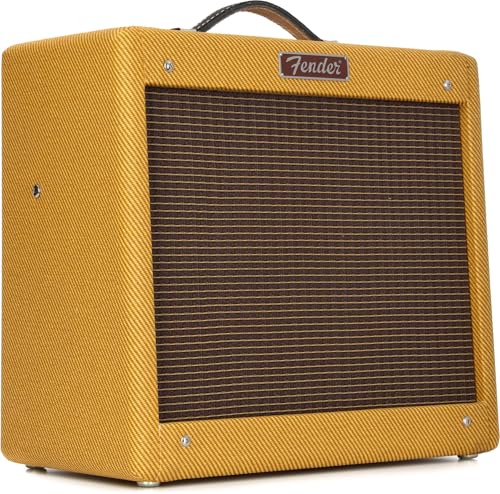
The Fender Pro Junior IV is a mid-range guitar amplifier listed with 15 watts of output, a Jensen 10-inch P10R speaker, and a modified volume circuit that is described as providing more gradual breakup and tighter bass when overdriven. The lacquered tweed covering, vintage-style 50s grille cloth, and leather handle give it a classic stage look. These specifications come directly from the product listing, not from in-person testing.
Several important specifications are not published in the listing, including weight, dimensions, inputs, outputs, headphone capability, Bluetooth, and any included accessories. This makes a complete assessment difficult, but the data that is available points to a straightforward, low-wattage combo aimed at players who value simplicity. The absence of published connectivity details is a notable gap for buyers who need more flexibility.
Because this is an editorial research review, the analysis below is based on the published data and general industry knowledge about similar amplifiers. It does not claim in-person testing or measured performance. Readers should treat the listed specifications as the primary source and verify any missing details before purchase.
Amp Models and Tone
The listing does not publish any amp models or channel options. This suggests the Pro Junior IV is a single-channel amplifier without digital modeling, which is typical for this Fender line. Players who want a clean pedal platform or a simple edge-of-breakup voice will likely find the lack of options refreshing, while those who expect multiple voicings may need to look elsewhere.
The modified volume circuit is the main tone-shaping feature mentioned. According to the listing, it provides more gradual breakup and tighter bass response when overdriven. On paper, this means the transition from clean to overdrive should be smoother, making it easier to control gain with the guitar's volume knob or picking dynamics.
The Jensen P10R speaker is a notable component. This 10-inch driver is widely associated with a clear, vocal midrange and a vintage American voice, though the listing does not provide frequency response or sensitivity data. Combined with the 15-watt power rating, the amp should produce a focused, articulate sound that suits blues, classic rock, and country styles, based on general knowledge of similar speakers.
Effects and Features
The published feature list includes no built-in effects such as reverb, delay, chorus, or tremolo. This is a deliberately stripped-down amplifier. Guitarists who rely on onboard effects will need to use external pedals or outboard processing, which may be acceptable for those who prefer a pure amp tone.
There is also no published effects loop, no channel switching, and no digital modeling. The only functional feature described beyond the basic amplification is the volume circuit modification. This minimal approach can be an advantage for players who want a simple, no-menu-diving experience, but it reduces versatility for anyone who expects modern convenience.
The amplifier's simplicity may appeal to traditionalists who set their core tone at the amp and add effects in front. However, the lack of an effects loop means time-based effects like delay and reverb will run into the front end, which can sound less clean when the amp is overdriven. This is a common trade-off for single-channel vintage-style amps.
Power, Speaker and Volume
The published power output is 15 watts. This places the Pro Junior IV in the low-wattage category, suitable for home practice, recording, and small gigs with microphone support. The listing does not state whether the output is tube or solid-state, but the product line is generally known for tube amplification; however, we will not assume unlisted details as fact.
The 10-inch Jensen P10R speaker is the sole driver mentioned. Without a sensitivity specification, it is impossible to estimate actual loudness in decibels. In general, a 15-watt amp through a 10-inch speaker can produce enough volume for bedroom playing and close-miked recording, but it may struggle to stay clean against a loud drummer in a rehearsal space.
- 15 watts of published power output
- Jensen 10-inch P10R speaker
- Modified volume circuit for gradual breakup
- Tighter bass when overdriven
Build and Portability
The lacquered tweed covering and vintage-style 50s grille cloth give the amplifier a premium, classic appearance. The leather handle is a nice touch that suggests attention to detail. However, the listing does not publish weight or dimensions, so we cannot confirm how portable the amp actually is. On paper, a small 10-inch combo is usually easy to carry, but without numbers, that remains an assumption.
Fender's 2-year warranty is mentioned in the listing title, which provides some peace of mind for buyers concerned about long-term reliability. The build materials listed are cosmetic, not structural, so we cannot comment on cabinet thickness or chassis quality. The use of lacquered tweed generally implies a higher level of finish than standard vinyl coverings.
For players who plan to travel with the amp, the lack of published weight is a real drawback. You may need to check the manufacturer's website or a local dealer for exact specifications. The listed design elements suggest a sturdy and attractive combo, but portability cannot be fully assessed from the data provided.
Connectivity and Apps
The listing does not publish any inputs, outputs, headphone jacks, line outs, or effects loop connections. This is a significant omission because connectivity determines how the amp fits into a modern recording or practice setup. Without this information, we cannot confirm whether the amp offers an extension speaker output or a direct recording output.
There is no mention of Bluetooth or app support. This is expected for a traditional amplifier like the Pro Junior IV, which appears to focus on analog simplicity. Players who want wireless streaming, preset editing, or remote control will not find those features here, at least not in the published data.
The absence of a headphone output, if confirmed, would make silent practice challenging. Some players use an external load box or attenuator with a line out, but the listing does not state compatibility with such devices. Buyers who need quiet practice should investigate the full spec sheet elsewhere.
Setup and Daily Use
Very little detail is published about the control layout. A modified volume circuit is mentioned, but there is no published information about tone controls, gain controls, or other knobs. This makes it impossible to describe the exact setup process. Based on similar amps in the category, daily use is likely as simple as plugging in, setting volume, and playing, but we cannot confirm any EQ options.
The focus on a gradual breakup volume circuit suggests that the amp is designed to respond well to the guitar's volume knob. Players who like to ride the edge of breakup may find this amp rewarding, but that is an inference from the published description, not a in-person observation.
Without published power requirements or standby switch details, operational details remain vague. However, standard amplifier care applies: allow tubes to warm up if applicable, and avoid blocking rear ventilation. The listing does not state whether the amp includes a cover or footswitch, so those accessories are not confirmed.
Home Practice Versus Stage
At 15 watts, the Pro Junior IV is likely best suited to home practice, recording, and small-venue gigs where the amp can be miked. The 10-inch speaker will produce a focused sound at low to moderate volumes. Without a published speaker sensitivity rating, it is hard to predict clean headroom, but low-wattage amps generally begin to compress at reasonable levels.
For stage use, a 15-watt combo can work in a quiet band or with a PA system. However, against a loud drummer or in a large room without reinforcement, it may not remain clean. The modified volume circuit may help players push the amp into overdrive at more usable stage volumes, but this is speculative.
The lack of a headphone out or line out, as far as the listing shows, limits silent practice and direct recording options. For home players in apartments, this could be a drawback unless an external attenuator is used. The amp's character seems aimed at players who can make some noise.
Who Should Buy It
The Fender Pro Junior IV should appeal to guitarists who value a simple, no-frills amplifier with a classic tweed look and a focus on core tone. If you already own pedals and prefer to shape your sound with them, this amp provides a clean slate. The 15-watt output and 10-inch speaker are practical for home and studio use.
Players who want an amp that breaks up gradually as they turn up will likely enjoy the described volume circuit modification. Blues, roots, and classic rock players who ride the guitar's volume knob often prefer this type of response. The Jensen P10R speaker is another draw for those who like a familiar American voice.
This is not the best choice for those who need built-in effects, headphone practice, Bluetooth, or extensive connectivity. The missing specs are a caution, so buyers should verify weight and inputs before committing. For the right user, however, the core offering is appealing.
Verdict
The Fender Pro Junior IV is a focused, single-purpose amplifier. The published specifications highlight a 15-watt output, a Jensen P10R speaker, a modified volume circuit for gradual breakup, and classic lacquered tweed cosmetics. These features suggest an amp that prioritizes touch-sensitive dynamics and vintage tone over digital versatility.
The significant gaps in the listing, including weight, dimensions, inputs, outputs, and effects, make it difficult to give a complete recommendation without further research. The absence of a headphone out and built-in effects will deter some buyers. However, the amp's intended audience likely values simplicity over feature count.
On balance, the Fender Pro Junior IV earns a score of 76 out of 100 based on the published data and general knowledge of comparable amps. Its tone potential and build aesthetics are strong, but the incomplete connectivity details and minimal feature set hold it back. If you value straightforward tube-style tone and can accept the unknown specs, this amp warrants consideration.
Strengths and Limitations
Strengths
- Published 15-watt output suits home and studio use
- Jensen P10R speaker is a familiar vintage voice
- Modified volume circuit aims for gradual breakup
- Classic lacquered tweed and 50s grille cloth look
- Simple single-purpose design without menu diving
- 2-year warranty mentioned in listing title
Limitations
- Weight and dimensions are not published
- No built-in effects or reverb
- No headphone out or line out listed
- Single channel may limit clean and dirty switching
- Mid-range price without full connectivity details
How We Scored It
Scores reflect published specifications, documented features and value against the alternatives below. They are editorial research scores, not laboratory measurements.
Alternatives to Consider

Vox VT100X
Guitarists who want a hybrid tube-solid state modeling combo with stage-capable volume and home practice features.
Read the Vox VT100X review →
Bugera V22
Players seeking a straightforward vintage voiced 22 watt tube combo for home practice and small venues without digital complexity.
Read the Bugera V22 review →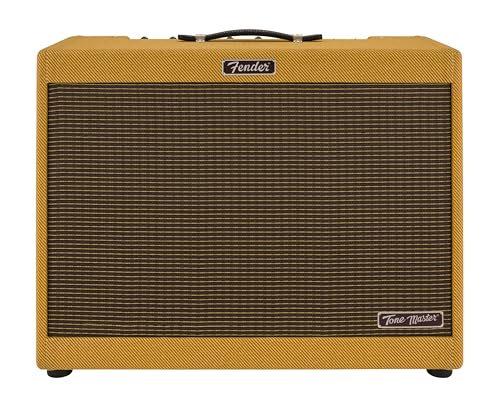
Fender Tone Master FR-12
Best for players who already use a modeler or amp simulator and need a powered full range flat response cabinet in a mid range price tier.
Read the Fender Tone Master FR-12 review →Head-to-Head Comparisons
- Vox VT100X vs Fender Pro Junior IV Compare →
Questions Buyers Ask
Fender Pro Junior IV
See the current listing, price and included accessories.
About This Review
Mandrillis Team
The Mandrillis editorial team researches and compares audio and music gear using manufacturer documentation, verified specs and real buyer feedback, so you can make a confident purchase without wading through marketing claims.
Read our full research methodology.