Guitar & Bass Review
Takamine GC1 Review: Budget Classical Acoustic
The Takamine GC1 is a lower midrange classical guitar with a spruce top, mahogany back and sides, and a rosewood fingerboard. This review covers playability, tone, hardware, and value for nylon string players.
Our Verdict
Research Score 67/100The Takamine GC1 is a lower midrange classical guitar with a familiar spruce and mahogany voice. The listing provides the basic tonewoods and finish but omits solid versus laminate construction, scale length, nut width, and tuner details. That makes a full evaluation difficult, though on paper the guitar looks like a reasonable entry point for nylon string players. Takamine's brand consistency helps offset the missing specifications. Students and casual fingerstyle players should find the GC1 comfortable and simple, while amplified performers and those who demand published measurements will need to look elsewhere. The score reflects the known features and the unknowns, landing in the middle of the budget classical range.
Editorial research score based on published specifications and documented features, not a customer rating or lab test.

Takamine
Takamine GC1
Best for: Students and casual players seeking a lower midrange classical guitar with a traditional nylon string voice and simple appointments.
Skip it if: Players who need a pickup, cutaway, published dimensions, or a guaranteed solid top should look elsewhere.
Check Price on AmazonWe may earn a commission at no extra cost to you.
Listing verified: October 2026
Who Should Buy It
Buy it if
- Beginning classical guitar students on a budget
- Steel string players curious about nylon string tone
- Casual fingerstyle and Latin music players
- Buyers who want a simple acoustic only classical guitar
Skip it if
- You require onboard electronics or stage amplification
- You need a cutaway for upper fret access
- You want published scale length and nut width before buying
Key Specifications
| Body shape | Classical |
| Top | Spruce |
| Back and sides | Mahogany back, mahogany sides |
| Neck and fingerboard | Mahogany neck, rosewood fingerboard |
| Scale length | Not published in listing |
| Nut width | Not published in listing |
| Electronics | None listed |
| Tuners | Not published in listing |
| Finish | Gloss natural |
| Included accessories | Not published in listing |
Overview
The Takamine GC1 is a lower midrange classical acoustic guitar with a traditional nylon string voice. The product listing identifies a spruce top, mahogany back and sides, a mahogany neck, and a rosewood fingerboard. A gloss natural finish and an inlaid mosaic rosette round out the published features. This model sits in Takamine's entry level classical lineup and targets players who want a recognizable brand without moving into premium territory. The price tier suggests a dependable student instrument rather than a hand built concert guitar.
The listing does not specify whether the spruce top is solid or laminated, and it also leaves out scale length and nut width. Those missing details matter for buyers who prefer exact measurements or who want to know if the top will open up over time. On paper, the GC1 combines common entry level classical tonewoods with simple appointments. Compared to an entry level steel string like the Yamaha FG800, the GC1 has a different voice and a wider classical neck profile, but the lack of published specifications makes direct evaluation more difficult.
For a lower midrange classical, the Takamine name carries some expectation of consistency. The GC1 appears to be a straightforward no frills instrument built for practice and casual performance. Without a physical evaluation, the review must rely on the published feature list and general knowledge of classical guitar construction. That leaves several important questions open, but the listed tonewoods are a proven combination for nylon string playing.
Body, Neck and Playability
The published specification lists a spruce top over mahogany back and sides, a pairing that is common on classical guitars in this range. The classical body shape is a given from the product type, although the listing does not publish exact body dimensions or depth. The rosewood fingerboard adds a familiar feel under the fingers, and the mahogany neck is a traditional choice for stability. Without a nut width measurement, buyers cannot know whether the neck will suit smaller hands or require a wider classical hand position. Classical guitars typically have a nut width around two inches, but the listing does not confirm that.
Playability for a nylon string guitar depends heavily on setup, and the listing does not describe the factory action or string height. Classical guitars usually have wider fingerboards and lower tension strings, which many beginners find forgiving. The GC1 should follow that pattern, but the lack of published scale length means players cannot judge string tension or fret spacing from the specification alone. A longer scale increases string tension and can make barre chords harder, while a shorter scale feels slinkier. Without that data, the buyer must trust Takamine's typical classical dimensions.
Buyers who need a slim neck or a specific string spacing may need to try the instrument or consult an independent setup guide. The listing does not mention fret wire size, nut material, or saddle material, all of which affect playability and tone. Rosewood fingerboards are generally smooth and comfortable, but the quality of fret finishing is unknown. On paper, the GC1 should offer a playable experience for a beginner, but a professional setup may be required to achieve optimal action and intonation.
Tone and Projection
A spruce top paired with mahogany back and sides typically produces a balanced voice with clear treble and warm midrange. The listing does not state whether the top is solid or laminated, which affects how much the guitar will develop over time. A solid spruce top tends to open up and gain complexity with age, while a laminate top remains more stable but less dynamic. For a lower midrange classical, the GC1 should offer adequate volume for practice and small room playing, but projection in a hall is an open question. On paper, the tonewood combination points toward a focused nylon string tone without excessive bass.
The classical body depth and size help the guitar resonate without needing steel string bracing, but the listing gives no detail on bracing pattern or body binding. The natural gloss finish is unlikely to alter tone much, though some players believe thinner finishes allow more vibration. Without direct evaluation, the review can only say that the published wood set is sensible for the price. Buyers report that entry level Takamine classical models sound clear and balanced, but individual setups vary.
Compared to a steel string acoustic like the Fender CD-60S, the GC1 will have a softer attack and less overall volume. That is typical for nylon string instruments and is not a defect. The mahogany back and sides should add some midrange warmth to the spruce top, which is a common pairing for classical repertoire. The unknown solid versus laminate status is the biggest variable in judging long term tone quality.
Hardware and Electronics
The feature list does not mention any onboard preamp, pickup, or output jack. This is an acoustic only classical guitar, and players who want to plug in will need an aftermarket pickup or external microphone. The listing also does not publish the tuner brand or gear ratio, so hardware quality is hard to evaluate from the specification alone. The inlaid mosaic rosette is a cosmetic feature, not a functional one, but it adds visual interest around the soundhole.
Because no electronics are listed, the GC1 avoids the weight and battery management that come with pickup systems. That keeps the design simple and traditional, which some classical purists prefer. The gloss natural finish is the only published finish option. The absence of a tuning machine description means buyers will need to check reviews or inspect the guitar in person if tuner stability is a priority. Classical guitars often use friction pegs or basic machine heads, but the listing does not clarify which type is installed.
The lack of onboard electronics also limits the GC1 for stage use. A player who performs in front of an audience would need to use a microphone or install a soundhole pickup, which adds cost and complexity. The simple hardware is appropriate for a student instrument, but the missing tuner brand leaves a gap in the evaluation. Buyers should plan to replace or upgrade the tuners if they encounter slipping or difficulty staying in tune.
- Spruce top
- Mahogany back and sides
- Rosewood fingerboard
- Inlaid mosaic rosette
- Gloss natural finish
- No onboard electronics listed
Build Quality and Finish
Takamine has a reputation for consistent factory builds, and the GC1 appears to follow a straightforward construction. The listing lists simple tonewoods: spruce, mahogany, and rosewood, without exotic laminates or layered back and sides details. The gloss natural finish should protect the wood and give the guitar a traditional look, although gloss finishes also show fingerprints and small scratches more easily than satin.
The product listing does not publish information on neck joint type, bracing, binding material, or country of origin. Those omissions make it difficult to compare build quality directly with other budget classical guitars. The inlaid mosaic rosette suggests some attention to appearance at this price. On paper, the build spec is minimal but adequate for a student or practice instrument.
The lack of a published truss rod detail is also worth noting for classical players. Many traditional classical guitars do not have an adjustable truss rod, but the listing does not confirm either way. Buyers who live in climates with large humidity swings should consider a case and humidifier, as the listing does not mention any included protection. Overall, the build quality appears appropriate for the lower midrange price, but the missing details prevent a definitive rating.
Setup Out of the Box
The listing does not describe the factory setup, including action height at the nut and saddle, neck relief, or string brand. Many classical guitars in the lower midrange ship with conservative action that feels high by steel string standards. Buyers report that a professional setup can improve comfort and intonation on entry level nylon string guitars. The GC1 should be evaluated on arrival for fret buzz, saddle height, and tuning stability.
Since the listing leaves out nut width and scale length, players cannot predict how the guitar will feel in their hands before ordering. The nylon strings themselves are lower tension than steel strings, which reduces finger soreness for new players. A well cut nut and smooth fret ends are important for classical playability, but the listing does not mention fret finishing or nut material. Budgeting for a setup is a reasonable step for any guitar in this tier.
A new classical guitar may also need the strings settled and the neck adjusted to the player's preferred relief. Without a truss rod specification, it is unclear whether the neck can be easily adjusted. The factory setup on Takamine entry level models is generally functional but not optimized for each player. Buyers who are particular about action should plan to have a local technician lower the saddle or adjust the nut slots if needed.
Daily Use and Practice
As a classical acoustic guitar, the GC1 is well suited to quiet practice at home or in a dorm room. Nylon strings produce a softer attack and less volume than steel strings, which can be a benefit for shared living spaces. The lack of electronics means the guitar is entirely acoustic, so practice requires no cables or amplifier. The gloss natural finish is durable enough for daily handling, though a case or gig bag is not mentioned in the listing.
For beginners, the wider classical neck can help with finger placement, though players with smaller hands may need time to adjust. The lower string tension makes barre chords and fingerpicking easier for many students. The published tonewoods do not change with playing time, but the top may respond differently depending on whether it is solid or laminate, which the listing does not clarify. Overall, the GC1 fills a straightforward practice role without extra features.
The guitar's lack of a cutaway and electronics means it stays simple and lightweight, which is an advantage for a practice instrument. Players can focus on technique without the distraction of amplification or battery management. The gloss finish may require occasional polishing, but it is generally easy to clean. The only daily concern is protection, since the listing does not include a case or gig bag, so the guitar needs to be stored safely when not in use.
Versatility and Styles
The Takamine GC1 is built for nylon string styles: classical repertoire, flamenco, bossa nova, Latin folk, and fingerstyle arrangements. Players who want to strum steel string rock or country will find the wider neck and softer attack less suited to that application. The lack of a pickup narrows its use in amplified settings, though a microphone can work for recording or small performances. The mahogany and spruce voice is flexible within the nylon string world.
Compared with entry level steel string models like the Fender CD-60S, the GC1 serves a different musical purpose. It is not a do everything guitar. The listing does not mention a cutaway, so upper fret access may be limited for modern fingerstyle that travels high on the neck. For traditional classical and Latin styles, the GC1 should be a comfortable fit. Its gloss natural look also suits formal recital settings more than a utilitarian travel guitar.
The nylon string tone can be pleasing for folk and singer songwriter work, but the volume ceiling is lower than a steel string. A player who needs a single guitar for many genres might find the GC1 limiting, but someone dedicated to classical or fingerstyle will appreciate the traditional voice. The lack of electronics further narrows its live performance potential, but the simple design is a plus for pure acoustic use.
Who Should Buy It
The Takamine GC1 is a sensible choice for a beginning classical student who wants a brand name instrument without spending a lot. It also suits steel string players who want to explore nylon string tone for fingerpicking or Latin styles. Buyers who need a simple, no electronics practice guitar at a lower midrange price will find the published features appropriate. The unknown setup details mean a trip to a local tech may be part of the purchase.
More advanced classical players who demand a solid top and refined bracing will likely need to move up the Takamine line or look at other builders. Those who require a pickup for stage use or a cutaway for high fret access should skip the GC1. The listing does not include a case or gig bag, so buyers should plan for storage and transport separately. Overall, the GC1 fits beginners and casual nylon string players best.
Parents shopping for a first classical guitar for a child will appreciate the lower midrange price and the Takamine brand assurance. The guitar is not overbuilt with features that a beginner would not use, and the traditional tonewood set provides a genuine nylon string experience. The missing specifications are less of a barrier for a first instrument, though a knowledgeable buyer may still want to confirm the measurements before purchase.
Verdict
The Takamine GC1 offers a simple classical guitar package with a spruce top, mahogany back and sides, a rosewood fingerboard, and a gloss natural finish. The listing leaves out important details such as solid versus laminate construction, scale length, nut width, and tuner hardware. That lack of information makes a fully confident evaluation impossible, but on paper the guitar looks like a dependable lower midrange classical.
The score reflects the published specification and the unknowns. Playability and tone are reasonable for the price, while hardware and build details are only partially specified. The value score accounts for the Takamine brand and the straightforward feature set. This is not a high end concert classical, but it should work for students and casual players who want a nylon string instrument without electronics.
For the right buyer, the GC1 is a practical entry point into classical guitar. The absence of a pickup and cutaway keeps the design honest and traditional, which can be a feature rather than a drawback. The key is to accept the missing information and, if possible, try the guitar in person or purchase from a seller with a good return policy. In its price tier, the GC1 delivers a reasonable set of core features without overpromising.
Strengths and Limitations
Strengths
- Traditional spruce and mahogany tonewood set
- Rosewood fingerboard adds familiar feel
- Gloss natural finish and mosaic rosette add visual appeal
- Lower midrange price from a known brand
- Nylon string classical design suits beginners and fingerstyle
- No electronics means simple, lightweight acoustic
Limitations
- Listing does not specify solid versus laminate top
- No scale length or nut width published
- Tuner hardware and quality not listed
- No onboard electronics for amplified playing
- No included case or gig bag mentioned
How We Scored It
Scores reflect published specifications, documented features and value against the alternatives below. They are editorial research scores, not laboratory measurements.
Alternatives to Consider

Alvarez AD30
Players seeking a lower mid-range dreadnought with a solid spruce top and traditional build for strumming and flatpicking.
Read the Alvarez AD30 review →
Alvarez AF30
The Alvarez AF30 is best for fingerstyle and folk players who want a solid spruce top in a comfortable folk body at a lower mid-range price.
Read the Alvarez AF30 review →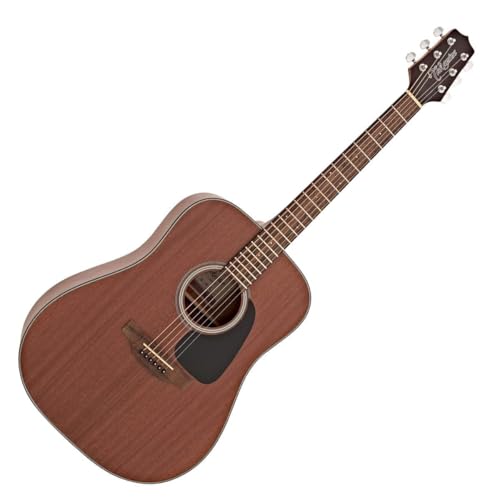
Takamine GD11M
A beginner or budget-minded player who wants a full-size all-mahogany dreadnought for warm strumming and singing without electronics.
Read the Takamine GD11M review →Head-to-Head Comparisons
- Cordoba C5CE vs Takamine GC1 Compare →
Questions Buyers Ask
Takamine GC1
See the current listing, price and included accessories.
About This Review
Mandrillis Team
The Mandrillis editorial team researches and compares audio and music gear using manufacturer documentation, verified specs and real buyer feedback, so you can make a confident purchase without wading through marketing claims.
Read our full research methodology.