Guitar & Bass Review
TC Electronic Thrust BQ500 Review: Compact 500W Bass Head
The TC Electronic Thrust BQ500 is a compact 500-watt bass head with a Mosfet preamp and Thrust compressor. The listing positions it as a portable stage and studio solution. However, key connectivity and dimension specs are not published, so buyers should research before purchasing.
Our Verdict
Research Score 72/100On paper, the TC Electronic Thrust BQ500 offers a compelling value proposition: 500 watts of Class-D power, a Mosfet preamp, and a Thrust compressor in a compact package at a budget price. The feature set is lean but focused, and the head should work well for stage use when paired with a suitable cabinet. However, the listing leaves too many important details unpublished. Without information on inputs, outputs, weight, dimensions, and minimum impedance, it is impossible to make a fully informed decision. The lack of a confirmed headphone out or DI is a significant drawback for practice and live sound. Our score of 72 reflects the strong core concept and budget price but penalizes the missing specification details.
Editorial research score based on published specifications and documented features, not a customer rating or lab test.

TC Electronic
TC Electronic Thrust BQ500
Best for: Bassists who already own a speaker cabinet and need a lightweight, powerful head for live gigs or studio sessions.
Skip it if: You need a self-contained combo amplifier with a built-in speaker, headphone output, or extensive effects and app integration.
Check Price on AmazonWe may earn a commission at no extra cost to you.
Listing verified: October 2026
Who Should Buy It
Buy it if
- Players who want a high-power backup or main bass head without excessive weight
- Musicians who already have a favorite bass cabinet and want a transparent power source
- Gigging bassists who need reliable stage volume from a compact package
- Studio players looking for a clean preamp with a simple compressor
Skip it if
- You need a combo amp for grab-and-go practice
- You rely on built-in amp modeling, effects, or Bluetooth audio streaming
- You want a published specification sheet for connectivity before buying
Key Specifications
| Power output | 500 watts |
| Speaker | Not included (bass amplifier head only) |
| Amp models or channels | Not published in listing |
| Effects | Thrust compressor |
| Inputs and outputs | Not published in listing |
| Headphone and line out | Not published in listing |
| Bluetooth and app | Not published in listing |
| Weight | Not published in listing |
| Dimensions | Not published in listing |
| Included accessories | Not published in listing |
Overview
The TC Electronic Thrust BQ500 is a compact bass amplifier head positioned for stage and studio use. The listing highlights a 500-watt Class-D power section, a high-voltage Mosfet preamp, and a Thrust compressor. It is sold at a budget-friendly price tier, which makes it an attractive option for bassists who already own a cabinet. This review is based solely on the published product listing and does not include in-person testing.
The Thrust BQ500 is not a combo amp and does not include a speaker, so it is aimed at players with an existing bass cabinet. The compact and lightweight design is a central selling point, but the exact weight and dimensions are not provided in the listing. This lack of detail is a recurring theme across the specification sheet, particularly for connectivity.
Despite the missing details, the core concept is clear. A 500-watt micro head with a Mosfet preamp and compressor could serve as a main gigging head or a backup. The brand's reputation and the listed feature set suggest a straightforward, no-nonsense amplifier, but practical considerations remain. Buyers should treat the unpublished specifications as open questions.
Amp Models and Tone
The Thrust BQ500 does not appear to offer digital amp models or switchable channels. The listing does not mention modeling technology, so it relies on the Mosfet preamp for its core voice. This preamp is described as high-voltage and is meant to capture the feel of a tube amp, which is a common goal in solid-state bass amplification.
The listing does not provide a detailed EQ section, so the exact tone shaping controls are unknown. A typical bass head includes bass, mid, and treble controls, but we cannot confirm that here. The Mosfet preamp likely imparts a warm, slightly compressed character, but without in-person experience or user reviews, that remains an inference.
The Thrust compressor is the most distinctive tone-related feature. It is described as adding punch and capturing playing nuances, which suggests a subtle but effective dynamic control. However, the listing does not specify the compressor's ratio, threshold, or attack controls. Bassists who value a simple, organic tone may find this appealing, while those seeking surgical compression will need more information.
Effects and Features
The only onboard effect mentioned is the Thrust compressor. There is no mention of reverb, delay, modulation, or distortion effects. This positions the Thrust BQ500 as a straightforward amplifier rather than a multi-effects unit. The compressor is likely always available on the front panel, but the listing does not describe its control layout.
The absence of additional effects is not necessarily a weakness. Many bassists prefer to use external pedals for time-based effects and keep the amplifier clean. The Thrust compressor may act as a simple one-knob or multi-parameter compressor, but the exact controls are not published. Buyers should check for a manual if they need specific compression settings.
The feature set is lean, which aligns with the budget price tier. A bass head at this price often focuses on power and core tone rather than loading up on digital toys. The Thrust BQ500 seems to follow that philosophy, but the lack of a tuner, mute switch, or headphone output is notable by omission.
Power, Speaker and Volume
The head delivers 500 watts of Class-D power, which is substantial for a micro amp. Class-D technology allows high output in a small, lightweight chassis and is common in modern bass heads. However, the listing does not state the minimum impedance, so buyers must verify that their cabinet can handle the load and that the head can safely drive it.
Because this is a head only, volume depends entirely on the connected cabinet. A 500-watt head can drive a wide range of bass cabinets, from a single 1x15 to a full 8x10 stack, but the actual output will vary. The listing positions it for stage and studio, and the power rating suggests it can hold its own in a loud band setting when paired with an appropriate cabinet.
Without speaker efficiency information, we cannot estimate actual perceived volume. The Thrust BQ500 should provide clean headroom for most live situations, but home practice could be overkill unless the master volume allows fine control at low levels. The listing does not mention a headphone out, so silent practice may require an external load or interface.
- 500 watts of Class-D output
- Amplifier head only; requires an external bass cabinet
- Minimum impedance not published in listing
- Compact and lightweight design for portability
- Suitable for stage and studio according to the listing
- No built-in speaker or headphone output mentioned
Build and Portability
The Thrust BQ500 is marketed as compact and lightweight, which makes it attractive for gigging musicians who travel frequently. Portable micro bass heads have become popular because they can fit in a gig bag or backpack. However, the exact weight and dimensions are not published in the listing, so we cannot confirm how portable it truly is.
The chassis design is not described in detail. The listing does not mention the material, finish, or presence of a carrying handle. This omission makes it difficult to assess durability or ergonomics. In this price tier, build quality can vary, and the lack of published details is a concern for buyers who need a roadworthy amplifier.
The use of Class-D technology generally reduces heat and weight, which bodes well for reliability. But without specific materials or construction notes, we cannot comment on how well the Thrust BQ500 will hold up over time. Buyers should look for user reviews or dealer information if build quality is a priority.
Connectivity and Apps
The listing does not publish any information about inputs and outputs. Common bass head features include a 1/4-inch instrument input, a balanced XLR direct output, an effects loop, and a headphone jack. None of these are confirmed for the Thrust BQ500. This is the most significant gap in the specification sheet.
There is no mention of Bluetooth, USB, or a companion app. The Thrust BQ500 appears to be a purely analog amplifier with no digital connectivity. That may appeal to players who want a simple tool, but it also limits recording and practice options unless the head has a line out or DI, which is unconfirmed.
The absence of published connectivity details makes it hard to recommend this head for users who need a headphone output for silent practice or a DI for live sound. Until the manufacturer provides a full specification sheet, potential buyers should treat connectivity as an unknown and plan accordingly.
Setup and Daily Use
Setting up the Thrust BQ500 should be straightforward because it is a head without complex menus or a screen. You connect an instrument to the input, connect a speaker cable to a cabinet, and adjust the volume. However, without a published control layout, we cannot describe the exact knobs or switches.
The Thrust compressor presumably has a dedicated control or set of controls on the front panel. The listing does not say whether it is a one-knob compressor or has threshold and ratio adjustments. Daily use will likely be simple: set the gain, adjust the EQ if available, and engage the compressor to taste.
The lack of a headphone out means that daily practice in an apartment may require an external cabinet or a load box with a line out. If the head lacks a dedicated line out, recording silently becomes more complicated. This is a practical consideration that the listing does not address.
Home Practice Versus Stage
For home practice, a 500-watt head is more power than most players need, but it can work at low volume if the master volume has a smooth taper. The bigger issue is the missing headphone output, which would make silent practice nearly impossible without additional gear. A combo amp or a head with a headphone out would be more convenient for bedroom players.
On stage, the Thrust BQ500 has the potential to be a strong performer. With 500 watts of Class-D power and a compact footprint, it could easily serve as a main head for small to medium venues or as a backup for larger gigs. The Mosfet preamp and compressor would help the bass sit well in a mix.
However, the missing DI output information is a problem for live sound. Most venues prefer to take a direct signal from the bass head, and if the Thrust BQ500 lacks an XLR out, the player would need an external DI box. This is another reason why the unpublished connectivity specs are frustrating.
Who Should Buy It
The Thrust BQ500 is best suited for bassists who already own a cabinet and want a powerful, portable head without spending a lot. It is also a good option as a backup amplifier for touring musicians who need a lightweight spare. The Mosfet preamp and compressor are appealing for players who like a simple, organic tone.
Budget-conscious buyers will appreciate the low price tier for a 500-watt head. The brand's reputation in the bass world adds some confidence, but the lack of published details means this is a purchase that requires a leap of faith or additional research. It is not a good choice for beginners who need an all-in-one practice solution.
This head is not for players who want built-in effects, amp modeling, Bluetooth streaming, or app control. If you need a self-contained combo with a headphone out, you should look elsewhere. The Thrust BQ500 is a specific tool for a specific need: a compact high-power bass head.
Verdict
On paper, the TC Electronic Thrust BQ500 offers a compelling value proposition: 500 watts of Class-D power, a Mosfet preamp, and a Thrust compressor in a compact package at a budget price. The feature set is lean but focused, and the head should work well for stage use when paired with a suitable cabinet.
However, the listing leaves too many important details unpublished. Without information on inputs, outputs, weight, dimensions, and minimum impedance, it is impossible to make a fully informed decision. The lack of a confirmed headphone out or DI is a significant drawback for practice and live sound.
Our score of 72 reflects the strong core concept and budget price but penalizes the missing specification details. If you can confirm the connectivity and size through other sources, the Thrust BQ500 may be a smart buy. Otherwise, approach with caution.
Strengths and Limitations
Strengths
- 500 watts of Class-D output in a compact head
- Mosfet preamp promises tube-like feel
- Thrust compressor adds punch and dynamic control
- Budget-friendly price tier
- Portable design for stage and studio
Limitations
- No built-in speaker cabinet included
- Listing omits details on inputs, outputs, and headphone connectivity
- No additional effects beyond the Thrust compressor
- Weight and dimensions not published
- No Bluetooth or app support mentioned
How We Scored It
Scores reflect published specifications, documented features and value against the alternatives below. They are editorial research scores, not laboratory measurements.
Alternatives to Consider

NUX Mighty 8BT MkII
Players wanting a budget, battery-powered practice and busking amp that handles electric guitar, acoustic guitar and bass with app control, Bluetooth playback and drum patterns.
Read the NUX Mighty 8BT MkII review →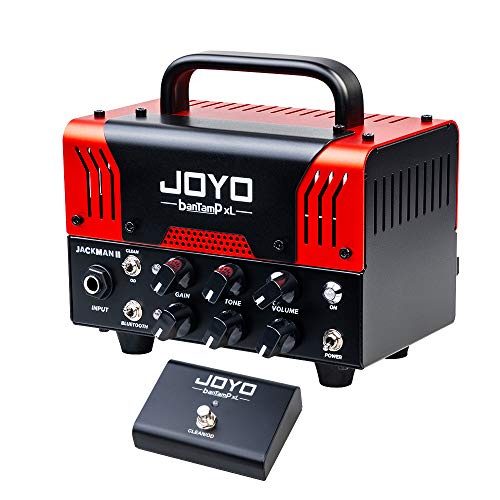
Joyo Jackman II BanTamp XL
Guitarists who already own a speaker cabinet and want a compact pedal-friendly hybrid tube head for practice and low-volume gigs.
Read the Joyo Jackman II BanTamp XL review →Head-to-Head Comparisons
- NUX Mighty 8BT MkII vs TC Electronic Thrust BQ500 Compare →
Questions Buyers Ask
TC Electronic Thrust BQ500
See the current listing, price and included accessories.
About This Review
Mandrillis Team
The Mandrillis editorial team researches and compares audio and music gear using manufacturer documentation, verified specs and real buyer feedback, so you can make a confident purchase without wading through marketing claims.
Read our full research methodology.