Headphones Review
Yamaha HPH MT5 Review: Flat Wired Studio Monitoring
The Yamaha HPH MT5 is a budget wired studio headphone with 40 mm drivers, a foldable frame, and a straight 3 m cable. The listing describes a well balanced sound for monitoring and mixing, but omits wireless features, active noise cancelling, and a microphone. It suits home studios and travel.
Our Verdict
Research Score 75/100The Yamaha HPH MT5 Studio Monitor Headphones deliver a focused, cable first design for budget conscious studio work. The published specification lists 40 mm drivers with CCAW voice coils, a foldable ABS housing, and a 3 m cable with 6.3 mm adapter, all useful for mixing and tracking. The listing does not state weight, ear coupling, or isolation numbers, so buyers should manage expectations on fit and passive attenuation. Without Bluetooth, active noise cancelling, or a microphone, this is not a commuter or call headset. For home producers and musicians who want a flat reference sound at a low price, the HPH MT5 is a sensible wired option. On paper, it earns a solid score.
Editorial research score based on published specifications and documented features, not a customer rating or lab test.
Yamaha
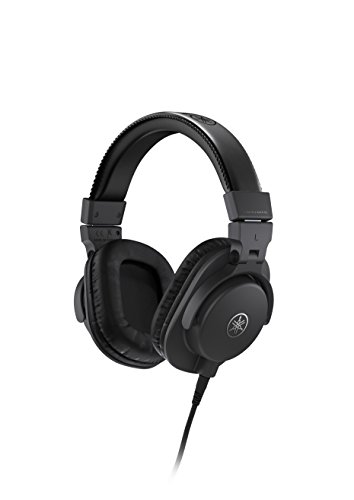
Yamaha HPH MT5 Studio Monitor Headphones
Best for: Home studio producers, musicians, and listeners who want a flat wired monitoring headphone with a long cable and foldable travel design.
Skip it if: Anyone who needs wireless Bluetooth, active noise cancelling, a built in microphone, or a bass forward consumer sound.
Check Price on AmazonWe may earn a commission at no extra cost to you.
Listing verified: October 2026
Who Should Buy It
Buy it if
- Home studio owners tracking instruments and mixing
- Musicians needing a durable foldable headphone for travel
- Listeners who prefer a neutral reference sound over boosted bass
- Buyers who already own a headphone amplifier or audio interface
Skip it if
- You want wireless Bluetooth convenience
- You need active noise cancelling for commute or office
- You need a headset with a microphone for calls or gaming
Key Specifications
| Type | Wired studio monitor headphone, ear coupling not published in listing |
| Driver | 40 mm dynamic driver with CCAW voice coil |
| Noise cancelling | Not published in listing, no active noise cancelling mentioned |
| Bluetooth and codecs | Not published in listing, wired only based on 3 m cable and 6.3 mm adapter |
| Battery life | Not published in listing, passive wired headphones do not use a battery |
| Wired option | Yes, straight 3 m cable with 6.3 mm standard stereo adapter plug |
| Controls and app | Not published in listing, no inline controls or companion app mentioned |
| Water resistance | Not published in listing |
| Weight | Not published in listing |
| Included accessories | 6.3 mm standard stereo adapter plug, carrying bag |
Overview
The Yamaha HPH MT5 Studio Monitor Headphones enter the budget wired studio category with a focus on flat monitoring and durable portability. The product listing describes a design built for studios, home production, and casual listening, with foldable joints and a straight 3 meter cable. The included 6.3 mm adapter plug and carrying bag make this headphone easy to connect to audio interfaces and mixers. This review relies on published specifications and does not include lab measurements.
Yamaha is a well known brand in music production, and the HPH MT5 sits below more expensive monitor lines while keeping a professional intent. The listing emphasizes a sturdy yet elegant build with thick ABS housing and a folding arm for travel or tough environments. Buyers who want a simple analog headphone for tracking or mixing will find few distractions here, as the feature set is intentionally minimal.
Sound Quality
The published driver specification lists a 40 mm dynamic driver with a CCAW voice coil, a common design in budget studio headphones. The listing claims a wide frequency range from 20 Hz to 20 kHz, which covers the standard human hearing range but does not extend into higher frequencies for extra air or detail. On paper, this suggests a neutral and balanced tuning rather than a bass boosted consumer sound.
The term well balanced sound appears in the listing, and that aligns with Yamaha's history in studio monitoring. Buyers report that this type of tuning works for checking mixes and recording vocals, though the lack of published distortion or sensitivity figures makes absolute performance hard to quantify. Without active noise cancelling or a wireless codec, the HPH MT5 relies on its analog driver quality.
Compared to well known reference headphones like the Audio-Technica ATH-M50x, the HPH MT5 has a more basic specification on paper, with no detachable cable or locking hinge. The listing does not mention any special tuning curves or high resolution certification, so buyers should expect a straightforward monitor sound. The CCAW voice coil helps keep the driver light and responsive, but exact sonic character remains something to hear in person.
Comfort and Fit
Comfort details include synthetic leather ear cushions and what the listing calls low resistance cushions to reduce fatigue during long sessions. An adjustable slider length and a three dimensional swivel design are mentioned, which should help the ear cups conform to different head shapes. However, the listing does not publish the weight or the ear coupling type, so over ear versus on ear fit is not confirmed.
The foldable joints add convenience but may influence clamping force, and no specific pressure measurements are given. Buyers who wear glasses or have larger heads may need to rely on the adjustable slider and swivel to find a good seal. The low resistance cushioning suggests a softer padding approach, but without trying the headphone, comfort remains an educated guess based on the stated materials.
Yamaha does not list any breathable fabric or cooling gel, so the synthetic leather may run warm in long studio sessions. The three dimensional swivel design is a useful feature for one ear monitoring, often preferred by DJs and tracking musicians. On paper, the HPH MT5 appears built for extended wear, but the lack of weight and clamp force data leaves some uncertainty.
Noise Control and Features
The listing does not mention active noise cancelling, so the HPH MT5 relies entirely on passive isolation from its closed ear cups and cushion seal. The product description mentions excellent insulation, but no isolation rating in decibels is published. For a budget studio headphone, passive isolation is typical and helps reduce bleed during tracking, but it will not silence loud environments like active systems do.
Feature wise, this is a bare bones wired headphone with no companion app, no equalizer, no touch controls, and no microphone. The three dimensional swivel and foldable joints are the main mechanical features, along with a carrying bag for portability. The absence of Bluetooth and active noise cancelling keeps the design simple and focused on analog monitoring, which many studio users prefer for latency free playback.
- No active noise cancelling published
- Passive isolation from closed ear cups implied
- Foldable joints and swivel ear cups for one ear monitoring
- No inline controls or companion app
- Carrying bag included for travel
Battery, Bluetooth and Connectivity
As a wired headphone, the HPH MT5 does not use a battery and the listing does not publish any battery life. The straight 3 meter cable provides plenty of length for studio work, allowing movement around a console or between a musician and an interface. A 6.3 mm standard stereo adapter plug is included, which makes the headphone compatible with professional audio gear without an extra purchase.
There is no Bluetooth, no wireless codec support, and no USB connection mentioned in the listing. This wired only design eliminates pairing issues and latency, which is an advantage for recording and critical listening. However, anyone looking for a portable wireless headphone like the Sony WH-1000XM5 or Anker Soundcore Space One will need to look elsewhere, as those models operate in a different category with batteries and active noise cancelling.
The cable is not detachable according to the listing, which means any damage to the wire may require a repair or replacement of the whole headphone. The 3 meter length is generous and the included 6.3 mm adapter suggests a focus on studio mixing boards and headphone amplifiers. Overall, connectivity is simple, robust, and limited to wired analog use.
Build, Design and Portability
Yamaha describes the HPH MT5 as having a sturdy yet elegant design with thick, durable ABS housing and a folding arm. The foldable joints allow the ear cups to collapse inward for storage in the included carrying bag. This makes the headphone easier to transport than many fixed frame studio monitors, which is a clear advantage for mobile producers and traveling musicians.
The three dimensional swivel design helps the ear cups rotate for one ear monitoring and easier placement around a neck. The adjustable slider length is a standard feature but contributes to fit. The listing does not publish the overall weight, so portability claims are based on the folding mechanism and the fact that it ships with a soft carrying bag rather than a hard case.
The ABS housing should resist daily wear, and the folding arm is described as suitable for tough working environments. The straight 3 meter cable is not coiled, which can reduce tangling but may take up more space. Buyers who prioritize ruggedness will appreciate the thick plastic construction, though metal components are not specified, so long term durability remains to be seen.
Call Quality and Daily Use
The HPH MT5 has no built in microphone and no inline remote, so call quality is not applicable for phone calls, video meetings, or gaming chat. This is a monitoring headphone first, and daily use centers on recording, mixing, and listening to music through wired sources. Users who take calls on the same headset will need a separate microphone or a different product.
For everyday studio tasks, the long cable and 6.3 mm adapter make it easy to plug into a mixer, audio interface, or headphone amplifier. The lack of battery means the headphone works as long as the source is powered, with no down time for charging. The foldable design and carrying bag support moving between a home studio and a rehearsal space, which fits the budget conscious musician.
The listing notes the headphone is also suitable for casual music listening, but the flat response may sound less exciting than consumer headphones with boosted bass and treble. Buyers who enjoy a neutral reference will find daily listening pleasant and revealing, while those accustomed to heavy low end may need to adjust their expectations. The wired design also means the headphone will not pair with a smartphone without a headphone jack or adapter.
Who Should Buy It
The Yamaha HPH MT5 is best for home studio owners, content creators, and musicians who need an affordable wired headphone for tracking and mixing. The long cable and 6.3 mm adapter suit keyboards, drum machines, and audio interfaces, while the foldable frame helps for sessions outside a fixed desk. Buyers who already have a headphone amplifier or recording setup will get the most value from this analog design.
This headphone also works for listeners who prefer a flat, balanced sound over a bass boosted consumer curve. If you want to hear recordings closer to the intended mix, the HPH MT5 may serve as a reference tool for checking edits and levels. However, it is not a good match for commuters or office workers who need wireless freedom, active noise cancelling, or call handling.
The budget price makes it accessible for beginner producers, but the lack of a detachable cable and published comfort specs means there are tradeoffs. Buyers who know they need a simple, no frills monitor headphone with Yamaha brand heritage on paper will find the HPH MT5 a straightforward choice.
Alternatives Worth Considering
The Sony WH-1000XM5 and Bose QuietComfort 45 are well known alternatives if you need wireless Bluetooth, active noise cancelling, and a built in microphone for travel and office use. They are not studio monitor headphones, but they dominate the consumer noise cancelling category with app support and long battery life. Their sound is more processed and less flat than the HPH MT5.
For a more direct studio comparison, the Audio-Technica ATH-M50x offers a closed back, wired design with a detachable cable and a well known bass profile. The Sennheiser HD 280 Pro is another budget friendly monitoring headphone with robust isolation and a coiled cable. Both alternatives have published weight and clamping specifications, which the HPH MT5 listing omits.
The Anker Soundcore Space One is a budget wireless option with active noise cancelling and app controls, but it lacks the wired studio focus and long cable of the HPH MT5. Apple AirPods Pro are in ear, true wireless, and feature rich, but they cannot match the over ear comfort or passive isolation of a full size monitor headphone. Choosing between these depends entirely on whether you need mobility or reference accuracy.
Verdict
The Yamaha HPH MT5 Studio Monitor Headphones represent a focused, budget friendly approach to wired monitoring. The listing provides enough detail to understand the core features: 40 mm drivers with CCAW voice coils, a foldable ABS frame, a long straight cable, and a 6.3 mm adapter. The absence of wireless, active noise cancelling, and a microphone is not a flaw but a clear signal that this product is designed for one job.
On paper, the HPH MT5 should deliver a flat and balanced sound suitable for tracking and mixing, with comfort features like low resistance cushions and a swivel mechanism. The lack of published weight, ear coupling, and isolation numbers leaves some open questions, but overall the build appears portable and durable. For the price, it is a solid choice for home studios and traveling musicians.
The score reflects a strong value proposition for a niche audience, tempered by missing wireless features and unspecified fit details. Buyers who want active noise cancelling or Bluetooth should look at the many wireless alternatives, but for a simple analog studio tool, the HPH MT5 earns its place.
Strengths and Limitations
Strengths
- Flat, well balanced sound for studio referencing according to the listing
- Foldable design with carrying bag for travel and storage
- Comfortable synthetic leather cushions and low resistance padding
- Includes 3 m straight cable and 6.3 mm adapter for studio gear
- Lightweight build described for long sessions
- Known Yamaha studio monitor lineage on paper
Limitations
- No Bluetooth or wireless option, wired only
- No active noise cancelling or isolation rating published
- No inline controls or microphone for calls
- Frequency range stops at 20 kHz, no extended high frequency spec
- Weight and ear coupling not published
How We Scored It
Scores reflect published specifications, documented features and value against the alternatives below. They are editorial research scores, not laboratory measurements.
Alternatives to Consider

PreSonus HD7 Studio Quality Stereo Headphones
Budget home studio monitoring and multi-listener tracking sessions where a simple wired headphone setup is enough.
Read the PreSonus HD7 Studio Quality Stereo Headphones review →
Audio Technica M20xBT Bluetooth Headphones
Budget-conscious listeners who want long battery life and low latency wireless over-ear headphones for video, gaming, and everyday music.
Read the Audio Technica M20xBT Bluetooth Headphones review →
Yamaha HPH MT7 Studio Monitor Headphones
Budget minded musicians and home studio owners who need a wired closed back monitoring headphone with passive isolation.
Read the Yamaha HPH MT7 Studio Monitor Headphones review →Questions Buyers Ask
Yamaha HPH MT5 Studio Monitor Headphones
See the current listing, price and included accessories.
About This Review
Mandrillis Team
The Mandrillis editorial team researches and compares audio and music gear using manufacturer documentation, verified specs and real buyer feedback, so you can make a confident purchase without wading through marketing claims.
Read our full research methodology.