Instruments Review
Stagg ECL 4/4 BK Review: Headphone Ready Electric Cello
The Stagg ECL 4/4 BK is a full size electric cello with a solid maple top, a maple bridge, an under saddle pickup with volume and bass controls, a headphone output, an auxiliary input and a gig bag. This editorial review explains what that feature set delivers for silent practice and stage use, and which specifications remain unpublished.
Our Verdict
Research Score 72/100The Stagg ECL 4/4 BK is an honest, unusually well documented electric cello for silent practice and feedback free performance. The listing confirms a solid maple top, a maple bridge, a black plastic nut, black diecast machine heads and a complete active electronics package with volume and bass controls, a low battery indicator, a headphone output, an auxiliary input and a standard main output, plus a gig bag, at a mid-range tier. Fingerboard, strings, frame design, battery type, weight and country of origin are not published and should be confirmed with the seller. The tone is direct rather than refined and the controls are basic. For a cellist whose main problem is noise, it solves that problem at a fair tier.
Editorial research score based on published specifications and documented features, not a customer rating or lab test.

Stagg
Stagg ECL 4/4 BK
Best for: A cellist in shared housing or on the road who needs full size silent practice with headphones and a backing track, plus a feedback free stage signal.
Skip it if: You are preparing for orchestral auditions and need acoustic feedback, you want a refined stage tone, or you need the frame and fingerboard specification confirmed first.
Check Price on AmazonWe may earn a commission at no extra cost to you.
Listing verified: October 2026
Who Should Buy It
Buy it if
- Students who cannot practice acoustically at home
- Adult learners who want a low pressure way to start
- Gigging cellists in amplified bands
- Teachers who need a cello that runs through a classroom system
Skip it if
- Orchestral audition preparation is your main goal
- You are a beginner with no teacher
- You want a premium stage instrument
Key Specifications
| Instrument | Four string electric cello |
| Size | 4/4 full size |
| Materials | Solid maple top, maple bridge, black plastic nut, black diecast machine heads; fingerboard and frame materials not published in listing |
| Key or tuning | Not published in listing; cellos are conventionally tuned C, G, D, A |
| Finish | Black |
| Included accessories | Gig bag |
| Skill level | Not stated in listing |
| Weight | Not published in listing |
| Made in | Not published in listing |
| Notes | Active electronics: under saddle transducer and equalizer with volume and bass control, low battery indicator, 3.5 mm stereo mini jack input for a CD or MP3 player, 3.5 mm headphone output and 6.35 mm main output. Battery type is not published. |
Overview
The Stagg ECL 4/4 BK is a full size four string electric cello with a black finish, and its listing is one of the more complete in the affordable electric string category. It names a solid maple top, a maple bridge, a black plastic nut, black diecast machine heads and an active electronics package with an under saddle transducer, volume and bass controls, a headphone output and an auxiliary input. A gig bag is included, and the instrument sits in the mid-range tier.
Electric cellos of this kind exist to solve two problems: practicing quietly in shared housing and playing on stage without feedback. The headphone output and the input for a music player address the first directly, and the standard 6.35 mm output addresses the second. The low battery indicator confirms that the preamp is powered, although the battery type is not published.
What the listing does not cover is the frame shape, the fingerboard material, the strings, the endpin and chest support arrangement, the weight and the country of manufacture. Stagg has sold this model for many years under a plain model code, and this listing is a regional variant of it. This review works from the published facts and marks each gap.
Tone and Intonation
An under saddle transducer picks up string vibration through the bridge rather than through a body, so the tone is direct, clear and somewhat drier than a microphone on an acoustic cello. The maple bridge named in the listing is the traditional material and transmits vibration efficiently to the pickup. Through headphones the sound is immediate and detailed, which is useful for intonation work but less forgiving than a resonant body.
The onboard equalizer with a bass control lets the player add warmth to compensate for the missing body resonance, and the volume control manages headphone and line levels. There is no treble or midrange control published, so finer shaping has to happen at an amplifier or in a mixer. Buyers report that instruments of this type sound best through a full range acoustic amplifier rather than a guitar amplifier.
Intonation is set by the player on a fretless fingerboard of standard length, and the 4/4 size means the positions match a full size acoustic cello. Strings are not named, and string choice has a large effect on how an electric cello responds to the bow. A cellist who is particular about string type should plan to fit their preferred set.
Playability and Setup
Full size dimensions mean that a cellist moving between this instrument and an acoustic one keeps the same hand positions and bow angles, which is the main reason to choose a 4/4 electric rather than a smaller travel design. The frame that replaces the body has to provide knee and chest contact points, and the listing does not describe how it does so. That detail matters for comfort and is worth confirming.
The black plastic nut and diecast machine heads are functional, affordable choices. Diecast geared tuners are easier to use than traditional friction pegs and hold tune well, and a plastic nut does its job if the slots are cut cleanly. No information is given on the bridge height or string clearance as delivered.
Setup involves installing or checking the battery, adjusting the volume and bass controls, and connecting either headphones or an amplifier. A cellist used to an acoustic instrument should expect to adjust bow pressure, since the direct pickup exaggerates scratchiness. Buyers report a short adjustment period before bowing feels natural on an electric.
Build and Materials
The listing specifies a solid maple top, a maple bridge, a black plastic nut and black diecast machine heads. Maple is a sensible material for the main structure of an electric cello because it is rigid and stable under the tension of four cello strings. Whether the rest of the frame is also maple is not published, and the fingerboard material is not stated.
The electronics package is the most thoroughly documented part: an under saddle transducer, an equalizer with volume and bass controls, a low battery indicator, a 3.5 mm stereo mini jack input for a CD or MP3 player, a 3.5 mm headphone output and a 6.35 mm main output. That is a complete practice and performance interface at this tier. The battery type and expected battery life are not published.
The black finish covers the maple and gives the instrument a uniform look. Weight and country of manufacture are not published, and the construction of the gig bag is not described. Stagg instruments are typically built to a price with adequate rather than refined finishing, and buyers report that the ECL frame is solid in daily use.
- Four string electric cello, 4/4 size
- Solid maple top and maple bridge
- Black plastic nut and black diecast machine heads
- Under saddle transducer with volume and bass controls and low battery indicator
- 3.5 mm aux input, 3.5 mm headphone output, 6.35 mm main output
- Fingerboard, strings, endpin, weight and country of origin not published in listing
What Is in the Outfit
A gig bag is the only accessory the listing includes. No bow, rosin, headphones, cable, battery or amplifier is mentioned, which for a headphone ready practice instrument means the buyer must supply the headphones and, for stage use, a cable and amplifier. A cellist who already owns a bow will cover the largest gap.
The auxiliary input is a practical bonus for daily practice, since a phone or music player can be connected and heard in the same headphones as the cello. That turns the instrument into a self contained play along station. It does not replace a proper amplifier for performance, but for home use the included electronics make the outfit more complete than a bare instrument.
Durability, Maintenance and Care
An electric cello with no hollow body is far less vulnerable to cracks, open seams and soundpost problems than an acoustic cello, and the solid maple structure tolerates humidity swings well. The frame edges and the black finish will show scuffs with regular transport. The gig bag protects against scratches but not against heavy impacts.
The active electronics introduce a battery to manage, and the low battery indicator is a useful warning before a session fails. Jacks should be kept clean and cables unplugged when not in use to avoid draining the battery, since many instruments of this type switch on when a cable is inserted. The listing does not describe the power switching.
Strings, bow hair and rosin are the ongoing consumables, and the factory strings are not named. The diecast machine heads need no maintenance beyond an occasional check that they are tight. Warranty terms are not stated, so confirm them with the seller.
Daily Practice and Who It Suits
This is where the ECL 4/4 BK earns its place. A cellist in an apartment, a dormitory or a shared house can practice at any hour through headphones, with a backing track or a recording running through the auxiliary input, and no one else hears a note. Scales, etudes and repertoire all work exactly as on an acoustic instrument because the dimensions are full size.
It suits students who cannot practice acoustically at home, adult learners who want a low pressure way to start, and gigging cellists who need a feedback free instrument for amplified bands. Teachers may also find it useful for demonstrating through a classroom system.
It is less suited to a cellist preparing for orchestral auditions, who needs the acoustic feedback and projection of a traditional cello, or to a complete beginner with no teacher, since the direct pickup can hide tone problems that an acoustic body would reveal. For those players it is a complement to an acoustic cello rather than a substitute.
Who Should Buy It
The Stagg ECL 4/4 BK is for the cellist whose main obstacle is noise: the student in shared housing, the adult learner practicing late, the touring player who needs a silent warm up. The published electronics cover every practice need, the full size format keeps technique intact, and the mid-range tier is reasonable for what is included. The gig bag makes it ready to carry to lessons.
It also suits a band or worship cellist who wants a direct signal without feedback. Anyone who needs the fingerboard material, string type, frame design or battery life confirmed should ask the seller, since the listing does not publish them. A cellist who requires a refined acoustic tone should keep their traditional instrument and treat this as a practice tool.
Alternatives Worth Considering
The same model is also listed without the regional suffix, and that listing describes the same solid maple construction, active preamp with under saddle pickup, volume and bass controls and gig bag. There is no published difference in the instrument, so a buyer can choose whichever listing is available. This review covers the fuller of the two.
Electric cellos at the upper mid-range and premium tiers offer better documented frames, named fingerboard woods, higher grade preamps and sometimes included bows and cases. They are the better choice for a performing cellist who will use the instrument as a main stage voice rather than as a practice tool.
At the budget end there are electric cello outfits bundled with a bow, rosin, headphones and a stand. They can be tempting for a beginner, but construction and electronics quality vary widely and a teacher's guidance is advisable. The Stagg sits between those and the premium options with a known brand and a clearly published feature set.
Verdict
The Stagg ECL 4/4 BK is a practical, well documented electric cello for silent practice and feedback free performance. The listing confirms a solid maple top, a maple bridge, a black plastic nut, black diecast machine heads and a complete active electronics package with headphone and auxiliary jacks, plus a gig bag, at a mid-range tier. Fingerboard, strings, frame design, battery type, weight and country of origin are not published and should be confirmed.
The score reflects a known brand with modest materials, useful electronics and a basic outfit. For a cellist who needs to practice quietly above all else, it does the job at a fair tier.
Strengths and Limitations
Strengths
- Headphone output and auxiliary input make silent play along practice possible
- Standard 6.35 mm output for amplifiers and mixers
- Full 4/4 size keeps acoustic cello technique intact
- Solid maple top and maple bridge
- Low battery indicator warns before the preamp fails
- Gig bag included
Limitations
- Only volume and bass controls, no treble or midrange
- Fingerboard, strings, frame design and battery type not published
- No bow, rosin, headphones or cable included
- Weight and country of manufacture not stated
How We Scored It
Scores reflect published specifications, documented features and value against the alternatives below. They are editorial research scores, not laboratory measurements.
Alternatives to Consider
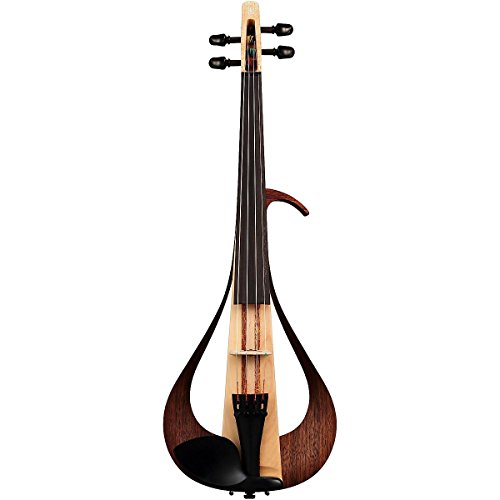
Yamaha YEV104NT
A classically trained violinist who wants the simplest possible route to an amplified instrument without changing technique or managing electronics.
Read the Yamaha YEV104NT review →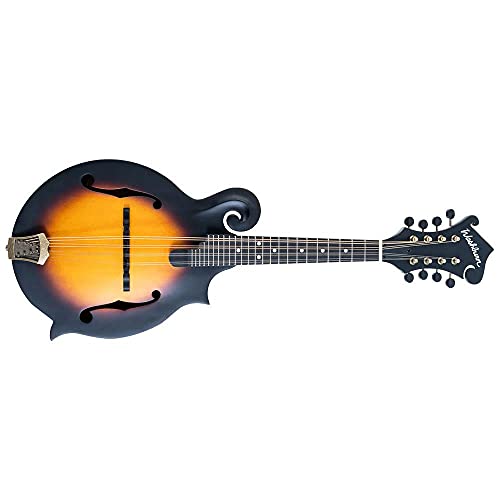
Washburn M108SWK-D
An intermediate bluegrass or Americana player who wants a carved, all solid F style mandolin with a case without stepping into the premium tier.
Read the Washburn M108SWK-D review →
Stagg EDB-3/4 BK
A jazz, blues or rockabilly bassist, or a bass guitarist learning upright, who needs upright tone and feel in a compact, affordable package.
Read the Stagg EDB-3/4 BK review →Questions Buyers Ask
Stagg ECL 4/4 BK
See the current listing, price and included accessories.
About This Review
Mandrillis Team
The Mandrillis editorial team researches and compares audio and music gear using manufacturer documentation, verified specs and real buyer feedback, so you can make a confident purchase without wading through marketing claims.
Read our full research methodology.