Instruments Review
Yamaha YEV104NT Review: The Simplest Route to an Electric Violin
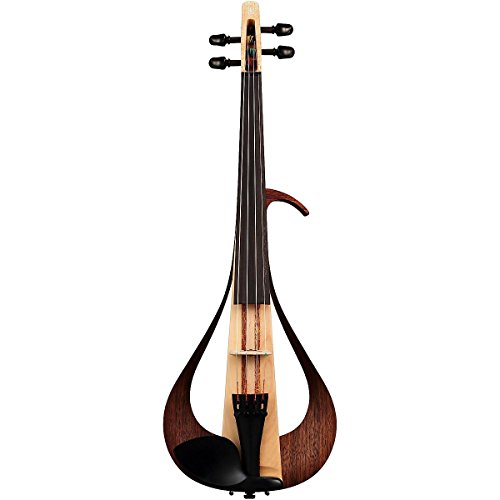
The Yamaha YEV104NT is a four string electric violin with a natural finish and a body built from six different woods, designed to plug straight into an amplifier with no batteries or preamp. This editorial review covers what the passive design means for tone and practice, how it suits classical players going electric, and what the listing leaves unpublished.
Our Verdict
Research Score 85/100The Yamaha YEV104NT keeps the promise in its listing: a light, good looking four string electric violin made from six woods that plugs straight into an amplifier and sounds like a violin, with nothing to switch on or run flat. The passive design is the source of both its reliability and its one real limitation, since quiet practice and tone shaping depend on external gear rather than the instrument. The listing does not publish weight, pickup type, dimensions or any accessories, so budget for a case, a cable and an amplifier and confirm the details that matter to you. For a classical player going electric at a mid-range tier, it is one of the simplest and safest choices.
Editorial research score based on published specifications and documented features, not a customer rating or lab test.
Yamaha
Yamaha YEV104NT
Best for: A classically trained violinist who wants the simplest possible route to an amplified instrument without changing technique or managing electronics.
Skip it if: You need to practice silently through headphones straight from the instrument, you want onboard volume and tone controls, or you need a fifth string.
Check Price on AmazonWe may earn a commission at no extra cost to you.
Listing verified: October 2026
Who Should Buy It
Buy it if
- Classical players joining folk, pop or worship bands
- Teachers who need a reliable amplified violin for ensemble work
- Recording musicians who want a clean direct violin signal
- Players tired of heavy solid body electrics
Skip it if
- Late night headphone practice is your main use
- You are a complete beginner without an acoustic violin
- You want a low C string
Key Specifications
| Instrument | Four string electric violin |
| Size | Not published in listing |
| Materials | Body made from six different woods according to the listing; species not named |
| Key or tuning | Four strings; the listing does not state the tuning. Violins are conventionally tuned G, D, A, E |
| Finish | Natural |
| Included accessories | Not published in listing; no case, bow, rosin, shoulder rest or cable is mentioned |
| Skill level | Not stated in listing; described as an all-access instrument that is easy and fun to play |
| Weight | Not published in listing; the listing describes the instrument as light |
| Made in | Not published in listing |
| Notes | Passive design per the listing: plugs straight into an amplifier with no batteries, no headphones and no preamp necessary. Pickup type and output jack are not published. |
Overview
The Yamaha YEV104NT is a four string electric violin with a natural finish and a body assembled from six different woods, sold in the mid-range tier. The listing frames it as an all-access instrument that is beautiful, light, easy and fun to play, and the design promise is that a violinist can plug it into an amplifier and get a clean violin sound with nothing else in the chain. No batteries, no headphones and no preamp are needed, according to the listing.
Four strings keep it in familiar territory for any classically trained player, which is the main difference between this model and its five string sibling. The open wooden frame replaces the hollow body of an acoustic violin, so it does not project on its own and depends on an amplifier for volume. That makes it a stage and studio instrument first and a practice instrument second.
The published information covers intent and construction philosophy more than measurements. Weight, body length, pickup type, string brand, bridge material and any included accessories are not in the listing. This review is built on the stated facts and on general knowledge of how passive electric violins behave, and it flags each unknown where it matters.
Tone and Intonation
The stated goal is a simple, clean sound that appeals to violin players, which is a useful signal in a category where many instruments chase a futuristic or heavily processed voice. The six woods in the body are credited with an organic, natural and resonant amplified tone, and wood does tend to soften the top end compared with carbon or plastic frames. The result is meant to sit close to an acoustic violin through a neutral amplifier.
Because there is no onboard preamp, the output is passive and the sound is shaped downstream by whatever it is plugged into. A violinist who runs it into a clean acoustic amplifier will hear something transparent, while a guitar amplifier will add its own midrange color. That dependence is a feature for players who like to shape tone with pedals and a limitation for anyone expecting a finished sound from the instrument alone.
Intonation is entirely the player's responsibility on a fretless instrument, and a four string neck keeps the hand frame identical to an acoustic violin, so there is no relearning. The listing does not specify the fingerboard material or the string length, which would normally confirm that the spacing matches a full size acoustic. On paper the design intent is to be a drop in replacement for a classical player's existing technique.
Playability and Setup
Light weight is the quality the listing leans on most, and for a shoulder mounted instrument it is the one that determines whether a long rehearsal ends comfortably. The open frame construction removes most of the mass that solid body electric violins carry, though no weight figure is published to confirm the margin. A standard shoulder rest and chin rest arrangement is implied by the violin form.
Setup is minimal: tune, attach a shoulder rest, connect a cable and switch on the amplifier. With no battery to install and no controls to set, there is nothing to configure on the instrument itself, which is helpful for a player who wants to focus on music rather than electronics. The flip side is that volume and tone changes must happen at the amplifier or a pedal.
The four string layout is the right choice for anyone whose repertoire never dips below the G string, and it keeps the neck as narrow as a conventional violin. String heights and bridge curvature as delivered are not stated, so a quick check by a luthier remains good practice. Buyers report that Yamaha electric violins generally arrive ready to play.
Build and Materials
The body is made from six different woods, which the listing presents as the source of both the instrument's look and its resonance. The species are not named, and neither are the fingerboard, pegs, tailpiece or chin rest materials. The natural finish leaves the wood visible, so the joinery between those six pieces is on display and has to be clean.
A passive pickup system is implied by the absence of batteries and a preamp, but the listing does not say whether it is a piezo element under the bridge or another type. The output jack location and type are also unstated. For a mid-range tier instrument from a major maker, these omissions are listing gaps rather than signs of corner cutting.
Yamaha's electric string instruments have a long record of consistent manufacturing, and a wooden open frame is simpler to build well than a hollow acoustic body. There are no f-holes, no bass bar and no soundpost to drift out of position. Weight and country of origin are not published.
- Four string electric violin
- Body made from six different woods, species not named
- Natural finish showing the wood joinery
- Passive, no batteries or onboard preamp
- Pickup type, weight and dimensions not published in listing
What Is in the Outfit
Nothing beyond the instrument is mentioned in the listing. There is no case, bow, rosin, shoulder rest, cable or amplifier in the published description, and since the design cannot be heard without an amplifier, the real cost of getting started is higher than the instrument alone. Classical players will already own a bow and shoulder rest, which covers most of the gap.
A first time electric buyer should plan for a padded case shaped for a violin, a cable and a small amplifier with a headphone jack if quiet practice is needed. The phrase no headphones necessary in the listing means the instrument does not require them, not that it provides a headphone output. Treat the YEV104NT as an instrument purchase and build the kit around it.
Durability, Maintenance and Care
An instrument with no battery compartment, no preamp board and no control pots has very little that can fail electronically. The pickup and jack are the only electrical parts, and a passive pickup has no circuitry to drift or crackle with age. That simplicity is one of the strongest arguments for this design over active alternatives.
The wooden frame behaves like any wooden instrument in response to humidity and temperature, so it should be kept out of hot cars and very dry rooms. The natural finish is thin enough to show handling patina over time, which most owners accept as character rather than damage. Rosin dust should be wiped from the strings and body after playing.
The open frame is less protected than a solid body against knocks, so a case is important when traveling. Strings, bow hair and the occasional jack cleaning are the only consumable items. Yamaha parts and dealer support are widely available, which helps if a tailpiece or jack ever needs replacement.
Daily Practice and Who It Suits
For home practice the key question is how the instrument will be heard. It is quiet enough unplugged to be inoffensive in a shared space, but the player will not hear enough to work on tone, so an amplifier or a headphone amplifier is part of the daily routine. Once that is in place, practice is the same as on an acoustic violin with the bonus of being able to set the volume.
The four string layout and conventional neck mean that scales, etudes and repertoire transfer directly from an acoustic instrument. Students can alternate between the two without adjusting their hand frame, which makes this a sensible second instrument for a classical player who performs with a band on weekends. Effects pedals open up another dimension for anyone inclined to experiment.
It is less suited to a total beginner, who would miss the acoustic feedback that teaches bow control, and to anyone whose main need is silent practice with headphones straight from the instrument. Those players are better served by a dedicated silent violin with onboard headphone circuitry.
Who Should Buy It
The Yamaha YEV104NT is for the violinist who wants to be amplified with as little fuss as possible: a light instrument, a cable and an amplifier. Classical players joining a folk, pop or worship band, teachers who want a reliable amplified violin for ensemble work, and recording musicians who want a clean direct signal will all find it fits. The mid-range tier is fair for a Yamaha branded instrument built from six woods.
It also suits a player who has tried heavy solid body electrics and found them tiring, or who dislikes managing batteries on stage. The accessories gap in the listing means budgeting for a case and amplifier, and a buyer who needs the exact weight or pickup type confirmed should ask the seller. Anyone wanting a fifth string should look at the YEV105NT instead.
Alternatives Worth Considering
The Yamaha YEV105NT is the five string version of the same design and shares the six wood body, natural finish and passive electronics. It adds a low C string for viola range at the cost of a wider neck and a higher tier. For most classical players the four string YEV104NT is the better fit.
Dedicated silent violins, including Yamaha's own, add an onboard preamp, a headphone output and often reverb for practice. They need a battery and weigh more, but they solve the quiet practice problem that the YEV104NT leaves to external gear. A player whose main use is late night practice should consider that category first.
Budget electric violins bundled with a case, bow, rosin and headphones exist at a far lower tier and can be a way to find out whether amplified playing appeals. Build consistency and tone are usually a clear step down, and resale value is poor. The Yamaha is the longer term choice for someone who already knows they will use it.
Verdict
The Yamaha YEV104NT is a light, good looking four string electric violin made from six woods that plugs straight into an amplifier and sounds like a violin, with no batteries or preamp to manage. The passive design gives it reliability and takes away onboard tone shaping, so quiet practice and sound sculpting depend on external gear. Weight, pickup type and accessories are not published and should be confirmed.
The score reflects an intermediate instrument with strong tone and build, playability that transfers directly from an acoustic violin, a bare outfit and good value at the mid-range tier. For a classical player going electric, it is one of the simplest and safest choices.
Strengths and Limitations
Strengths
- Four string neck transfers directly from an acoustic violin
- Light open frame instead of a heavy solid body
- No batteries, preamp or controls to manage
- Six wood body with a natural finish that shows the joinery
- Yamaha consistency at a mid-range tier
Limitations
- No headphone output for silent practice
- Tone shaping depends entirely on the amplifier or pedals
- Weight, pickup type and dimensions not published
- No case, bow or cable in the listing
How We Scored It
Scores reflect published specifications, documented features and value against the alternatives below. They are editorial research scores, not laboratory measurements.
Alternatives to Consider

Stagg EDB-3/4 BK
A jazz, blues or rockabilly bassist, or a bass guitarist learning upright, who needs upright tone and feel in a compact, affordable package.
Read the Stagg EDB-3/4 BK review →
Stagg ECL 4/4 BK
A cellist in shared housing or on the road who needs full size silent practice with headphones and a backing track, plus a feedback free stage signal.
Read the Stagg ECL 4/4 BK review →
Yamaha YEV105NT
An intermediate or advancing violinist who wants five strings from an established maker in a light, simple, amplifier ready instrument.
Read the Yamaha YEV105NT review →Questions Buyers Ask
Yamaha YEV104NT
See the current listing, price and included accessories.
About This Review
Mandrillis Team
The Mandrillis editorial team researches and compares audio and music gear using manufacturer documentation, verified specs and real buyer feedback, so you can make a confident purchase without wading through marketing claims.
Read our full research methodology.