Instruments Review
Stagg EDB-3/4 BK Review: Upright Bass Without the Bulk
The Stagg EDB-3/4 BK is an electric upright bass in standard 3/4 size with solid maple construction, a black finish, electronics the listing says are designed for double bass, and a gig bag. This editorial review explains what the format offers, what the published facts support, and which important details the listing leaves out.
Our Verdict
Research Score 71/100The Stagg EDB-3/4 BK offers the essentials of an electric upright bass at a mid-range tier: solid maple construction, a standard 3/4 string length, a black finish, double bass specific electronics and a gig bag. Its strengths are practical ones, compact size, light weight and the ability to practice and gig without the transport and volume problems of an acoustic bass. The listing publishes almost nothing beyond those basics, so pickup type, preamp controls, scale length, strings, support system and weight remain open questions that a buyer should put to the seller. The model's long track record offsets some of that uncertainty. For a bassist who needs an affordable upright for practice and small stages, it is a sensible choice once the gaps are confirmed.
Editorial research score based on published specifications and documented features, not a customer rating or lab test.

Stagg
Stagg EDB-3/4 BK
Best for: A jazz, blues or rockabilly bassist, or a bass guitarist learning upright, who needs upright tone and feel in a compact, affordable package.
Skip it if: You need an acoustic bass for orchestral work, you want the pickup and preamp specification confirmed in writing, or you rely on arco playing.
Check Price on AmazonWe may earn a commission at no extra cost to you.
Listing verified: October 2026
Who Should Buy It
Buy it if
- Gigging bassists who play small stages and travel by car
- Bass guitarists adding upright to their skills
- Students who cannot store or transport an acoustic double bass
- Recording musicians who want upright tone without microphone problems
Skip it if
- You need an acoustic instrument for orchestra or audition work
- You want every electronic detail published before buying
- Bowed playing is your main focus
Key Specifications
| Instrument | Electric upright double bass |
| Size | 3/4 size, the standard adult double bass size; scale length not published in listing |
| Materials | Solid maple construction; fingerboard and hardware materials not published in listing |
| Key or tuning | Not published in listing; double basses are conventionally tuned E, A, D, G |
| Finish | Black |
| Included accessories | Gig bag |
| Skill level | Not stated in listing |
| Weight | Not published in listing |
| Made in | Not published in listing |
| Notes | The listing describes the electronics only as state of the art and specially designed for double bass. Pickup type, preamp controls, battery requirement, strings, endpin and stand are not published. |
Overview
The Stagg EDB-3/4 BK is an electric upright bass in 3/4 size with a black finish, built from solid maple according to the listing and shipped with a gig bag. It belongs to the category of compact electric double basses that give a bassist the feel and sound of an upright without the volume, weight and transport problems of an acoustic one. The mid-range tier places it among the more affordable instruments of its kind.
Three quarter is the standard adult size for double basses, so the designation does not mean a small instrument; it means the string length and spacing a professional bassist expects. The listing describes the electronics only as state of the art and specially designed for double bass, without naming a pickup type, preamp controls or battery requirement. Scale length, fingerboard material, strings, endpin and weight are also unpublished.
That thin specification is the central caution in this review. Stagg is an established European distributor brand with a long history of affordable instruments, and the EDB line has been on sale for many years, but a buyer is still working from very little published detail. The review explains what solid maple and the 3/4 format mean and is explicit about everything the listing does not say.
Tone and Intonation
An electric upright bass has no resonant body, so its tone comes from the strings, the pickup and whatever the signal is played through. Solid maple construction provides a dense, stable platform that transmits string vibration cleanly to the pickup and avoids the hollow thump of a cheaply built frame. The result on instruments of this type is a focused, even tone that sits well in a mix.
The listing promises electronics specially designed for double bass, which in general means a pickup voiced for the low frequencies and slow attack of thick upright strings rather than borrowed from a bass guitar. Without a published pickup type or control layout, the exact character cannot be described here. Buyers report that electric uprights at this tier sound convincingly like a double bass through an acoustic amplifier, especially when played pizzicato.
Intonation on a fretless 3/4 neck is the player's responsibility, and position markers, if any, are not mentioned in the listing. A bassist coming from an acoustic upright will find the string length familiar, while a bass guitarist will need time to learn the positions by ear. Arco playing depends on the bridge curvature and string type, neither of which is published.
Playability and Setup
The 3/4 size gives the EDB-3/4 BK the same reach and shifting distances as a standard acoustic upright, which is good news for anyone switching between the two. The missing body makes the instrument far lighter and easier to hold against the player, and most electric uprights of this type use a stand or an endpin to carry the weight. The listing does not describe the support system.
Setup on an electric upright is similar to an acoustic one: string height at the bridge, nut slot depth and fingerboard relief all affect how easy it is to play in tune and without buzz. No information is given on how the instrument arrives, so a visit to a bass luthier is advisable. Strings are not named, and the choice between steel and synthetic core strings changes the feel considerably.
Bass guitarists should expect a learning curve: the neck is longer, the strings are thicker and the standing posture is different. Once past that, the compact format makes practice and transport far easier than with an acoustic upright. Players who already play upright will adapt within a session.
Build and Materials
Solid maple is the one material fact the listing publishes, and it is a sensible one. Maple is hard, dense and dimensionally stable, which is why it is the traditional wood for double bass necks and backs, and on an electric upright it provides the rigidity a long fretless neck needs. The listing does not say whether the fingerboard is maple, ebony or a composite.
The black finish is a painted or lacquered surface over the maple, and the listing does not specify gloss or matte. Hardware details including tuning machines, bridge, tailpiece and the output jack are not published. For a mid-range tier instrument those are normal gaps, but they mean the buyer cannot judge hardware quality from the listing alone.
Weight and country of manufacture are not stated. Stagg instruments are generally built to a price and finished adequately rather than lavishly, and buyers report that the EDB line is sturdy in daily use. The absence of a hollow body removes the most fragile part of a traditional bass.
- Electric upright bass, 3/4 size
- Solid maple construction
- Black finish
- Electronics described only as designed for double bass; pickup type and controls not published
- Scale length, fingerboard, strings, endpin and weight not published in listing
What Is in the Outfit
The gig bag is the only accessory the listing names. For an instrument of this length a padded bag is essential for transport, and its inclusion saves a separate purchase that would otherwise be sizeable. The bag's padding thickness and pocket layout are not described.
No stand, endpin, bow, strap, cable, rosin or amplifier is mentioned. An electric upright must be amplified to be heard properly, so a bass amplifier or an acoustic amplifier with a bass friendly speaker is part of the real cost. If a battery is required by the electronics, that is also not stated, so check before the first rehearsal.
Durability, Maintenance and Care
Without a hollow body there are no seams to open, no top to crack and no soundpost to fall, which makes an electric upright much more forgiving of temperature and humidity swings than an acoustic double bass. Solid maple still moves with the seasons, so the neck relief and string height should be checked a couple of times a year. The black finish will show scuffs on the edges with regular gigging.
The electronics are the component most likely to need attention over the years, and because the listing does not identify them, replacement parts cannot be planned in advance. A competent bass repair shop can service or replace a pickup and preamp on most instruments of this type. Keeping the jack clean and the cable in good condition prevents most crackles.
Strings on an upright last a long time compared with bass guitar strings, often years, and the cost of a set is significant, so the unnamed factory strings are worth identifying early. The gig bag protects against scratches but not against being dropped, so care when loading a vehicle matters. Warranty terms are not stated in the listing.
Daily Practice and Who It Suits
An electric upright is a practical answer for a bassist who wants to practice upright technique in an apartment or a small room. Plugged into an amplifier at low volume, or through a headphone amplifier if the electronics allow it, the EDB-3/4 BK lets a player work on intonation and pizzicato tone without the noise of an acoustic bass. Its compact form also means it can stay set up in a corner rather than dominating a room.
It suits jazz and rockabilly players who need upright tone on small stages, bass guitarists who want to add upright to their skills, and students who cannot store or transport an acoustic double bass. Teachers sometimes recommend an electric upright as a first step before committing to the expense of an acoustic instrument.
It is less suited to a classical student who needs an acoustic bass for orchestra, or to anyone who wants the physical resonance of a hollow body against their chest. Serious arco work is also harder to judge on an electric instrument. For those players it is a supplement, not a replacement.
Who Should Buy It
The Stagg EDB-3/4 BK is for the working or learning bassist who needs upright feel and sound in a package that fits a car, a small stage and a modest budget. Gigging jazz, blues and rockabilly bassists, bass guitarists exploring upright, and students without space for an acoustic bass are the natural buyers. The mid-range tier is fair for a solid maple instrument with a gig bag from an established brand.
It is also worth considering for a recording musician who wants an upright sound without the microphone placement problems of an acoustic bass. Buyers should accept that the electronics, scale length, strings and support system are unpublished and should ask the seller for those details. A bassist who needs to know the preamp controls or battery type before buying will not find the answer in the listing.
Alternatives Worth Considering
The same Stagg electric upright is sold in several finishes, including a metallic black and a honey color, and the listings for those variants describe the same solid maple construction, 3/4 size and gig bag. The choice between them is purely visual. Nothing in the published details suggests any difference in electronics or hardware.
Electric uprights from other makers at the upper mid-range and premium tiers typically publish fuller specifications, including pickup type, preamp controls, scale length and string brand, and some include a stand or a folding design for travel. They cost more, but a player who wants certainty about the electronics may find that worth paying for.
At the other end, a used acoustic 3/4 double bass can sometimes be found at a similar tier and offers the real thing, with all its transport and volume challenges. A beginner should weigh the convenience of the electric format against the richer feedback of an acoustic body. For most players short on space, the electric wins.
Verdict
The Stagg EDB-3/4 BK covers the essentials of an electric upright bass: solid maple construction, a standard 3/4 string length, a black finish, electronics the listing says are designed for double bass, and a gig bag, at a mid-range tier. Pickup type, controls, scale length, strings, support system and weight all remain open questions because the listing publishes so little. The instrument's long track record offsets some of that uncertainty.
The score reflects a known brand with a thin specification: adequate tone and playability for its class by reputation, a build whose only published material is sound, a useful gig bag and reasonable value. For a bassist who needs an affordable upright for practice and small gigs, it is a sensible choice once the unpublished details are confirmed.
Strengths and Limitations
Strengths
- Solid maple construction for a rigid, stable fretless neck platform
- Standard 3/4 string length keeps upright technique intact
- Far lighter and easier to transport than an acoustic double bass
- Gig bag included
- Long selling model from an established brand at a mid-range tier
Limitations
- Electronics are not described beyond a marketing phrase
- Scale length, strings, fingerboard and support system not published
- No stand, endpin, bow or cable mentioned
- Weight and country of manufacture not stated
How We Scored It
Scores reflect published specifications, documented features and value against the alternatives below. They are editorial research scores, not laboratory measurements.
Alternatives to Consider
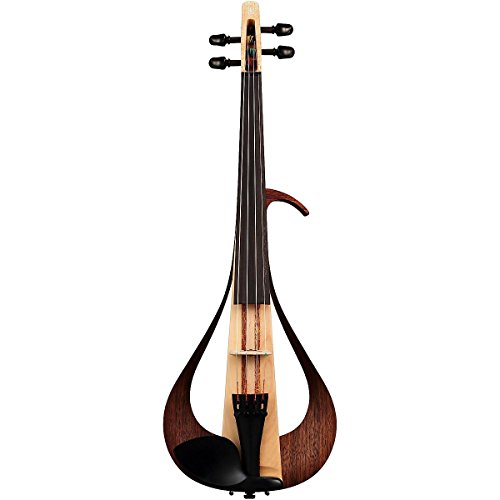
Yamaha YEV104NT
A classically trained violinist who wants the simplest possible route to an amplified instrument without changing technique or managing electronics.
Read the Yamaha YEV104NT review →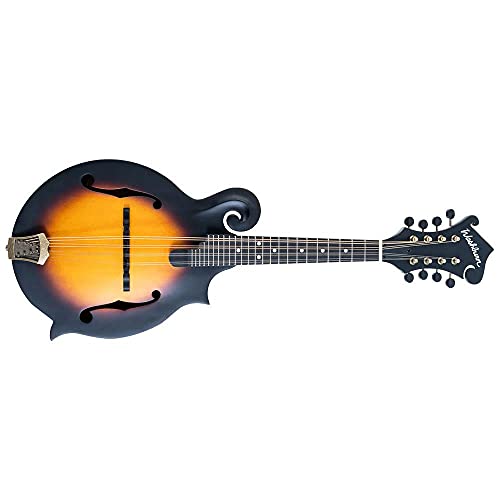
Washburn M108SWK-D
An intermediate bluegrass or Americana player who wants a carved, all solid F style mandolin with a case without stepping into the premium tier.
Read the Washburn M108SWK-D review →
Stagg ECL 4/4 BK
A cellist in shared housing or on the road who needs full size silent practice with headphones and a backing track, plus a feedback free stage signal.
Read the Stagg ECL 4/4 BK review →Questions Buyers Ask
Stagg EDB-3/4 BK
See the current listing, price and included accessories.
About This Review
Mandrillis Team
The Mandrillis editorial team researches and compares audio and music gear using manufacturer documentation, verified specs and real buyer feedback, so you can make a confident purchase without wading through marketing claims.
Read our full research methodology.