Guides
Digital Piano vs MIDI Keyboard for Learning Piano (Guide)
A digital piano and a MIDI keyboard can look similar, but they are built for different jobs. One is a complete instrument with its own sound and speakers, and the other is a controller that needs a computer or tablet. This guide compares them for new piano students and explains who should pick which.
Quick Answer
For learning piano, a digital piano is usually the better choice. It has 88 weighted keys, built-in piano sounds and speakers, and works the moment you turn it on. A MIDI keyboard makes no sound on its own and needs a computer or tablet. It suits music producers more than piano students.
How this guide was put together
This guide is based on manufacturer manuals, published specifications and widely used audio reference standards. Mandrillis does not run hands-on tests for these guides, so treat figures as typical values and check the manual for your own gear before changing settings.
What a Digital Piano Is
A digital piano is a complete instrument. It has keys, piano sounds stored inside, an amplifier and speakers, plus a headphone jack.
Most digital pianos aim to feel and sound like an acoustic piano. They usually have 88 weighted keys and come with a sustain pedal.
- Built-in sounds and speakers.
- Usually 88 weighted keys.
- Works on its own, with no computer.
- Often includes a pedal and a music rest.
What a MIDI Keyboard Is
A MIDI keyboard, also called a MIDI controller, sends note information to a computer, tablet or phone. It does not make any sound by itself.
The device it connects to runs an app or software instrument that turns your playing into sound. Many MIDI keyboards also have pads, knobs and sliders for music production.
Common MIDI Keyboard Sizes
MIDI keyboards come in many sizes. Smaller ones are popular because they fit on a desk.
- 25 and 37 keys: compact, for producers and travel.
- 49 and 61 keys: room for two hands on simple pieces.
- 88 keys: full piano range, sometimes with weighted keys.
Digital Piano vs MIDI Keyboard at a Glance
How the two compare for someone learning piano.
| Feature | Digital piano | MIDI keyboard |
|---|---|---|
| Makes sound on its own | Yes | No, needs a computer or tablet |
| Typical keys | 88 weighted | 25 to 88, often unweighted |
| Setup time | Turn on and play | Connect, open app, select sound |
| Best for | Piano lessons and practice | Music production and beat making |
| Pedal | Usually included | Often sold separately |
| Extra controls | Few | Pads, knobs and sliders |
Key Feel Is the Biggest Difference
Most digital pianos have fully weighted keys that copy the resistance of an acoustic piano. That helps you build finger strength and control.
Most MIDI keyboards have light, springy keys. A few 88 key models offer weighted or hammer action keys, but they are less common and still need a computer to make sound.
Sound and Setup
With a digital piano, you press the power button and play. The piano sound is tuned to match the keys and speakers.
With a MIDI keyboard, you need a device, a cable, an app and a sound. That setup can be easy once you know it, but it adds a step every time you practice.
- Digital piano: power on, play, done.
- MIDI keyboard: connect cable, open app, pick sound, check audio.
- Computer audio delay can make timing feel off.
- Headphones or speakers are needed for the device.
When a Digital Piano Is the Better Choice
A digital piano is the safer pick for most people who want to learn real piano.
- You plan to take piano lessons.
- You want to play classical or traditional piano music.
- You want to practice without a computer.
- A child will use it every day.
- You want a sustain pedal and the full 88 keys.
When a MIDI Keyboard Makes Sense
A MIDI keyboard can be the better choice when your main goal is making music on a computer.
- You want to produce beats or songs in music software.
- You need a compact keyboard for a small desk.
- You mainly play chords and simple melodies.
- You already use a computer or tablet for music.
- You want many different sounds, not just piano.
Using Piano Learning Apps With Each
Many piano learning apps work with both. A digital piano can connect with USB or Bluetooth MIDI, and many apps can also listen through a microphone.
A MIDI keyboard must connect by cable or Bluetooth, since it has no sound for the app to hear. Either way, check the app's list of supported devices first.
Can a Digital Piano Do Both Jobs?
Yes. Most modern digital pianos have a USB to Host port, so they can also act as a MIDI keyboard for a computer.
That makes a digital piano a good all round pick. You get a real instrument for practice and a controller for music software when you want it.
What a Digital Piano Lacks for Production
Digital pianos usually have no pads, knobs or sliders. Producers who use those controls a lot may still want a small MIDI controller as well.
Space and Comfort
An 88 key digital piano is about 52 inches wide and often weighs 25 pounds or more. A 61 key MIDI keyboard is closer to 35 inches wide and much lighter.
Whatever you choose, set the keys at a height where your forearms are level with the keyboard when seated. Take short breaks every 20 to 30 minutes to rest your hands and wrists.
Questions to Ask Before You Buy
A few honest answers make the choice much easier. Think about how you will actually practice each day, not just what sounds exciting.
If most of your answers point to lessons and daily practice, a digital piano is the clear pick. If they point to recording and making songs, a MIDI keyboard is likely enough.
- Will I take lessons from a teacher or app?
- Do I want to practice without turning on a computer?
- How much space do I have, in width and depth?
- Do I care more about piano feel or about many sounds?
- Will someone else in the home use it too?
What You Need Besides the Keyboard
A digital piano usually needs only a stand, a bench and a pair of headphones for quiet practice. Many come with a basic pedal.
A MIDI keyboard needs a computer or tablet, a suitable app, a cable and headphones or speakers. Many players also add a sustain pedal and a stand, so check the total setup before you decide.
The Bottom Line
For learning piano, choose a digital piano with 88 weighted keys. It is ready to play, builds the right finger skills and can still act as a MIDI keyboard later.
Choose a MIDI keyboard if music production is your main goal and you already work with a computer or tablet.
Pianos and MIDI Keyboards From Our Reviews
A beginner digital piano alongside two MIDI keyboards, one with 88 keys and one with 61 keys.
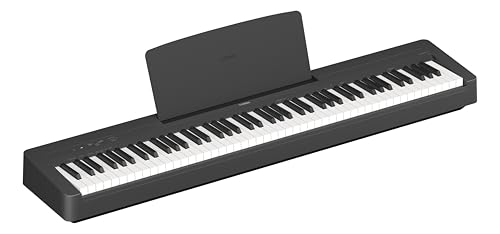
Yamaha P-145
Mentioned
Who Should Buy It
- You are buying a first piano and want the newest entry-level Yamaha
- Space is tight and you need a shallow, light instrument
- You practice with play-along tracks from a phone
Skip It If
- You already play intermediate repertoire with heavy pedaling
- You need line outs for stage or recording use
- You want more than ten sounds
We may earn a commission at no extra cost to you.
Last verified: October 2026

M-Audio Hammer 88 MIDI Keyboard Controller
Mentioned
Who Should Buy It
- Players who want full-size weighted hammer-action keys across 88 keys
- Beginners who want a free 3-month Skoove subscription to start learning
- Producers who want a bundled software suite including MPC Beats and Ableton Live Lite
- Anyone who wants sustain, expression and soft pedal inputs
Skip It If
- You need pads for finger drumming
- You require a dense, named bank of DAW mixing controls
- You already own the bundled software and do not value that part of the purchase
We may earn a commission at no extra cost to you.
Last verified: November 2026

Arturia KeyLab Essential 61 MIDI Keyboard
Mentioned
Who Should Buy It
- Songwriters and beatmakers who want Scale Mode, Chord Mode, and Arpeggiator
- DAW users on Ableton Live, Logic Pro X, or FL Studio looking for custom control scripts
- Beginners who want an expanded software package with pianos and learning subscriptions
- Players who prefer a 61-key layout over mini keys
Skip It If
- You require a fully weighted or hammer action keyboard
- You need detailed hardware specifications before purchase
- You rely on 5-pin MIDI or standalone hardware operation
We may earn a commission at no extra cost to you.
Last verified: October 2026
Keep Reading
Related guides and picks on Mandrillis:
- Best Digital Pianos for Beginners : ready to play pianos
- Best MIDI Keyboards : controllers for music software
- Weighted vs Semi Weighted Keys for Beginners : why key feel matters
FAQs
About This Guide
Mandrillis Team
The Mandrillis editorial team researches and compares audio and music gear using manufacturer documentation, verified specs and real buyer feedback, so you can make a confident purchase without wading through marketing claims.
Read our full research methodology.