Guides
What Is Polyphony in a Digital Piano? (How Much You Need)
Polyphony is one of the most listed and least explained specs on a digital piano. It decides how many notes the piano can sound at once before older notes start to drop. This guide explains what polyphony means, why the sustain pedal and layered sounds use it up so fast, and how much a beginner or advanced player really needs.
Quick Answer
Polyphony is the number of notes a digital piano can sound at the same time. When you go past the limit, the oldest notes cut off. For beginners, 64 notes is the minimum, 128 is comfortable for most players, and 192 to 256 helps with heavy pedal use, layered sounds and advanced pieces.
How this guide was put together
This guide is based on manufacturer manuals, published specifications and widely used audio reference standards. Mandrillis does not run hands-on tests for these guides, so treat figures as typical values and check the manual for your own gear before changing settings.
What Polyphony Means
Polyphony is the maximum number of notes, or voices, a digital piano can play at one moment. A piano listed with 128 note polyphony can sound up to 128 notes together.
When you play more notes than that, the piano has to drop some. It usually drops the oldest notes first, which are often the ones fading under the sustain pedal.
- Measured in notes or voices.
- Common values: 32, 48, 64, 128, 192 and 256.
- Higher numbers mean fewer dropped notes.
- Only matters for digital instruments, not acoustic pianos.
Why You Need More Than Ten Notes
You only have ten fingers, so it seems strange to need 64 or more notes. The reason is that notes keep sounding after you lift your fingers.
The sustain pedal, layered sounds and even the piano's own effects all add voices. A single key press can use more than one voice.
What Uses Up Polyphony
These features can quickly add up to dozens of voices at once.
- Sustain pedal: every note keeps ringing until you lift the pedal.
- Fast passages: notes overlap as they fade.
- Layered sounds: piano plus strings uses at least two voices per key.
- Stereo samples: some pianos use two voices for each note.
- String resonance and damper effects: add extra voices for realism.
- Built-in rhythms and recording playback: share the same limit.
How Much Polyphony Do You Need?
General guidance by playing level and style.
| Polyphony | Best for | Possible limits |
|---|---|---|
| 32 to 48 notes | Very basic practice and toys | Notes drop with pedal use |
| 64 notes | Early beginners and simple pieces | Can drop notes with heavy pedal |
| 128 notes | Most students and home players | Rarely an issue for solo piano |
| 192 notes | Intermediate to advanced players | Very few limits |
| 256 notes | Advanced players, layers and recording | Effectively no limit for most music |
What Note Dropping Sounds Like
When polyphony runs out, notes that should still be ringing suddenly stop. You may notice that a low bass note under a long pedal fades away too early.
In fast or busy music, the sound can seem thinner than expected. On low polyphony pianos, glissandos or rolled chords with the pedal down are a common place to hear it.
Polyphony for Beginners
Early beginner pieces use few notes and little pedal. A piano with 64 note polyphony handles them without problems.
However, students progress quickly. If you plan to keep playing for more than a year, 128 note polyphony gives room to grow without needing an upgrade.
Polyphony for Intermediate and Advanced Players
Romantic era pieces, such as works by Chopin or Liszt, use the sustain pedal heavily and cover the whole keyboard. These can push lower polyphony pianos past their limit.
For this music, 192 to 256 note polyphony helps keep every note ringing as written. It also helps when recording, where any dropped note is easy to hear on playback.
Layering, Splitting and Recording
Layering two sounds, such as piano and strings, can halve your available polyphony. Splitting the keyboard into bass and piano also shares the same pool of voices.
Many pianos let you record a part and then play along with it. The recorded part and your live playing both count toward the limit.
- Layer mode: each key may use two or more voices.
- Split mode: both sides share the same limit.
- Duo mode for teacher and student: both halves share it too.
- Recorder playback: counts as live notes.
Is Higher Polyphony Always Better?
More polyphony helps, but it is not the most important spec. Key action, sound quality and speakers usually affect your playing far more.
A piano with 128 note polyphony and a great key action is often a better buy than one with 256 notes and light, springy keys.
Specs That Matter More for Most Players
Check these first, then use polyphony as a tie breaker.
- Fully weighted 88 key action.
- Realistic piano sound sample.
- Speaker power and clarity.
- A good sustain pedal, ideally with half pedaling.
- USB to Host for apps and recording.
Where to Find the Polyphony Spec
Polyphony is listed in the specifications section of the manual or product page. It may be written as maximum polyphony or number of voices.
Do not confuse it with the number of sounds, often also called voices or tones. A piano may have 20 sounds but 128 note polyphony.
Using MIDI and Software Pianos
If you connect your piano to a computer and use a software piano, the computer sets the polyphony. Many software pianos allow very high limits, but more voices use more processing power.
If notes crackle or drop in software, raise the audio buffer size or lower the voice limit in the plugin settings.
Tips to Avoid Running Out of Notes
If your current piano has low polyphony, a few habits can help you get around it.
- Lift and change the sustain pedal more often.
- Turn off layered sounds when practicing solo piano.
- Switch off extra resonance effects if your piano allows it.
- Turn off accompaniment rhythms while practicing.
- Use a computer piano with higher polyphony for recording.
How to Check Polyphony Yourself
You can hear the limit with a simple exercise. Hold the sustain pedal down and play a slow, wide arpeggio from the lowest key to the highest, then back down.
Listen to the first low notes. If they cut off suddenly before they have faded naturally, the piano has run out of voices. On pianos with 128 or more notes, they usually fade smoothly instead.
- Use a plain piano sound with no layers.
- Keep the volume moderate.
- Play the same exercise on each piano you compare.
- Repeat with layer mode on to hear the difference.
The Bottom Line
Polyphony is how many notes a digital piano can sound at once. The sustain pedal and layered sounds use it up much faster than your fingers do.
Aim for 128 note polyphony for most learners, 64 as a minimum, and 192 to 256 for advanced repertoire or heavy layering. Weigh it alongside key action and sound, which matter more.
Digital Pianos From Our Reviews
Popular portable digital pianos from entry level to step up models.
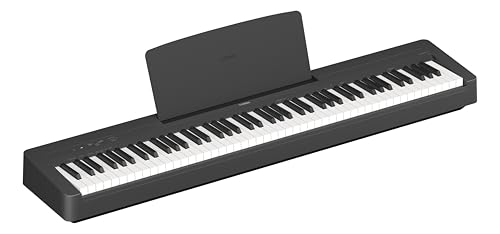
Yamaha P-145
Mentioned
Who Should Buy It
- You are buying a first piano and want the newest entry-level Yamaha
- Space is tight and you need a shallow, light instrument
- You practice with play-along tracks from a phone
Skip It If
- You already play intermediate repertoire with heavy pedaling
- You need line outs for stage or recording use
- You want more than ten sounds
We may earn a commission at no extra cost to you.
Last verified: October 2026

Roland FP-30X
Mentioned
Who Should Buy It
- You want the best action under the FP-60X without compromise elsewhere
- You stream backing tracks over Bluetooth and record over USB
- You gig and need line outs plus two headphone jacks
Skip It If
- Weight and depth are the constraint; the PX-S1100 is lighter and slimmer
- You prefer the Kawai sound signature
- You never leave the house and want a console with three pedals built in
We may earn a commission at no extra cost to you.
Last verified: October 2026

Yamaha P-225
Mentioned
Who Should Buy It
- You want the best piano sound in Yamaha's portable range below the P-525
- You need line outs for a stand mixer, PA or interface
- You play layered or pedal-heavy pieces that exhaust 64-note pianos
Skip It If
- Key feel matters more to you than tone; try the FP-30X or ES120 first
- You want built-in speakers that can fill a room
- You are a complete beginner on a tight budget; the P-145 covers you
We may earn a commission at no extra cost to you.
Last verified: October 2026
Keep Reading
Related guides and picks on Mandrillis:
- Best Digital Pianos : compare specs across models
- How to Choose a Digital Piano : the full feature checklist
- Weighted vs Semi Weighted Keys for Beginners : the spec that matters most
FAQs
About This Guide
Mandrillis Team
The Mandrillis editorial team researches and compares audio and music gear using manufacturer documentation, verified specs and real buyer feedback, so you can make a confident purchase without wading through marketing claims.
Read our full research methodology.