
Guides
Do I Need a Preamp for My Turntable? (Check in 60 Seconds)
Every turntable needs a phono preamp somewhere in the chain, but many setups already have one built in. This guide explains phono vs line signal, the three places a preamp can hide, and when buying an external one is worth it.
Quick Answer
Yes, every turntable needs a phono preamp, but you may already have one. Check for a PHONO and LINE switch on the back of your turntable, a PHONO input on your receiver, or a PHONO setting on powered speakers. If none of these exist, you need an external phono preamp between the turntable and your speakers.
How this guide was put together
This guide is based on manufacturer manuals, published specifications and widely used audio reference standards. Mandrillis does not run hands-on tests for these guides, so treat figures as typical values and check the manual for your own gear before changing settings.
Phono Signal vs. Line Signal, in Plain Words
A turntable cartridge makes a very small signal, called phono level. A typical moving magnet cartridge puts out about 5 millivolts. A phone, CD player or streamer puts out line level, which is roughly a hundred times stronger.
Phono signal also has its bass turned down and its treble turned up when the record is made. This is called the RIAA curve. A phono preamp does two jobs: it boosts the signal to line level, and it reverses that curve so the music sounds balanced.
- Without a preamp, the music sounds extremely quiet and thin, with almost no bass.
- With two preamps in a row, the sound is loud, harsh and distorted.
- With exactly one preamp, the sound is full and clean at normal volume.
How to Check If You Already Have a Built-In Preamp (3 Places to Look)
Only one preamp should be active in your setup. Check these three spots in order. The whole check takes about a minute.
1. Back of Your Turntable (Phono/Line Switch)
Turn the turntable around and look near the RCA cables. Many beginner and mid-range decks, including the Audio-Technica AT-LP60X and AT-LP120X families, have a small switch labeled PHONO and LINE.
That switch means a preamp is built in. Set it to LINE when you plug into a normal input such as AUX, CD or powered speakers. Set it to PHONO only when the turntable connects to a separate phono preamp or a PHONO input.
2. Your Stereo Receiver ("Phono" Input)
Look at the inputs on the back of your receiver or amplifier. If one pair of RCA jacks is labeled PHONO, it has a phono stage inside. There is often a small GND screw next to it for the turntable's ground wire.
Many older stereo receivers have one. Many modern home theater receivers and soundbars do not, so check rather than assume.
3. Powered Speakers
Some powered bookshelf speakers built for vinyl have a PHONO input or an input switch with a PHONO setting. That means they include a preamp.
If your speakers only show AUX, LINE, optical or Bluetooth, they expect line level. A turntable without a built-in preamp needs an external one before it reaches them.
Quick Setup Rules That Prevent Problems
Most preamp mistakes come from using two at once or none at all. Use this table of rules to match your gear.
- Turntable with a built-in preamp into AUX or LINE: set the switch to LINE.
- Turntable with a built-in preamp into a PHONO input: set the switch to PHONO, so only the receiver's preamp works.
- Turntable without a preamp into a PHONO input: no extra gear needed.
- Turntable without a preamp into AUX, LINE or powered speakers: add an external phono preamp in between.
- Bluetooth turntables: the preamp is built in and the wireless signal is already line level.
When Should You Buy an External Phono Preamp?
An external preamp is required when nothing in your system has one. It is optional, but often worth it, when the built-in one is basic.
Built-in preamps inside budget turntables are made to be cheap and small. A separate unit usually has a cleaner power supply and better parts, and it sits farther from the motor, which can lower hum and background noise.
Good Reasons to Upgrade
Consider an external preamp if your setup has one of these issues. Each is common with entry-level built-in stages.
- You hear a low hum or hiss that does not change with the record.
- You upgraded the cartridge and want to hear the difference.
- You plan to use a moving coil cartridge, which needs extra gain most built-in stages lack.
- Your receiver or speakers have no PHONO input at all.
How to Connect One
Run RCA cables from the turntable into the preamp's input. Connect the turntable's ground wire to the preamp's GND post. Then run a second pair of RCA cables from the preamp's output to the AUX or LINE input on your amplifier or powered speakers.
If your turntable has a PHONO and LINE switch, set it to PHONO so the deck's own preamp is bypassed. Keep the preamp a few inches away from its power adapter and from the turntable motor to avoid picking up hum.
Do USB and Bluetooth Turntables Need a Preamp?
USB turntables always include a preamp, because the USB output needs a line-level signal to work. The analog RCA outputs on these decks usually have a PHONO and LINE switch too.
Bluetooth turntables also have one built in. The wireless signal leaves the deck already boosted, so Bluetooth speakers and headphones need no extra gear.
Signs Your Preamp Setup Is Wrong
If the sound seems off, the preamp setup is the first thing to check. These symptoms point to a quick fix.
- Very quiet sound you must turn up almost all the way: no preamp is active.
- Loud, crunchy sound even at low volume: two preamps are active.
- Sound only from one speaker: a loose RCA plug, not a preamp issue.
- Steady hum with the stylus resting: check the ground wire first.
- Sound cuts in and out: reseat the RCA cables at both ends.
Do You Need an External Preamp?
Find your setup in the left column.
| Your setup | Preamp needed? | Turntable switch |
|---|---|---|
| Built-in preamp into AUX | No | LINE |
| Built-in preamp into PHONO input | No | PHONO |
| No built-in preamp into PHONO input | No | No switch |
| No built-in preamp into AUX or powered speakers | Yes | No switch |
| Bluetooth turntable to Bluetooth speaker | No | Not used |
Moving Magnet vs. Moving Coil: Does It Matter?
Most beginner and mid-range turntables ship with a moving magnet cartridge. Almost every phono preamp supports moving magnet, so you rarely need to think about it.
Moving coil cartridges put out far less signal, sometimes under 0.5 millivolts. They need a preamp with a moving coil setting or extra gain. Check the cartridge type before you buy a preamp, and pick one that lists support for it.
External Phono Preamps From Our Reviews
If your system has no built-in phono stage, or you want to upgrade the one you have, these are good places to start.
Pro-Ject Phono Box S3 B
Mentioned
Who Should Buy It
- Turntable owners wanting a dedicated, high-end phono preamp
- Buyers with both MM and MC cartridges wanting loading flexibility
- Audiophiles with a balanced-input amplifier downstream
- Listeners wanting European handmade build quality
Skip It If
- You want an all-in-one receiver with built-in phono
- You do not have a balanced-input amplifier to take advantage of the balanced output
- You want a stated weight or dimensions before buying
We may earn a commission at no extra cost to you.
Last verified: November 2026
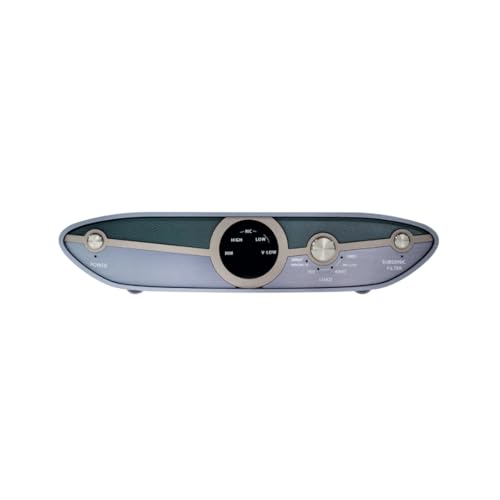
iFi Zen Phono 3
Mentioned
Who Should Buy It
- Turntable owners using low output moving coil cartridges
- Listeners who want to adjust loading and gain independently
- Users dealing with turntable rumble or low frequency noise
- Budget conscious vinyl enthusiasts upgrading from a built in phono stage
Skip It If
- You only use a moving magnet cartridge with fixed loading needs
- You need wireless streaming or digital conversion
- You require detailed physical specifications and included accessories before buying
We may earn a commission at no extra cost to you.
Last verified: October 2026
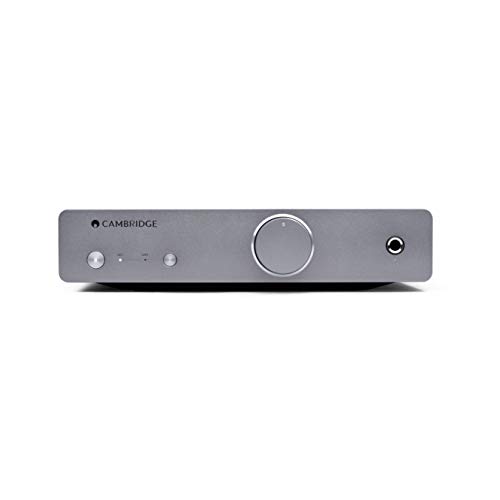
Cambridge Audio Duo Phono Preamplifier
Mentioned
Who Should Buy It
- Turntable owners wanting a dedicated phono preamp
- Buyers with both MM and MC cartridges wanting one preamp for either
- Listeners who want a built-in headphone amplifier for private listening
- Buyers wanting precise RIAA equalization accuracy
Skip It If
- You want an all-in-one receiver with built-in phono
- You need front panel cartridge loading adjustment
- You want a stated weight or dimensions before buying
We may earn a commission at no extra cost to you.
Last verified: November 2026
Keep Reading
Related guides and picks on Mandrillis:
- Best Phono Preamps : our picks for upgrading or adding a phono stage
- How to Ground a Turntable Without a Ground Wire : stop hum when you add a preamp
- Best Turntables Under 500 : many include a switchable built-in preamp
FAQs
About This Guide
Mandrillis Team
The Mandrillis editorial team researches and compares audio and music gear using manufacturer documentation, verified specs and real buyer feedback, so you can make a confident purchase without wading through marketing claims.
Read our full research methodology.