Instruments Review
Casio CDP-S160 Review: Light, Weighted, USB-MIDI Ready
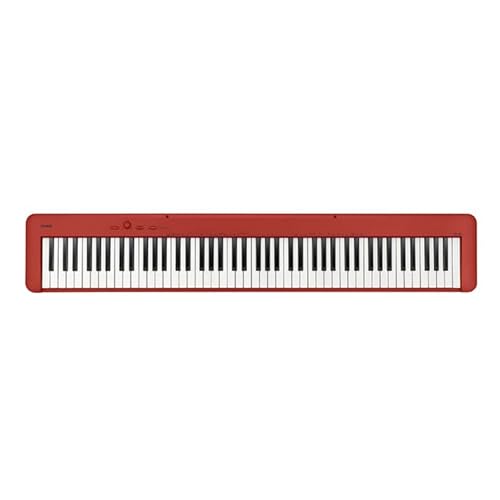
The Casio CDP-S160 is an 88-key scaled hammer-action digital piano weighing 23.1 lbs, powered by batteries or an adapter, with a driverless USB-MIDI connection and a free companion app. It is piano-first, with no pads or DAW-specific control, but it covers MIDI basics well.
Our Verdict
Research Score 72/100The Casio CDP-S160 is first and foremost a well-built, genuinely portable 88-key weighted digital piano, with simulated ivory and ebony key surfaces, Duet mode for lessons, and a battery power option that is rare at this weight and key count. Its driverless USB-MIDI connection and free companion app add real, confirmed MIDI controller function on top of that piano-first design, even though it lacks pads, a dense control panel, and named DAW integration. For a student or beginner who wants one portable instrument that also talks to a computer or phone, this is a sound, honest choice. Players who need deep DAW control or a large onboard tone bank should look at a dedicated controller or a higher-tier instrument instead.
Editorial research score based on published specifications and documented features, not a customer rating or lab test.
Casio
Casio CDP-S160
Best for: Students and beginner to intermediate players who want a genuinely portable 88-key weighted piano that also works as a simple USB-MIDI controller.
Skip it if: You need DAW-specific control templates, pads, or a large bank of onboard tones and effects.
Check Price on AmazonWe may earn a commission at no extra cost to you.
Listing verified: November 2026
Who Should Buy It
Buy it if
- Beginners and students aged 6 and up learning on a weighted 88-key instrument
- Players who want battery power for practicing away from an outlet
- Anyone who wants a driverless USB-MIDI connection for a computer or mobile device
- Buyers who want duet mode for side-by-side lessons
Skip it if
- You need a deep bank of onboard tones and effects
- You require named DAW integration or a dense control panel
- You want finger drumming pads built into the same instrument
Key Specifications
| Keys | 88 scaled hammer-action weighted keys with simulated ivory and ebony key surfaces |
| Key type | Scaled hammer action, weighted, graded across the 88-key range |
| Pads | Not applicable; no drum or finger pads are described |
| Knobs and faders | Not published in listing beyond basic function buttons for tone, layering, reverb and chorus selection |
| DAW integration | Not published in listing; USB-MIDI output and the Casio Music Space app are the stated computer and mobile connections |
| Bundled software | Free Casio Music Space app for adjusting settings, learning MIDI songs, and controlling pitch and tempo of audio files |
| Connectivity | USB-MIDI port, described as requiring no driver installation on Mac, PC, iOS or Android |
| Power | 6 AA batteries or the included adapter |
| Weight | 23.1 lbs |
| Included accessories | Power adapter; Duet mode and a one-button MIDI recorder are built in |
Overview
The Casio CDP-S160 is primarily a standalone 88-key weighted digital piano, built for home and student practice, and it earns its place in this review series because it also functions as a class-compliant USB-MIDI controller. That dual role, full digital piano plus simple MIDI output, sets it apart from the dedicated keyboard controllers covered elsewhere in this lineup.
The listing describes 88 scaled hammer-action keys with simulated ivory and ebony surfaces, a Duet mode for side-by-side lessons, and a slim, portable design that weighs 23.1 lbs. It runs on 6 AA batteries or the included adapter, which is unusual flexibility for an 88-key instrument.
On the connectivity side, the listing states a USB-MIDI port that needs no driver installation on Mac, PC, iOS or Android. That is paired with the free Casio Music Space app for adjusting settings, learning MIDI songs, and controlling pitch and tempo of audio files.
Keys, Pads and Feel
The CDP-S160 uses 88 scaled hammer-action keys, meaning the resistance is graded across the keyboard the way an acoustic piano's hammers feel heavier in the bass and lighter in the treble. The listing also mentions simulated ivory and ebony surfaces on the keys, aimed at a more secure grip and a more traditional piano feel under the fingers.
Duet mode is named directly in the listing, splitting the keyboard into two equal ranges with matching pitch so a teacher and a student, or two players, can sit side by side and play the same notes. That is a specific, confirmed feature rather than a general claim.
There are no pads on the CDP-S160, and the listing does not suggest any. This is a piano-first instrument, and players who also want finger drumming pads should treat that as a separate purchase rather than expecting it from this model.
Knobs, Faders and DAW Integration
The CDP-S160 does not describe a bank of knobs or faders the way a dedicated DAW control surface does. Instead, the listing points to simple function buttons for selecting tones, layering sounds, and adjusting reverb and chorus effects.
No DAW-specific integration, such as named templates for particular recording software, is stated in the listing. The USB-MIDI connection is described as a general-purpose link rather than one built around deep DAW mixing control.
For a player who wants to record performances or control a software instrument, the practical path is to use the driverless USB-MIDI connection as a basic note and controller source. Any deeper mixing or routing then happens inside the DAW itself rather than from the piano's own panel.
Software, Sounds and Features
The listing names 10 built-in tones, including a grand piano sound, with layering and adjustable reverb and chorus effects available on top. That is a modest onboard sound set compared with higher-tier digital pianos, but it covers the core practice and performance needs most beginner and intermediate players have.
The free Casio Music Space app is the main software feature tied to this instrument, described as letting a user adjust settings, learn MIDI songs, and control the pitch and tempo of audio files in real time. That turns a phone or tablet into a practice companion rather than requiring a separate computer setup.
A built-in metronome and a one-button MIDI recorder round out the feature list, letting a player record a performance as MIDI data directly on the instrument without needing a connected computer running at the same time. For a beginner working through structured lessons, that onboard recorder is a simple way to capture progress without learning any recording software at all.
- 10 built-in tones including a grand piano sound
- Layering with adjustable reverb and chorus effects
- Free Casio Music Space app for lessons and playback control
- Built-in metronome and one-button MIDI recorder
Build, Design and Portability
At 23.1 lbs, the CDP-S160 is genuinely light for an 88-key weighted instrument, and the listing frames the design specifically as slim and space-saving. That combination of full key count and comparatively low weight is the main portability story here.
Running on 6 AA batteries or the included adapter is a build choice that matters for portability as much as weight does. It lets a player practice somewhere without a nearby outlet, something most 88-key weighted pianos in this price range do not offer.
Student, hobbyist and on-the-go pianist are the exact buyer types the listing names for the CDP-S160. That language matches the lightweight, battery-capable design rather than describing a studio-fixture instrument meant to stay permanently in one room.
Connectivity and Power
The USB-MIDI port is the headline connectivity feature, and the listing specifically calls out that it needs no driver installation on Mac, PC, iOS or Android. That is a meaningful convenience for a student or hobbyist who does not want to manage driver software.
Power comes from 6 AA batteries or the included adapter, giving a genuine choice between portable, cordless practice and standard plug-in operation. The listing does not state battery life in hours, so players relying on batteries for extended sessions should test their own usage pattern.
Headphone output is implied by the mention of practicing quietly with headphones in the feature list, letting a player use the instrument without disturbing others, alongside the instrument's own built-in speakers for normal playback. That combination of built-in speakers, headphone practice and a driverless MIDI port covers the three most common ways a student actually uses an instrument like this day to day.
Setup and Daily Use
Setup for standalone play is immediate, since the CDP-S160 is a complete instrument with its own speakers and does not require a computer connection to produce sound. Connecting the USB-MIDI port to a computer or mobile device for the driverless MIDI connection is an optional extra step.
Daily use for a student centers on the 88 weighted keys, the 10 built-in tones, and Duet mode for lessons. The Casio Music Space app adds guided learning content and playback control from a phone or tablet on top of that.
The one-button MIDI recorder supports a simple daily workflow of capturing a practice take directly on the instrument, without needing to open a DAW or connect to a computer at all. That lowers the barrier for a student who just wants to track progress.
Who Should Buy It
The CDP-S160 suits a student or beginner, explicitly framed for ages 6 and up in the listing, who wants a genuine 88-key weighted piano experience. It gives that experience without the bulk or cost of a higher-tier instrument.
It also suits someone who wants portability, thanks to the 23.1 lbs weight and battery power option. It suits someone who wants a simple, driverless USB-MIDI connection for basic computer or mobile use without configuring a DAW-specific template as well.
It is not the right choice for a producer who wants a dense control surface or named DAW integration. It is also not the choice for someone who wants a large bank of onboard tones and effects beyond the 10 named in the listing.
Alternatives Worth Considering
Entry-level 88-key digital pianos such as the Yamaha P-45 or P-145 and the Roland FP-10 are commonly compared instruments in this category, generally known for similar weighted key actions and basic onboard tone sets. Their exact weight, battery options and tone counts should be checked against their own current listings.
The Korg B2 is another frequently compared beginner digital piano, often positioned around a similarly compact, portable design. None of these alternatives is confirmed here to match the CDP-S160's specific battery-power option, so that detail is worth checking directly if cordless practice matters to a buyer.
For a buyer who wants a dedicated MIDI keyboard controller rather than a standalone digital piano, the Studiologic and M-Audio models covered elsewhere in this review packet are a better match. They trade the CDP-S160's built-in speakers and tone set for a lighter, purely controller-focused design aimed squarely at computer-based production.
Verdict
The Casio CDP-S160 is first and foremost a well-built, genuinely portable 88-key weighted digital piano, with simulated ivory and ebony key surfaces, Duet mode for lessons, and a battery power option that is rare at this weight and key count. That combination alone justifies its place among beginner and student instruments.
Its driverless USB-MIDI connection and free companion app add real, confirmed MIDI controller function on top of that piano-first design, even though it lacks pads, a dense control panel, and named DAW integration. For a student or beginner who wants one portable instrument that also talks to a computer or phone, this is a sound, honest choice.
Strengths and Limitations
Strengths
- 88 scaled hammer-action weighted keys with simulated ivory and ebony surfaces
- Driverless USB-MIDI connection to Mac, PC, iOS or Android
- Lightweight at 23.1 lbs for an 88-key weighted instrument
- Runs on 6 AA batteries or the included adapter
- Free Casio Music Space app adds lesson and playback control features
Limitations
- No pads, and knob or fader count beyond basic function buttons is not published
- No DAW-specific integration or templates are described
- Only 10 built-in tones, fewer than some higher-tier digital pianos
- No stated Bluetooth audio or wireless MIDI option
How We Scored It
Scores reflect published specifications, documented features and value against the alternatives below. They are editorial research scores, not laboratory measurements.
Alternatives to Consider

Yamaha Montage M6 61-Key
Professional synth players and producers who want a flagship 61-key instrument with massive polyphony, analog style synthesis and a matching software plugin.
Read the Yamaha Montage M6 61-Key review →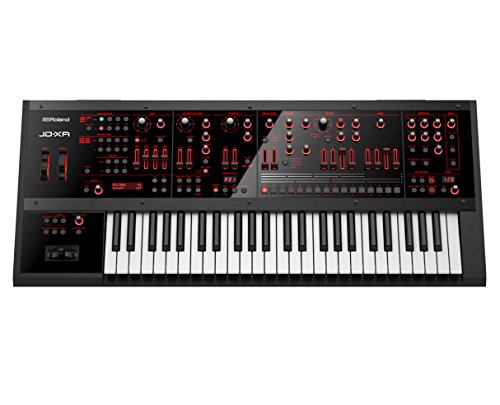
Roland JD-XA 49-Key
Synthesists who want genuine discrete analog voices and a digital engine in one 49-key crossover instrument with deep real time filter control.
Read the Roland JD-XA 49-Key review →
Pioneer DJ DDJ-FLX10 4-Channel
Mobile and open-format DJs who want a 4-channel club style controller with live stem separation and lighting control from one unit.
Read the Pioneer DJ DDJ-FLX10 4-Channel review →Questions Buyers Ask
Casio CDP-S160
See the current listing, price and included accessories.
About This Review
Mandrillis Team
The Mandrillis editorial team researches and compares audio and music gear using manufacturer documentation, verified specs and real buyer feedback, so you can make a confident purchase without wading through marketing claims.
Read our full research methodology.