Instruments Review
Korg phase8 Review: Acoustic Synthesis and CV Control
The Korg phase8 is an eight-voice electromechanical synthesizer with swappable steel resonators, direct acoustic interaction, a polymetric sequencer, and MIDI plus CV connectivity. It is not a conventional MIDI keyboard controller, but it offers a distinctive hardware sound design experience.
Our Verdict
Research Score 74/100The Korg phase8 Acoustic Synthesizer Limited Edition is a bold, niche instrument that blends acoustic resonance with electronic sequencing and connectivity. The eight electromechanical voices and swappable steel resonators are unique among MIDI controllers and desktop synthesizers. The broad CV, MIDI, and sync options make it appealing for hybrid hardware setups. The main limitation is a lack of published specifications for power, weight, keybed, and bundled software. That makes an informed purchase harder, especially at an upper mid-range price. Buyers who prioritize traditional keys, pads, or DAW control should look elsewhere. But for experimental musicians who want physical, expressive sound design, the phase8 delivers a distinctive set of tools that few other devices offer.
Editorial research score based on published specifications and documented features, not a customer rating or lab test.

KORG
Korg phase8 Acoustic Synthesizer Limited Edition
Best for: Experimental musicians and sound designers who want acoustic resonator textures with sequencer and CV integration.
Skip it if: Shoppers who need a portable, traditional MIDI keyboard controller with velocity pads and deep DAW integration.
Check Price on AmazonWe may earn a commission at no extra cost to you.
Listing verified: October 2026
Who Should Buy It
Buy it if
- Hardware sequencer enthusiasts looking for an unusual sound source
- Modular synthesists who want CV and sync connectivity
- Producers seeking tactile, acoustic texture without software
- Sound designers building custom scales and physical interactions
Skip it if
- Buyers who need velocity-sensitive keys and drum pads
- Musicians who prefer plug-and-play DAW control with bundled software
- Shoppers who require clear power and portability specifications
Key Specifications
| Keys | Not published; no traditional keyboard keybed described |
| Key type | Not published; interaction via resonators, not keys |
| Pads | No velocity-sensitive drum pads described |
| Knobs and faders | AIR slider described; other controls not specified |
| DAW integration | MIDI TRS-A and USB-MIDI; no DAW-specific control surface published |
| Bundled software | Not published in listing |
| Connectivity | MIDI TRS-A, USB-MIDI, Sync I/O, CV input ±5V, 1/4 inch line out, 3.5mm headphone out |
| Power | Not published in listing |
| Weight | Not published in listing |
| Included accessories | 13 swappable and tunable steel resonators; other accessories not specified |
Overview
The Korg phase8 Acoustic Synthesizer Limited Edition is an eight-voice electromechanical instrument rather than a conventional MIDI keyboard controller. The listing describes a design built around eight independent voices that use vibrating steel resonators, with electronic control shaping each voice. This hybrid approach places it outside the usual analog versus digital categories. It is positioned in the upper mid-range price tier, which signals a specialized and likely limited-production instrument.
The product listing highlights a set of 13 swappable, tunable steel resonators, of which any eight can be installed at once to build a custom scale and tone. The instrument also includes a polymetric sequencer, MIDI and CV connectivity, and direct acoustic interaction. Because many traditional controller specifications are absent, this review focuses on the published feature set rather than in-person measurements. Shoppers should not expect a standard keybed or pad grid from this product.
Keys, Pads and Feel
The listing does not describe a traditional keyboard keybed, velocity-sensitive drum pads, or standard controller action. Instead, the playing surface appears to be the resonators themselves, which can be touched, plucked, strummed, or tapped. The published description says the instrument is alive and responsive to physical touch and acoustic feedback. This is a significant departure from the synth-action or semi-weighted keys found on typical MIDI controllers.
With no conventional key type published, shoppers who expect piano-style expression or pad finger drumming will need to adjust their expectations. On paper, the feel is centered on acoustic resonance and direct manipulation rather than key travel or aftertouch. The AIR slider is the only described control for shaping how strongly the resonators respond to contact. Buyers should treat the lack of key and pad specifications as a deliberate design choice, not an omission in a standard controller. The listing suggests that the physical feedback of steel resonators is central to the playing experience.
Knobs, Faders and DAW Integration
The listing names one physical control: the AIR slider, which boosts or tames the acoustic response of anything that contacts the resonators. Beyond that, the exact number and type of knobs, buttons, or faders are not published. The deep sequencing and modulation tools are described in functional terms, not as dedicated hardware controls. This makes the hardware interface hard to evaluate from the listing alone, especially for users who rely on assignable encoders and faders.
DAW integration is not tied to Ableton Live, Logic Pro, or any specific software. Instead, the phase8 provides MIDI TRS-A and USB-MIDI for triggering notes and syncing tempo. The listing also mentions Sync I/O, which suggests compatibility with clock signals from other hardware. Without a published control surface map or software editor, users should expect to configure DAW workflows manually or use the sequencer standalone. The instrument seems designed more for hardware sequencing than for controlling software instruments.
Software, Sounds and Features
The phase8 does not ship with a published bundled software package like a DAW or virtual instrument collection. Its sound engine is the eight electromechanical voices themselves, shaped by envelope control per voice. The listing says users can shape each voice from short percussive hits to long, sustained notes. That range is broad but the exact envelope stages and curve options are not specified.
The built-in polymetric sequencer supports step programming and unquantized live recording, with per-voice step skip and eight onboard memory slots. Modulation tools include tremolo, pitch-dependent modulation, tempo-synced trigger delay, and full parameter automation. These features suggest a capable pattern generator for experimental and rhythmic work, though the interface for editing them is not described in detail. The listing implies that automation can be recorded or programmed, but the method is not specified.
- 13 swappable and tunable steel resonators, install any 8
- Polymetric sequencer with step and live recording, per-voice skip
- Tremolo, pitch-dependent modulation, and tempo-synced trigger delay
- 8 onboard memory slots for sequence storage
- Direct resonator interaction including touch, pluck, strum, and tap
Build, Design and Portability
The phase8's build is centered on steel resonators, which the listing says are chromatically tuned and swappable. The use of steel suggests a durable acoustic component, but the chassis material, dimensions, and total weight are not published. Because it is described as a limited edition instrument, fit and finish may be a priority, but the listing does not specify exact construction details or enclosure materials.
Portability is unclear from the published information. The desktop form factor and headphone output imply it can be used in compact setups, but without weight or dimensions, travel suitability is unknown. The inclusion of a quarter-inch line out and MIDI/CV connectivity suggests it is intended for studio or stage integration rather than handheld use. Shoppers who need a lightweight MIDI keyboard for a backpack should look elsewhere. The limited edition status may also mean fewer units available, which could affect long-term support.
Connectivity and Power
The phase8 offers an unusually broad connection set for an instrument of this type. The listing names MIDI TRS-A, USB-MIDI, Sync I/O, and a CV input rated at ±5V. There are also quarter-inch line out and 3.5mm headphone out. This covers MIDI, modular synth, and audio connections in a single unit. No Bluetooth or wireless connectivity is mentioned.
Power information is not published in the listing. The product may rely on USB bus power, an external adapter, or an internal supply, but the listing does not state which. This is an important omission for buyers planning a portable or stage rig. Without a published power spec, it is hard to assess whether the phase8 can run from a laptop or requires a dedicated PSU. The CV input and audio outputs also imply line-level and control voltage standards, but the exact operating voltage for the unit itself is unknown.
Setup and Daily Use
Setup appears to involve installing eight of the thirteen included resonators into the instrument and tuning or retuning them as desired. The listing says the resonators are chromatically tuned and swappable, so users can build custom scales. Envelope control per voice then shapes the response from short to long. This is a more involved physical setup than simply connecting a USB controller and loading a plugin.
Daily use likely revolves around the sequencer and direct acoustic manipulation. The eight memory slots allow saving sequences, while unquantized live recording captures timing nuances. The AIR slider offers quick control over acoustic response. However, because the listing does not describe a software editor or detailed menu system, users should be comfortable with a hardware workflow and possibly a limited display. The ability to bring in found objects for new textures adds a do-it-yourself element to everyday sound exploration.
Who Should Buy It
The phase8 suits experimental musicians, sound designers, and hardware sequencer enthusiasts who value acoustic resonance over traditional keybed feel. Modular synthesists will appreciate the CV input and Sync I/O. Electronic producers who want a tactile, playable resonator instrument with MIDI and USB sequencing may find it compelling. Those who already own MIDI keyboard controllers but want a distinctive textural source are also candidates.
Buyers who need a portable MIDI keyboard with velocity pads and deep DAW integration should look at conventional alternatives. The phase8 is not a general-purpose controller. Its appeal is narrow, and the missing power and build specs may deter risk-averse shoppers. Still, for the right user, it offers a sound palette that is hard to replicate with software alone.
Alternatives Worth Considering
Shoppers seeking a more traditional MIDI keyboard controller might consider the Akai MPK Mini MK3 or Arturia MiniLab 3 for compact keys and pads with bundled software. The Novation Launchkey Mini offers tighter DAW integration for Ableton Live. None of these produce acoustic resonator sounds, but they cover standard MIDI controller duties with clearer specifications.
For hardware sequencers with unusual sound engines, products from Teenage Engineering or Soma Laboratory may occupy similar experimental territory, though their published specs differ widely. The Korg phase8's closest peers are likely other electromechanical or resonator instruments, but the listing does not identify direct competitors. Shoppers should compare CV and MIDI implementations carefully before choosing.
Verdict
The Korg phase8 Acoustic Synthesizer Limited Edition is a bold, niche instrument that blends acoustic resonance with electronic sequencing and connectivity. The eight electromechanical voices and swappable steel resonators are unique among MIDI controllers and desktop synthesizers. The broad CV, MIDI, and sync options make it appealing for hybrid hardware setups.
The main limitation is a lack of published specifications for power, weight, keybed, and bundled software. That makes an informed purchase harder, especially at an upper mid-range price. Buyers who prioritize traditional keys, pads, or DAW control should look elsewhere. But for experimental musicians who want physical, expressive sound design, the phase8 delivers a distinctive set of tools that few other devices offer.
Strengths and Limitations
Strengths
- Eight independent electromechanical voices with steel resonators
- 13 swappable and tunable resonators for custom scales
- Polymetric sequencer with step and unquantized live recording
- MIDI TRS-A, USB-MIDI, Sync I/O, and CV input
- Direct acoustic interaction with AIR slider control
- Quarter-inch line out and headphone output
Limitations
- Traditional keybed and drum pads are not included or specified
- Power source and power supply are not published
- Weight and dimensions are not listed
- No bundled software or DAW control surface described
- Upper mid-range price with limited hardware controls
How We Scored It
Scores reflect published specifications, documented features and value against the alternatives below. They are editorial research scores, not laboratory measurements.
Alternatives to Consider
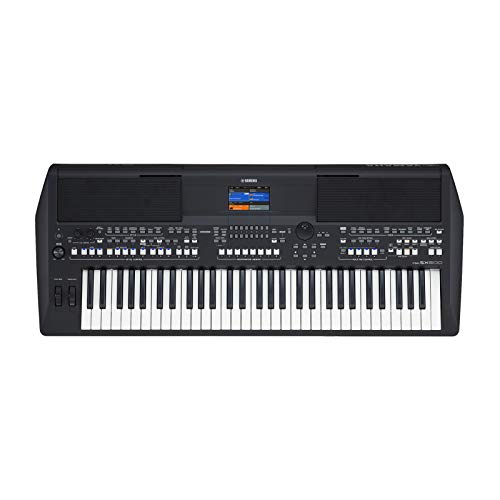
Yamaha PSR SX600 Digital Arranger Keyboard
Home musicians and live performers who want an arranger keyboard with a large sound library and automatic accompaniment.
Read the Yamaha PSR SX600 Digital Arranger Keyboard review →
Behringer SYSTEM 35 Complete Modular Synthesizer
A modular synthesist who wants a complete vintage-style Eurorack voice with five oscillators and multi-stage filtering, paired with external MIDI or CV control.
Read the Behringer SYSTEM 35 Complete Modular Synthesizer review →
Korg Pa300 Professional Arranger Keyboard
Performers wanting an arranger keyboard with on board sounds, styles, and a songbook database in a compact form factor, as described by the listing.
Read the Korg Pa300 Professional Arranger Keyboard review →Questions Buyers Ask
Korg phase8 Acoustic Synthesizer Limited Edition
See the current listing, price and included accessories.
About This Review
Mandrillis Team
The Mandrillis editorial team researches and compares audio and music gear using manufacturer documentation, verified specs and real buyer feedback, so you can make a confident purchase without wading through marketing claims.
Read our full research methodology.