Instruments Review
Korg Pa300 Professional Arranger Keyboard Review: Compact Arranger Power
The Korg Pa300 Professional Arranger Keyboard targets performers who need sounds, styles, and song recall in one package. The listing highlights the Enhanced Rx engine, Pa600 level PCM, over 310 styles, and a programmable SongBook. Several connectivity and build specs remain unpublished, which limits a full assessment.
Our Verdict
Research Score 60/100The Korg Pa300 Professional Arranger Keyboard presents an appealing core feature set for an arranger: Enhanced Rx sounds, Pa600 level PCM, over 310 styles, and a programmable SongBook. The compact cabinet with built in amplification adds practical value. However, the listing leaves too many technical specs unpublished for a confident recommendation. Keybed type, pads, knobs, faders, DAW integration, connectivity, power, and weight are all missing. At an upper mid range price, this lack of detail is a real drawback. The score of 60 reflects strong sound and style features balanced against significant unknowns. Buyers who can test the keyboard in person or find a full spec sheet may discover it suits them well. For those who cannot, the risk is higher.
Editorial research score based on published specifications and documented features, not a customer rating or lab test.

KORG
Korg Pa300 Professional Arranger Keyboard
Best for: Performers wanting an arranger keyboard with on board sounds, styles, and a songbook database in a compact form factor, as described by the listing.
Skip it if: You need a fully specified MIDI controller with clear pad, knob, and DAW integration details, since the listing does not publish those specs.
Check Price on AmazonWe may earn a commission at no extra cost to you.
Listing verified: October 2026
Who Should Buy It
Buy it if
- Keyboard players who need a self contained arranger with a large style library
- Musicians who value the Korg sound engine and want Pa600 level PCM without the size
- Performers who need a compact cabinet with built in amplification for stage or home
- Anyone who relies on the SongBook database for quick song setting recall
Skip it if
- You require a controller with drum pads and clearly listed DAW integration
- You need to know keybed type, connectivity ports, and power source before buying
- You want a lower cost MIDI controller and do not need arranger features
Key Specifications
| Keys | 61 |
| Key type | Not published in listing |
| Pads | Not published in listing |
| Knobs and faders | Not published in listing |
| DAW integration | Not published in listing |
| Bundled software | Not published in listing |
| Connectivity | Not published in listing |
| Power | Not published in listing |
| Weight | Not published in listing |
| Included accessories | Not published in listing |
Overview
The Korg Pa300 Professional Arranger Keyboard is an upper mid range instrument positioned as a compact arranger with a 61 key layout. The product listing emphasizes a real experience sound engine called Enhanced Rx, which supposedly delivers improved realism and vivid sound. This model is not positioned as a barebones MIDI controller but as a self contained keyboard with onboard styles and sounds. The listing does not provide a full technical specification sheet, so several important details remain unclear.
Korg markets the Pa300 as having a massive internal factory PCM that is equivalent to the best selling Pa600. This suggests that the sound palette is a core strength. The feature set also includes over 310 factory styles, each with dedicated intro, ending, variation, and fill controls. These arranger functions are the primary appeal for live performers and songwriters who need backing accompaniment quickly. The product is described as elegantly designed and compact with a built in amplification system, but exact dimensions and weight are not published.
Because this is an arranger rather than a pure MIDI controller, buyers looking for DAW integration and pad performance may need to look elsewhere. The listing does not mention pads, knobs, faders, or any DAW control surface features. This review will evaluate what is known and identify the gaps that a buyer must research before purchasing.
Keys, Pads and Feel
According to the listing, the Korg Pa300 has 61 keys, which is a common size for arranger keyboards that need to balance range and portability. However, the listing does not specify the key type, such as synth action, semi weighted, or fully weighted. Without this information, it is impossible to describe the feel of the keybed from the published data. Buyers who have a strong preference for a particular key action will need to consult additional sources or try the instrument in person.
There is no mention of velocity sensitivity, aftertouch, or any type of pad in the product listing. Many modern MIDI controllers include drum pads for beat production, but this arranger keyboard does not list any pad section. The feature set focuses on performance styles and sound selection rather than pad based triggering. This is not necessarily a negative, but it means the Pa300 is not a direct replacement for pad centric controllers like the Akai MPK Mini MK3 or Novation Launchkey Mini.
The absence of published keybed details is a notable gap for an upper mid range instrument. Korg has a reputation for quality keybeds on some models, but the listing does not provide enough information to confirm the Pa300's feel. Potential buyers should treat this as an unknown and investigate the keybed type before committing.
Knobs, Faders and DAW Integration
The product listing does not mention any knobs, faders, or other assignable controls. Arranger keyboards often include a data wheel, assignable buttons, and real time controls, but none of these are described for the Pa300. The absence of this information makes it difficult to judge how the keyboard would function in a studio or live setting where in-person control over parameters is needed.
DAW integration is also not published in the listing. There is no indication of HUI or Mackie Control protocol support, no mention of transport controls, and no published compatibility with major DAWs such as Ableton Live, Logic Pro, or Cubase. The Pa300 appears to be designed primarily as a standalone arranger with its own sounds and styles, rather than as a control surface for software. Buyers who need a dedicated MIDI controller for DAW work should note this omission.
Some arranger keyboards do offer basic MIDI over USB, but the listing does not confirm this. Until the manufacturer provides a full specification, the Pa300's role as a MIDI controller remains undefined. The score for controls and integration reflects this lack of published detail, keeping it low compared to controllers with clearly listed knobs, faders, and DAW features.
Software, Sounds and Features
The main selling point of the Korg Pa300 is its Enhanced Rx sound engine. The listing states this technology offers improved realism and vivid sound, which suggests a high level of sonic quality for an arranger in this class. The internal factory PCM is said to be equivalent to the best selling Pa600, which implies a large and versatile sound set. The number of individual sounds is not specified, but the comparison to the Pa600 gives some context.
The Pa300 includes over 310 factory styles, each with three intro/endings, four variations, four fill ins, and breaks. This is a substantial collection of accompaniment patterns for live performance and songwriting. The fully programmable SongBook database is another key feature, allowing instant recall of any song setting. This is useful for gigging musicians who need to switch settings quickly between songs.
No bundled software is mentioned in the listing, such as a DAW, virtual instruments, or editing applications. For a product positioned as a self contained arranger, bundled computer software may be less critical, but buyers who expect software licenses should verify before purchase. The software score is moderate because the internal sounds and styles are a form of software content, but the absence of published bundled software and DAW integration limits the overall assessment.
- Enhanced Rx sound engine for improved realism
- Internal PCM equivalent to the Korg Pa600
- Over 310 factory styles with intros, variations, fills, and endings
- Fully programmable SongBook database for instant recall
Build, Design and Portability
According to the listing, the Pa300 features an elegantly designed and compact cabinet. The word compact suggests it is more portable than full size 88 key workstations or larger arranger keyboards. The cabinet also includes a pristine amplification system, which means the keyboard has built in speakers and does not require external monitoring for basic use. This is a plus for home practice and small venue performance.
No weight or exact dimensions are published in the listing. Without those numbers, portability cannot be fully evaluated. The compact description implies a manageable size, but a 61 key arranger with built in speakers can still be bulky depending on depth and height. Buyers who plan to carry the keyboard to gigs should look for the official weight specification before purchasing.
Build quality is also not described in detail. There is no mention of the materials used for the chassis or keybed. Korg products generally have a reputation for reliable construction, but that cannot be assumed from this listing alone. The build score is moderate because the compact design and built in amplification are positive points, but the lack of weight and material data prevents a higher rating.
Connectivity and Power
The product listing does not specify any connectivity options for the Korg Pa300. There is no mention of USB, MIDI ports, audio outputs, headphone jacks, or pedal inputs. This is a significant omission for a keyboard in the upper mid range price tier, as connectivity determines how the instrument can be used in a studio, on stage, or with a computer. Without this information, a buyer cannot know if the Pa300 will integrate with their existing setup.
Power requirements are also not published. The listing does not say whether the keyboard uses an external power supply, is bus powered via USB, or can run on batteries. Arranger keyboards typically need AC power due to built in speakers and amplification, but this is not confirmed. The absence of a power specification makes it harder to assess portability and live use scenarios.
Because connectivity and power are fundamental to daily use, the low score in this category reflects the listing's failure to provide essential technical details. A product with this feature set would benefit from a full rear panel description, but none is available. Buyers should obtain the official manual or a detailed spec sheet before making a purchase decision.
Setup and Daily Use
Based on the published features, the Korg Pa300 is designed for immediate use as an arranger keyboard. The SongBook database promises instant recall of any song setting, which would streamline setup for live performers. The large style library and Enhanced Rx sounds are meant to be accessible without complex programming. However, the listing does not describe the user interface, screen type, or menu system, so daily operation cannot be fully evaluated.
The compact cabinet with built in amplification suggests that the Pa300 can be set up quickly and used without external speakers for practice or small gigs. The 61 key layout is a standard size that most players can adapt to easily. The lack of published connectivity details, however, means that connecting pedals, external audio, or a computer may require additional research. Without a published manual, the out of box experience is uncertain.
For users who primarily need onboard styles and sounds, the Pa300's feature set looks straightforward. The three intro/endings and four variations per style provide a lot of musical flexibility for live arrangements. The absence of pads and clear DAW integration means the keyboard is less suited to beat making or software control, but as a standalone instrument it should be usable once connected correctly. The unknown power and port details are the main setup hurdles.
Who Should Buy It
The Korg Pa300 Professional Arranger Keyboard is best suited for keyboard players who need a self contained arranger with a large style library and high quality sounds. Live performers in genres that rely on backing tracks, such as solo entertainers, wedding musicians, or church players, would benefit from the SongBook database and the 310 plus styles. The compact cabinet with built in speakers makes it practical for smaller stages and home practice.
Songwriters who want quick accompaniment for composing or jamming could also find the Pa300 useful. The Enhanced Rx sound engine and Pa600 equivalent PCM provide a wide sonic palette without needing a computer. The instant recall of song settings is a time saver for anyone who plays a varied setlist. However, these users must be comfortable with the missing connectivity and control specifications.
Musicians who already own other Korg gear and are familiar with the brand's arranger workflow may find the Pa300 a natural fit. The comparison to the Pa600 suggests that this model offers a similar core sound set in a more affordable and compact package. Yet, the listing's lack of detailed specs means buyers should confirm the keybed feel, ports, and power requirements before finalizing.
Alternatives Worth Considering
If the missing pad and DAW integration details are a dealbreaker, dedicated MIDI controllers from Akai, Arturia, Novation, Native Instruments, M-Audio, and Nektar offer clearly listed features and deep software integration. These controllers typically include drum pads, knobs, faders, and bundled software, but they do not have onboard sounds or arranger styles. The choice depends on whether you need a self contained instrument or a control surface for a computer based setup.
For those who want an arranger keyboard with a more complete published specification, other Korg models or competitors from Yamaha and Roland may provide full keybed, connectivity, and weight details. The Pa300's listing is sparse, which is unusual for a product at this price point. A buyer who needs certainty about MIDI and audio connections should compare full spec sheets before deciding.
The Arturia MiniLab 3 and Novation Launchkey Mini are compact controller options with pads and software bundles, but they lack the onboard sounds and styles of the Pa300. The Akai MPK Mini MK3 is similarly pad focused. None of these are direct replacements for the Pa300's arranger functions, but they score higher on published controller features. The right choice depends on whether you prioritize onboard sound generation or software control.
Verdict
The Korg Pa300 Professional Arranger Keyboard presents an appealing core feature set for an arranger: Enhanced Rx sounds, Pa600 level PCM, over 310 styles, and a programmable SongBook. The compact cabinet with built in amplification also adds practical value for performers. The upper mid range price is justified if the internal sounds and styles meet a buyer's needs, but the listing leaves too many technical specs unpublished for a confident recommendation.
The absence of keybed type, pads, knobs, faders, DAW integration, connectivity, power, and weight information severely limits the evaluation. A product at this price should have these details readily available. The score of 60 out of 100 reflects the strong sound and style features balanced against the significant unknowns. This keyboard is not a low cost budget item, so the missing data is a real drawback.
Ultimately, the Pa300 could be an excellent arranger for the right user, but the listing does not provide enough evidence to call it a top pick. Buyers who can test the keyboard in person or find a full specification sheet may discover it suits them well. For those who cannot, the risk is higher. The feature set is promising, but the lack of published connectivity and control details makes it hard to recommend without reservation.
Strengths and Limitations
Strengths
- Enhanced Rx sound engine promises improved realism and vivid sound
- Large internal PCM voice set equivalent to the best selling Pa600
- Over 310 factory styles with dedicated intro, ending, variation, and fill controls per style
- Fully programmable SongBook database allows instant recall of song settings
- Compact cabinet with built in amplification described as pristine
Limitations
- Listing omits keybed type, pad count, and knobs or faders
- No published information on DAW integration or MIDI controller functionality
- Connectivity, power source, and included accessories are not specified
- Weight and exact dimensions are not listed, limiting portability assessment
- Upper mid range price with many core specifications left unknown
How We Scored It
Scores reflect published specifications, documented features and value against the alternatives below. They are editorial research scores, not laboratory measurements.
Alternatives to Consider
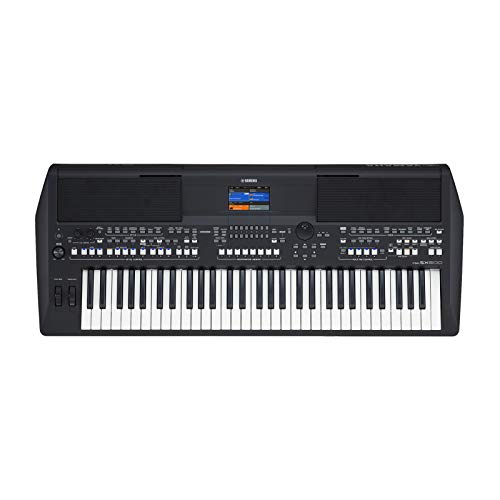
Yamaha PSR SX600 Digital Arranger Keyboard
Home musicians and live performers who want an arranger keyboard with a large sound library and automatic accompaniment.
Read the Yamaha PSR SX600 Digital Arranger Keyboard review →
Yamaha MX88 Music Production Synthesizer
Keyboard players and producers who want an 88 note weighted synthesizer with direct USB audio and MIDI recording without a pile of separate gear.
Read the Yamaha MX88 Music Production Synthesizer review →
Korg phase8 Acoustic Synthesizer Limited Edition
Experimental musicians and sound designers who want acoustic resonator textures with sequencer and CV integration.
Read the Korg phase8 Acoustic Synthesizer Limited Edition review →Questions Buyers Ask
Korg Pa300 Professional Arranger Keyboard
See the current listing, price and included accessories.
About This Review
Mandrillis Team
The Mandrillis editorial team researches and compares audio and music gear using manufacturer documentation, verified specs and real buyer feedback, so you can make a confident purchase without wading through marketing claims.
Read our full research methodology.