Digital Pianos Review
Casio Privia PX-S3100 Review: The PX-S1100 With an Arranger Inside
The PX-S3100 keeps the PX-S1100's slim cabinet, Smart Scaled Hammer Action and AiR engine and adds 700 tones, 200 rhythms, a pitch bend wheel, two knobs and USB audio recording. This review covers what the extras add for a performer or songwriter, what stays the same for a pianist, and whether the premium over the PX-S1100 is worth it.
Our Verdict
Research Score 85/100The Casio PX-S3100 is the slim piano for players who also need a keyboard: 700 tones, 200 accompaniment rhythms, a pitch bend wheel, knobs and USB audio recording in the same 232 mm deep case as the PX-S1100. Pianists who will not use those features should save money with the PX-S1100, because the action, engine and speakers are identical. Performers and songwriters get a lot of instrument for the difference.
Editorial research score based on published specifications and documented features, not a customer rating or lab test.

Casio
Casio Privia PX-S3100
Best for: Players who want the PX-S1100's slim piano plus a full arranger and performance controls
Skip it if: you only play piano and would rather spend on action or speakers
Check Price on AmazonWe may earn a commission at no extra cost to you.
Listing verified: October 2026
Who Should Buy It
Buy it if
- You write and perform with backing rhythms and need many sounds
- You want pitch bend and knobs for synth and organ parts
- You record practice or performances to a USB stick
Skip it if
- You want the heaviest action at this price; try the FP-30X
- The 700 tones are not something you will use
- You need louder onboard speakers
Key Specifications
| Key Action | Smart Scaled Hammer Action |
| Sound Engine | Casio AiR with resonance |
| Voices | 700 |
| Polyphony | 192 notes |
| Speakers | 2 x 8 W |
| Bluetooth | Audio and MIDI via included WU-BT10 adapter |
| USB | USB to Host; USB flash-drive audio recording |
| Pedals | Sustain pedal included; SP-34 triple pedal optional |
| Weight | 25.1 lb (11.4 kg) |
| Form Factor | Ultra-slim portable, battery capable |
Same Piano, More Keyboard
Casio builds the PX-S3100 and PX-S1100 on one platform: 88 keys with the Smart Scaled Hammer Action, the AiR sound engine with string and damper resonance, 192-note polyphony, two 8 watt speakers, a 232 mm deep case that runs on six AA batteries, and the WU-BT10 Bluetooth adapter in the box. Everything a pianist touches is the same.
What the PX-S3100 adds is a keyboard player's toolkit: 700 tones instead of 18, 200 auto-accompaniment rhythms, a pitch bend wheel, two assignable knobs, a backlit display, a registration memory and audio recording to a USB flash drive. The front panel gains more touch controls to manage all of it.
Action
The Smart Scaled Hammer Action is graded, textured and quick, with a lighter touch than Roland's PHA-4 Standard or Kawai's RHC. It suits fast passages and keyboard-style playing, which is appropriate for an instrument with an arranger inside, and it is a credible piano action for beginners through intermediate level. Advanced pianists should try the Roland FP-30X before choosing it. The review of the PX-S1100 covers the action in detail and everything there applies here.
Tones, Rhythms and Controls
The 700 tones range from the AiR grands and electric pianos through organs with rotary effects, strings, brass, guitars, basses, drums and synths. Quality varies as it does in any large library, but the core piano, electric piano, organ and strings are as good as the PX-S1100's and the synth and bass sounds make splits and layers useful for live playing.
The 200 rhythms turn the PX-S3100 into an arranger: play a chord with the left hand and a full rhythm section follows, with intros, fills and endings. The pitch bend wheel and knobs add expression for lead and organ sounds. Registrations store panel setups for quick recall on stage.
Sound and Speakers
The AiR engine gives the grands resonance and the 192-note polyphony handles layered, pedaled playing with rhythms running. The 2 x 8 W speakers are the same as the PX-S1100's: fine for practice, not for performing to a room. The quarter-inch line outputs feed an amplifier or PA, which is how the PX-S3100 will be used by most performers.
Connectivity
Two headphone jacks, line outputs, USB to Host for MIDI, USB to Device for recording and playback, a sustain jack and the SP-34 pedal port cover everything. The WU-BT10 adapter adds Bluetooth audio and MIDI, and the Casio Music Space app handles settings and lessons wirelessly. Battery operation on six AA cells makes it a rare arranger piano that can busk.
PX-S3100 Against the Alternatives
Against the PX-S1100, the only question is whether you will use the arranger, the wheel and the recorder; if not, the PX-S1100 is the same piano for less. Against the Roland FP-30X, the Roland has the better action and louder speakers but only 56 tones and no rhythms. Against the Roland FP-E50, the closest arranger-piano rival, the Roland has the heavier PHA-4 action, the ZEN-Core engine and a mic input at a higher price and in a heavier case.
The PX-S3100 is the pick for a slim, light, battery-capable instrument that is both a piano and a keyboard.
Setup, Stand and Everyday Use
The PX-S3100 ships with the SP-3 sustain pedal, a music rest, the WU-BT10 Bluetooth adapter and a power adapter. On Casio's CS-68 stand with the SP-34 three-pedal unit it becomes a slim console with soft, sostenuto and half-damper pedals; on an X-stand it is a 25 pound stage keyboard that runs on batteries when a venue's power is doubtful. The touch panel carries more functions than the PX-S1100's, and most owners lean on the Casio Music Space app for anything beyond tone and rhythm selection.
Registrations are the feature that makes the PX-S3100 practical live: store a split, a layer, a rhythm and a tempo as one memory and recall it with a button between songs. Combined with the pitch bend wheel and the two knobs mapped to filter or effect depth, it covers the synth and organ parts a solo performer needs without a second keyboard.
Who Keeps It
Worship musicians, singer-songwriters, cover band players and teachers who use rhythms in lessons tend to keep the PX-S3100 as their main instrument, because it does two jobs in one case. Pure pianists who bought it for the tones and never used the rhythms often wish they had bought the PX-S1100 and better headphones. Knowing which you are is the whole decision.
Strengths and Limitations
Strengths
- 700 tones and 200 rhythms in the same slim case as the PX-S1100
- Pitch bend wheel and two assignable knobs
- Audio recording to a USB flash drive
- Bluetooth audio and MIDI adapter included, battery capable
Limitations
- Same light Smart Scaled action as the PX-S1100
- Touch panel is busier with more functions
- Speakers are small for an arranger
How We Scored It
Scores reflect published specifications, documented features and value against the alternatives below. They are editorial research scores, not laboratory measurements.
Alternatives to Consider

Casio Privia PX-S1100
Players who want a serious, slim, wireless-ready piano that still travels easily
Read the Casio Privia PX-S1100 review →
Roland FP-30X
Anyone who wants the complete mid-range portable: realistic action, generous polyphony, every connection
Read the Roland FP-30X review →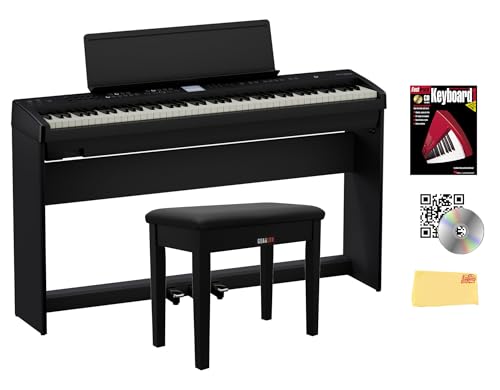
Roland FP-E50
Singer-songwriters and worship players who want Roland's piano action with a full arranger and a mic input
Read the Roland FP-E50 review →Questions Buyers Ask
Casio Privia PX-S3100
See the current listing, price and included accessories.
About This Review
Mandrillis Team
The Mandrillis editorial team researches and compares audio and music gear using manufacturer documentation, verified specs and real buyer feedback, so you can make a confident purchase without wading through marketing claims.
Read our full research methodology.