Digital Pianos Review
Kawai ES110 Review: The ES120's Predecessor, Still Worth It at a Discount
The ES110 was Kawai's popular mid-range portable before the ES120 replaced it: the RHC action, the Harmonic Imaging engine with 88-key sampling, 192-note polyphony, Bluetooth MIDI, line outputs and built-in speakers, but no USB port. This review explains what the ES120 changed and when the ES110 is still the right buy.
Our Verdict
Research Score 80/100The Kawai ES110 is worth buying only at a clear discount to the ES120. It shares the 88-key sampled grand, 192-note polyphony, Bluetooth MIDI and line outputs, and its RHC action is the original version of the ES120's. What it lacks is a USB port and Bluetooth audio, and its speakers are smaller. If the gap is small, buy the ES120; if the ES110 is on clearance, it is still one of the warmest-sounding portables at its price.
Editorial research score based on published specifications and documented features, not a customer rating or lab test.

Kawai
Kawai ES110
Best for: Buyers who find the ES110 clearly cheaper than the ES120 and want Kawai tone in a light portable
Skip it if: you want USB, Bluetooth audio or the ES120's refinements at a similar price
Check Price on AmazonWe may earn a commission at no extra cost to you.
Listing verified: October 2026
Who Should Buy It
Buy it if
- You found a genuine discount against the ES120
- You like Kawai's sound and will connect apps over Bluetooth MIDI
- You want line outputs and a light piano
Skip it if
- Prices are close; buy the ES120
- You need a USB connection to a computer
- You want Bluetooth audio streaming
Key Specifications
| Key Action | Responsive Hammer Compact (RHC) |
| Sound Engine | Harmonic Imaging with 88-key sampling |
| Voices | 19 |
| Polyphony | 192 notes |
| Speakers | Built-in stereo |
| Bluetooth | MIDI |
| USB | No USB; 5-pin MIDI |
| Pedals | F-10H pedal included; F-350 triple pedal optional |
| Weight | Not published reliably; listing figure may include packaging |
| Form Factor | Portable slab |
Where the ES110 Stands
The ES110 was Kawai's answer to the Roland FP-30 for several years and it remains on sale while the ES120 takes over. The listing confirms the Responsive Hammer Compact action, built-in stereo speakers, Bluetooth MIDI, 192-note polyphony and dual and split modes. Kawai's specification adds 19 sounds, quarter-inch line outputs, 5-pin MIDI in and out and a headphone jack; there is no USB port. The listing's 30 pound weight may include packaging; Kawai's figure for the ES110 is a little lower.
Action
RHC on the ES110 is the original Responsive Hammer Compact: graded, smooth and slightly light, with two sensors and no let-off. The ES120 redesigned it for a quieter mechanism and better return but kept the character. Against the Roland FP-30X's PHA-4 Standard the Kawai is lighter and lacks escapement; against the Yamaha P-225's GHC it is the more substantial keyboard.
Sound and Speakers
The Harmonic Imaging engine samples Kawai's concert grand on every key with damper resonance, and the ES110's grand is warm and round, the reason the model was popular. Nineteen sounds cover a second grand, uprights, electric pianos, organs, strings and bass. Polyphony is 192 notes. The speakers are smaller than the ES120's and suit a practice room.
Connectivity
Bluetooth MIDI connects Kawai's apps and lesson apps wirelessly, which largely covers the missing USB for tablets and phones. Line outputs feed an amplifier or interface, 5-pin MIDI drives hardware, and a sustain jack takes the included F-10H pedal. There is no Bluetooth audio and no USB audio.
Setup and Accessories
The ES110 ships with a music rest, the F-10H pedal and a power adapter. Kawai's HML-1 stand and F-350 triple pedal convert it into a slim console. It is a light, easy one-person carry.
Daily Use
Owners use the ES110 much as they use the ES120: headphones in the evening, where the 88-key sampling shines, and the speakers by day for practice. The PianoRemote app over Bluetooth MIDI handles sounds and the Virtual Technician settings, and lesson apps connect the same way. Four Hands mode splits the keyboard for a teacher and student. The lack of USB is felt only when recording into a computer, which needs the line outputs into an interface.
ES110 or ES120
The ES120 adds a USB port, Bluetooth audio, a redesigned RHC action, 25 sounds and improved speakers for a modest premium when both are at full price. At the same price the ES120 is the obvious choice. At a clear clearance discount, the ES110 is the same tone and polyphony with fewer connections, and a sound buy for a player who connects over Bluetooth and does not record.
Against other brands at the ES110's clearance price, the Roland FP-10 has a better action and the Yamaha P-145 a slimmer case; the Kawai sounds warmer than either.
Setup and Accessories
The ES110 ships with a music rest, the F-10H sustain pedal and a power adapter, and it sits on any X-stand. Kawai's HML-1 furniture stand and F-350 triple pedal unit turn it into a slim console with soft, sostenuto and half-damper pedals. Because the piano has no USB port, a Bluetooth MIDI-capable tablet is the easiest companion; a computer without Bluetooth needs a 5-pin MIDI interface. Headphones with a quarter-inch plug or an adapter complete the setup.
Resale and the Used Market
The ES110 sold in large numbers for years, so used examples are common and well priced. A used ES110 in good condition is one of the best-value ways into Kawai's 88-key sampled tone, provided the buyer accepts the missing USB port. New stock at clearance prices competes with the ES120 only when the discount is substantial; otherwise the newer model's USB, Bluetooth audio and redesigned action are worth the difference.
Long-Term Fit
The ES110 holds a player through intermediate level and its tone does not date. The missing USB port is the practical limit, and the ES120 or ES920 are the upgrades. As a discontinued model it resells below the ES120, which is fair if it was bought below it.
Strengths and Limitations
Strengths
- Kawai's 88-key sampled grand at a discontinued-model price
- RHC action with a smooth, even touch
- Bluetooth MIDI and 192-note polyphony
- Line outputs and a light build
Limitations
- Replaced by the ES120, which added Bluetooth audio and a redesigned action
- No USB port; MIDI is 5-pin and Bluetooth only
- Older model with declining availability
How We Scored It
Scores reflect published specifications, documented features and value against the alternatives below. They are editorial research scores, not laboratory measurements.
Alternatives to Consider

Kawai ES120
Players who prize a warm, acoustic-like piano tone and a light, well-connected portable
Read the Kawai ES120 review →
Roland FP-10
Beginners who want the best key feel available under the entry price ceiling
Read the Roland FP-10 review →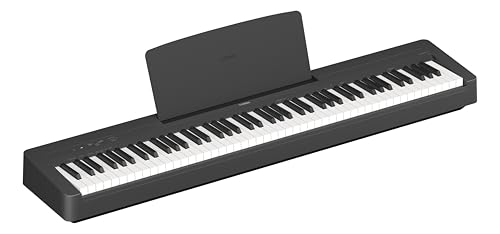
Yamaha P-145
Beginners who want the current Yamaha entry model with app control and a slim footprint
Read the Yamaha P-145 review →Questions Buyers Ask
Kawai ES110
See the current listing, price and included accessories.
About This Review
Mandrillis Team
The Mandrillis editorial team researches and compares audio and music gear using manufacturer documentation, verified specs and real buyer feedback, so you can make a confident purchase without wading through marketing claims.
Read our full research methodology.