Studio Gear Review
Heil Sound PR40 Review: Multipurpose Dynamic Mic
The Heil Sound PR40 is a cardioid dynamic microphone with a confirmed 28Hz to 18kHz frequency response and a chrome body and grill. This research review covers what the listing confirms and the sensitivity and accessory details it leaves unstated.
Our Verdict
Research Score 73/100The Heil Sound PR40 gives buyers a genuinely specific, itemized set of facts, a cardioid pattern, a 28Hz to 18kHz frequency response, a dynamic element, and a standard 3-pin XLR connection, laid out plainly rather than wrapped in marketing language. That clarity is a real strength compared with some thinner listings in this research series. What the listing does not confirm, sensitivity, maximum SPL, included accessories and weight, is still a meaningful gap for buyers wanting a complete spec sheet. At a lower mid-range price tier, this microphone is well suited to broadcast, podcast and general studio use, backed by Heil Sound's reputation as a specialist multipurpose dynamic microphone maker.
Editorial research score based on published specifications and documented features, not a customer rating or lab test.

Heil Sound
Heil Sound PR40
Best for: Broadcasters, podcasters and multipurpose studio users who want a confirmed 28Hz to 18kHz cardioid dynamic microphone with a chrome finish, at a lower mid-range price tier.
Skip it if: You need a confirmed sensitivity figure or an included shockmount before purchase, since neither is stated in this listing.
Check Price on AmazonWe may earn a commission at no extra cost to you.
Listing verified: November 2026
Who Should Buy It
Buy it if
- Broadcasters and podcasters who want a confirmed, specific frequency response range
- Multipurpose studio users who want one dynamic microphone for vocals, instruments and broadcast work
- Buyers who want a dynamic design that does not require phantom power
- Buyers who value a chrome finish and standard 3-pin XLR connection
Skip it if
- You need a confirmed sensitivity or maximum SPL figure before purchase
- You need an included shockmount or other mounting accessory confirmed as part of the purchase
- You need onboard controls such as a pad switch confirmed before buying
Key Specifications
| Type | Large diaphragm dynamic microphone with a chrome body and grill |
| Polar pattern | Cardioid |
| Frequency response | 28Hz to 18kHz |
| Connection | 3-pin XLR |
| Phantom power | Not required; this is a dynamic microphone design |
| Max SPL or sensitivity | Not published in listing |
| Controls | Not published in listing |
| Mount and stand | Not published in listing |
| Weight | Not published in listing |
| Included accessories | Not published in listing |
Overview
The Heil Sound PR40 is presented in its listing with a clean, itemized specification format, naming the chrome body and grill construction, a 3-pin XLR output connection, a dynamic element type, a 28Hz to 18kHz frequency response, and a cardioid polar pattern directly, rather than relying on vague marketing language.
That format gives buyers a clearer, more confident starting point than many other listings in this research series, since five concrete facts are stated plainly rather than buried in promotional copy, even though the listing still leaves some specifications, sensitivity and maximum SPL chief among them, unaddressed.
Heil Sound has built a specific reputation around multipurpose dynamic microphones designed to perform well across a range of applications, from broadcast and podcasting to vocal and instrument recording, and the PR40 specifically is a well known model within that positioning.
The chrome body and grill finish is a notable physical detail, suggesting a build intended to stand out visually as well as to perform reliably, which some buyers specifically value for on-camera or broadcast visibility alongside the microphone's audio performance.
Sound Quality
The confirmed 28Hz to 18kHz frequency response is a genuinely useful, specific figure, extending into lower bass frequencies than many broadcast-focused dynamic microphones typically specify, which suggests this microphone is engineered to capture a fuller low end than a narrowly voice-focused design.
No sensitivity figure in millivolts per pascal or maximum SPL rating is published in this listing, which leaves output level and headroom for extremely loud sources as open questions for buyers trying to compare this microphone numerically against others.
As a dynamic microphone, this design generally offers lower sensitivity than a condenser microphone, which can be an advantage for rejecting unwanted ambient room noise but may require a preamp with solid clean gain for optimal performance on quieter sources.
Buyers who need a specific, confirmed sensitivity rating or maximum SPL figure to compare directly against another microphone's published specification should check Heil Sound's own documentation, since this listing's itemized facts stop short of those two numbers.
Pickup Pattern and Noise Handling
The listing confirms a cardioid polar pattern directly, which rejects sound from directly behind the microphone while remaining sensitive to sound arriving from the front and, to a lesser degree, the sides.
A cardioid pattern on a dynamic microphone like this one is a sensible combination for broadcast and podcasting applications, since the pattern's inherent room noise rejection pairs well with the dynamic element's generally lower sensitivity to ambient sound overall.
The listing does not mention any additional switchable patterns, suggesting this is a single, fixed cardioid pattern design, which buyers needing pattern flexibility for different recording techniques should factor into their decision.
Build Quality
The listing specifically names a chrome body and grill as the construction finish for this microphone, a detail that speaks to both visual presentation and, generally, a degree of physical durability associated with metal chrome finishes.
Beyond the chrome finish, the listing does not state chassis dimensions or weight, so buyers who want those specific physical details confirmed should check Heil Sound's own product page or specification sheet.
The 3-pin XLR output connection is a standard, professional connector type, consistent with the build expectations for a microphone positioned for broadcast and studio use.
- Dynamic element, cardioid pattern
- 28Hz to 18kHz frequency response
- 3-pin XLR connection
- Chrome body and grill
Connectivity and Setup
The listing confirms a standard 3-pin XLR output connection, which is widely compatible with interfaces, mixers and broadcast consoles without requiring any special adapter or proprietary connector.
As a dynamic microphone, this model does not require phantom power, simplifying setup compared with a condenser microphone and allowing it to be used with a wider range of basic mixers and interfaces that may lack phantom power on every channel.
Buyers planning to use this microphone with a more modest preamp should budget for potentially needing additional clean gain, consistent with the general characteristics of dynamic microphones, even though this listing does not publish a specific sensitivity figure to quantify exactly how much gain is needed.
A preamp with at least moderate gain on tap, or an inline booster for weaker preamps, is generally a sensible pairing for most dynamic broadcast microphones in this category, and buyers new to dynamic microphones specifically should plan for that rather than assuming identical gain behavior to a condenser.
Features, Controls and Extras
No onboard controls, such as a pad switch or frequency filter, are mentioned in the listing, suggesting this is a straightforward microphone without additional electronic switching built in.
The clean, itemized specification format in this listing itself functions as a kind of feature, giving buyers clear, confident facts about pattern, frequency response, element type and connector without needing to parse marketing language.
Included accessories such as a shock mount, clip or carrying case are not itemized in this listing, so buyers should budget for potentially needing to source mounting accessories separately if they are not included.
Use Cases: Vocals, Streaming, Podcasting and Instruments
Heil Sound markets the PR40 generally as a multipurpose dynamic microphone, and the confirmed cardioid pattern and extended 28Hz to 18kHz frequency response support use across broadcast, podcasting, vocal and instrument recording applications.
Broadcasters and podcasters will find the cardioid pattern's room noise rejection and the dynamic element's general resistance to handling and ambient noise a solid match for voice-focused recording in less than perfectly treated rooms.
Instrumentalists may also find this microphone suitable for recording louder sources, given the general headroom advantages dynamic microphones typically offer over condensers, though the lack of a published maximum SPL figure means this remains a general expectation rather than a confirmed specification.
Who Should Buy It
This microphone suits broadcasters, podcasters and multipurpose studio users who want a clearly specified cardioid dynamic microphone with a confirmed, extended frequency response.
It is a weaker fit for buyers who need a confirmed sensitivity or maximum SPL figure before purchase, or for buyers who need included mounting accessories confirmed as part of the purchase.
Buyers who specifically value a chrome finish for visual presentation, such as on-camera broadcast work, will find that detail clearly confirmed here.
Home studio owners who want one microphone capable of handling both voice and occasional instrument recording will appreciate the general versatility Heil Sound positions this model around.
Buyers upgrading from an entry level USB microphone to a proper XLR dynamic design will also find the straightforward, well itemized spec sheet here easier to evaluate than a vaguer listing from a less established manufacturer.
Alternatives Worth Considering
Buyers who need a confirmed sensitivity or maximum SPL figure published directly in the listing should look at a competing dynamic microphone whose listing states those specifications clearly.
Buyers who want included mounting accessories such as a shock mount should look for a bundle listing that itemizes those items specifically rather than this bare microphone listing.
Buyers who want pattern switching flexibility rather than a single fixed cardioid pattern should look at a multi-pattern condenser or dynamic microphone instead.
Buyers who specifically want a condenser microphone's typically higher sensitivity for quieter sources should look elsewhere, since this is a dynamic design suited to different use cases.
Verdict
The Heil Sound PR40 stands out for the clarity of its listing, confirming a cardioid pattern, a 28Hz to 18kHz frequency response, a dynamic element and a 3-pin XLR connection plainly rather than through vague marketing claims.
The unpublished sensitivity, maximum SPL and accessory details are the main gaps, and buyers who need those confirmed should check Heil Sound's own documentation before relying on this listing alone.
For broadcasters, podcasters and multipurpose studio users, this microphone represents a well specified, lower mid-range priced choice backed by a reputable, specialist manufacturer.
Buyers who need every number confirmed, or who want mounting accessories included, should weigh those priorities against this listing's genuine clarity on the specifications it does provide.
On balance, the straightforward, itemized nature of this listing makes it easier to trust than a vaguer alternative, even though a handful of numbers that serious comparison shoppers would want are still left for buyers to track down separately.
Strengths and Limitations
Strengths
- Confirmed 28Hz to 18kHz frequency response
- Cardioid polar pattern confirmed
- Dynamic design, no phantom power needed
- Chrome body and grill construction
- Standard 3-pin XLR connection
Limitations
- No stated sensitivity or maximum SPL figure
- No stated included accessories or mount
- No stated microphone weight
- No stated onboard controls, such as a pad or filter switch
How We Scored It
Scores reflect published specifications, documented features and value against the alternatives below. They are editorial research scores, not laboratory measurements.
Alternatives to Consider

Beyerdynamic M 160
Recording guitar amplifiers, drum overheads, strings and brass with a smooth, directional ribbon character.
Read the Beyerdynamic M 160 review →
Shure BLX288/SM58 Dual Vocal
Bands, worship teams and event companies that need two dependable wireless SM58 vocal channels in one simple package.
Read the Shure BLX288/SM58 Dual Vocal review →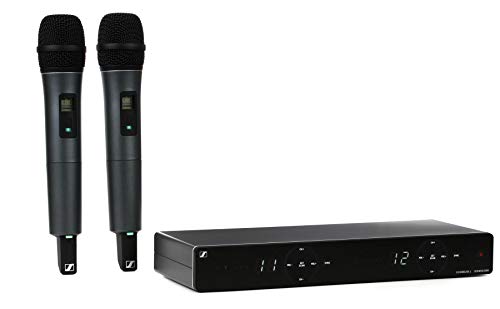
Sennheiser XSW 1-835
Worship teams, schools and gigging duos who want two wireless e835 vocal channels with the simplest possible setup.
Read the Sennheiser XSW 1-835 review →Questions Buyers Ask
Heil Sound PR40
See the current listing, price and included accessories.
About This Review
Mandrillis Team
The Mandrillis editorial team researches and compares audio and music gear using manufacturer documentation, verified specs and real buyer feedback, so you can make a confident purchase without wading through marketing claims.
Read our full research methodology.