Studio Gear Review
Neumann BCM 705 Review: Dynamic Capsule, Hypercardioid
The Neumann BCM 705 is a small-diaphragm dynamic studio microphone with a hypercardioid pattern, built-in pop screen and internal shockmount. This research review covers what the listing confirms and the frequency response figures it leaves unstated.
Our Verdict
Research Score 76/100The Neumann BCM 705 combines a specially designed dynamic capsule with a hypercardioid polar pattern and genuinely useful built-in accessories, a pop screen, removable basket and internal shockmount, all integrated directly into the microphone body rather than sold as separate add-ons. As a dynamic design, it does not require phantom power, simplifying setup compared with a condenser. The listing does not state frequency response, sensitivity or a specific connector type, so buyers who need those details in writing should check Neumann's own documentation. At a mid-range price tier, this microphone suits broadcast and studio engineers who want Neumann build quality with integrated noise handling features.
Editorial research score based on published specifications and documented features, not a customer rating or lab test.

Neumann
Neumann BCM 705
Best for: Broadcast and studio engineers who want a Neumann-built dynamic microphone with a hypercardioid pattern, integrated pop screen and internal shockmount, at a mid-range price tier.
Skip it if: You specifically want a large-diaphragm condenser microphone, since this is a small-diaphragm dynamic design built around a different capsule approach entirely.
Check Price on AmazonWe may earn a commission at no extra cost to you.
Listing verified: November 2026
Who Should Buy It
Buy it if
- Broadcast and voice engineers who want a dynamic microphone with built-in pop and shock protection
- Buyers who want a hypercardioid pattern for tighter rejection of off-axis sound
- Studios that want to avoid an external pop filter and shock mount as separate purchases
- Buyers drawn to the Neumann name who do not need every numeric specification confirmed
Skip it if
- You specifically want a large-diaphragm condenser rather than a small-diaphragm dynamic design
- You need confirmed frequency response and sensitivity figures before purchase
- You need a confirmed connector type in writing before buying
Key Specifications
| Type | Small-diaphragm dynamic studio microphone with a specially designed dynamic capsule |
| Polar pattern | Hypercardioid |
| Frequency response | Not published in listing |
| Connection | Not published in listing as a specific connector type |
| Phantom power | Not required; this is a dynamic microphone design rather than a condenser |
| Max SPL or sensitivity | Not published in listing |
| Controls | Not published in listing |
| Mount and stand | Built-in pop screen, removable basket, and internal shockmount per the listing title |
| Weight | Not published in listing |
| Included accessories | Not published in listing beyond the built-in pop screen, removable basket, and internal shockmount |
Overview
The Neumann BCM 705 is described in its listing as a small-diaphragm dynamic studio microphone built around a specially designed dynamic capsule, which is a meaningfully different approach from the large-diaphragm condenser microphones more commonly associated with the Neumann name in many home studios.
What stands out in this listing is how much of the microphone's design is built around integrated noise handling, a built-in pop screen, a removable basket, and an internal shockmount, all described as part of the microphone itself rather than as separate accessories a buyer would need to add.
Neumann carries significant weight in professional audio, and seeing the brand apply its engineering approach to a small-diaphragm dynamic design, rather than only to its better known large-diaphragm condensers, suggests this model is aimed at broadcast and voice applications where a dynamic capsule's inherent resistance to handling noise and proximity effect sensitivity offers real practical advantages.
This review treats the confirmed capsule type, polar pattern and integrated accessories as the clear strengths of this listing, while being explicit that several numeric specifications a buyer might expect, frequency response and sensitivity chief among them, are not addressed in the available listing data.
Sound Quality
No frequency response range, sensitivity figure or self-noise specification is published in this listing, which is a real gap for buyers trying to judge tonal character before committing to a purchase, even accounting for Neumann's general reputation for build and sound quality.
Dynamic microphones in general tend to have a different tonal character than large-diaphragm condensers, often described as having a more contained low end response and generally lower sensitivity to room ambience, which can suit broadcast and voice applications where a controlled, up-close sound is desired.
The listing's emphasis on a specially designed dynamic capsule suggests Neumann has engineered this specific capsule rather than using an off-the-shelf dynamic element, which given the brand's reputation for precision engineering is a meaningful, if qualitative, signal about intended sound quality.
Buyers who need a specific, confirmed frequency response curve or sensitivity rating to compare directly against another microphone's published specification should check Neumann's own documentation, since this listing's feature bullets focus on capsule design and integrated accessories rather than numeric detail.
Pickup Pattern and Noise Handling
The listing confirms a hypercardioid polar pattern, which is tighter and more directional than a standard cardioid pattern, offering stronger rejection of sound arriving from the sides and rear of the microphone at the cost of a small amount of pickup directly behind it.
That tighter pattern is a sensible choice for broadcast and voice applications in rooms with some ambient noise, since it helps isolate the intended voice or source from background sound more effectively than a wider cardioid pattern would.
The built-in pop screen and internal shockmount both contribute directly to noise handling beyond the polar pattern itself, reducing plosive consonant noise and handling or stand-transmitted vibration respectively, which together suggest a microphone engineered specifically for close-up voice work rather than distant or ambient recording.
Build Quality
The listing confirms three integrated build features directly contributing to practical use, a built-in pop screen, a removable basket, and an internal shockmount, all described as part of the microphone's own construction rather than as bundled separate accessories.
A removable basket is a particularly practical detail for a microphone intended for heavy or shared use, such as a broadcast booth, since it allows the capsule area to be cleaned or serviced without needing to send the entire microphone back to the manufacturer.
Beyond these confirmed features, the listing does not state chassis dimensions, weight or body material, so buyers who want those specific physical details confirmed should check Neumann's own product page or specification sheet.
- Specially designed dynamic capsule
- Hypercardioid polar pattern
- Built-in pop screen
- Removable basket
- Internal shockmount
Connectivity and Setup
The listing does not state a specific connector type for this microphone, though dynamic studio microphones in this general category commonly use a standard balanced connector, a detail buyers should still confirm directly rather than assume from general category convention.
As a dynamic microphone, this model does not require phantom power, which simplifies setup compared with a condenser microphone and means it can be used with a wider range of basic mixers and interfaces that may lack phantom power on every channel.
Because this microphone does not need phantom power, buyers with simpler audio setups, such as a basic mixer without phantom power on every input, should find this an easier microphone to integrate than a condenser requiring a dedicated powered channel.
Features, Controls and Extras
The integrated pop screen is a standout feature for voice applications, since it eliminates the need for a separate external pop filter positioned in front of the microphone, which can simplify setup for broadcast booths and podcasting desks alike.
The removable basket adds genuine long-term maintenance value, letting a studio or broadcast facility clean or replace the basket component without needing to service the entire microphone, which matters for equipment that sees frequent, possibly shared use.
The internal shockmount is built directly into the microphone body, removing the need for a separate external shockmount accessory and associated stand clip, which can simplify both setup and storage compared with microphones requiring a bulkier external shockmount cradle.
Use Cases: Vocals, Streaming, Podcasting and Instruments
The combination of a hypercardioid pattern, built-in pop screen and internal shockmount points this microphone squarely toward broadcast, voiceover and podcasting applications, where close-up speech clarity and noise rejection matter more than capturing a wide, ambient room sound.
Streamers and podcasters who want a microphone resistant to handling noise, since the shockmount is internal, and plosive consonants, since the pop screen is built in, will find this design philosophy directly addresses two of the most common audio quality problems in home broadcast setups.
This microphone is less suited to applications requiring a large-diaphragm condenser's typically higher sensitivity and wider frequency capture, such as distant room miking or capturing a very wide dynamic range acoustic instrument performance.
Who Should Buy It
This microphone suits broadcast engineers, podcasters and voice talent who want a dynamic microphone with genuinely integrated noise handling features rather than needing to assemble a pop filter and shockmount separately.
It is a weaker fit for buyers specifically seeking a large-diaphragm condenser's characteristic sensitivity and tonal openness, since this is a small-diaphragm dynamic design built around a different set of priorities entirely.
Buyers who need a confirmed frequency response curve or sensitivity figure before purchase should treat this listing as incomplete on that front and consult Neumann's own specification sheet directly.
Facilities running a shared broadcast booth where multiple people use the same microphone across different shifts will particularly benefit from the removable basket's maintenance convenience over time.
Alternatives Worth Considering
Buyers who specifically want a large-diaphragm condenser microphone rather than a small-diaphragm dynamic design should look elsewhere in Neumann's broader catalog or at a competing large-diaphragm condenser model.
Buyers who need a confirmed frequency response and sensitivity figure published directly in the listing should compare this model against a competing dynamic microphone whose listing states those specifications clearly.
Buyers on a tighter budget who do not need the Neumann name specifically, but want similar integrated pop and shock protection, might find a more affordable dynamic broadcast microphone from another manufacturer offering comparable features.
Buyers who want a wider cardioid pattern rather than the tighter hypercardioid pattern on this model should look at a standard cardioid dynamic microphone instead.
Verdict
The Neumann BCM 705 brings genuine engineering thoughtfulness to a small-diaphragm dynamic design, integrating a pop screen, removable basket and shockmount directly into the microphone body rather than requiring separate accessories, backed by a hypercardioid pattern suited to close-up voice work.
The unpublished frequency response and sensitivity figures are the main gap in this listing, and buyers who need those confirmed should check Neumann's own documentation rather than relying on brand reputation alone.
For broadcast engineers and podcasters who want Neumann build quality applied specifically to voice-focused noise handling, this microphone represents a well considered, mid-range priced option.
Buyers whose priorities center on large-diaphragm condenser sensitivity and tonal character for instruments or ambient room recording should look elsewhere in the broader market instead.
Strengths and Limitations
Strengths
- Specially designed dynamic capsule
- Hypercardioid polar pattern for tighter off-axis noise rejection
- Built-in pop screen reduces plosive noise without an external pop filter
- Removable basket allows for cleaning or maintenance
- Internal shockmount reduces handling noise
- Carries the Neumann name, a top-tier studio microphone brand
Limitations
- No stated frequency response, sensitivity or maximum SPL figures
- No stated connector type
- No stated weight or dimensions
- Small-diaphragm dynamic design may not suit buyers specifically wanting large-diaphragm condenser character
How We Scored It
Scores reflect published specifications, documented features and value against the alternatives below. They are editorial research scores, not laboratory measurements.
Alternatives to Consider

Beyerdynamic M 160
Recording guitar amplifiers, drum overheads, strings and brass with a smooth, directional ribbon character.
Read the Beyerdynamic M 160 review →
Shure BLX288/SM58 Dual Vocal
Bands, worship teams and event companies that need two dependable wireless SM58 vocal channels in one simple package.
Read the Shure BLX288/SM58 Dual Vocal review →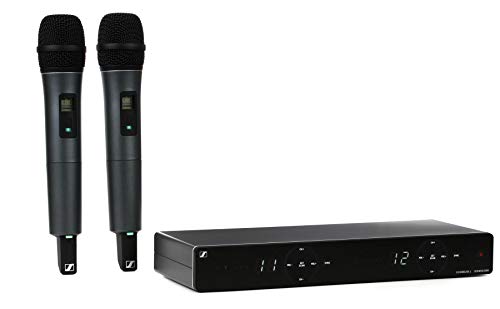
Sennheiser XSW 1-835
Worship teams, schools and gigging duos who want two wireless e835 vocal channels with the simplest possible setup.
Read the Sennheiser XSW 1-835 review →Questions Buyers Ask
Neumann BCM 705
See the current listing, price and included accessories.
About This Review
Mandrillis Team
The Mandrillis editorial team researches and compares audio and music gear using manufacturer documentation, verified specs and real buyer feedback, so you can make a confident purchase without wading through marketing claims.
Read our full research methodology.