Studio Gear Review
Rode NT3 Secondhand Review: 3/4 Inch Cardioid Condenser
The Rode NT3 secondhand condenser is described as a medium diaphragm cardioid mic with dual power. The listing omits frequency response, sensitivity, weight, and included accessories. Buyers should expect a versatile studio and instrument microphone but verify condition and missing specs before purchase.
Our Verdict
Research Score 73/100The Rode NT3 secondhand is an interesting lower mid-range condenser for buyers who already own an audio interface and can live without a complete published spec sheet. The listing title confirms a 3/4 inch medium diaphragm, cardioid pattern, and dual power, which point to a flexible studio and location microphone. Rode's reputation in this category is solid, but the missing frequency response, sensitivity, max SPL, weight, and accessories list makes an informed purchase harder. Condition also varies on the used market. With realistic expectations and a seller who can answer technical questions, this mic can be a useful cardioid option for instruments and vocals. It is not a USB solution and not the best choice for buyers who need full documentation.
Editorial research score based on published specifications and documented features, not a customer rating or lab test.

Rode
Rode NT3 Studio Condenser Microphone Secondhand
Best for: Buyers who want a known Rode cardioid condenser for studio or location recording and can accept missing published specifications.
Skip it if: Avoid if you need complete published specs, USB plug and play operation, or multiple polar patterns.
Check Price on AmazonWe may earn a commission at no extra cost to you.
Listing verified: October 2026
Who Should Buy It
Buy it if
- Musicians recording acoustic instruments or vocals with an audio interface
- Podcasters or streamers who prefer a condenser over a dynamic mic
- Rode brand enthusiasts looking for a secondhand lower mid-range option
- Location recordists who need a cardioid condenser with battery or phantom power
Skip it if
- Need a full spec sheet before buying
- Require USB or direct computer connection
- Want a multi-pattern condenser for room or figure eight pickup
Key Specifications
| Type | Medium-diaphragm condenser microphone |
| Polar pattern | Cardioid |
| Frequency response | Not published in listing |
| Connection | Not published in listing |
| Phantom power | Dual power |
| Max SPL or sensitivity | Not published in listing |
| Controls | Not published in listing |
| Mount and stand | Not published in listing |
| Weight | Not published in listing |
| Included accessories | Not published in listing |
Overview
The Rode NT3 Studio Condenser Microphone Secondhand is listed as a medium diaphragm condenser with a 3/4 inch capsule and cardioid polar pattern. The title also mentions dual power and suitability for studio, location, and instrument use. This is not a new product, so buyers should expect a used microphone that may show wear. The lower mid-range price tier makes it an accessible entry into the Rode condenser lineup.
This product listing is sparse on most technical specifications. It does not publish frequency response, sensitivity, maximum SPL, weight, body material, or included accessories. That leaves several open questions for a buyer who wants to compare it against other condensers. Still, the core description is enough to understand what kind of microphone it is: a fixed cardioid, medium diaphragm condenser.
Sound Quality
On paper, the 3/4 inch medium diaphragm capsule suggests a balance between small diaphragm speed and large diaphragm warmth. A medium diaphragm condenser often captures transients well while retaining some body, which can suit acoustic guitar, percussion, and vocal work. The cardioid pattern should focus capture on the front of the microphone. However, without a published frequency response graph, the exact tonal balance remains unknown.
Buyers should not expect the hyped presence peak of some dynamic stage mics. Condensers in this class typically aim for a smoother, more detailed sound. The Rode name is associated with generally neutral to slightly bright condenser voicing, but that is general brand knowledge, not a claim from this listing. Since the listing omits sensitivity, it is hard to predict how much preamp gain the mic will need.
The listing does not state self noise or distortion characteristics. For studio use, a quiet condenser is often preferred, but there is no way to confirm that from this listing. Users should approach the sound quality as a known category rather than a measured result. Pairing it with a decent interface and monitoring will be important.
Pickup Pattern and Noise Handling
The only polar pattern listed is cardioid. Cardioid mics reject sound from the rear and sides to varying degrees, which helps reduce room reflections and background noise. This makes the NT3 a candidate for untreated rooms or multi source live recording. The listing does not provide polar pattern plots, so the off axis behavior is not quantified.
Condenser microphones are known for high sensitivity and detail, but they can also pick up more room sound than dynamic mics. The cardioid pattern mitigates that to some extent. Still, without a published self noise figure, buyers cannot judge how quiet the microphone is for delicate sources. The listing mentions no shockmount or high pass filter, so handling noise and rumble control are also unknown.
For close miking loud sources, the missing maximum SPL specification is a real gap. Some condensers can handle high sound pressure levels, others pad down. The listing does not state a pad switch. Buyers who plan to record guitar cabinets or percussion should ask the seller for the original Rode NT3 specs before assuming it will handle very loud signals.
Build Quality
Rode has a reputation for building durable metal condenser microphones, and the NT series has been used in project studios for years. This specific secondhand listing, however, does not state the body material or weight. Buyers should verify physical condition through photos or seller communication. A used condenser can suffer from capsule contamination, loose grilles, or damaged threads.
The listing title confirms dual power, which implies an onboard battery compartment for remote use in addition to phantom power. That adds a bit of mechanical complexity but also flexibility. Without a published weight, it is hard to know how heavy the mic will feel on a boom arm or stand. The lack of a published mount means buyers may need to budget separately for a shockmount or clip.
- No published weight or body material in the listing
- Dual power feature suggests a battery compartment
- Secondhand condition varies, inspect capsule and connector
- No included mount, stand, or case listed
- Rode NT series generally known for sturdy metal builds, but not confirmed here
Connectivity and Setup
This product listing does not state the output connector, but a studio condenser of this type typically uses XLR. That means the NT3 will require an audio interface or mixer with microphone preamps and likely 48V phantom power. The dual power mention suggests it can also run from an internal battery, which helps field recorders that lack phantom power. Buyers should confirm the connector type with the seller.
Setup is not as simple as USB microphones. The Blue Yeti and Samson Q2U include USB options, while this Rode appears to be an analog XLR microphone. That requires additional gear and cables. The listing does not mention any included cable, so budget for an XLR cable if one is not already owned.
The secondhand nature may mean the battery compartment has corrosion or the XLR pins are worn. Checking the connector and battery contacts before purchase is wise. The listing's consumer alert about wireless microphone licensing appears irrelevant to this wired condenser, but it is part of the product page and should not be mistaken for a wireless feature.
Features, Controls and Extras
This particular listing is remarkably thin on features. No pad switch, low cut filter, or polar pattern selector is mentioned. Many condenser microphones in this price range include at least a high pass filter, but this listing does not confirm one. The dual power is the only standout functional feature described.
Included accessories are not published. Typical Rode microphones often ship with a stand mount or pouch, but this secondhand listing may or may not include them. Buyers should ask the seller for a full inventory. A shockmount can help reduce stand noise, and a pop filter would be useful for vocals.
The lower mid-range price tier may justify the sparse accessories, but that also depends on the final condition. If the listing is priced close to a new budget condenser, the missing accessories and specs make it less attractive. The dual power option remains the main extra feature for location recordists.
Use Cases: Vocals, Streaming, Podcasting and Instruments
The cardioid medium diaphragm condenser is a natural fit for acoustic instruments. Guitar, mandolin, violin, and percussion can benefit from the detail and transient response typical of this capsule size. The listing title explicitly mentions instruments and studio use. For vocals, the cardioid pattern helps isolate the performer, but a pop filter is advised because condensers are sensitive to plosives.
For streaming and podcasting, the NT3 secondhand can work if paired with an interface and a boom arm. It is not a plug and play USB mic like the Blue Yeti or Samson Q2U. The extra setup may be fine for a dedicated desktop podcast studio, but less ideal for a casual streamer who wants a single cable. The lack of a published output connector should be clarified before buying for this use.
The dual power option makes it a candidate for field recording and location sound. A battery powered condenser can connect to portable recorders that do not supply phantom power. This expands its use beyond a desktop setup. Still, without a shockmount or wind protection listed, outdoor use may require additional purchases.
Who Should Buy It
This microphone suits buyers who already own an audio interface or mixer with XLR inputs and can supply phantom power or use the internal battery. They should be comfortable with analog condenser characteristics and not need USB convenience. Rode fans looking for a used NT3 at a lower mid-range price may find it appealing.
Musicians who record acoustic instruments will likely appreciate the 3/4 inch capsule and cardioid pattern. Podcasters and streamers with a treated room and an existing interface can also use it for a more polished condenser sound. Those who value portability for location recording will see the dual power as a real benefit.
Buyers who are okay with a sparse spec sheet and can evaluate a used microphone via seller communication are a better fit than those who need complete technical documentation upfront. The listing leaves too many unknowns for a purely spec driven purchase.
Alternatives Worth Considering
A new Rode NT1 is another cardioid condenser with a larger one inch capsule and a known low self noise figure, though it costs more. The Audio-Technica AT2020 is a popular entry level cardioid condenser with a published frequency response and a lower price on the new market. Both are XLR mics and require an interface.
For streaming and podcasting, the Shure MV7 and Samson Q2U offer USB and XLR dual connectivity, built in controls, and a more forgiving dynamic or hybrid sound. The Blue Yeti is a simple USB condenser with multiple polar patterns, but it lacks XLR. Those alternatives trade acoustic instrument detail for convenience.
If a dynamic mic is preferred for untreated rooms, the Shure SM58 is a stage standard with a cardioid pattern and no phantom power requirement. The Shure SM7B is another broadcast favorite, but it needs a lot of gain. None of these are direct substitutes for a medium diaphragm condenser, but they represent common comparison points depending on use case.
Verdict
The Rode NT3 secondhand is a lower mid-range cardioid condenser with a 3/4 inch medium diaphragm and dual power. Those features are appealing for instrument recording and location work, especially for buyers who already own an interface. Rode's reputation helps, but this specific listing is too thin on specifications to fully evaluate sound, noise, and build.
The score reflects a known mic category with incomplete documentation. It earns credit for the condenser design, cardioid pattern, dual power, and Rode brand. It loses points for missing frequency response, sensitivity, max SPL, weight, accessories, and controls. Buyers who can verify condition and accept the unknowns may find it a useful secondhand purchase, while spec driven buyers should look elsewhere.
Strengths and Limitations
Strengths
- Cardioid polar pattern suits isolated recording
- Medium diaphragm with 3/4 inch capsule
- Dual power option for flexible location use
- Rode brand with established microphone heritage
- Lower mid-range price tier for the used market
- Suitable for studio, location, and instruments per listing
Limitations
- Listing omits frequency response, sensitivity, and max SPL
- No published weight, body material, or included accessories
- Secondhand condition may vary by seller
- No multi-pattern or USB connectivity stated
- No controls like pad or high pass filter listed
How We Scored It
Scores reflect published specifications, documented features and value against the alternatives below. They are editorial research scores, not laboratory measurements.
Alternatives to Consider
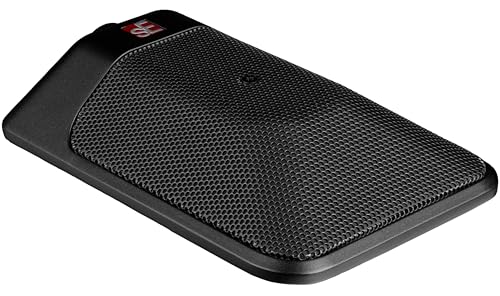
sE Electronics BL8 Omni Boundary Microphone
Capturing room ambience, stage floors, boardroom speech, grand pianos, and high SPL sources where a low profile omni boundary microphone is needed.
Read the sE Electronics BL8 Omni Boundary Microphone review →
Sennheiser e901 Kick Drum Condenser Microphone
Drummers and live sound engineers who need a dedicated kick drum microphone with simple setup and high SPL tolerance.
Read the Sennheiser e901 Kick Drum Condenser Microphone review →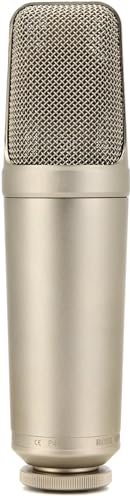
Rode NT1000 Studio Condenser Microphone
Best for studio users who want a lower mid-range large-diaphragm condenser with very low self-noise and can verify missing specifications elsewhere.
Read the Rode NT1000 Studio Condenser Microphone review →Questions Buyers Ask
Rode NT3 Studio Condenser Microphone Secondhand
See the current listing, price and included accessories.
About This Review
Mandrillis Team
The Mandrillis editorial team researches and compares audio and music gear using manufacturer documentation, verified specs and real buyer feedback, so you can make a confident purchase without wading through marketing claims.
Read our full research methodology.