Studio Gear Review
Rode RODECaster Pro 2 Review: Four-Person Podcast Studio in a Box
The Rode RODECaster Pro 2 four-person bundle pairs the integrated podcast console with four PodMics, four PSA1+ boom arms, four headphones, XLR cables and a 32GB SD card. Revolution Preamps, APHEX processing, dual USB interfaces, Bluetooth and standalone multitrack recording make it a full studio for interview shows, in the upper mid-range tier.
Our Verdict
Research Score 86/100The Rode RODECaster Pro 2 bundle is the most complete route to a four-person podcast studio described in any listing in this category. The console itself combines Revolution Preamps, APHEX processing, nine channels with six faders and eight SMART pads, dual USB interfaces and Bluetooth, and it records up to 14 channels to SD card without a computer. Adding four PodMics, four PSA1+ arms, four headphones and cables removes every other purchase decision. The listing does not publish sample rate, bit depth, gain or phantom power, and the bundled headphones are a third-party model rather than a Rode design. Those caveats aside, the kit earns its upper mid-range tier for teams that will use all four seats. It scores 86 out of 100.
Editorial research score based on published specifications and documented features, not a customer rating or lab test.

Rode
Rode RODECaster Pro 2
Best for: Podcast and streaming teams of up to four people who want a complete desk-mounted studio with broadcast processing and standalone SD recording in one purchase.
Skip it if: You record solo or with one guest and would rather spend the budget on a smaller interface and a single high-quality microphone.
Check Price on AmazonWe may earn a commission at no extra cost to you.
Listing verified: October 2026
Who Should Buy It
Buy it if
- Interview and panel podcasts with three or four regular voices
- Streamers who need to record locally while streaming from a second device
- Small studios and agencies setting up a client-ready podcast room
- Producers who want broadcast processing without plug-ins or outboard gear
Skip it if
- You are a solo creator with no plans for multiple guests
- You need published converter specs for critical music recording
- You already own microphones, arms and headphones you like
Key Specifications
| Type | Integrated podcast production console: multitrack audio interface, mixer, sound pad controller and broadcast processor, sold as a four-person bundle |
| Inputs | XLR microphone inputs for up to four participants (bundle ships four PodMics and four XLR cables); USB and Bluetooth audio sources; exact input count not published in listing |
| Outputs | Headphone connections for participants; USB outputs to two devices; other output types not published in listing |
| Preamps | Revolution Preamps, described as ultra-low-noise; gain figure not published in this listing |
| Resolution | Not published in listing |
| Phantom power | Not published in listing |
| Connection | Dual USB interfaces for Mac, PC, iOS and Android; Bluetooth for phone calls and monitoring |
| Monitoring | Headphone outputs for the host and guests; count and level details not published in listing |
| Bundled software | Not published in listing |
| Included accessories | 4 Rode PodMic microphones, 4 PSA1+ boom arms, 4 StreamEye Cans50 over-ear headphones, 4 XLR cables, 32GB SD card |
Overview
The Rode RODECaster Pro 2 is an integrated production console that folds a multitrack audio interface, a mixer, a sound pad controller and a broadcast processor into a single desktop unit. This listing sells it as a four-person bundle with four Rode PodMic microphones, four PSA1+ boom arms, four StreamEye Cans50 headphones, four XLR cables and a 32GB SD card. The intent is a complete studio out of one box.
Rode designed the console for podcasters, streamers and content creators who want polished audio without a rack of outboard gear. The listing emphasizes that no additional interface, mixer or preamp is required, and that recording can happen on the SD card with no computer at all. That standalone capability is a meaningful difference from a conventional interface.
The bundle sits in the upper mid-range price tier. For a four-seat show the cost per participant is reasonable once microphones, arms and headphones are counted. For a solo host the same money buys a far more refined two-channel setup.
Preamps and Sound Quality
The console uses Rode's Revolution Preamps, which the listing describes as ultra-low-noise. In this particular listing no gain figure or equivalent input noise number is published, so the claim stands as a qualitative one. Dynamic broadcast microphones such as the bundled PodMic need substantial clean gain, and the pairing is clearly intended to work together.
Processing is where the RODECaster Pro 2 separates itself from a plain interface. The built-in APHEX suite includes an aural exciter, a compressor and a noise gate, applied per channel inside the console. The practical effect is that each voice can be shaped and leveled before it reaches the recording or the stream, with no plug-ins involved.
Sample rate and bit depth are not published in the listing, nor is any converter specification. For spoken word this is rarely a deciding factor, but musicians who want to track instruments should know the numbers are unstated. The preamp score reflects strong published processing and a respected preamp design, held back slightly by the missing figures.
Inputs, Outputs and Routing
The bundle supports up to four participants on microphones, which is why it ships with four PodMics and four XLR cables. The listing does not state the physical input count or connector type beyond XLR, though a four-person kit implies four microphone channels. Beyond the mics, nine individually assignable channels cover USB sources, Bluetooth and the sound pads.
Routing is handled through six physical faders and three further assignable channels, so a host can ride the microphones on the faders while music beds and remote callers sit on the remaining channels. The eight SMART pads trigger sound effects, jingles or actions. This mirrors the layout of a radio broadcast console scaled for a desk.
Outputs include headphone connections for each participant and the dual USB interfaces. Main line outputs for studio monitors or a PA are not described in the listing, which is a gap worth confirming for anyone who wants to feed a speaker system. The SD card slot serves as the standalone recording destination.
Features, Monitoring and Software
Standalone recording is the standout feature. The console writes multitrack audio or a single stereo mix to the included 32GB SD card, and the listing states it supports up to 14 channels of simultaneous recording. A show can therefore be captured for post-production with every voice on its own track, without a computer in the chain.
Dual USB interfaces are the second major feature. One computer can record locally while a second device streams live, which solves a common pain point for streamers who do not want their recording to depend on the streaming machine. Bluetooth adds wireless phone call recording and audio monitoring, letting remote guests join from a mobile phone.
Each participant gets headphones in the bundle, and the console provides headphone connections for monitoring, though the listing does not publish the number of outputs or whether each has independent level control. Bundled software and companion apps are not listed. The StreamEye Cans50 headphones are a third-party model, so buyers expecting Rode headphones should note the difference.
- Revolution Preamps with APHEX aural exciter, compressor and noise gate
- Nine assignable channels, six physical faders, eight SMART pads
- Dual USB interfaces for simultaneous recording and streaming
- Up to 14 channels recorded to the included 32GB SD card
- Bluetooth for phone call recording and wireless monitoring
- Compatible with Mac, PC, iOS and Android
Build, Design and Controls
The console presents six physical faders, eight pads and a set of controls on a desktop chassis designed to be the center of a studio. Chassis materials, weight and dimensions are not published in the listing. Rode's reputation in this category rests on solid broadcast-style hardware, and the fader count alone indicates a surface meant for live operation rather than menu diving.
The four PSA1+ boom arms are a significant part of the bundle's physical value. Each mounts directly to the desk, offers full 360-degree rotation with damped movement, and routes the XLR cable internally for a clean workspace. The arms position the PodMics for seated, standing or broadcast-style use.
The PodMic is a dynamic broadcast microphone built for close speech, which pairs well with the APHEX processing and tolerates untreated rooms better than a condenser. Together the arms and mics give the bundle a professional look on camera, which matters for video podcasts and streams.
Connectivity, Drivers and Latency
Connectivity covers XLR, USB, Bluetooth and headphones simultaneously, according to the listing. The dual USB interfaces connect to Mac, PC, iOS and Android, and the console is described as compatible with all major DAWs and streaming software. Driver details are not published, though the inclusion of iOS and Android suggests class-compliant operation.
Latency figures are not stated in the listing. Because monitoring and processing happen inside the console, participants hear themselves through the hardware path rather than through the computer, which removes the usual round-trip latency concern of software monitoring. That is one of the strongest arguments for a console of this type over a simple interface.
Bluetooth is a convenience rather than a studio-grade link, and the listing presents it for phone calls and monitoring rather than for primary recording. The connectivity score of 8 reflects the generous options with a deduction for unpublished driver, port and line output details.
Setup and Daily Use
Setup involves clamping the four PSA1+ arms to the desk, mounting the PodMics, running the XLR cables to the console and handing out the headphones. From there the host assigns channels, sets processing per voice and chooses whether to record to SD card, to a computer, or both. The listing frames this as a working studio right out of the box.
During a show the faders handle the live mix while the SMART pads fire intros, stingers and transitions. Phone guests arrive over Bluetooth, remote software callers over USB. Recording multitrack to the SD card as a backup while streaming from a computer is a sensible default workflow that the hardware supports natively.
Post-production benefits from the multitrack capture, since each voice can be edited and leveled independently. For creators who prefer a finished stereo file, the single-track mix option skips that step. The 32GB card is modest for long multitrack sessions, so a second card is a reasonable early purchase.
Who Should Buy It
Interview and panel podcasts with three or four regular voices get the most from this bundle. Every seat has a microphone, an arm and headphones, and the console's processing keeps mixed voices consistent without an engineer. Studios and agencies setting up a client-facing room will also appreciate buying one matched kit.
Streamers who want local recording independent of the streaming computer are another natural fit, thanks to the dual USB design and SD recording. Producers who dislike plug-in chains will value the APHEX processing happening in hardware.
Solo creators should think twice. A single host pays for three unused seats and would be better served by a compact interface and one excellent microphone. Musicians recording instruments should also note that converter specs are unpublished and the processing is voice-oriented.
Alternatives Worth Considering
The Rode RODECaster Pro II is the same console sold in a different bundle, in this case with Zoom ZDM-1 microphone packs and a microSDHC card. Buyers who prefer the PodMic and the PSA1+ arms should stay with this kit, while those happy with a different microphone may find the other package better priced.
The Mackie DLZ Creator is the closest competing concept, a podcast mixer with a touchscreen, automatic level management for up to four mics and USB-C or SD card recording. It sits in the mid-range tier without accessories, so it suits teams that already own microphones and arms.
For a solo or two-person show, a desktop interface such as the Focusrite Scarlett 2i2, Universal Audio Volt 2 or MOTU M2 with a single broadcast microphone costs far less. Those units lack onboard processing, faders and standalone recording, but they are more than adequate when the guest count stays low.
Verdict
The Rode RODECaster Pro 2 four-person bundle solves the entire equipment list for a multi-host podcast or stream in one purchase. The console's combination of Revolution Preamps, APHEX processing, dual USB, Bluetooth and standalone SD recording is unmatched by a standard interface, and the included PodMics and PSA1+ arms are quality accessories rather than afterthoughts.
The listing's missing sample rate, gain, phantom power and output details, along with the third-party headphones, keep the score at 86 rather than higher. For teams that will fill all four seats, the upper mid-range tier is money well allocated.
Strengths and Limitations
Strengths
- Complete four-person kit with mics, boom arms, headphones, cables and SD card
- Revolution Preamps with built-in APHEX exciter, compressor and noise gate
- Dual USB interfaces allow recording and streaming to two devices at once
- Records up to 14 channels to SD card with no computer required
- Nine channels, six physical faders and eight SMART pads on one surface
- Bluetooth for phone call recording and wireless monitoring
Limitations
- Listing does not publish sample rate, bit depth or preamp gain
- Phantom power and exact input count are not stated
- Bundled headphones are a third-party model rather than a Rode product
- Upper mid-range tier is a large outlay for a first podcast
- Bundled software and desktop apps are not listed
How We Scored It
Scores reflect published specifications, documented features and value against the alternatives below. They are editorial research scores, not laboratory measurements.
Alternatives to Consider
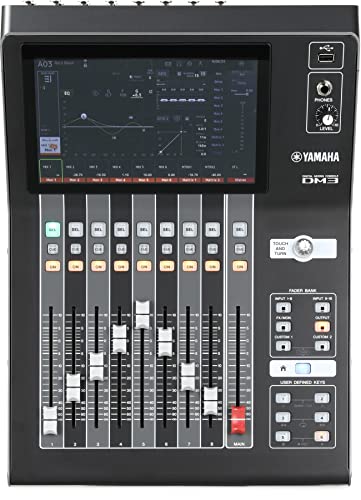
Yamaha DM3
Bands, small venues and project studios that want a compact 96 kHz digital console that doubles as an 18x18 USB recording interface.
Read the Yamaha DM3 review →
Yamaha MG10XU
Bands, mobile DJs and worship teams that want a complete small-venue PA with a USB mixer, two 12-inch powered mains and monitoring headphones in one order.
Read the Yamaha MG10XU review →
Rode RODECaster Pro II
Podcast teams of up to four who want high-gain preamps with hardware processing and a ready supply of microphones at a lower outlay than premium mic bundles.
Read the Rode RODECaster Pro II review →Questions Buyers Ask
Rode RODECaster Pro 2
See the current listing, price and included accessories.
About This Review
Mandrillis Team
The Mandrillis editorial team researches and compares audio and music gear using manufacturer documentation, verified specs and real buyer feedback, so you can make a confident purchase without wading through marketing claims.
Read our full research methodology.