Studio Gear Review
sE Electronics sE2300 Review: Flexible Multi-Pattern Condenser
The sE Electronics sE2300 is a lower mid-range large diaphragm condenser with cardioid, omnidirectional and figure-8 polar patterns. It offers switchable pads, two low cut filters and an all-metal build. The listing omits frequency response and sensitivity specs, so some performance details remain unverified.
Our Verdict
Research Score 75/100The sE Electronics sE2300 is a well-equipped lower mid-range multi-pattern condenser for XLR studio use. Its advertised three polar patterns, Class-A discrete circuit and custom transformer make it a serious contender for vocalists and project studios that already own an interface. The included shock mount and metal pop filter add real practical value. The main limitation is the listing itself. Important specifications like frequency response, sensitivity, self-noise, max SPL and weight are not published here, which forces buyers to rely on design claims rather than hard numbers. That is acceptable for some users but frustrating for spec-driven buyers. Overall, the sE2300 earns a solid score based on the feature set and build points that are listed. It is likely to satisfy a home studio owner looking for a flexible analog condenser, though it is not the simplest option for USB-only creators. The score reflects both the strong advertised design and the missing technical details.
Editorial research score based on published specifications and documented features, not a customer rating or lab test.

Se Electronics
sE Electronics sE2300 Condenser Microphone
Best for: Studio vocalists, producers and podcasters who want a flexible multi-pattern XLR condenser with useful tone-shaping controls.
Skip it if: Not ideal for buyers who need published frequency response and sensitivity specs, USB connectivity or a simple out-of-the-box streaming setup.
Check Price on AmazonWe may earn a commission at no extra cost to you.
Listing verified: October 2026
Who Should Buy It
Buy it if
- Home studio owners upgrading from a fixed cardioid condenser
- Vocalists who want omnidirectional and figure-8 recording options
- Producers needing a utility condenser for guitar cabs, drums and room capture
- Buyers who already have an XLR interface with phantom power
Skip it if
- You need a USB microphone for direct computer connection
- You require full published specifications before buying
- You record only in untreated spaces and need maximum off-axis rejection
Key Specifications
| Type | Large-diaphragm condenser microphone, multi-pattern |
| Polar pattern | Cardioid, omnidirectional, figure-8 |
| Frequency response | Not published in listing |
| Connection | XLR |
| Phantom power | Not published in listing |
| Max SPL or sensitivity | Not published in listing |
| Controls | Polar pattern switch, -10 dB and -20 dB pads, 80 Hz and 160 Hz low-cut filters |
| Mount and stand | Shock mount included |
| Weight | Not published in listing |
| Included accessories | Shock mount and integrated metal pop filter |
Overview
The sE Electronics sE2300 is a lower mid-range large-diaphragm condenser microphone aimed at studio vocal and instrument capture. The listing positions it as a multi-pattern XLR condenser with three selectable polar patterns: cardioid, omnidirectional and figure-8. It comes with a shock mount and an integrated metal pop filter, which makes it a practical package for a first serious studio condenser.
Unlike basic cardioid-only microphones, the sE2300 offers pattern flexibility for room capture, stereo techniques and close miking. The listing does not publish frequency response, sensitivity or maximum SPL numbers, so some acoustic performance details remain unverified on paper. Buyers who prioritize a complete specification sheet may need to dig further or rely on SE Electronics published data elsewhere.
The product is priced in the lower mid-range tier, which puts it above no-name budget condensers but below premium multi-pattern workhorses. This review evaluates the advertised feature set, build points and common use cases without in-person testing.
Sound Quality
The listing describes a hand-crafted true condenser capsule with a 1 inch large diaphragm that is individually tuned for smooth, balanced sound across all polar patterns. The custom transformer is said to add depth and weight without harshness, which suggests a tonal signature that leans toward full and natural rather than bright and clinical.
The fully discrete Class-A circuit with no integrated circuits is advertised as delivering low noise, high sensitivity and reliable studio performance. On paper this type of design often translates to lower self-noise and cleaner headroom than cheaper electret or USB condenser circuits, but without a published equivalent input noise figure buyers cannot quantify that advantage.
Because the listing does not state frequency response or sensitivity, the exact high-frequency contour and output level are unknown from this source. General knowledge of large-diaphragm condenser mics suggests the sE2300 should perform well on close vocals, acoustic instruments and room capture, but the lack of a published curve means sound quality remains partly inferred from the design claims.
Pickup Pattern and Noise Handling
The three selectable polar patterns are the core of the sE2300. Cardioid is the standard choice for isolated vocal and instrument pickup, omnidirectional captures room tone and multiple sources, and figure-8 suits stereo mid-side recording or two-sided interviews. The pattern switch is advertised as a simple control for adapting to different sources.
The listing does not provide polar response graphs, so the exact off-axis behavior across frequencies is not published here. Based on the design type and the advertised all-metal shielding, the mic should perform acceptably in untreated rooms when used in cardioid mode, but no specific side or rear rejection figures are given.
Noise handling is addressed indirectly through the Class-A discrete circuit and all-metal housing. The listing claims low noise and resistance to electrical interference, but there is no published self-noise number. For podcasters and home recordists, this means the mic is likely quieter than entry-level USB condensers, but the exact noise floor cannot be confirmed from the listing alone.
Build Quality
The sE2300 uses an all-metal housing and internal shielding, which is a good sign for durability and interference rejection. The listing emphasizes a custom-built transformer and hand-assembled capsule, suggesting more care than mass-produced budget models. However, the microphone weight is not published, so overall heft and chassis thickness cannot be evaluated directly.
The included shock mount and integrated metal pop filter add value and indicate a complete recording package. A well-built shock mount reduces stand-borne rumble and the metal pop filter helps with plosives. Even so, the long-term durability of the pattern switch and pad controls is not detailed in the listing.
- All-metal chassis with internal shielding
- Hand-assembled 1 inch capsule
- Custom transformer for thickness and depth
- Class-A discrete circuit with no integrated circuits
- Included shock mount and metal pop filter
Connectivity and Setup
The sE2300 connects via XLR, so it requires an audio interface, mixer or recorder with a compatible XLR input. It is not a USB microphone and will not plug directly into a computer without an interface. The listing does not state phantom power requirements, but as a condenser microphone it will need external 48 volt phantom power from the interface or preamp.
Setup is straightforward for anyone with an existing XLR recording chain. The included shock mount threads onto a standard mic stand, and the metal pop filter attaches to position in front of the capsule. No software, drivers or digital routing are required, which makes it a purely analog signal path.
The lack of onboard headphone monitoring, mute button or digital output means the sE2300 is less convenient for direct desktop streaming than USB mics like the Shure MV7 or Samson Q2U. However, analog XLR connectivity is the right choice for studio flexibility and compatibility with outboard preamps and interfaces.
Features, Controls and Extras
The sE2300 includes four important onboard controls: a polar pattern switch, two pad levels at minus 10 dB and minus 20 dB, and two low-cut filters at 80 Hz and 160 Hz. These items make the mic adaptable to quiet fingerpicked guitar as well as loud guitar amps and drum overheads. The pads help prevent distortion at high SPL sources, while the filters reduce rumble and proximity effect.
The listing describes the low-cut filters as managing low-end buildup, which is useful for close vocal work and bass-heavy rooms. The figure-8 and omni modes also provide creative options for room capture and stereo miking. The included metal pop filter and shock mount round out the package with accessories that many competing mics sell separately.
One thing missing from the listing is any digital processing, onboard EQ or headphone output. This is a straightforward analog condenser microphone intended for use with outboard gear. Buyers who want USB convenience or built-in monitoring will need to look elsewhere.
Use Cases: Vocals, Streaming, Podcasting and Instruments
For studio vocals, the sE2300 on paper has the right foundation: a large-diaphragm capsule, multi-pattern versatility, a custom transformer and switchable low-cut filters. The cardioid pattern is the default for solo vocal takes, and the 160 Hz filter can tame proximity effect when a singer works close to the capsule. The pad settings make it possible to use the same mic for aggressive vocal performances.
For streaming and podcasting, the sE2300 requires an audio interface and phantom power, so it is not a simple plug-and-play USB solution. In a treated room with a good interface, it could provide a more polished broadcast tone than many USB condensers. However, the listing does not include onboard headphone monitoring or a mute control, which are common conveniences in streaming-oriented USB mics.
The multi-pattern capability extends the mic's usefulness on instruments. Figure-8 works for mid-side acoustic guitar recording or front and back sources, omnidirectional can capture a drum room or ensemble, and cardioid is suitable for close miking guitar cabinets and percussion. The pads and filters give the kind of control that makes it a flexible utility condenser for small studios.
Who Should Buy It
Home studio owners who already have an audio interface and want to upgrade from a basic cardioid condenser should consider the sE2300. The three polar patterns and switchable controls provide more tonal and placement options than a fixed-pattern mic. It sits in a lower mid-range price tier, which makes it accessible but not disposable.
The target buyer is a vocalist, producer or podcaster who values analog XLR workflow, outboard processing and a hand-built capsule. Those who record multiple sources in different rooms will appreciate the flexibility. Buyers upgrading from USB mics but keeping an interface will find this a logical next step if they do not need published specification graphs.
This mic is not aimed at smartphone-only creators or absolute beginners with no interface. It is best for users who understand or are willing to learn gain staging, phantom power and basic acoustic treatment. The included shock mount and pop filter lower the barrier to a workable studio setup.
Alternatives Worth Considering
Buyers who want a fixed cardioid USB microphone for simple desktop recording might compare the sE2300 to a Blue Yeti or Samson Q2U. Those mics include digital outputs and often built-in headphone monitoring, but they lack the sE2300's multi-pattern analog-only design and outboard flexibility. The tradeoff is convenience versus scalable studio quality.
For a more broadcast-oriented XLR dynamic mic with USB options, the Shure MV7 is a common alternative. Its dynamic capsule rejects room noise differently and it includes digital features, but it is not a large-diaphragm condenser and typically costs more. The sE2300 is a condenser with three patterns, so the choice depends on whether the buyer wants condenser detail or dynamic rear rejection.
If a buyer wants a proven large-diaphragm condenser with a published frequency response and years of user reports, the Audio-Technica AT2020 and Rode NT1 are reference points. The AT2020 is often lower priced but fixed cardioid only. The Rode NT1 is known for very low self-noise and includes a shock mount, but it is also mostly cardioid unless moving to the NT1 kit variants. The sE2300 competes by offering multi-pattern flexibility at a lower mid-range price.
Verdict
The sE Electronics sE2300 is a well-equipped lower mid-range multi-pattern condenser for XLR studio use. Its advertised three polar patterns, Class-A discrete circuit and custom transformer make it a serious contender for vocalists and project studios that already own an interface. The included shock mount and metal pop filter add real practical value.
The main limitation is the listing itself. Important specifications like frequency response, sensitivity, self-noise, max SPL and weight are not published here, which forces buyers to rely on design claims rather than hard numbers. That is acceptable for some users but frustrating for spec-driven buyers.
Overall, the sE2300 earns a solid score based on the feature set and build points that are listed. It is likely to satisfy a home studio owner looking for a flexible analog condenser, though it is not the simplest option for USB-only creators. The score reflects both the strong advertised design and the missing technical details.
Strengths and Limitations
Strengths
- Three polar patterns for studio flexibility
- Hand-assembled 1 inch capsule advertised as smooth and balanced
- Fully discrete Class-A circuit with no integrated circuits
- Custom transformer for added depth and weight
- Switchable pads and two low-cut filters
- All-metal housing with included shock mount and pop filter
Limitations
- Frequency response and sensitivity figures are not published in the listing
- No numeric max SPL or self-noise rating provided
- Phantom power requirement is not stated in the listing
- No USB output, headphone monitoring or onboard digital features
- Lower mid-range price may not include detailed published specs
How We Scored It
Scores reflect published specifications, documented features and value against the alternatives below. They are editorial research scores, not laboratory measurements.
Alternatives to Consider

Shure Beta 27 Condenser Microphone Secondhand
Instrument recording where a supercardioid condenser with a pad is useful and a detailed spec sheet is not required before purchase.
Read the Shure Beta 27 Condenser Microphone Secondhand review →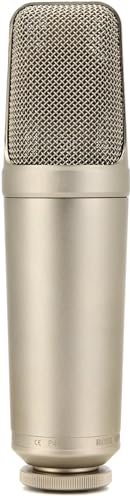
Rode NT1000 Studio Condenser Microphone
Best for studio users who want a lower mid-range large-diaphragm condenser with very low self-noise and can verify missing specifications elsewhere.
Read the Rode NT1000 Studio Condenser Microphone review →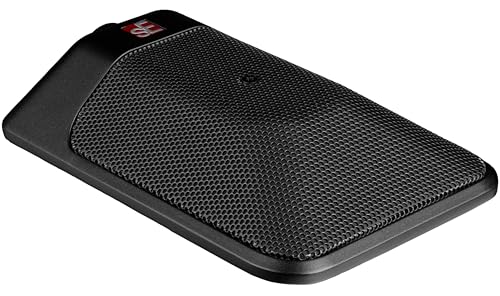
sE Electronics BL8 Omni Boundary Microphone
Capturing room ambience, stage floors, boardroom speech, grand pianos, and high SPL sources where a low profile omni boundary microphone is needed.
Read the sE Electronics BL8 Omni Boundary Microphone review →Questions Buyers Ask
sE Electronics sE2300 Condenser Microphone
See the current listing, price and included accessories.
About This Review
Mandrillis Team
The Mandrillis editorial team researches and compares audio and music gear using manufacturer documentation, verified specs and real buyer feedback, so you can make a confident purchase without wading through marketing claims.
Read our full research methodology.