Studio Gear Review
Shure PGASTUDIOKIT4 4 Piece Studio Microphone Review: Budget Drum and Instrument Kit
A budget friendly Shure bundle with four cardioid microphones, including a kick drum dynamic, an instrument dynamic, and two side address condensers. The listing omits many specs, but the kit covers drums, instruments, and multi source recording for home studios.
Our Verdict
Research Score 80/100The Shure PGASTUDIOKIT4 4 Piece Studio Microphone kit is a practical budget bundle for recording drums, guitar cabinets, and multiple sources at once. It combines two dynamic microphones and two side address condensers, all with cardioid patterns, into one package with break resistant clips. The listing omits many technical specifications, so buyers must accept some unknowns about frequency response, sensitivity, and connection details. The score reflects good value for budget multitrack recording, but the lack of published specs and second tier PGA components keep it from higher marks. Sound quality should be adequate for demos and podcasts, while build quality is likely solid for home use. The main drawbacks are the missing accessory items like cables, stands, and a case, plus the absence of any pad or filter switches. Overall this is a sensible choice for someone building a small home studio on a budget and needing multiple microphones simultaneously.
Editorial research score based on published specifications and documented features, not a customer rating or lab test.

Shure
Shure PGASTUDIOKIT4 4 Piece Studio Microphone
Best for: Budget minded home studio owners who need a complete microphone set for drums, instruments, and multi source recording.
Skip it if: You need a single USB microphone for plug and play recording or require published technical specifications before buying.
Check Price on AmazonWe may earn a commission at no extra cost to you.
Listing verified: October 2026
Who Should Buy It
Buy it if
- Drummers who want to record a kit at home
- Small project studio owners on a budget
- Content creators who already have an audio interface
- Musicians needing multiple mics for live or demo recording
Skip it if
- You only need one microphone for vocals or podcasting
- You want a USB microphone with no extra gear required
- You prefer microphones with published frequency response and sensitivity data
Key Specifications
| Type | 1x PGA52 cardioid dynamic kick drum microphone, 1x PGA57 cardioid dynamic instrument microphone, 2x PGA181 side address cardioid condenser microphones |
| Polar pattern | Cardioid (all four microphones) |
| Frequency response | Not published in listing |
| Connection | Not published in listing |
| Phantom power | Not published in listing |
| Max SPL or sensitivity | Not published in listing |
| Controls | Not published in listing |
| Mount and stand | 1x A25D break resistant microphone clip, 2x WA371 break resistant microphone clips |
| Weight | Not published in listing |
| Included accessories | 3 microphone clips (1 A25D, 2 WA371) |
Overview
The Shure PGASTUDIOKIT4 4 Piece Studio Microphone kit is a budget friendly collection aimed at musicians, drummers, and home recordists who need multiple microphone types without buying each one separately. The listing describes the kit as containing one PGA52 cardioid dynamic kick drum microphone, one PGA57 cardioid dynamic instrument microphone, and two PGA181 side address cardioid condenser microphones. Together these cover kick drum, snare or guitar cabinet, and overhead or vocal duties in a small recording setup.
The product listing does not publish detailed specifications such as frequency response, maximum SPL, sensitivity, weight, or connection type. Buyers should treat this as an entry level Shure kit rather than a reference grade bundle. The included break resistant microphone clips, one A25D and two WA371, are the only accessories mentioned in the listing.
Sound Quality
On paper the kit mixes dynamic and condenser designs to suit different sources. The PGA52 is described as a cardioid dynamic microphone intended for kick drum. Dynamic microphones handle high sound pressure levels well, so this combination is logical for low frequency drums. The PGA57 is also a cardioid dynamic, aimed at instruments such as snare, guitar cabinets, or brass. Without a published frequency response, buyers cannot know the exact tonal curve, but these designs typically emphasize presence and reject mud.
The two PGA181 models are side address cardioid condenser microphones. Condensers tend to capture more detail and transient response than dynamics, which makes them suitable for overheads, acoustic instruments, and vocals. However the listing does not state sensitivity, self noise, or frequency response, so the real world performance is not verifiable from this data. Based on Shure's PGA line history, buyers report that these condensers are clear but not as refined as higher end Shure models.
Overall sound quality is likely to be workable for demos, podcasting, and small project studios. The lack of published specs means users should not assume flat studio reference behavior. The cardioid pattern helps keep the focus on the source in untreated rooms.
Pickup Pattern and Noise Handling
All four microphones in this kit are cardioid. The listing specifically calls out the PGA52 and PGA57 as cardioid dynamics and the PGA181 as side address cardioid condensers. A cardioid pattern is most sensitive to sound from the front, somewhat less from the sides, and rejects sound from the rear. This is useful for reducing bleed from nearby instruments or room reflections when recording multiple sources.
Noise handling will differ between the dynamic and condenser models. Dynamic microphones are generally less sensitive to room noise and do not pick up as much background hiss, making them forgiving in untreated spaces. Condenser microphones are more likely to capture room tone, air conditioning, or computer fan noise. The listing does not publish equivalent noise levels, so buyers cannot compare the PGA181 noise floor to other condensers.
For best results with the condensers, users should place them reasonably close to the source and treat the room if possible. The cardioid pattern helps, but it does not eliminate all rear and side pickup. The dynamic mics should handle close miking of loud sources without issues.
Build Quality
Shure has a reputation for durable stage and studio microphones, but the PGA line is the company's budget series. The listing does not publish weight or materials for any of the four microphones. The included A25D and WA371 clips are described as break resistant, which is a practical plus for repeated setup and teardown.
The PGA52 is designed for kick drum use, so it likely has a rigid grille and body to withstand placement inside a drum port. The PGA57 resembles a trimmed down version of Shure's classic instrument dynamic shape, but the listing does not state if it uses the same metal construction. The PGA181 condensers are side address, which often means a larger grille and plastic or metal housing. Without a published weight, users cannot assess heft.
Overall the kit should be durable enough for home studio and light gigging, but hard road use may push the budget components. The lack of published materials means buyers should rely on Shure's general build quality and the break resistant clips as indicators.
- 1x PGA52 cardioid dynamic kick drum microphone
- 1x PGA57 cardioid dynamic instrument microphone
- 2x PGA181 side address cardioid condenser microphones
- 1x A25D break resistant microphone clip
- 2x WA371 break resistant microphone clips
- No carrying case or shock mounts mentioned in listing
Connectivity and Setup
The product listing does not state the connection type for any microphone in the kit. Condenser and dynamic microphones of this type typically use a standard three pin XLR output, which requires an audio interface, mixer, or dedicated preamp. Users should check the physical product details before purchase to confirm the connector, because the listing omits this specification.
Setup with this kit will require additional cabling. The listing does not include XLR cables, microphone stands, or a shock mount for the side address condensers. The included clips allow mounting to standard stands, but buyers must supply their own stands. For the two PGA181 condensers, phantom power is commonly needed for condenser microphones, but the listing does not publish the exact requirement, so users should verify the voltage and current draw.
In a typical home studio, the four microphones would connect to a four channel interface or mixer. The dynamic PGA52 and PGA57 do not need phantom power and can be plugged directly into dynamic friendly preamps. The condensers need clean gain and phantom power from the interface. The lack of published sensitivity means users may need to adjust gain levels by ear.
Features, Controls and Extras
This kit is simple. None of the microphones listed include onboard switches, pads, low cut filters, or polar pattern selectors. The PGA52 and PGA57 are fixed cardioid dynamics, and the PGA181 is a fixed cardioid condenser. The only included extras are the three microphone clips, which are described as break resistant and sized for each microphone type.
The lack of features keeps the price low and the operation straightforward. There is no USB output, no headphone monitoring, and no mute button. This is an analog microphone bundle that relies entirely on external preamps and converters. The listing does not mention a carrying case, pop filter, or shock mount, so buyers should budget for those if needed.
The A25D clip is for the PGA52, and the two WA371 clips are for the PGA181 condensers. The PGA57 likely uses a standard clip that is not listed separately, so it may be included but not mentioned. The listing bullets only specify three clips total, so users should confirm if the PGA57 has a clip or if one of the WA371 works for it.
Use Cases: Vocals, Streaming, Podcasting and Instruments
The most obvious use case for this kit is recording a drum set. The PGA52 goes inside or in front of the kick drum, the PGA57 can capture snare or toms, and the two PGA181 condensers can serve as stereo overheads or room mics. This gives a complete four channel drum recording setup out of the box, assuming the user has stands and cables.
Podcasters and streamers can also use this kit, though it is not optimized for spoken word. The PGA181 condensers can record two speakers in a side address configuration, and the dynamic mics can be used for guests or instruments. The cardioid patterns help reduce room echo and background noise, which is useful for untreated home offices. However the lack of USB connectivity means an interface is required.
Instrument recording works well with the PGA57 on guitar cabinets, horns, or percussion, and the PGA52 can also handle bass amps or low frequency percussion. The two condensers can capture acoustic guitar, piano, or vocals. This versatility makes the kit a solid starting point for a small project studio that needs to record multiple sources simultaneously.
Who Should Buy It
Budget minded home studio owners who want a complete microphone package for drums and instruments should consider this kit. It saves the hassle of researching individual microphones and provides compatible clips. The Shure brand gives some confidence in basic quality control.
Drummers who want to record their kit at home without spending a lot will find the kick and instrument mics plus two overheads a practical combination. Content creators who already own an audio interface and need multiple mics for interviews or music can also benefit.
Buyers who prefer simple analog microphones without extra features will like this kit. It does not include USB, software, or complex controls, which keeps the setup straightforward for those familiar with XLR connections and phantom power.
Alternatives Worth Considering
Buyers who only need a single microphone for vocals or podcasting may be better served by a well known USB or XLR dynamic like the Shure SM58 or Audio-Technica AT2020, depending on their interface. This kit is overkill for one person talking to a camera.
For those who want a similar drum microphone bundle without the Shure name, companies like Behringer and CAD Audio offer budget kits. These may include similar microphone types at even lower prices, though build quality and resale value can vary.
If higher fidelity is required, stepping up to individual microphones like the Shure SM57 for snare, a dedicated kick mic like the Beta 52A, and a pair of small diaphragm condensers for overheads would yield better sound, but at a higher total cost. The PGASTUDIOKIT4 is a starting point, not a pro studio solution.
Verdict
The Shure PGASTUDIOKIT4 4 Piece Studio Microphone kit is a practical budget bundle for recording drums, guitar cabinets, and multiple sources at once. It combines two dynamic microphones and two side address condensers, all with cardioid patterns, into one package with break resistant clips. The listing omits many technical specifications, so buyers must accept some unknowns about frequency response, sensitivity, and connection details.
The score reflects the kit's good value for budget multitrack recording, but the lack of published specs and second tier PGA components keep it from higher marks. Sound quality should be adequate for demos and podcasts, while build quality is likely solid for home use. The main drawbacks are the missing accessory items like cables, stands, and a case, plus the absence of any pad or filter switches.
Overall this is a sensible choice for someone building a small home studio on a budget and needing multiple microphones simultaneously. Buyers who can live with unpublished specifications and supply their own cables and stands will get a workable four microphone recording setup for drums, instruments, and vocals.
Strengths and Limitations
Strengths
- Includes four microphones for multiple recording tasks
- All cardioid patterns help reduce bleed and room noise
- Break resistant clips included for mounting
- Budget friendly from a respected brand
- Good for recording drums and instruments simultaneously
Limitations
- Detailed specifications are not published
- No XLR cables or stands included
- No carrying case or shock mounts
- Condenser mics likely require phantom power but not confirmed
- No onboard pad, low cut, or pad switches
How We Scored It
Scores reflect published specifications, documented features and value against the alternatives below. They are editorial research scores, not laboratory measurements.
Alternatives to Consider
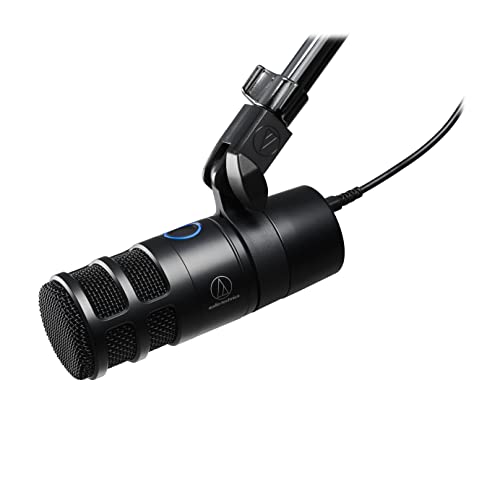
Audio Technica AT2040USB Dynamic Microphone
Podcasters and streamers who want a straightforward dynamic USB microphone with onboard mute and monitoring.
Read the Audio Technica AT2040USB Dynamic Microphone review →
sE Electronics sE X1R Ribbon Microphone
Budget minded recordists who want a ribbon microphone for guitar cabinets, brass, woodwinds, and voice over work and already own an XLR interface or preamp.
Read the sE Electronics sE X1R Ribbon Microphone review →
Shure MV88 MOTIV Stereo Condenser Microphone
Mobile creators, vloggers, podcasters, and livestreamers who need a compact stereo microphone for iPhone, iPad, Android, Mac, or PC recording.
Read the Shure MV88 MOTIV Stereo Condenser Microphone review →Questions Buyers Ask
Shure PGASTUDIOKIT4 4 Piece Studio Microphone
See the current listing, price and included accessories.
About This Review
Mandrillis Team
The Mandrillis editorial team researches and compares audio and music gear using manufacturer documentation, verified specs and real buyer feedback, so you can make a confident purchase without wading through marketing claims.
Read our full research methodology.