Guides
Dynamic vs Condenser Mic for an Untreated Room (Which Wins?)
Most home recordings happen in rooms with bare walls, hard floors and background noise. The microphone you choose decides how much of that room ends up in your recording. This guide compares dynamic and condenser mics for untreated rooms and shows how to get clean sound from either.
Quick Answer
In an untreated room, a dynamic mic is usually the better choice. It is less sensitive, so it picks up mostly your voice and less room echo and background noise, especially when you speak close to it. A condenser captures more detail, but also more of the room. Use a condenser only if you can reduce echo and noise.
How this guide was put together
This guide is based on manufacturer manuals, published specifications and widely used audio reference standards. Mandrillis does not run hands-on tests for these guides, so treat figures as typical values and check the manual for your own gear before changing settings.
What an Untreated Room Does to Sound
An untreated room has hard surfaces like bare walls, windows and wooden floors. Sound from your voice bounces off them and reaches the microphone a split second later than the direct sound.
Those reflections make a recording sound hollow, boxy or echoey. Background noise, like fans, traffic and computer hum, adds to the problem.
- Echo and boxy sound from hard walls.
- Background noise from fans, computers and outside.
- Uneven bass from small rooms and corners.
- A distant sound if you sit far from the mic.
How Dynamic and Condenser Mics Differ
Both types turn sound into an electrical signal, but they do it in different ways. That difference changes how much of the room they hear.
Dynamic Mics
A dynamic mic uses a small coil attached to a diaphragm, moving near a magnet. The design is rugged and needs no power.
Dynamic mics are less sensitive. They capture loud, close sounds well and pick up less of quieter sounds farther away, which is exactly what helps in a noisy room.
Condenser Mics
A condenser mic uses a very thin, light diaphragm next to a charged plate. It needs power, usually 48 volt phantom power from an interface.
That light diaphragm reacts to tiny sounds, so condensers capture rich detail. They also capture room echo, reflections and noise in the same detail.
Dynamic vs Condenser in an Untreated Room
How each type usually behaves in a home room without acoustic treatment.
| Factor | Dynamic mic | Condenser mic |
|---|---|---|
| Room echo picked up | Low | High |
| Background noise picked up | Low | High |
| Detail and air | Good | Very high |
| Needs phantom power | No | Usually 48 volts |
| Best mouth distance | About 1 to 3 inches | About 6 to 12 inches |
| Best room | Untreated or noisy | Treated and quiet |
Why Dynamic Mics Usually Win at Home
Because dynamic mics are less sensitive, you speak close to them. Your voice is then much louder than the room at the mic, so echo and noise drop far into the background.
This is why many podcasters and streamers record in ordinary bedrooms with dynamic mics and still sound clean.
- Less echo, because you are close and the room is quiet by comparison.
- Less keyboard, fan and street noise.
- Tougher build and no need for phantom power.
- Forgiving of untreated walls and small rooms.
When a Condenser Still Makes Sense
Condensers are the classic studio choice for singing, acoustic guitar and voiceover because of their detail. In the right room, they sound open and natural.
If you can make your room quiet and soften the reflections, a condenser can sound better than a dynamic. The room has to come first.
- Your room is quiet, with no fans or traffic noise.
- You can add soft materials around the recording spot.
- You record singing or acoustic instruments that need detail.
- You can keep the mic away from hard walls.
How to Get Cleaner Sound With a Dynamic Mic
A dynamic mic works best with good technique. These habits make the biggest difference.
Speak Close
Keep your mouth about 1 to 3 inches from the mic. Staying close makes your voice strong compared with the room.
Stay at a steady distance so your volume does not jump up and down.
Set Enough Gain
Many dynamic mics have a low output and need more gain. Some popular broadcast models need a strong preamp or an inline booster.
Aim for peaks around minus 12 to minus 6 dB in your recording software.
How to Make a Condenser Work in a Normal Room
If you already own a condenser, you can still improve results without full acoustic treatment.
- Record in a room with soft furniture, carpet and curtains.
- Face toward an open, soft area, not a bare wall.
- Hang a heavy blanket behind you to cut reflections.
- Turn off fans and record when it is quiet outside.
- Use a pop filter and stay about 6 to 12 inches from the mic.
Quick Room Fixes That Help Any Mic
You do not need expensive acoustic panels to make a big difference. Most of the benefit comes from soft materials close to where you record.
Reflections that reach the mic first matter most. Focus on the wall in front of you and the space behind your head.
Low-Cost Fixes
These use things most homes already have. Try them one at a time and record a short test after each.
- Record in a closet full of clothes, which absorbs a lot of echo.
- Hang a thick blanket or duvet on a stand behind you.
- Put a rug under your desk or chair.
- Place pillows or cushions on the desk around the mic.
- Close curtains over windows during recording.
How to Test Your Room
Clap your hands once and listen. A quick, clean clap means the room is fairly dead. A ringing echo means the room needs more soft surfaces.
Record 30 seconds of silence and listen back with headphones. Any hum or hiss you hear will be under every recording.
What About USB Mics?
USB mics come in both dynamic and condenser types. The same rules apply: USB dynamic mics handle untreated rooms better, while USB condensers pick up more of the room.
USB mics are convenient for podcasting and calls. XLR mics with an interface give more flexibility as your setup grows.
The Bottom Line
For an untreated room, start with a dynamic mic and speak close to it. You will get clearer recordings with less echo and noise.
Choose a condenser when your room is quiet and you can soften the reflections. Improving the room helps either mic, but dynamics forgive a bad room far more.
Dynamic and Condenser Mics From Our Reviews
Two popular dynamic mics that handle untreated rooms well, and one studio condenser for treated spaces.
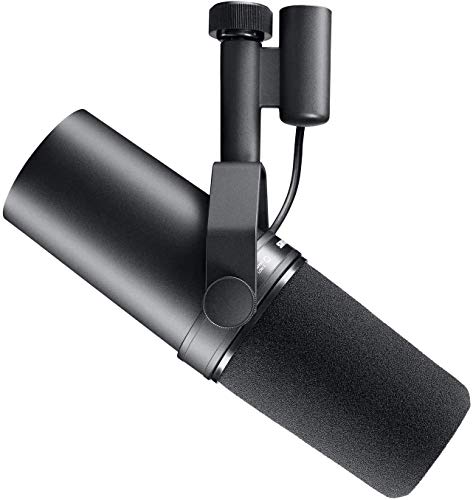
Shure SM7B
Mentioned
Who Should Buy It
- You want a broadcast-quality voice for podcasting or streaming
- You record in an untreated room and need strong noise rejection
- You have or plan to add a clean-gain boost like a Cloudlifter
Skip It If
- Your interface or preamp can't provide enough clean gain
- You want the most affordable entry point into XLR microphones
We may earn a commission at no extra cost to you.
Last verified: September 2026

Shure SM58
Mentioned
Who Should Buy It
- Duos and small bands who need matched vocal microphones
- Venues, schools and churches building a reliable microphone locker
- Solo performers who want a spare that sounds identical
- Podcasters recording two hosts in an untreated room through an interface
Skip It If
- You need a USB microphone for a computer
- Your main use is quiet acoustic instrument recording
- You only need one microphone and want to spend less
We may earn a commission at no extra cost to you.
Last verified: October 2026
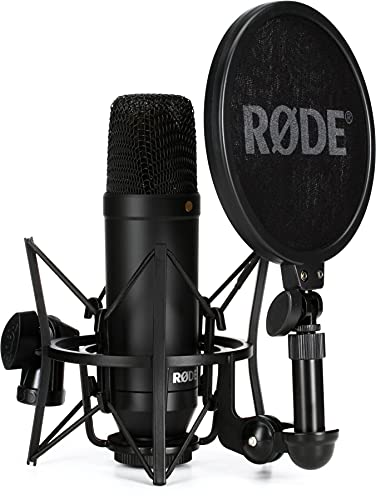
Rode NT1
Mentioned
Who Should Buy It
- Singers and rappers recording one voice at a time in a quiet room
- Voice-over artists and audiobook narrators who need a very low noise floor
- Home producers upgrading from an entry-level condenser
- Buyers who want the shock mount and pop screen bundled rather than bought separately
Skip It If
- You do not own an audio interface or mixer with a microphone preamp
- You stream from an untreated room with keyboard and fan noise
- You need omnidirectional or figure-eight patterns
We may earn a commission at no extra cost to you.
Last verified: October 2026
Keep Reading
Related guides and picks on Mandrillis:
- Best Dynamic Microphones : picks for home rooms with echo and noise
- Best Condenser Microphones for Home Studio : for quiet, treated spaces
- Home Studio Starter Guide : set up your first recording space
FAQs
About This Guide
Mandrillis Team
The Mandrillis editorial team researches and compares audio and music gear using manufacturer documentation, verified specs and real buyer feedback, so you can make a confident purchase without wading through marketing claims.
Read our full research methodology.