Digital Pianos Review
Casio CDP-S360 Review: The CDP-S160 With an Arranger
The CDP-S360 adds 700 tones, 200 rhythms, a pitch bend wheel, an LCD and a six-track recorder to the CDP-S160's slim, battery-powered hammer-action design. This review covers what the arranger adds for a beginner or songwriter, what stays the same, and when the PX-S3100 is worth the extra.
Our Verdict
Research Score 78/100The Casio CDP-S360 is the entry arranger piano to buy if you want rhythms, a huge sound library and recording on the slimmest hammer-action keyboard available, with battery power and a 24 pound weight. It plays and sounds like the CDP-S160, so the piano itself is an entry instrument; the PX-S3100 adds the AiR engine, 192-note polyphony and Bluetooth for a pianist who also wants the arranger.
Editorial research score based on published specifications and documented features, not a customer rating or lab test.

Casio
Casio CDP-S360
Best for: Beginners and songwriters who want an arranger on the slimmest hammer-action piano at the entry price
Skip it if: you want a better piano tone or more polyphony; the PX-S3100 is the step up
Check Price on AmazonWe may earn a commission at no extra cost to you.
Listing verified: October 2026
Who Should Buy It
Buy it if
- You want rhythms, hundreds of tones and recording on a budget
- You carry the keyboard or run it on batteries
- A child will explore sounds as well as practice piano
Skip it if
- Piano sound and resonance matter; the PX-S1100 or PX-S3100 are better
- You want Bluetooth included
- You need loud speakers
Key Specifications
| Key Action | Scaled Hammer Action Keyboard II with textured keys |
| Sound Engine | Casio sampled tones |
| Voices | 700 |
| Polyphony | 128 notes |
| Speakers | Built-in stereo |
| Bluetooth | Optional WU-BT10 adapter |
| USB | USB MIDI, class compliant |
| Pedals | Sustain pedal included; SP-34 triple pedal optional |
| Weight | 24 lb (10.9 kg) |
| Form Factor | Ultra-slim arranger piano, battery capable |
CDP-S160 Plus a Keyboard
Casio's CDP-S line is its entry slim range, and the CDP-S360 is the arranger version of the CDP-S160. The listing confirms 88 scaled hammer-action keys with simulated ivory and ebony textures, 700 tones, 200 rhythms, pitch bend and modulation controls, an LCD, Duet mode, a six-track recorder, class-compliant USB MIDI, battery power and a 24 pound weight. Casio's specification adds 128-note polyphony and built-in stereo speakers. Bluetooth is available through the optional WU-BT10 adapter rather than in the box.
Action
Scaled Hammer Action Keyboard II is the same graded, textured, short-mechanism action as the CDP-S160: heavier in the bass, quick in return, with good grip from the key textures and reduced leverage near the fallboard because of the slim case. It is a credible beginner action and a step below the Smart Scaled action in the Privia PX-S series and the full-depth actions from Roland and Kawai.
Tones, Rhythms and the Recorder
The 700 tones range from the main grand piano through electric pianos, organs, strings, brass, guitars, basses, drums and synths. The piano is clean but plain, without the resonance modeling of the Privia AiR engine, and it is the main difference between this and the PX-S3100 for a pianist. The other tones are useful and the pitch bend wheel adds expression for leads and organs.
The 200 rhythms turn the CDP-S360 into a backing band with intros, fills and endings, and the six-track recorder captures parts one at a time so a song can be built up. The LCD makes all of it visible, which is a real advantage over the CDP-S160's hold-and-press controls.
Connectivity and Power
USB MIDI is class compliant for Mac, Windows, iPad and Android, and the Casio Music Space app works over that cable. The optional WU-BT10 adapter adds Bluetooth audio and MIDI. A 3.5 mm headphone output doubles as the line output, as on the CDP-S160, so an adapter is needed for quarter-inch plugs. Six AA batteries run it for a few hours.
Setup and Accessories
A sustain pedal and music rest are included. Casio's CS-46 stand and SP-34 three-pedal unit convert the CDP-S360 into a slim console with soft, sostenuto and half-damper pedals. At 24 pounds and 232 mm deep it fits a desk and a gig bag.
CDP-S360 Against the Alternatives
Against the CDP-S160, the S360 adds the arranger, the LCD, the recorder and double the polyphony for a modest premium; for a beginner who will use rhythms it is the better buy. Against the PX-S3100, the Privia has the Smart Scaled action, the AiR engine with resonance, 192-note polyphony and Bluetooth included, at a higher price. Against the Yamaha DGX-670, the Yamaha has the CFX sample, a color display and a mic input in a far heavier instrument.
Buy the CDP-S360 for the arranger and the portability at the entry price; buy the PX-S3100 for the piano.
Setup and Living With It
The CDP-S360 ships with a music rest, the SP-3 sustain pedal and a power adapter, and at 24 pounds it goes from box to desk in a few minutes. Six AA batteries make it a keyboard that follows a child between rooms or a songwriter to a friend's house. The LCD and physical buttons make rhythms, tones and the recorder easy to reach, which is an advantage over the touch panels on Casio's Privia models for anyone who dislikes invisible controls. The 3.5 mm headphone jack is the one daily annoyance; keep an adapter with the piano.
Who Keeps It
Beginners who enjoy exploring sounds, songwriters who sketch with rhythms and families who want one slim keyboard for everyone keep the CDP-S360 happily. Students who become pianists move to a Privia or a Roland for the action and tone. Its low price and light weight make either path easy.
Strengths and Limitations
Strengths
- 700 tones, 200 rhythms, pitch bend and an LCD in a 24 pound slim case
- Battery operation and a six-track recorder
- Textured hammer-action keys
- Takes the SP-34 three-pedal unit
Limitations
- Same entry action and plain piano tone as the CDP-S160
- Bluetooth adapter sold separately
- Small speakers for an arranger
How We Scored It
Scores reflect published specifications, documented features and value against the alternatives below. They are editorial research scores, not laboratory measurements.
Alternatives to Consider

Casio CDP-S160
Beginners and casual players who need a light, slim piano that can run anywhere
Read the Casio CDP-S160 review →
Casio Privia PX-S3100
Players who want the PX-S1100's slim piano plus a full arranger and performance controls
Read the Casio Privia PX-S3100 review →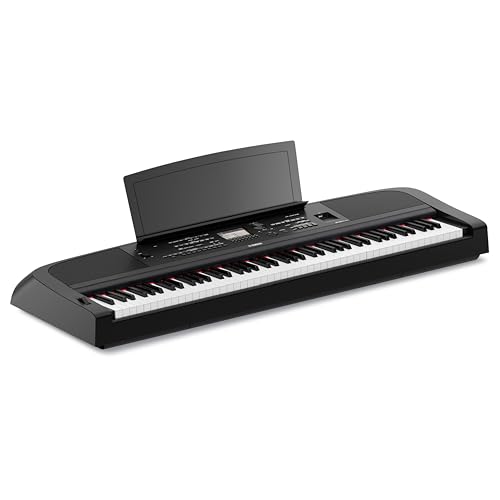
Yamaha DGX-670
Players who want one keyboard that is a piano, a backing band and a songwriting tool
Read the Yamaha DGX-670 review →Questions Buyers Ask
Casio CDP-S360
See the current listing, price and included accessories.
About This Review
Mandrillis Team
The Mandrillis editorial team researches and compares audio and music gear using manufacturer documentation, verified specs and real buyer feedback, so you can make a confident purchase without wading through marketing claims.
Read our full research methodology.