Digital Pianos Review
Casio CDP-S160 Review: Slim, Battery-Powered and Genuinely Weighted
The CDP-S160 is Casio's entry into slim hammer-action pianos, sitting below the Privia PX-S1100. It weighs 23 pounds, runs on AA batteries and takes an optional three-pedal unit. This review covers the action, the sound, and the two compromises that keep the price down.
Our Verdict
Research Score 80/100The Casio CDP-S160 is the best choice among entry portables when weight, depth and battery power matter more than ultimate sound. Scaled Hammer Action II gives a real graded feel with textured keys, and the optional SP-34 pedals and CS-46 stand make it a credible console. Its 64-note polyphony and plain piano tone are the reasons to spend more on the PX-S1100 if you can.
Editorial research score based on published specifications and documented features, not a customer rating or lab test.

Casio
Casio CDP-S160
Best for: Beginners and casual players who need a light, slim piano that can run anywhere
Skip it if: you want the richer sound and 192-note polyphony of the PX-S1100
Check Price on AmazonWe may earn a commission at no extra cost to you.
Listing verified: October 2026
Who Should Buy It
Buy it if
- You need to carry the piano regularly or store it upright
- You want battery operation for busking, school or outdoor use
- A first piano on a tight budget with a real hammer action
Skip it if
- You play pedal-heavy pieces that need more than 64 notes
- You want Bluetooth or app control over a wireless link
- You need quarter-inch outputs for a PA
Key Specifications
| Key Action | Scaled Hammer Action Keyboard II |
| Sound Engine | Casio AHL-derived stereo grand |
| Voices | 10 |
| Polyphony | 64 notes |
| Speakers | 2 x 8 W |
| Bluetooth | No |
| USB | USB to Host (MIDI) |
| Pedals | Sustain pedal included; SP-34 triple pedal optional |
| Weight | 23 lb (10.5 kg) |
| Form Factor | Ultra-slim portable, battery capable |
Built for Small Spaces
At 232 mm deep and about 23 pounds, the CDP-S160 is among the slimmest hammer-action pianos sold. It fits on a standard desk, stores on its end in a closet, and runs on six AA batteries when there is no outlet nearby. That combination is the reason to shortlist it over the Yamaha P-145 and Roland FP-10, both of which are heavier and mains-only.
Casio sells the SP-34 three-pedal unit and CS-46 wooden stand as options. With both fitted the CDP-S160 becomes a slim console with soft, sostenuto and half-damper pedals, which is a cheaper route to a three-pedal setup than most console pianos.
Scaled Hammer Action II
The action is graded, heavier in the bass and lighter in the treble, with a simulated ebony and ivory texture on the key tops that gives better grip than Yamaha's smooth GHS and GHC keys. The mechanism is short to fit the slim case, so leverage near the fallboard is reduced, as it is on the Yamaha GHC.
In feel it sits between the lighter Yamaha GHC and the heavier Roland PHA-4 Standard. Repetition is adequate for lesson repertoire; fast trills expose the shorter travel. For a first or second instrument it is a sound teaching action.
Sound: Clear but Plain
Ten tones cover a stereo grand, electric pianos, organs, strings, harpsichord and vibraphone. The grand is clear and in tune across the range but lacks the resonance and depth of the PX-S1100's AiR engine; held chords sound clean rather than alive.
Two 8 watt speakers are more powerful than those on the Yamaha P-145 and Roland FP-10, and they do a good job for a bedroom. Polyphony is 64 notes, which is fine for beginners and a limit for intermediate pedaled playing.
Connectivity and Apps
USB to Host is class compliant, so Mac, Windows, iPad and Android devices see it as a MIDI instrument without drivers. Casio's Chordana Play for Piano app adds on-screen control, a lesson function and a score display over the USB link. There is no Bluetooth and no USB audio.
CDP-S160 or PX-S1100?
The Privia PX-S1100 costs more and adds the Smart Scaled Hammer Action, 192-note polyphony, the AiR sound engine with string resonance, 18 tones, quarter-inch line outputs and Bluetooth audio and MIDI through the included adapter. For anyone beyond the first year it is the better instrument.
The CDP-S160 wins on price and on being the lightest option that still has a hammer action. If it will live on a desk, travel to lessons or run on batteries, it is the sensible choice.
Setup, Stand and Pedals
The CDP-S160 comes with a music rest, the SP-3 sustain pedal and a power adapter, and it is the lightest hammer-action piano in this group to carry out of the box. On a desk its 232 mm depth leaves space in front of the keys; on Casio's CS-46 wooden stand with the SP-34 three-pedal unit it becomes a slim console with soft, sostenuto and half-damper pedals for less than most true consoles cost.
Battery operation changes how you use it. Six AA cells run it for a practice session or a busking set, so the piano can go to a park, a school hall or a family gathering without hunting for an outlet. The 3.5 mm headphone output is the compromise that comes with the slim case; a short adapter cable to quarter-inch is worth keeping in the gig bag.
Who Keeps It and Who Upgrades
Casual players, students in shared housing and parents buying a first piano for a child tend to keep the CDP-S160 for years, because it does the core job well and takes up almost no space. The scaled hammer action is honest, the Chordana Play app makes lessons easier, and the piano simply does not get in the way.
The players who move on are those who reach intermediate repertoire and start to hear the ceiling: 64-note polyphony on pedaled passages and a grand tone without resonance. For them the Privia PX-S1100 is the natural next step, with the same slim footprint but the AiR engine, 192 notes of polyphony, Bluetooth and proper line outputs. If you suspect you are that player already, skip straight to the PX-S1100; if you are not sure, the CDP-S160 is a low-risk place to find out.
Strengths and Limitations
Strengths
- Runs on six AA batteries as well as mains power
- Slimmest and lightest hammer-action piano at this price
- Scaled hammer action with textured key tops
- Optional SP-34 three-pedal unit and CS-46 stand turn it into a console
Limitations
- 64-note polyphony
- Headphone output is a 3.5 mm mini-jack
- Piano tone is thinner than the Privia PX-S1100
How We Scored It
Scores reflect published specifications, documented features and value against the alternatives below. They are editorial research scores, not laboratory measurements.
Alternatives to Consider

Casio Privia PX-S1100
Players who want a serious, slim, wireless-ready piano that still travels easily
Read the Casio Privia PX-S1100 review →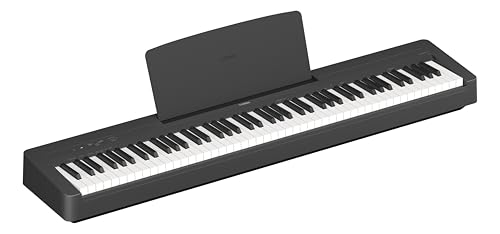
Yamaha P-145
Beginners who want the current Yamaha entry model with app control and a slim footprint
Read the Yamaha P-145 review →
Roland FP-10
Beginners who want the best key feel available under the entry price ceiling
Read the Roland FP-10 review →Head-to-Head Comparisons
- Yamaha P-145 vs Casio CDP-S160 Compare →
Questions Buyers Ask
Casio CDP-S160
See the current listing, price and included accessories.
About This Review
Mandrillis Team
The Mandrillis editorial team researches and compares audio and music gear using manufacturer documentation, verified specs and real buyer feedback, so you can make a confident purchase without wading through marketing claims.
Read our full research methodology.