Digital Pianos Review
Kawai ES60 Review: Kawai Tone Below the ES120
The ES60 is Kawai's new entry portable, slotting under the ES120 with a Responsive Hammer Lite action, seventeen sounds built on Kawai's grand samples and built-in speakers. This review covers what the listing confirms, what it does not, how the lighter action compares with the Yamaha P-145 and Roland FP-10, and when to pay more for the ES120.
Our Verdict
Research Score 79/100The Kawai ES60 is worth considering if you want Kawai's warm piano tone at the entry price and prefer a lighter, graded action to the Roland FP-10's heavier PHA-4. The seventeen sounds and Responsive Hammer Lite keyboard are confirmed; polyphony, speaker power and Bluetooth are not stated on the listing, so verify them against Kawai's documentation if they matter. For a buyer who can stretch, the ES120 remains the better-documented and better-equipped Kawai.
Editorial research score based on published specifications and documented features, not a customer rating or lab test.

Kawai
Kawai ES60
Best for: Buyers who want Kawai's piano tone in an entry portable priced against the Yamaha P-145 and Roland FP-10
Skip it if: you want the fuller spec and known polyphony of the ES120
Check Price on AmazonWe may earn a commission at no extra cost to you.
Listing verified: October 2026
Who Should Buy It
Buy it if
- You like Kawai's warm piano sound and want it under the ES120's price
- You want a graded hammer action that is light enough for a child
- You practice mostly on headphones
Skip it if
- You need confirmed polyphony and Bluetooth before buying
- You want line outputs for performing
- Touch is your priority; the Roland FP-10 feels more substantial
Key Specifications
| Key Action | Responsive Hammer Lite (RHL) |
| Sound Engine | Kawai sampled grands |
| Voices | 17 |
| Polyphony | Not published in listing |
| Speakers | Built-in stereo |
| Bluetooth | Not published in listing |
| USB | USB MIDI |
| Pedals | Sustain pedal included |
| Weight | Not published in listing |
| Form Factor | Portable slab |
What the ES60 Is
Kawai's ES range has long started at the ES110 and now ES120. The ES60 adds a rung below it: an 88-key portable with the Responsive Hammer Lite action, seventeen sounds, built-in stereo speakers, a sustain pedal and USB MIDI, at a price that lines up with the Yamaha P-145 and Roland FP-10. The Amazon listing reviewed here confirms the action, the sound count and the speakers; it does not publish polyphony, speaker wattage or Bluetooth, so this review treats those as unverified.
The pitch is simple. Kawai's grand piano samples are among the warmest and most natural at any price, and the ES60 brings them to buyers who would otherwise choose between Yamaha, Roland and Casio.
Responsive Hammer Lite
RHL is a graded hammer action designed to be lighter and cheaper than the Responsive Hammer Compact on the ES120. The grading from bass to treble is present and the touch is lighter overall, which suits children and players coming from unweighted keyboards. The mechanism is quiet. There is no let-off simulation and the key tops are plain.
Against the Yamaha GHC on the P-145, RHL is comparable in weight with a slightly softer feel. Against the Roland PHA-4 Standard on the FP-10, it is clearly lighter and lacks escapement, so touch-first buyers will still prefer the Roland. For the first years of study it is a sound action; for intermediate players the ES120's RHC and the Roland are better.
Sounds and Speakers
Seventeen sounds include Kawai grand pianos, an upright, electric pianos, organs, strings and bass. The main grand carries the warmth and roundness that make Kawai's ES120 and consoles popular, and through headphones it is the ES60's best argument. The built-in speakers are adequate for practice; without a published wattage we would not plan on them for a living room.
Polyphony is not stated on the listing. Kawai's entry pianos have historically offered 192 notes, but until that figure is confirmed for the ES60, buyers who layer sounds with heavy pedaling should check Kawai's specification sheet or choose the ES120, where 192 notes is documented.
Connectivity
USB MIDI connects the ES60 to apps and computers with a cable. There is a headphone output and a sustain pedal jack. Line outputs and Bluetooth are not confirmed on the listing, which matters to anyone who performs or streams; the ES120 documents both Bluetooth audio and MIDI and quarter-inch line outs.
Setup and Accessories
The box contains the piano, a music rest, a sustain pedal and a power adapter. Kawai's matching stand and triple pedal unit are optional. Weight is not published on the listing; the ES60 is positioned as a lighter alternative to the ES120, which weighs about 26.5 pounds.
ES60 Against the Alternatives
Against the Yamaha P-145, the ES60 offers Kawai's richer piano tone and more sounds, while the Yamaha documents its polyphony, offers app control and comes in a slimmer cabinet. Against the Roland FP-10, the Roland has the better action and Bluetooth MIDI; the Kawai has the warmer tone and more voices. Against the Casio CDP-S160, the Casio is lighter, battery-powered and accepts a three-pedal unit; the Kawai sounds fuller.
The ES60 is a sensible pick for a buyer who has heard a Kawai and wants that tone at the entry price, and who does not need the unconfirmed features.
ES60 or ES120?
The ES120 costs more and documents everything the ES60 leaves open: 192-note polyphony, 2 x 10 W speakers, Bluetooth audio and MIDI, quarter-inch line outputs and the heavier Responsive Hammer Compact action. For an intermediate player or anyone who performs, that certainty is worth the difference. For a beginner who wants Kawai tone on a budget and will practice on headphones, the ES60 is enough.
Strengths and Limitations
Strengths
- Kawai grand piano samples at the brand's lowest price
- Responsive Hammer Lite action, graded and quieter than entry rivals
- Seventeen sounds with strong pianos and electric pianos
- Clean, simple panel
Limitations
- Polyphony and speaker power not stated on the listing
- RHL is a lighter action than the ES120's RHC
- Newer model with less track record
How We Scored It
Scores reflect published specifications, documented features and value against the alternatives below. They are editorial research scores, not laboratory measurements.
Alternatives to Consider

Kawai ES120
Players who prize a warm, acoustic-like piano tone and a light, well-connected portable
Read the Kawai ES120 review →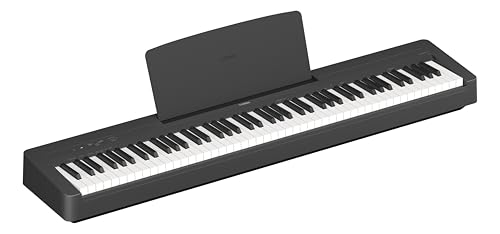
Yamaha P-145
Beginners who want the current Yamaha entry model with app control and a slim footprint
Read the Yamaha P-145 review →
Roland FP-10
Beginners who want the best key feel available under the entry price ceiling
Read the Roland FP-10 review →Questions Buyers Ask
Kawai ES60
See the current listing, price and included accessories.
About This Review
Mandrillis Team
The Mandrillis editorial team researches and compares audio and music gear using manufacturer documentation, verified specs and real buyer feedback, so you can make a confident purchase without wading through marketing claims.
Read our full research methodology.