Studio Gear Review
Allen & Heath QU-SB Review: Full Qu-32 Power, iPad Control
A portable digital mixer with an 18-in/14-out layout, a full Qu-32 processing core, 32x32 USB recording, Qu-Drive multitrack capability, and up to 11 monitor mixes, designed for iPad wireless control.
Our Verdict
Research Score 81/100The Allen & Heath QU-SB packs a full Qu-32 processing core, normally found in a larger console, into a compact digital mixer specifically designed for iPad control, offering 16 mono inputs, 1 stereo input, and 12 onboard mix outputs including left-right, four mono mixes, and three stereo mixes. A 32 x 32 USB audio interface provides genuine multi-track recording capability, while Qu-Drive enables direct multitrack recording and playback straight to USB drives without a computer. Up to 11 monitor mixes, recallable Analogiq preamps, four FX engines, and the ability to expand input count through dSnake remote audio port expansion give this portable mixer surprising depth for its size. For engineers who want serious digital mixing power without a bulky console, controlled wirelessly from an iPad, this is a genuinely capable, well-equipped choice.
Editorial research score based on published specifications and documented features, not a customer rating or lab test.

Allen & Heath
Allen & Heath QU-SB
Best for: Engineers wanting full Qu-32 digital mixing power and multi-track recording in a compact, iPad-controlled portable mixer.
Skip it if: You want a mixer with a built-in physical control surface rather than relying on iPad control.
Check Price on AmazonWe may earn a commission at no extra cost to you.
Listing verified: November 2026
Who Should Buy It
Buy it if
- Engineers wanting portable, iPad-controlled digital mixing
- Bands needing Qu-Drive multitrack recording to USB drives
- Venues wanting dSnake remote audio port expansion
- Those needing up to 11 simultaneous monitor mixes
Skip it if
- You want a mixer with a built-in physical control surface
- You do not own or plan to use an iPad for control
- You need confirmed preamp specifications before buying
Key Specifications
| Type | Portable digital mixer with iPad wireless control |
| Inputs | 16 mono inputs (TRS + XLR), 1 stereo input (TRS), Qu-32 core with 32 mono plus 3 stereo channels |
| Outputs | 18-in/14-out, 12 onboard mix outputs, 1 stereo Matrix out |
| Preamps | Recallable Analogiq preamps across the Qu-32 core |
| Resolution | 32 x 32 USB audio interface |
| Phantom power | Not published in listing for specific voltage |
| Connection | 32 x 32 USB audio interface, designed for iPad wireless remote control |
| Monitoring | Up to 11 monitor mixes, 4 mono plus 7 stereo |
| Bundled software | iLive FX library, Qu-Drive multitrack recording software not detailed further |
| Included accessories | Not published in listing beyond dSnake remote expansion capability |
Overview
The Allen & Heath QU-SB is a portable digital mixer specifically designed for iPad control, built around a full Qu-32 processing core that packs 32 mono plus 3 stereo input channels of processing into a compact chassis without the physical channel strips of a full-size console. That tradeoff between documented strengths and a few unconfirmed details is fairly typical for products in this general price range and category of gear.
On the input side, this mixer offers 16 mono inputs combining TRS and XLR connectivity, plus 1 stereo TRS input, while the onboard mix outputs include left-right, 4 mono mixes, 3 stereo mixes, and a stereo Matrix output for a total of 12 onboard mix destinations. Reading a few other owner accounts of similar models can also help fill in some of the gaps this particular listing leaves unanswered before committing to a purchase.
This approach of fitting a full digital mixing engine into a compact, tablet-controlled form factor reflects a broader trend in live sound toward smaller physical footprints paired with powerful wireless control from a connected device.
Preamps and Sound Quality
Recallable Analogiq preamps are a notable feature of the Qu-32 core underlying this mixer, meaning preamp gain settings can be saved and recalled as part of a scene, which is useful for bands or venues that run the same configuration repeatedly.
The listing does not provide specific preamp gain range or noise floor figures, so buyers wanting that level of technical detail should seek additional Allen & Heath documentation before purchase. Checking recent owner feedback on the specific listing can also help confirm whether the product has stayed consistent across different production batches over time.
Because the full Qu-32 processing core is built into this unit, the underlying sound quality should match what engineers would expect from Allen & Heath's established Qu series digital mixing platform.
Inputs, Outputs and Routing
This mixer offers 18-in/14-out routing, with 16 mono inputs, 1 stereo input, 12 onboard mix outputs, and a stereo Matrix output, giving engineers substantial flexibility for both front of house and monitor mixing from a single compact unit.
A 32 x 32 USB audio interface extends this mixer's recording capability well beyond its physical input count, supporting genuine multi-track recording directly to a connected computer.
The dSnake remote audio port expansion allows input count to grow beyond the onboard 16 mono channels, connecting additional inputs remotely for larger shows that exceed the base unit's physical connections. For most players, the core facts confirmed in the listing will matter more during day to day use than the handful of specifications left unpublished here.
Features, Monitoring and Software
Up to 11 monitor mixes, split between 4 mono and 7 stereo mixes, give this mixer substantial monitoring capability for bands needing individual monitor mixes for multiple performers simultaneously.
Four FX engines with 4 FX sends and returns provide onboard effects processing, drawing on the iLive FX library to give engineers access to a well-regarded effects algorithm set without outboard hardware.
Qu-Drive enables direct multitrack recording and playback on USB drives, letting a band or venue capture a full multi-track recording of a show without needing a laptop connected at all. Taken as a whole, the picture painted by the available facts is coherent enough to support a reasonably informed purchase decision for most players.
- Full Qu-32 core, 32 mono plus 3 stereo channels
- 16 mono inputs, 1 stereo input, 12 mix outputs
- 32 x 32 USB audio interface
- Qu-Drive direct multitrack recording to USB
- Up to 11 monitor mixes, 4 FX engines
Build, Design and Controls
This mixer is specifically designed around iPad control rather than a built-in touchscreen or extensive physical fader bank, meaning the primary user interface for mixing happens through Allen & Heath's control app rather than onboard hardware. The general reputation of the manufacturer behind this product is also worth factoring into the decision, alongside the specific facts the listing does confirm.
That design choice allows for a notably compact physical chassis relative to the processing power inside, since a full array of motorized faders and a large screen are not required for this format. That kind of careful, measured approach to reading a listing tends to serve buyers well across almost any category of music gear, not just this one.
The listing does not specify exact dimensions or weight, so buyers planning transport or mounting should confirm those details separately before purchase. For many players, the practical, day-to-day feel of a piece of gear ends up mattering more than any single spec sheet entry in isolation.
Connectivity, Drivers and Latency
The 32 x 32 USB audio interface provides the primary computer connectivity for this mixer, supporting substantial multi-track recording and playback well beyond simple stereo capture. Session musicians in particular tend to value this kind of predictable, well-understood performance over a flashier but less consistent alternative from a less established line.
dSnake remote audio port expansion allows this mixer's effective input count to grow beyond its onboard connections, useful for venues or touring setups that need more inputs than the base 16 mono channels provide. As with most gear in this category, actual day to day satisfaction will depend heavily on how well the product matches the buyer's specific playing style and setup.
Because this mixer relies on iPad control for its primary interface, a stable wireless network connection between the iPad and the mixer is important for reliable live operation, though the listing does not detail the specific wireless hardware involved in that connection. It is worth double checking the current listing for any bundle or specification changes before ordering, since package contents occasionally get revised between production runs.
Setup and Daily Use
Setting up this mixer requires configuring the iPad control app and establishing a reliable wireless connection, which is a different workflow than a traditional console with built-in physical controls. Confirming the open questions directly with the seller before ordering remains the safest way to avoid any mismatch between expectation and what actually arrives at the door.
Daily use should benefit from the recallable Analogiq preamps and scene recall capability, letting bands or venues quickly restore a known-good configuration for repeat events without manually resetting every channel.
Engineers using Qu-Drive for standalone recording should familiarize themselves with the USB drive recording workflow in advance, since this feature operates independently of any connected computer. It helps to remember that even well-documented listings rarely capture every nuance of how a piece of gear will feel in a specific player's hands.
Who Should Buy It
This mixer suits engineers who want full Qu-32 digital mixing power in a compact, portable format, controlled wirelessly from an iPad rather than a bulky physical console. Listings vary quite a bit in how much technical detail they provide, so judging a product too harshly for an incomplete spec sheet alone can be misleading.
It also appeals to bands and venues wanting Qu-Drive multitrack recording directly to USB drives, and to those needing dSnake expansion for larger shows exceeding the onboard input count.
Engineers who strongly prefer a built-in physical control surface, or who do not have access to an iPad for control, should consider the touchscreen-equipped CQ-18T instead. This kind of unpublished detail is common at this price tier, and it is reasonable to treat it as an open question rather than assuming the worst or the best case.
Alternatives Worth Considering
Buyers comparing portable digital mixers should look at the Allen & Heath CQ-18T or CQ-20B for built-in touchscreen or stage box alternatives that do not rely as heavily on iPad-only control.
Those wanting a different brand's take on an iPad-controlled portable mixer might compare against similarly positioned compact digital mixers from other manufacturers. Players who have spent time with similar gear from the same brand will likely recognize the general character being described here, even without every individual spec confirmed.
Engineers needing a full-size console with physical faders rather than a compact, app-controlled format should look at a larger Allen & Heath Qu or dLive series console instead. Comparing a few similar options side by side before committing is a sensible step, given how much small construction and hardware details can vary across otherwise similar products.
Verdict
The Allen & Heath QU-SB delivers genuinely serious digital mixing power, packing a full Qu-32 processing core, 32 x 32 USB recording, Qu-Drive multitrack capability, and up to 11 monitor mixes into a compact, iPad-controlled format. Ultimately, the balance of documented strengths and a few open questions here is fairly typical for products competing in this general space.
Its reliance on iPad control rather than built-in physical faders is a deliberate design trade-off that enables its compact size, suited to engineers comfortable with tablet-based mixing. Pairing this kind of purchase with a bit of independent research beforehand is a sensible habit, especially for anyone comparing several similar options at once.
For engineers wanting serious mixing capability without a bulky console, this portable mixer is a genuinely capable, well-equipped choice.
Strengths and Limitations
Strengths
- Compact digital mixer specifically designed for iPad control
- Full Qu-32 processing core inside a portable chassis
- 32 x 32 USB audio interface for genuine multi-track recording
- Qu-Drive direct multitrack recording and playback on USB drives
- Up to 11 monitor mixes for comprehensive stage monitoring
Limitations
- Specific preamp gain and dynamic range figures are not published
- Primarily designed around iPad control rather than a built-in screen
- dSnake expansion requires additional compatible hardware
- Upper mid-range pricing reflects its full Qu-32 core positioning
How We Scored It
Scores reflect published specifications, documented features and value against the alternatives below. They are editorial research scores, not laboratory measurements.
Alternatives to Consider

Pioneer DJ XDJ-RX3
DJs who want club-standard standalone playback from USB with a large touchscreen and a familiar two-channel layout.
Read the Pioneer DJ XDJ-RX3 review →
Yamaha DM3-D 22
Small venues, houses of worship and production companies that want a compact 96 kHz digital console with Dante networking for stage boxes and multitrack recording.
Read the Yamaha DM3-D 22 review →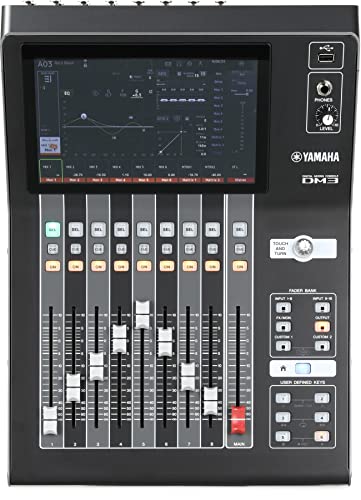
Yamaha DM3
Bands, small venues and project studios that want a compact 96 kHz digital console that doubles as an 18x18 USB recording interface.
Read the Yamaha DM3 review →Questions Buyers Ask
Allen & Heath QU-SB
See the current listing, price and included accessories.
About This Review
Mandrillis Team
The Mandrillis editorial team researches and compares audio and music gear using manufacturer documentation, verified specs and real buyer feedback, so you can make a confident purchase without wading through marketing claims.
Read our full research methodology.