Studio Gear Review
Behringer BA 19A Review: A Boundary Mic for Low End
The Behringer BA 19A is a condenser boundary microphone built for kick drums, piano and bass heavy instruments. Its half cardioid pattern, integrated preamplifier and switchable filters target low end heavy sources, though the feature bullets leave several numeric specifications unpublished.
Our Verdict
Research Score 66/100The Behringer BA 19A is a condenser boundary microphone purpose built for kick drums, piano and other bass heavy instruments, and the feature bullets support that framing with a half cardioid pattern for noise and feedback rejection, an integrated preamplifier for signal integrity, and switchable filters for stronger lows or high frequency attack. That combination is genuinely useful for engineers who need a surface mounted microphone near a kick drum shell or piano soundboard. The feature bullets do not publish numeric frequency response, connector type, weight or a maximum SPL figure, which leaves real gaps for buyers who want to compare it precisely against other boundary microphones. For a budget tier, purpose built boundary condenser aimed specifically at low end sources, it is a reasonable choice within its narrow lane.
Editorial research score based on published specifications and documented features, not a customer rating or lab test.

Behringer
Behringer BA 19A Boundary Microphone
Best for: Studio and stage engineers who want a boundary microphone tuned for kick drums, piano and other bass heavy instruments.
Skip it if: You need a general purpose vocal microphone or a microphone with a fully documented numeric spec sheet.
Check Price on AmazonWe may earn a commission at no extra cost to you.
Listing verified: November 2026
Who Should Buy It
Buy it if
- Drummers and engineers miking a kick drum from inside or near the shell
- Piano recordists who want a surface mounted condenser near the soundboard
- Buyers who want switchable low end and high frequency filters built in
Skip it if
- You need a vocal or general instrument microphone on a traditional stand
- You require a documented numeric frequency response before buying
- You need a confirmed connector type and included cable
Key Specifications
| Type | Condenser boundary microphone for acoustic instruments |
| Polar pattern | Half-cardioid |
| Frequency response | Described as tailored for kick drums, piano and bass-heavy instruments; no numeric figures published in the feature bullets |
| Connection | Not published in the feature bullets |
| Phantom power | Required for the condenser capsule and integrated preamplifier; exact voltage not published in the feature bullets |
| Max SPL or sensitivity | Not published in the feature bullets |
| Controls | Switchable filters for stronger low end or high-frequency attack |
| Mount and stand | Boundary (surface-mount) design, per the feature bullets; no separate stand hardware described |
| Weight | Not published in the feature bullets |
| Included accessories | Not published in the feature bullets |
Overview
The Behringer BA 19A is a condenser boundary microphone, meaning it is designed to sit flat on a surface rather than mount on a traditional stand. The feature bullets describe it specifically for acoustic instruments, with particular attention to kick drums, piano and bass heavy sources, rather than as a general purpose studio microphone for everyday use.
A half cardioid polar pattern and an integrated preamplifier are the two defining technical details the feature bullets provide, aimed at minimizing background noise and feedback while keeping the signal clean before it reaches a mixer or interface. That pairing is a deliberate design choice for a microphone meant to sit inside or near loud, resonant instruments producing significant low frequency energy.
Switchable filters for stronger lows and high frequency attack round out the published feature set, suggesting Behringer designed this specifically around the tonal demands of low end heavy instruments rather than as a flat, general purpose condenser for everyday studio work. At a budget price point, this kind of narrow specialization is a reasonable way to deliver real, dependable usefulness for one specific recording job rather than mediocre results spread across many.
Sound Quality
The feature bullets describe a frequency response tailored specifically for kick drums, piano and bass heavy instruments, without publishing a numeric range. That framing suggests a deliberate low end emphasis rather than a flat, general purpose response across the full audible spectrum.
Switchable filters for stronger lows and high frequency attack give some on microphone tonal shaping. This lets an engineer boost the low end further for a kick drum or add attack to a piano's upper register without reaching for an equalizer first during tracking.
Compared with a reference small diaphragm condenser used for general instrument work, a boundary microphone tuned specifically for bass heavy sources is a narrower tool, favoring a specific job over broad versatility across many different recording situations. Engineers who already own general purpose condensers often add a boundary microphone like this one specifically to fill the low end gap that those other microphones tend to handle less convincingly.
Pickup Pattern and Noise Handling
The feature bullets state a half cardioid polar pattern directly. This is a pattern specific to boundary microphones, combining a flat mounting surface with directional rejection to minimize background noise and feedback in a loud, busy recording environment such as a stage or a small drum room.
That pattern is particularly useful inside a kick drum shell or near a piano soundboard. Reflections off nearby surfaces could otherwise create unwanted coloration or feedback in a loud stage environment, especially at the high volumes a kick drum can produce up close.
No maximum SPL or sensitivity figure is published in the feature bullets, which is a gap for an application, kick drums especially, where very high sound pressure levels at close range are common and a documented ceiling would be genuinely useful information. Engineers accustomed to seeing a published SPL rating on dedicated kick drum microphones will need to rely instead on the integrated preamplifier's described signal integrity claim.
Build Quality
As a boundary microphone, the BA 19A's build is defined by its flat, surface mount housing rather than a traditional cylindrical body. The feature bullets do not publish an exact weight or housing material for this specific unit.
The integrated preamplifier is built into the unit itself. This the feature bullets credit with outstanding signal integrity, suggesting Behringer placed some engineering emphasis on the internal electronics rather than only the capsule design alone when building this model.
No stand or mounting hardware is described, which is consistent with a boundary design meant to be placed directly on a surface such as a drum riser or piano lid rather than clamped to a microphone stand like a conventional condenser. A short cable run and a stable flat surface are really all the physical setup this microphone requires.
- Boundary, surface mount housing design
- Integrated preamplifier for signal integrity
- Switchable filters for lows and high frequency attack
- Weight and housing material not published in the feature bullets
Connectivity and Setup
The feature bullets do not state a connector type for the BA 19A. As a condenser microphone with an integrated preamplifier, it requires external phantom power from a mixer or interface, though the exact voltage is not published in the available data for this listing.
Setup involves placing the microphone flat on a surface near the target instrument, such as inside a kick drum shell or on a piano soundboard. That is different from positioning it on a stand at a measured distance, the way a conventional microphone would be placed during a typical session.
The switchable filters are adjusted directly on the unit before recording. This gives an engineer a quick way to shape the low end or high frequency attack without routing through outboard equalization first during a session.
Features, Controls and Extras
Switchable filters for stronger lows or high frequency attack are the primary onboard controls described in the feature bullets. They give some tonal flexibility despite the microphone's narrow, purpose built design for bass heavy instruments.
The integrated preamplifier functions as a feature in its own right, intended to preserve signal integrity before the audio leaves the microphone. This matters for low level, bass heavy sources that can otherwise pick up noise easily on a long cable run back to a mixer.
Beyond the filters and preamplifier, the feature bullets describe no additional switches, pads or multi pattern options. This is a focused tool rather than a feature dense general purpose condenser aimed at every possible recording scenario.
Use Cases: Vocals, Streaming, Podcasting and Instruments
Kick drum and piano miking are the explicit use cases named in the feature bullets. That makes this a natural addition to a drum kit or piano recording setup, rather than a do everything studio microphone for general purpose work.
Bass heavy instruments generally, beyond just kick drums and piano, are also named in the feature bullets. That suggests applications such as a bass amplifier cabinet or a low tuned percussion instrument could also suit this design well, provided the source can be placed near a flat surface for the boundary mount to work properly.
Vocal use, streaming and podcasting are not described anywhere in the feature bullets. And the boundary form factor itself makes this an impractical choice for those applications compared with a handheld or desk mounted microphone built for speech and conversational distance.
Who Should Buy It
Drummers and recording engineers who need a dedicated microphone for inside or near a kick drum shell are the clearest audience. The feature bullets frame the product explicitly around that exact use case and the low end tuned response it implies.
Piano recordists who want a surface mounted condenser near the soundboard, rather than a stand mounted pair of overheads, will also find this a purpose built fit. It captures a different, more direct tonal perspective on the instrument.
Buyers who need a general purpose vocal or instrument microphone, or who want a fully documented numeric spec sheet, should look at a different model entirely rather than this narrowly focused boundary design. Those already running a kick drum microphone they are unhappy with may find this a worthwhile, inexpensive second option to try alongside their existing setup.
Alternatives Worth Considering
A traditional stand mounted kick drum microphone, built specifically for that application with a documented frequency response and SPL figure, is worth comparing directly. It suits buyers who want more complete specifications before committing to the boundary form factor.
For general instrument recording beyond kick drums and piano, a small diaphragm condenser such as the AKG Perception 170 offers a more versatile, stand mountable alternative. It can be repositioned easily for different sources.
Buyers specifically focused on piano recording might also consider a stereo pair of small diaphragm condensers mounted above the strings. This is because a single boundary microphone captures a different, more direct perspective than an overhead pair would.
Verdict
The Behringer BA 19A is a purpose built boundary condenser for kick drums, piano and bass heavy instruments. It is backed by a half cardioid pattern for noise and feedback rejection, an integrated preamplifier and switchable low end and high frequency filters.
Numeric frequency response, connector type, weight and maximum SPL are all left unpublished in the feature bullets, which limits precise comparison against other boundary microphones. Within its narrow, low end focused lane, it remains a sensible budget choice for the specific job it is built to do, especially for engineers already comfortable working without a full data sheet in hand.
Strengths and Limitations
Strengths
- Half cardioid polar pattern minimizes background noise and feedback
- Integrated preamplifier for a cleaner signal path
- Switchable filters for stronger lows or high frequency attack
- Boundary design tailored for kick drums, piano and bass heavy instruments
- Condenser capsule type confirmed directly in the feature bullets
Limitations
- No numeric frequency response figures published, only a descriptive statement
- No connector type, weight or maximum SPL figure given
- No stand or mounting hardware confirmed as included
- Boundary mounting limits placement options compared with a stand mounted microphone
How We Scored It
Scores reflect published specifications, documented features and value against the alternatives below. They are editorial research scores, not laboratory measurements.
Alternatives to Consider

Beyerdynamic M 160
Recording guitar amplifiers, drum overheads, strings and brass with a smooth, directional ribbon character.
Read the Beyerdynamic M 160 review →
Shure BLX288/SM58 Dual Vocal
Bands, worship teams and event companies that need two dependable wireless SM58 vocal channels in one simple package.
Read the Shure BLX288/SM58 Dual Vocal review →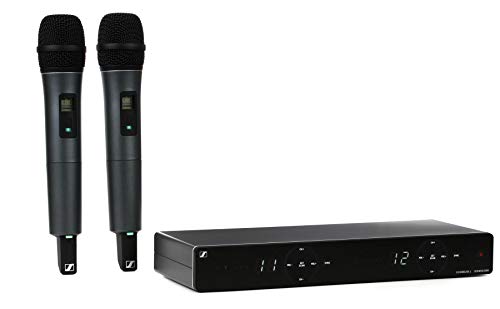
Sennheiser XSW 1-835
Worship teams, schools and gigging duos who want two wireless e835 vocal channels with the simplest possible setup.
Read the Sennheiser XSW 1-835 review →Questions Buyers Ask
Behringer BA 19A Boundary Microphone
See the current listing, price and included accessories.
About This Review
Mandrillis Team
The Mandrillis editorial team researches and compares audio and music gear using manufacturer documentation, verified specs and real buyer feedback, so you can make a confident purchase without wading through marketing claims.
Read our full research methodology.