Studio Gear Review
Rode Lavalier GO Review: A Discreet Wired Workhorse
The Rode Lavalier GO is a wearable omnidirectional microphone with a sub miniature capsule, a standard 3.5 mm TRS connector and a Kevlar reinforced cable. It targets filmmakers and content creators who need discreet, reliable audio without a wireless system.
Our Verdict
Research Score 73/100The Rode Lavalier GO is a straightforward, wired lavalier microphone built around a sub miniature omnidirectional capsule described in the feature bullets as discreet and broadcast grade. Its standard 3.5 millimeter TRS connector gives it broad compatibility across cameras, audio interfaces and wireless transmitters, while a durable mounting clip with cable management and a Kevlar reinforced cable address the practical realities of rigging talent repeatedly. The feature bullets do not publish frequency response, sensitivity, maximum SPL or weight figures, which limits how precisely this review can specify its sound. For filmmakers and content creators who want a dependable, discreet wired microphone rather than a wireless system, it remains a sound, well considered choice.
Editorial research score based on published specifications and documented features, not a customer rating or lab test.

Rode
Rode Lavalier GO Wearable Microphone
Best for: Filmmakers, broadcasters and content creators who need a discreet, wearable microphone that connects over a standard 3.5 mm jack.
Skip it if: You need a wireless connection or a longer cable than 1.2 meters without an extension.
Check Price on AmazonWe may earn a commission at no extra cost to you.
Listing verified: November 2026
Who Should Buy It
Buy it if
- Video creators who need a discreet lavalier for interviews or presentations
- Buyers who want broad compatibility with cameras, interfaces and wireless transmitters
- Anyone who wants a reinforced cable built to survive repeated rigging and unrigging
Skip it if
- You need a wireless lavalier rather than a wired one
- You need a cable longer than 1.2 meters without buying an extension
- You want onboard gain control built into the microphone itself
Key Specifications
| Type | Wearable lavalier microphone with a sub-miniature 4.0 mm capsule |
| Polar pattern | Omnidirectional |
| Frequency response | Not published in the feature bullets; described generally as broadcast-grade audio capture |
| Connection | Standard 3.5 mm TRS connector, compatible with cameras, audio interfaces and wireless microphone transmitters |
| Phantom power | Not applicable; passive wired lavalier design |
| Max SPL or sensitivity | Not published in the feature bullets |
| Controls | None described; passive microphone with no onboard controls |
| Mount and stand | Durable mounting clip with built-in cable management |
| Weight | Not published in the feature bullets |
| Included accessories | Foam pop shield and a 1.2 meter (4 foot) Kevlar-reinforced cable |
Overview
The Rode Lavalier GO is a wearable microphone built around a sub miniature 4.0 millimeter capsule, which the feature bullets describe as ultra discreet while still offering broadcast grade audio capture. It is designed for filmmaking, broadcast, streaming and video calls, covering a genuinely wide range of talking head and interview style recording situations encountered on a near daily basis by working crews.
A standard 3.5 millimeter TRS connector is the defining connectivity choice here, giving the Lavalier GO broad compatibility with cameras, audio interfaces and wireless microphone transmitters, according to the feature bullets, rather than locking it to one specific ecosystem or a single proprietary connector type. That openness means the same microphone can move between a dedicated camera rig one day and a wireless beltpack transmitter the next, without buyers needing to own several separate lavalier microphones for different pieces of equipment.
Practical accessories round out the package: a foam pop shield to reduce wind noise and plosives, and a durable mounting clip with built in cable management for quick rigging. Both are named directly in the feature bullets as part of the standard package included with every unit sold.
Sound Quality
The feature bullets describe the sub miniature capsule as offering broadcast grade audio capture, a general quality claim rather than a numeric specification. No frequency response or sensitivity figure is published, so the exact tonal range cannot be confirmed against a documented chart for direct comparison.
The omnidirectional polar pattern is specifically credited with delivering crystal clear audio in all environments. This points toward a design intended for consistent capture regardless of exact microphone orientation relative to the speaker's mouth during movement or gesturing.
Compared with a reference lavalier microphone, a sub miniature capsule emphasizing discretion alongside broadcast grade quality suggests a design balancing physical size against audio performance, a common tradeoff in this product category that buyers should weigh against their specific visibility needs on camera. This is because a larger capsule would generally pick up more detail at the cost of being more visible.
Pickup Pattern and Noise Handling
The feature bullets state an omnidirectional polar pattern directly, which picks up sound evenly from all directions rather than favoring one axis. That makes the microphone forgiving of placement, an important quality for a lavalier clipped to clothing where the angle constantly shifts during normal movement and conversation.
The feature bullets specifically describe this pattern as incredibly forgiving when it comes to placement on talent. This matters in fast paced shooting situations where there is little time to fine tune microphone angle or distance between takes or setups.
A foam pop shield is included specifically to minimize wind noise and vocal plosives, such as hard b, t and p sounds. That addresses a different kind of noise than the polar pattern itself, one caused by air movement rather than off axis sound pickup during normal speech or movement.
Build Quality
The feature bullets describe this as a professional grade wearable microphone, without publishing a specific weight figure for the finished unit. The sub miniature capsule size is the main physical detail given, aimed at keeping the microphone discreet on camera during filming.
A durable mounting clip with in built cable management is specifically named in the feature bullets. It addresses the practical rigging challenge of keeping a lavalier cable tidy and secure against a performer's clothing during a shoot that may involve a lot of movement or quick changes of position.
The cable itself is reinforced with Kevlar. This the feature bullets describe as guaranteeing longevity and withstanding the rigors of any shoot, a meaningful durability claim given how often lavalier cables are coiled, uncoiled and occasionally snagged on set or caught on a chair during a seated interview.
- Sub miniature 4.0 mm capsule for a discreet, wearable design
- Durable mounting clip with built in cable management
- Kevlar reinforced 1.2 meter (4 foot) cable
- Foam pop shield included to reduce wind noise and plosives
- Weight not published in the feature bullets
Connectivity and Setup
A standard 3.5 millimeter TRS connector is the core connectivity feature, described in the feature bullets as compatible with a wide range of cameras, audio interfaces and wireless microphone transmitters. This keeps this lavalier useful across different recording setups and brands.
Because the microphone is a passive, wired design, there is no phantom power requirement and no pairing process, just a direct cable connection to whichever compatible device is being used for a given shoot or recording session. This simplifies troubleshooting considerably compared with a wireless system.
The cable length is fixed at 1.2 meters, or about 4 feet, per the feature bullets. This should cover most clip to pocket or clip to camera routing needs without requiring a separate extension cable in typical setups and locations.
Features, Controls and Extras
The included foam pop shield is a practical, if modest, feature aimed specifically at reducing wind noise and plosive sounds. It lets the microphone be used outdoors or close to the mouth without extra accessories purchased separately after the fact.
The mounting clip's built in cable management is another small but genuinely useful feature. It keeps excess cable tidy against a performer's body, rather than dangling loose during a shoot and risking a snag on furniture, props or a passing crew member.
There are no onboard controls, gain adjustments or filters described in the feature bullets. This is because this is a passive microphone that relies entirely on whatever device it is connected to for signal processing and level adjustment, placing the burden of gain staging on the camera, interface or recorder downstream.
Use Cases: Vocals, Streaming, Podcasting and Instruments
Filmmaking and broadcast are the primary use cases named directly in the feature bullets. The discreet capsule and forgiving omnidirectional pattern suit on camera talent who need to move and gesture naturally, without worrying about microphone orientation relative to their mouth at any given moment.
Streaming and video calls are also named in the feature bullets. That extends this microphone's usefulness beyond traditional video production into everyday computer based communication, provided a compatible 3.5 millimeter input is available on the connected device or through an adapter.
Instrument recording and dedicated podcasting setups are not the focus here. A performer wanting a microphone for singing or a desk bound podcaster would be better served by a handheld or desk mounted design built for those specific roles, since a clip on lavalier is not well suited to sustained desk use or instrument miking.
Who Should Buy It
Filmmakers and content creators who need a discreet, wearable microphone that works across cameras, interfaces and wireless transmitters are the clearest audience. The feature bullets describe broad compatibility for this exact use case and budget.
Buyers who frequently rig and unrig talent for interviews or presentations will appreciate the durable mounting clip, cable management and Kevlar reinforced cable. All three are aimed at surviving repeated handling across many shoots and sessions over the life of the microphone.
Anyone who specifically needs a wireless lavalier, or a cable longer than 1.2 meters without an extension, should look at a different model built for that requirement instead of this wired design. This is because the fixed cable length is a firm constraint rather than a flexible one.
Alternatives Worth Considering
The Sennheiser XS Lav USB-C is a relevant alternative for buyers who want a lavalier that connects digitally over USB-C rather than through a traditional 3.5 millimeter analog jack. That trades some universal compatibility for simpler digital setup on a laptop or phone.
The RØDE Wireless ME and Wireless ME TX offer a wireless path for buyers who have outgrown a wired lavalier and need to move further from the camera or receiver without a cable at all. That comes at a higher price point and with added complexity to manage.
Buyers specifically focused on studio vocal recording rather than wearable video production should look at a handheld or side address condenser instead. This is because a lavalier's discreet, clip on design serves a fundamentally different purpose entirely, prioritizing invisibility on camera over outright tonal detail in a controlled room.
Verdict
The Rode Lavalier GO is a well considered wired lavalier microphone, combining a discreet sub miniature omnidirectional capsule with broad 3.5 millimeter compatibility, a durable mounting clip with cable management. And a Kevlar reinforced cable built to survive repeated use.
Frequency response, sensitivity, maximum SPL and weight are not published in the feature bullets, leaving some numeric gaps for buyers who want a complete spec sheet before purchase. For filmmakers and content creators who want a dependable wired lavalier rather than a wireless system, it earns a solid recommendation.
Strengths and Limitations
Strengths
- Omnidirectional pattern delivers consistent audio regardless of placement
- Standard 3.5 mm TRS connector works across cameras, interfaces and wireless transmitters
- Sub miniature capsule is discreet while still broadcast grade, per the feature bullets
- Durable mounting clip with built in cable management
- Kevlar reinforced cable adds durability over a standard cable
Limitations
- No frequency response, sensitivity or maximum SPL figures published
- No weight figure given in the feature bullets
- Cable length is fixed at 1.2 meters, which may be short for some setups
- Passive design with no onboard gain or filtering controls
How We Scored It
Scores reflect published specifications, documented features and value against the alternatives below. They are editorial research scores, not laboratory measurements.
Alternatives to Consider

Beyerdynamic M 160
Recording guitar amplifiers, drum overheads, strings and brass with a smooth, directional ribbon character.
Read the Beyerdynamic M 160 review →
Shure BLX288/SM58 Dual Vocal
Bands, worship teams and event companies that need two dependable wireless SM58 vocal channels in one simple package.
Read the Shure BLX288/SM58 Dual Vocal review →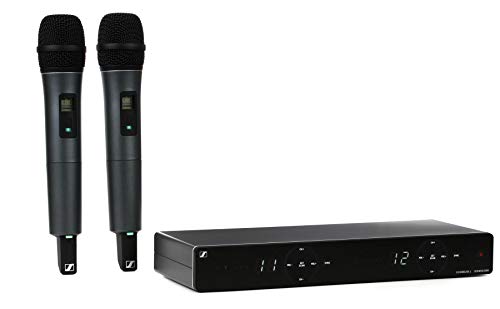
Sennheiser XSW 1-835
Worship teams, schools and gigging duos who want two wireless e835 vocal channels with the simplest possible setup.
Read the Sennheiser XSW 1-835 review →Questions Buyers Ask
Rode Lavalier GO Wearable Microphone
See the current listing, price and included accessories.
About This Review
Mandrillis Team
The Mandrillis editorial team researches and compares audio and music gear using manufacturer documentation, verified specs and real buyer feedback, so you can make a confident purchase without wading through marketing claims.
Read our full research methodology.