Studio Gear Review
Focusrite Scarlett 18i20 4th Gen Review: 8 Preamps, Deep I/O
The Focusrite Scarlett 18i20 4th Gen pairs 8 mic preamps rated at 69dB of gain with dual ADAT, Word Clock and RedNet derived converters rated at 122dB dynamic range. This research review covers its full routing layout and the specs the listing leaves unstated.
Our Verdict
Research Score 90/100The Focusrite Scarlett 18i20 4th Gen is a genuinely well specified large format interface, with the listing providing real, checkable numbers across gain, dynamic range and digital I/O rather than vague marketing language. Eight 69dB preamps, dual ADAT and Word Clock, and 24-bit, 192kHz conversion with a 122dB dynamic range combine with Auto Gain, Clip Safe and a bundled software package covering recording through mastering. The main caveat is simply scale, this is a lot of interface for a buyer who only needs one or two inputs, and chassis dimensions are not published. For project studios tracking full bands or planning digital expansion, it earns its upper mid-range to premium price tier convincingly.
Editorial research score based on published specifications and documented features, not a customer rating or lab test.

Focusrite
Focusrite Scarlett 18i20 4th Gen
Best for: Project studios and small production rooms that need 8 simultaneous mic preamps plus serious digital expansion through dual ADAT, Word Clock and MIDI.
Skip it if: You only need one or two inputs for a solo vocal or podcast setup, since this unit's 18 by 20 routing and digital expansion would go largely unused.
Check Price on AmazonWe may earn a commission at no extra cost to you.
Listing verified: November 2026
Who Should Buy It
Buy it if
- Project studios tracking full bands that need 8 simultaneous mic preamps with real gain headroom
- Engineers who want to expand channel count later through dual ADAT without replacing the main interface
- Producers who want Auto Gain and Clip Safe to speed up tracking across many inputs at once
- Buyers who want a bundled software package covering recording, production and mastering in one purchase
Skip it if
- You only need one or two simultaneous inputs for a solo setup
- You do not plan to use ADAT, S/PDIF or Word Clock expansion at any point
- You want the smallest, lightest interface possible rather than a larger format unit
Key Specifications
| Type | USB-C audio interface with 18 inputs and 20 outputs, aimed at larger home and project studio sessions |
| Inputs | 18 inputs total, including 8 mic preamps, 2 Hi-Z instrument inputs, additional line inputs, dual ADAT and S/PDIF digital inputs, and MIDI I/O |
| Outputs | 20 outputs total, including analog line outputs plus dual ADAT, S/PDIF, MIDI I/O and Word Clock |
| Preamps | 8 fourth generation Scarlett mic preamps providing 69dB of gain |
| Resolution | 24-bit, 192kHz converters from the manufacturer's flagship RedNet range, offering a 122dB dynamic range |
| Phantom power | Not published in listing as a specific voltage figure; phantom power is implied for the 8 mic preamp inputs |
| Connection | USB-C |
| Monitoring | Air modes for added presence and harmonic drive, Auto Gain and Clip Safe automatic level management, and a built in talkback microphone |
| Bundled software | Pro Tools Intro+, Ableton Live Lite, Cubase LE, and the Hitmaker Expansion bundle of effects, instruments and mastering tools |
| Included accessories | Not published in listing beyond the bundled software titles |
Overview
The Focusrite Scarlett 18i20 4th Gen is the largest interface in the current Scarlett lineup, built for sessions that need far more than the two or four inputs typical of entry level models in the same family. The listing describes an 18 input, 20 output routing layout that includes 8 mic preamps, instrument inputs, dual ADAT, S/PDIF and Word Clock, positioning this unit as a genuine studio hub rather than a simple front end for a single vocalist or podcaster.
What separates this listing from many competing interface listings is the specificity of its numbers. Rather than vague claims about clean, professional sound, the listing states 69dB of preamp gain, a 122dB dynamic range on the converters, and names the RedNet range as the technology lineage behind those converters, giving buyers real figures to evaluate rather than marketing adjectives alone.
This generation, the fourth, follows several prior Scarlett revisions, and the 18i20 has historically sat at the top of the range as the model aimed at full band tracking, complex routing and studio expansion, a positioning this listing's feature set strongly reinforces.
Preamps and Sound Quality
The listing states 8 fourth generation preamps delivering 69dB of gain, a genuinely high figure that gives real headroom for quiet sources such as ribbon microphones, distant drum overheads, or soft spoken vocalists who would otherwise need to be tracked uncomfortably close to a microphone to get a usable signal level.
Air mode is described as adding presence and harmonic drive to a signal, with the listing explicitly comparing the effect to the character of classic studio consoles, giving engineers a switchable tonal option on vocals and instruments without needing an outboard EQ or saturation unit patched into the chain.
On the conversion side, the listing credits the 24-bit, 192kHz converters to the manufacturer's flagship RedNet range and states a 122dB dynamic range, both of which are concrete, checkable figures that place this unit's conversion quality well above a typical entry level interface and in line with genuinely professional grade equipment.
Inputs, Outputs and Routing
The full routing picture here is substantial: 18 inputs covering 8 mic preamps, 2 dedicated Hi-Z instrument inputs, additional line level inputs, dual ADAT for digital expansion, S/PDIF and MIDI I/O, against 20 outputs covering analog line outs plus the same dual ADAT, S/PDIF, MIDI I/O and a dedicated Word Clock connection.
Word Clock is a detail worth noting specifically, since it lets this interface synchronize sample accurate timing with other digital equipment in a studio, a feature generally reserved for more serious, expandable setups rather than basic two channel interfaces, and a sign that this unit is meant to anchor a studio's entire digital signal chain rather than operate in isolation.
Dual ADAT ports mean this interface can accept input from two separate 8 channel ADAT expanders simultaneously, which combined with the 8 built in preamps gives a realistic path to 24 or more simultaneous inputs for a studio that grows its needs over time without replacing this unit.
Features, Monitoring and Software
Auto Gain is described in the listing as a tool for setting optimal levels quickly across multiple preamps at once, which matters considerably more on an 8 preamp interface like this one than on a two channel unit, since manually gain staging eight microphones one at a time for a full band session can eat significantly into setup time before a session even starts.
Clip Safe works alongside Auto Gain, monitoring and adjusting gain in real time to prevent clipping during a take, which is particularly valuable during a live, once only performance capture where stopping to re-gain a channel mid take is not an option.
The bundled software package is substantial, including Pro Tools Intro+, Ableton Live Lite, Cubase LE and the Hitmaker Expansion bundle of effects, instruments and mastering tools, giving a buyer a genuinely usable production environment straight out of the box rather than just a driver and a basic mixer utility.
- 8 fourth gen mic preamps, 69dB gain
- 18 inputs, 20 outputs total
- Dual ADAT, S/PDIF, MIDI I/O, Word Clock
- 24-bit, 192kHz RedNet derived converters, 122dB dynamic range
- Air mode, Auto Gain, Clip Safe
- Built in talkback microphone
- Pro Tools Intro+, Ableton Live Lite, Cubase LE, Hitmaker Expansion
Build, Design and Controls
As the largest unit in its family, the Scarlett 18i20 4th Gen is typically built in a rack mountable half rack or full rack format rather than the small desktop chassis used by the smaller two and four input Scarlett models, though this listing does not state exact dimensions or weight.
A built in talkback microphone is mentioned in the listing, a feature usually reserved for larger studio interfaces, letting an engineer communicate with a performer in a separate room without needing a dedicated talkback microphone wired in separately.
Given the scale of this unit's routing, buyers should expect a correspondingly larger and more detailed front panel, with controls for 8 individual preamp gains, Air mode switching, Auto Gain triggering and monitor level, though the listing does not break down the exact physical control count.
Connectivity, Drivers and Latency
The interface connects over USB-C, a modern and widely supported standard across current computers, which the listing states plainly without further elaboration on specific driver requirements or operating system version compatibility.
Dual ADAT, S/PDIF, MIDI I/O and Word Clock round out the digital connectivity, giving this unit considerably more expansion capability than a typical USB interface limited to analog inputs alone, and positioning it as a hub that other studio gear connects into rather than a standalone endpoint.
Latency performance is not quantified with a specific millisecond figure in the listing, so buyers chasing an exact round trip latency number for a specific buffer size should look to independent measurements or Focusrite's own published figures rather than relying on this listing alone.
Setup and Daily Use
Setting up this interface for a full band session involves gain staging up to 8 simultaneous preamps, which Auto Gain is specifically designed to speed up, followed by configuring any ADAT expanders and confirming Word Clock synchronization if additional digital gear is connected to the signal chain.
Daily use on a unit this size rewards building and saving session templates, since repeatedly reconfiguring 18 inputs and 20 outputs from scratch for every session would offset much of the time saved by Auto Gain and Clip Safe during initial tracking.
For studios running a consistent live band lineup, the combination of high gain preamps, Air mode and the automated gain features makes this a genuinely practical workhorse interface rather than one that only shows its value on paper.
Who Should Buy It
This interface suits project studios and small professional rooms that regularly track full bands or ensembles and need 8 simultaneous mic preamps with real gain headroom, along with a clear path to further expansion through ADAT.
It is a poor fit for a buyer who only needs one or two inputs for a solo vocal, podcast or voiceover setup, since the bulk of this unit's routing capability, and a meaningful part of its price, would go unused in that scenario.
Studios already running Word Clock synced digital gear, or planning to add an ADAT preamp expander in the near future, will get particular value from this unit's dedicated Word Clock and dual ADAT connections rather than needing to retrofit that capability onto a smaller interface later.
Alternatives Worth Considering
Buyers who only need one or two inputs should look at a smaller Scarlett model in the same family rather than this 18 by 20 unit, since the smaller interfaces share the same core preamp design philosophy at a considerably lower price.
Buyers who need even more simultaneous mic preamps than the 8 built into this unit can add an ADAT connected preamp expander through either of the two ADAT ports, extending capacity well beyond what this interface offers on its own.
Buyers who specifically need Thunderbolt rather than USB-C connectivity, perhaps for an existing studio built around that standard, should look at interfaces explicitly offering that connection type instead of this USB-C unit.
Verdict
The Focusrite Scarlett 18i20 4th Gen backs up its large format positioning with real, specific numbers across preamp gain, dynamic range and digital expansion, which is relatively rare among interface listings at any price tier and gives buyers genuine confidence in what they are purchasing.
Its scale is both the main strength and the main consideration: buyers who will actually use 8 simultaneous preamps and dual ADAT expansion get a genuinely professional grade tool, while buyers with smaller needs would be better served, and better value, choosing a smaller interface from the same family.
Strengths and Limitations
Strengths
- 8 fourth generation mic preamps rated at 69dB of gain
- Dual ADAT, S/PDIF, MIDI I/O and Word Clock for serious studio expansion
- 24-bit, 192kHz RedNet derived converters with a 122dB dynamic range
- Air mode adds presence and harmonic drive reminiscent of classic studio consoles
- Auto Gain and Clip Safe automate level setting and prevent clipping in real time
- Built in talkback microphone and a generous bundled software package
Limitations
- A large format unit that may be more capacity than small home studios need
- Exact chassis dimensions and weight are not published in the listing
- Phantom power voltage is implied rather than stated as a specific figure
- Sits at a higher price tier than smaller Scarlett interfaces in the same range
How We Scored It
Scores reflect published specifications, documented features and value against the alternatives below. They are editorial research scores, not laboratory measurements.
Alternatives to Consider

Pioneer DJ XDJ-RX3
DJs who want club-standard standalone playback from USB with a large touchscreen and a familiar two-channel layout.
Read the Pioneer DJ XDJ-RX3 review →
Yamaha DM3-D 22
Small venues, houses of worship and production companies that want a compact 96 kHz digital console with Dante networking for stage boxes and multitrack recording.
Read the Yamaha DM3-D 22 review →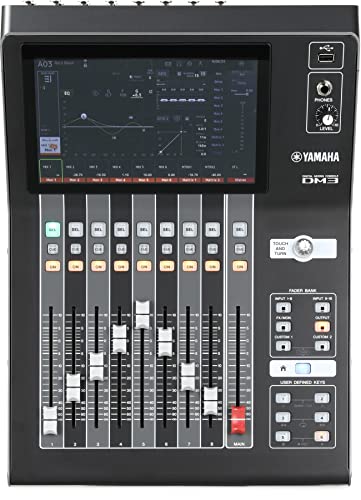
Yamaha DM3
Bands, small venues and project studios that want a compact 96 kHz digital console that doubles as an 18x18 USB recording interface.
Read the Yamaha DM3 review →Questions Buyers Ask
Focusrite Scarlett 18i20 4th Gen
See the current listing, price and included accessories.
About This Review
Mandrillis Team
The Mandrillis editorial team researches and compares audio and music gear using manufacturer documentation, verified specs and real buyer feedback, so you can make a confident purchase without wading through marketing claims.
Read our full research methodology.