Studio Gear Review
Shure SM57-LC Review: Workhorse Dynamic with Cable Bundle
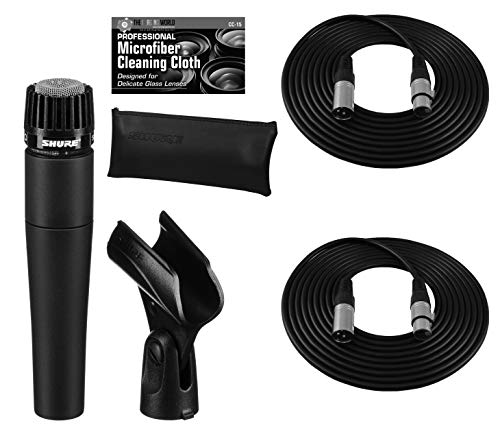
The Shure SM57-LC is a cardioid dynamic microphone marketed for drums, guitars and vocals on stage or in recording. This bundle adds a mic clip and bag, two extra 10 foot XLR cables and a microfiber cloth, though the listing does not publish frequency response or maximum SPL figures.
Our Verdict
Research Score 83/100The Shure SM57-LC is sold here as part of a practical bundle rather than a bare capsule, pairing the cardioid dynamic microphone with a mic clip, a bag, two extra 10 foot XLR cables and a microfiber cloth. The listing keeps its claims simple, naming drums, guitars and vocals as the intended uses and stating the microphone is built for both stage and recording work. No frequency response or SPL figures are published, a gap for buyers used to a full spec sheet, though the SM57 platform carries a long established reputation as a dependable instrument microphone. For a musician who wants one dynamic microphone that moves between a snare drum, a guitar amplifier and a vocal stand, with cables and a clip already included, this is a sensible purchase.
Editorial research score based on published specifications and documented features, not a customer rating or lab test.
Shure
Shure SM57 Dynamic Instrument Microphone
Best for: Musicians and engineers who want a cardioid dynamic microphone that handles drums, guitars and vocals on stage or in a recording session, with cables and a clip included in the box.
Skip it if: You need a documented frequency response or maximum SPL figure before buying, or you already own enough XLR cables and want to avoid paying for extras bundled into the listing.
Check Price on AmazonWe may earn a commission at no extra cost to you.
Listing verified: November 2026
Who Should Buy It
Buy it if
- Gigging musicians who need one dynamic microphone that covers drums, guitar amps and vocals
- Home studio owners building out a first collection of instrument microphones
- Buyers who want extra XLR cables and a mic clip included rather than purchased separately
- Anyone replacing a worn or lost workhorse microphone with a known, trusted design
Skip it if
- You need a documented frequency response graph for a specific recording application
- You already own sufficient XLR cables and a mic clip and do not want to pay for duplicates
- You want an on and off switch built into the microphone itself
Key Specifications
| Type | Dynamic instrument microphone |
| Polar pattern | Cardioid |
| Frequency response | Not published in listing |
| Connection | XLR, consistent with the two extra 10 foot XLR cables included in the bundle |
| Phantom power | Not required; dynamic microphones generate their own signal and do not need phantom power |
| Max SPL or sensitivity | Not published in listing |
| Controls | Not published in listing; no on and off switch is mentioned |
| Mount and stand | Mic clip included |
| Weight | Not published in listing |
| Included accessories | Mic clip and bag, two extra 10 foot XLR cables, microfiber cloth |
Overview
The Shure SM57-LC is positioned in this listing as a flexible dynamic microphone for drums, guitars and vocals, built for use on stage and in recording sessions alike. Rather than selling the bare capsule alone, this particular listing bundles in a mic clip, a protective bag, two extra 10 foot XLR cables and a microfiber cloth.
A cardioid polar pattern is confirmed directly in the listing, which fits the microphone's role as a close-miking tool for a single source, whether that is a snare drum head, a guitar amplifier speaker or a vocalist working close to the capsule on a stage.
What stands out about this particular listing is the practical bundle rather than any unusual technical claim. Two extra cables and a mic clip remove two of the most common friction points for a buyer setting up a new microphone for the first time, since cabling and mounting are handled in the same purchase, and a microfiber cloth is thrown in for routine care of the grille and body between sessions.
Sound Quality
No frequency response curve or sensitivity figure is published in this listing, so the exact tonal character cannot be confirmed from the data provided here alone. The listing instead frames the microphone by application, naming drums, guitars and vocals as suitable sources.
Buyers report that this general category of dynamic cardioid microphone, built for close miking a loud instrument or a stage vocal, tends to favor a focused midrange that cuts through a mix rather than extended low end or delicate high frequency detail associated with studio condensers.
A dynamic capsule of this kind is also known for handling high sound pressure levels without distortion, which is part of why it gets recommended for close miking a snare drum or a guitar amplifier cabinet, situations where a more sensitive condenser capsule could be overwhelmed. On paper, that durability under loud, close range sources is the microphone's core sound quality strength, and it is a large part of why this general design remains a default choice across so many different stage and studio settings decades after it was introduced.
Pickup Pattern and Noise Handling
The cardioid pattern stated in the listing is the standard choice for close instrument and vocal miking, rejecting sound from the rear of the capsule while remaining sensitive to whatever is placed directly in front, which helps isolate a single drum or amplifier from the rest of a loud stage.
On a crowded stage with multiple instruments playing at once, that rear rejection reduces bleed from a neighboring drum, amplifier or monitor wedge, which matters when an engineer is trying to build a clean mix from several close miked sources at the same time.
No numeric off axis rejection or proximity effect figures are published, so the exact degree of isolation at various angles is not confirmed here, though cardioid dynamic microphones of this general type are well understood by engineers familiar with close miking technique on stages and in studios, and that familiarity is part of why this category of microphone is so often the default choice when a session calls for one dependable close mic rather than a carefully matched specialty capsule.
Build Quality
The listing does not state the weight, exact dimensions or housing material of the SM57-LC, but the broader SM57 platform has a long standing reputation for rugged construction capable of surviving regular stage use, drops included, over many years of service.
Dynamic microphones in this class are generally simpler mechanically than condensers, with fewer delicate internal components exposed to vibration or impact, which tends to make them a dependable choice for touring musicians who need equipment that survives repeated setup and teardown.
The bundled bag included in this listing adds a layer of protection for storage and transport between gigs, while the mic clip gives a secure, adjustable mounting point on a stand without requiring a separate purchase, which matters for a touring musician who cannot afford downtime over a lost or broken accessory.
- Weight and exact housing dimensions not published in listing
- Mic clip included for secure stand mounting
- Protective bag included for storage and transport
- Broader platform has a long reputation for rugged, dependable construction
Connectivity and Setup
This bundle includes two extra 10 foot XLR cables, which strongly suggests the microphone itself connects via a standard XLR output, consistent with how most dynamic instrument microphones of this type are wired for use with a mixer, interface or amplifier input.
As a dynamic microphone, no phantom power is required for the SM57-LC to function, since it generates its own signal from the moving coil inside the capsule rather than relying on externally supplied voltage the way a condenser microphone does.
Setup is straightforward, attach the mic clip to a stand, connect one of the included XLR cables to a mixer or interface channel, position the capsule near the source, and bring up the channel gain. No additional configuration or driver installation is needed.
Features, Controls and Extras
No onboard switch, pad or filter is mentioned in the listing, which is typical for a workhorse dynamic microphone built for simple, reliable operation rather than onboard tonal shaping during a performance.
The real feature set in this listing is the bundle itself, a mic clip, a bag, two extra 10 foot XLR cables and a microfiber cloth, all included alongside the microphone rather than sold separately as is common with many single-unit microphone listings.
For a buyer setting up a new recording or stage rig, having spare XLR cables already on hand through this bundle removes a common point of friction, since running out of a working cable mid-session is one of the most frequent and avoidable setup problems.
Use Cases: Vocals, Streaming, Podcasting and Instruments
The listing names drums, guitars and vocals directly, positioning the SM57-LC as a flexible workhorse that can move between a snare drum, a guitar amplifier cabinet and a stage vocal microphone stand depending on what a given session or show needs.
This category of cardioid dynamic microphone is also commonly used for podcasting and streaming by broadcasters who want a rugged, close miking vocal microphone that rejects room noise well, though the listing itself focuses on instrument and stage vocal use rather than desk based content creation.
Studio tracking of guitar amplifiers and snare drums remains one of the most common professional applications for this general type of microphone, since its ability to handle high sound pressure levels close to a loud source without distortion makes it a dependable choice session after session.
Who Should Buy It
Gigging musicians who need one dependable microphone that can cover drums, guitar amplifiers and vocals without carrying several specialized microphones are the clearest fit for the SM57-LC, especially with cables and a clip already included in this bundle.
Home studio owners building their first collection of instrument microphones will find this a practical starting point, since the bundled cables and clip reduce the number of separate purchases needed to get a working setup in place.
Buyers who have used or heard about the broader SM57 platform's reputation and want that dependable, general purpose microphone with some setup accessories included rather than buying the bare capsule alone will find this listing a convenient option.
Alternatives Worth Considering
Buyers who specifically want a dedicated vocal microphone with a slightly different tonal character should compare this against the Shure SM58, a close sibling model built with a built in grille and windscreen more tailored to handheld vocal use.
For studio recording where a documented frequency response graph matters more than stage durability, a large diaphragm condenser such as the Audio-Technica AT2020 may suit vocal or acoustic instrument recording better, trading some ruggedness for additional captured detail.
Buyers who already own enough XLR cables and a mic clip and do not want to pay for bundled extras should look for a listing selling the bare SM57-LC microphone alone, which may offer better value for that specific situation.
Verdict
The Shure SM57-LC bundle is a practical, low friction purchase for anyone who wants a cardioid dynamic microphone that can move between drums, guitar amplifiers and vocals without carrying multiple specialized microphones to a session or show.
The included mic clip, bag, two extra XLR cables and microfiber cloth add real convenience even though the listing itself does not publish frequency response or SPL figures, and the broader platform's established reputation does much of the remaining reassurance for buyers who want a dependable workhorse microphone.
Strengths and Limitations
Strengths
- Cardioid dynamic design marketed for drums, guitars and vocals in one microphone
- Built for both stage and recording use, per the listing
- Bundle includes a mic clip and bag, two extra 10 foot XLR cables, and a microfiber cloth
- Shure's SM57 platform has a decades long reputation as an industry mainstay for instruments
- Dynamic design needs no phantom power, simplifying setup with almost any mixer or interface
Limitations
- No frequency response curve or maximum SPL figure is published in this listing
- No onboard switch or filter control is mentioned
- Weight and exact dimensions are not stated
- Buyers wanting the bare microphone alone cannot easily tell how much of the price covers the bundled cables and bag versus the microphone itself
How We Scored It
Scores reflect published specifications, documented features and value against the alternatives below. They are editorial research scores, not laboratory measurements.
Alternatives to Consider

Beyerdynamic M 160
Recording guitar amplifiers, drum overheads, strings and brass with a smooth, directional ribbon character.
Read the Beyerdynamic M 160 review →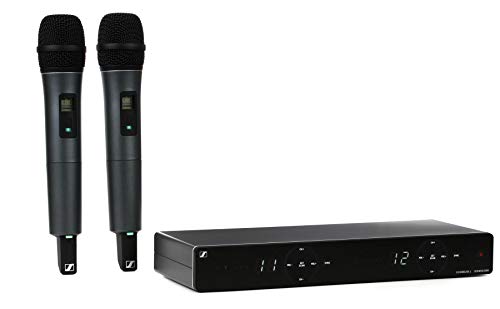
Sennheiser XSW 1-835
Worship teams, schools and gigging duos who want two wireless e835 vocal channels with the simplest possible setup.
Read the Sennheiser XSW 1-835 review →
Sennheiser EW-D 835-S
Venues and performers stepping up from analog wireless who want a clean digital handheld with app-based setup.
Read the Sennheiser EW-D 835-S review →Questions Buyers Ask
Shure SM57 Dynamic Instrument Microphone
See the current listing, price and included accessories.
About This Review
Mandrillis Team
The Mandrillis editorial team researches and compares audio and music gear using manufacturer documentation, verified specs and real buyer feedback, so you can make a confident purchase without wading through marketing claims.
Read our full research methodology.