Studio Gear Review
Shure SM57 SM58 Review: The Classic Instrument and Vocal Pair
The Shure SM57 SM58 set pairs the SM57 dynamic cardioid instrument microphone with the SM58 dynamic cardioid handheld vocal microphone. This review explains what each microphone does, what the brief listing confirms and omits, and why this two-microphone set is a sensible starting point for bands, singer-guitarists and home studios.
Our Verdict
Research Score 85/100The Shure SM57 SM58 set bundles two of the most trusted dynamic microphones in live sound and recording. The SM57 handles guitar cabinets, snare drums, brass and other loud instruments, and the SM58 handles vocals on stage and spoken word through an interface, so between them they cover most of what a small band or a home studio needs from dynamic microphones. The listing is extremely brief, confirming only the types and the cardioid patterns and publishing no connector, response, weight or accessories, which is a gap even for microphones this familiar. At a budget tier price for both, the set is an easy recommendation for anyone who needs an instrument microphone and a vocal microphone at once.
Editorial research score based on published specifications and documented features, not a customer rating or lab test.

Shure
Shure SM57 SM58
Best for: Singer-guitarists, small bands, rehearsal spaces and home studios that need one dependable vocal microphone and one instrument microphone in a single budget tier set.
Skip it if: You need USB connectivity, a sensitive studio condenser for quiet sources, or confirmed accessories and specifications in the listing.
Check Price on AmazonWe may earn a commission at no extra cost to you.
Listing verified: October 2026
Who Should Buy It
Buy it if
- Singer-guitarists who record or perform with a vocal mic and an amp mic
- Small bands and rehearsal rooms starting a microphone locker
- Home studios adding two proven dynamics to a condenser
- Drummers and engineers who want a classic snare microphone plus a vocal spare
Skip it if
- You record quiet acoustic instruments and want detail and air
- You need a USB microphone for a desk
- You already own one of these and only need the other
Key Specifications
| Type | Set of two dynamic cardioid microphones: SM57 instrument microphone and SM58 handheld vocal microphone |
| Polar pattern | Cardioid (both microphones) |
| Frequency response | Not published in listing |
| Connection | Not published in listing |
| Phantom power | Not required (dynamic design); not published in listing |
| Max SPL or sensitivity | Not published in listing |
| Controls | None described in listing |
| Mount and stand | Not published in listing |
| Weight | Not published in listing |
| Included accessories | Not published in listing |
Overview
The Shure SM57 SM58 set pairs two microphones that have defined live sound and basic recording for decades. The listing describes a dynamic cardioid instrument microphone, the SM57, and a dynamic cardioid handheld vocal microphone, the SM58, sold together as a professional pair for instruments and vocals. Both share the same broad capsule technology and the same reputation for toughness.
The two microphones are close relatives with different front ends. The SM57 has a small, flat grille that lets it get very close to a guitar speaker or a snare drum, while the SM58 has a ball grille that works as a pop filter for a singer's mouth. That difference is the whole reason to own both, since each is shaped for its job.
This editorial research review is based on the published listing and the microphones' long and well-documented roles. The listing is unusually brief, confirming only the types and patterns, and it publishes no frequency response, connector, weight, controls or accessories, so this review notes those omissions and avoids filling them with assumed values.
Sound Quality
The SM57 is the instrument microphone that engineers reach for first on an electric guitar cabinet and a snare drum, and its sound is characterized by a forward midrange and a presence lift that helps instruments cut through a mix. Dynamic capsules tolerate very high sound pressure, so the SM57 can be placed right against a loud speaker cone without distorting. Brass, percussion and even some vocals have been recorded with it in professional studios.
The SM58 is voiced for the voice, with a tuning that reduces low-end rumble and emphasizes the upper mids for intelligibility on a loud stage. Through an interface it gives spoken word a present, broadcast-like quality with little room sound, which makes it useful for podcasting in an untreated room. On a stage it is the microphone a singer expects to be handed.
No frequency response is published for either microphone, so the exact curves cannot be quoted. Both are dynamics, which means neither captures the air and fine detail that a condenser such as the Rode NT1 or the Audio-Technica AT2020 delivers on quiet acoustic sources. Their strength is robustness and a sound that sits well in a mix without much processing.
Pickup Pattern and Noise Handling
Both microphones are cardioid, which means they pick up from the front and reject sound from behind. For the SM57 on a guitar cabinet, that rejection keeps the drum kit and the rest of the band out of the guitar channel, and for the SM58 on a vocal it keeps floor monitors from feeding back. The pattern is the reason both microphones work on crowded stages.
Dynamic capsules also reject distant noise simply by being less sensitive than condensers, so air conditioning, traffic and conversation in the next room stay low in the recording. That makes the set forgiving in rehearsal rooms, garages and bedrooms where no acoustic treatment exists. The trade-off is that both microphones need to be close to the source to deliver full level.
Handling and mechanical noise are managed differently by each. The SM58's ball grille and vocal tuning reduce breath pops and hand noise for a handheld singer, while the SM57 is almost always stand-mounted and placed close to a loud source where handling is not an issue. Neither microphone includes a switch or a filter in the listing, so low-frequency control happens at the mixer.
Build Quality
Both microphones carry a reputation for surviving decades of touring, rehearsal and school use, and that durability is the main reason venues and studios own them in quantity. Metal bodies and grilles are standard for these models in general, though the listing does not state materials for this set and this review does not assume them for this specific listing.
The SM58's ball grille is designed to take dents and keep working, and the SM57's compact grille sits close to loud sources without damage. Neither microphone has active electronics or a battery, so there is nothing inside to fail from heat, humidity or a dropped case. That simplicity is a large part of why they are trusted.
Stand clips, cables, pouches and cases are not mentioned in the published data, and the weight of either microphone is not given. Buyers should assume they will need to supply cables and confirm whether clips are in the box before the first rehearsal.
- SM57 instrument microphone with compact grille
- SM58 vocal microphone with ball grille
- No active electronics or batteries in either microphone
- Housing materials not published in listing
- Weight, clips and cables not confirmed in listing
Connectivity and Setup
The listing does not publish the connector type for either microphone. Dynamic microphones of this kind connect to mixers, audio interfaces and recorders through balanced microphone cables and do not require phantom power, so setup is a matter of plugging in and setting gain. No cables are confirmed in the listing, so buyers should plan to supply two.
For a home studio, the set needs an interface with two microphone inputs if both are to be used at once, which is the standard configuration for a singer-guitarist recording voice and amplifier together. A single-input interface works if the microphones are used one at a time. Neither microphone offers USB, so a computer-only user should look at a desk microphone such as the Shure MV7 instead.
Gain requirements are moderate for both. Dynamic microphones produce less output than condensers, so a preamp with a reasonable amount of clean gain is helpful, especially for a soft singer on the SM58. On a loud guitar cabinet the SM57 produces plenty of level and the preamp will be turned down rather than up.
Features, Controls and Extras
Neither microphone in this set has controls described in the listing, and that simplicity is by design. There are no switches to fail, no batteries to replace and no settings to get wrong, which is why these models are standard issue in venues, schools and rental inventories where many different people handle them.
The feature of the set is the pairing itself. One instrument microphone and one vocal microphone cover the two most common microphone jobs in a small band or a home studio, and buying them together is usually cheaper than buying them separately. The listing frames the pair as professional, crisp and versatile, which is fair for microphones with this track record.
No extras are confirmed. The listing does not mention stand clips, cables, windscreens or a case, so the set should be treated as two bare microphones until the package contents are verified. For most buyers in this category the missing accessories are minor, since cables and clips are inexpensive and often already on hand.
Use Cases: Vocals, Streaming, Podcasting and Instruments
Live performance is the obvious use. A singer takes the SM58, the guitarist's amplifier gets the SM57, and the small band has its two most important channels covered with microphones that will not feed back easily or fail on the road. The same pair serves a solo singer-guitarist playing through an amplifier.
Home recording is the second major use. The SM57 on a guitar cabinet is the most common electric guitar recording method in existence, and it also works on snare drum, percussion and brass. The SM58 handles vocals in an untreated room and doubles as a podcast or voice-over microphone through an interface, where its room rejection is an asset.
Streaming and desk use are possible but not ideal. Both microphones need an interface and offer no headphone monitoring, so a streamer who wants plug-and-play convenience is better served by the Shure MV7 or the Samson Q2U. Quiet acoustic instruments and detailed vocal recording in a treated room still favor a condenser.
Who Should Buy It
The SM57 SM58 set is for anyone starting or expanding a microphone collection who needs one instrument microphone and one vocal microphone. Singer-guitarists, small bands, rehearsal spaces, schools, worship teams and home studios all fit, and the budget tier price for two professional microphones is strong value. The set is also a sensible gift for a musician setting up a first recording rig.
Buyers who already own one of the two, who need USB connectivity, or whose work is quiet acoustic recording in a treated room should look at other options. The pair's strengths are durability, feedback rejection and proven sound on loud sources and stage vocals, not studio detail.
Alternatives Worth Considering
For buyers who only need vocals, the Shure SM58 two-pack supplies two matched vocal microphones instead of one vocal and one instrument microphone, which suits duos and backing vocalists better. The Sennheiser E 945 is a supercardioid dynamic vocal alternative with tighter rejection for loud stages.
For instrument recording with more detail, a small-diaphragm condenser or a ribbon such as the Stagg Ribbon offers a different character on acoustic guitar, strings and brass, though both need more care and a quieter room. The SM57 remains the standard for electric guitar cabinets and snare drums regardless.
For podcasting and streaming, the Shure MV7 adds USB, a headphone output and onboard processing, and the Shure SM7B is the larger studio dynamic for broadcast voice. Neither replaces the SM57 on an amplifier, which is why many studios end up owning this set alongside a dedicated voice microphone.
Verdict
The Shure SM57 SM58 set delivers two microphones that have earned their place through decades of live and studio use. The SM57 covers guitar cabinets, snare drums, brass and other loud instruments, and the SM58 covers stage vocals and spoken word, and both share the dynamic cardioid design that makes them tough, feedback-resistant and tolerant of untreated rooms. The listing is thin, but the microphones are not.
Scored at 85, the set sits in the studio and stage standard band. The sound, pattern and build marks reflect proven designs, while the connectivity and features marks are modest because both microphones are deliberately simple and the listing omits the connector, weight and accessories. For a band or home studio that needs an instrument microphone and a vocal microphone, it is a confident recommendation.
Strengths and Limitations
Strengths
- One instrument microphone and one vocal microphone in a single purchase
- Both are dynamic cardioid designs that resist feedback and handle high levels
- Two of the most widely used microphones in live and studio work
- Dynamic capsules work in untreated rooms without phantom power
- Covers a singer plus a guitar cabinet, snare or brass at a budget tier price
Limitations
- Listing publishes almost no specifications beyond type and pattern
- No cables, clips or cases confirmed in the box
- Connector, weight and response not stated
- Not suited to quiet, detailed acoustic recording
How We Scored It
Scores reflect published specifications, documented features and value against the alternatives below. They are editorial research scores, not laboratory measurements.
Alternatives to Consider

Sennheiser E 945
Lead singers and vocalists on loud stages who want tighter isolation than a cardioid handheld and a microphone that resists handling noise and hum.
Read the Sennheiser E 945 review →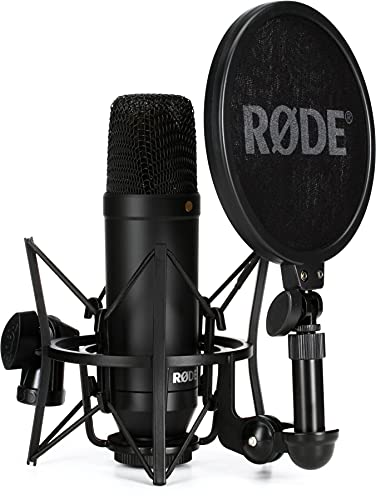
Rode NT1
Home studio vocalists and voice-over artists with an audio interface who want one quiet, neutral condenser plus the mount and pop screen in a single kit.
Read the Rode NT1 review →
Shure SM58
Bands, worship teams, venues and duos who need two rugged, consistent cardioid dynamic vocal microphones for live use.
Read the Shure SM58 review →Questions Buyers Ask
Shure SM57 SM58
See the current listing, price and included accessories.
About This Review
Mandrillis Team
The Mandrillis editorial team researches and compares audio and music gear using manufacturer documentation, verified specs and real buyer feedback, so you can make a confident purchase without wading through marketing claims.
Read our full research methodology.