Studio Gear Review
Shure SM58 Review: The Live Vocal Standard, Now as a Pair
The Shure SM58 is the most popular live vocal microphone in the world, and this listing supplies two of them. This review covers the cardioid dynamic design, the tuned vocal response, the famous durability and the break-resistant stand adapter, along with what the listing leaves out, to help you decide whether a two-pack is the right buy.
Our Verdict
Research Score 86/100The Shure SM58 is the live vocal standard for good reason, and buying two at once makes sense for duos, bands, venues and anyone who wants a spare that sounds identical. The listing confirms the cardioid dynamic design, a critically tuned response that cuts low-end rumble and lifts the upper mids for clarity, tight manufacturing consistency, famous durability and a break-resistant stand adapter that rotates 180 degrees. It does not publish a frequency range, weight, connector or accessory list beyond the adapter, which matters little for a microphone this well known but is still a gap. At a budget tier price for two, this pack is an easy recommendation for live vocals and spoken word through an interface.
Editorial research score based on published specifications and documented features, not a customer rating or lab test.

Shure
Shure SM58
Best for: Bands, worship teams, venues and duos who need two rugged, consistent cardioid dynamic vocal microphones for live use.
Skip it if: You want a sensitive studio condenser for quiet acoustic sources, or you need only a single microphone with a USB connection.
Check Price on AmazonWe may earn a commission at no extra cost to you.
Listing verified: October 2026
Who Should Buy It
Buy it if
- Duos and small bands who need matched vocal microphones
- Venues, schools and churches building a reliable microphone locker
- Solo performers who want a spare that sounds identical
- Podcasters recording two hosts in an untreated room through an interface
Skip it if
- You need a USB microphone for a computer
- Your main use is quiet acoustic instrument recording
- You only need one microphone and want to spend less
Key Specifications
| Type | Cardioid dynamic vocal microphone, sold as a 2-pack |
| Polar pattern | Cardioid |
| Frequency response | Not published in listing (described as critically tuned, with low-end rumble cut and an upper-mid rise) |
| Connection | Not published in listing |
| Phantom power | Not required (dynamic design); not published in listing |
| Max SPL or sensitivity | Not published in listing |
| Controls | None described in listing |
| Mount and stand | Break-resistant stand adapter that rotates 180 degrees, included with each microphone |
| Weight | Not published in listing |
| Included accessories | Break-resistant stand adapter; other accessories not published in listing |
Overview
The Shure SM58 is a cardioid dynamic vocal microphone, and this listing sells it as a two-pack. The listing leads with the argument that two is better than one, since the SM58 is the most popular live microphone and a performer should have enough of them for the next show. Each microphone comes with a break-resistant stand adapter that rotates 180 degrees.
The SM58 has been the default handheld for singers, speakers and sound companies for decades, and the listing's claims rest on that history. It describes a critically tuned frequency response that cuts low-end rumble and adds a noticeable rise in the upper mids, manufacturing to very tight standards so that every SM58 sounds like an SM58, and a toughness that the listing illustrates with a long list of abuse the microphone has survived.
This editorial research review is based on the published listing and the microphone's widely understood role. The listing does not publish a numeric frequency range, weight, connector type or a full accessory list, so those remain unconfirmed in the product data even though they are not in doubt for most buyers.
Sound Quality
The listing describes the SM58's sound as the product of a critically tuned frequency response that cuts low-end rumble and adds a noticeable rise in the upper-mid frequencies. That tuning is why vocals through an SM58 cut through a loud band without sounding thin, since the rumble cut keeps stage noise and handling thumps out of the mix and the upper-mid rise adds intelligibility. It is a voicing designed for the stage rather than for a flat studio measurement.
As a dynamic microphone, the SM58 is less sensitive than a condenser and favors close placement, which is exactly how singers use it. It handles loud voices and screaming without distortion and does not pick up much of the room, so it works in untreated spaces where an Audio-Technica AT2020 or a Rode NT1 would capture too much ambience. The trade-off is less air and detail on quiet, delicate sources.
Consistency is a sound quality claim as much as a manufacturing one. The listing states that the microphones are built to very tight standards so that any SM58 sounds like any other, which means a two-pack gives a duo two matched voices and lets a venue mix and match units over years. For spoken word through an interface, the same tuning gives a clear, present voice with minimal processing.
Pickup Pattern and Noise Handling
The SM58 uses a cardioid pattern, which picks up from the front and rejects sound from the rear. On stage this rejection is what keeps floor monitors from feeding back and keeps the drum kit and guitar amplifiers out of the vocal channel. For a duo sharing a small stage, two cardioid microphones aimed away from each other keep each voice clean.
Low-frequency handling noise is addressed by the tuned response the listing describes, since the cut in low-end rumble reduces thumps from hand movement and stand vibration. The upper-mid rise also helps a voice stay intelligible when a room is noisy, which is why the SM58 is as common at conferences and worship services as it is at concerts.
Breath and plosive noise are controlled by the ball grille, which doubles as a built-in pop filter for close singing. The listing does not mention a separate foam windscreen, so outdoor users may want to add one. As a dynamic microphone it also ignores most of the hum and hiss that a sensitive condenser picks up from a stage full of electronics.
Build Quality
Durability is the SM58's defining trait, and the listing leans into it with a list that includes dropping it from a skyscraper, running it over with a box truck, freezing it, drowning it and burying it in peat for three months. The practical message is that the microphone survives the real abuse of touring, rehearsal rooms and school auditoriums, which is why so many venues own dozens of them.
The included stand adapter is described as break-resistant and rotating 180 degrees, which addresses a common failure point on cheaper microphones where the clip cracks or the swivel loosens. Having a tough adapter with each microphone in the two-pack means both can be stand-mounted immediately without buying extra hardware.
Weight, dimensions and housing material are not published in the listing, so a buyer matching the microphone to a lightweight boom cannot confirm the load from the product data. The listing also does not mention cables, cases or windscreens, so those should be assumed absent until the package contents are verified.
- Two SM58 microphones in the pack
- Break-resistant stand adapter with 180 degree rotation, one per microphone
- Ball grille acts as a built-in pop filter
- Weight and housing material not published in listing
- Cables and cases not confirmed in listing
Connectivity and Setup
The listing does not state the connector type, which is an odd omission for a microphone whose connection is universally understood. Dynamic stage microphones of this kind connect to mixers, interfaces and wireless plug-on transmitters through a balanced microphone cable, and no phantom power is required because there are no active electronics inside. Buyers should expect to supply their own cables, since none are confirmed in the listing.
Setup is as simple as microphones get. Screw the adapter onto a stand, clip in the microphone, connect a cable to a preamp input and set gain. Because the SM58 is a dynamic design with moderate output, it benefits from a preamp with a reasonable amount of clean gain, which every stage mixer and nearly every audio interface provides.
For home use, the SM58 needs an interface rather than a USB port. Podcasters recording two hosts can connect both microphones from this pack to a two-input interface and get a clean, room-tolerant result, though a purpose-built desk microphone such as the Shure MV7 adds USB and headphone monitoring for a single user.
Features, Controls and Extras
The SM58 is deliberately simple, and the listing describes no switches or controls. Some versions of the microphone include an on/off switch, but this listing does not mention one, so buyers who need a switch should confirm the variant before purchase. The absence of controls is a feature in itself for venues, since there is nothing for a nervous presenter to accidentally turn off.
The two-pack format is the main extra here. The listing's case is that a performer should have enough microphones for the next show, and that argument holds for duos, backing vocalists, spare channels and the inevitable moment when one microphone is left at the last gig. Both units arrive with their own stand adapter.
Beyond the adapters, the listing confirms no accessories, so cables, pouches and windscreens are not included in the published description. That keeps the price in the budget tier for two professional microphones, and most buyers in this category already own the cables they need.
Use Cases: Vocals, Streaming, Podcasting and Instruments
Live vocals are the SM58's home. Lead singers, backing vocalists, worship leaders, conference presenters and karaoke hosts all rely on the same tuned response and feedback rejection, and a two-pack covers a duo or a lead plus a spare. The microphone's tolerance for loud singers and rough handling makes it the safe choice for any stage.
Podcasting and streaming through an interface work well, especially in rooms with no acoustic treatment. The dynamic capsule ignores most room noise and the upper-mid rise keeps speech clear, and two hosts can each have a matched microphone from this pack. For a single streamer who wants USB convenience and headphone monitoring, the Shure MV7 or the Samson Q2U is the more direct fit.
Instruments are a secondary use, since the SM58 shares much of its design with the instrument-focused SM57 and can handle guitar cabinets, snare drums and brass in a pinch. The ball grille and vocal tuning make it less precise on instruments than the SM57, but a two-pack gives a small band a vocal microphone and an emergency instrument microphone at once.
Who Should Buy It
The two-pack suits anyone who needs more than one dependable vocal microphone: duos, bands with backing vocals, venues and rehearsal spaces, schools, worship teams and podcasters with two hosts. The budget tier price for two professional microphones is strong value, and the consistency the listing describes means the pair will match.
Buyers who need a single microphone, a USB connection or a detailed condenser for quiet studio work should look elsewhere. The SM58 is a stage and spoken-word tool, and its strengths are durability, consistency and feedback rejection rather than studio finesse.
Alternatives Worth Considering
The Sennheiser E 945 is the main rival in the handheld dynamic category, with a supercardioid pattern that offers tighter rejection for loud stages and a somewhat different voicing. It is a reasonable alternative for singers who find the SM58's sound too familiar, though it is sold singly rather than as a pair.
For a mixed vocal and instrument need, the Shure SM57 and SM58 set pairs one of each and covers a singer plus a guitar cabinet or snare drum. For the studio, the Shure SM7B is a larger dynamic broadcast microphone with a smoother, more detailed sound that needs a high-gain preamp, and the Rode NT1 is a quiet condenser for treated rooms.
Podcasters and streamers who want USB should consider the Shure MV7, which offers both USB and XLR outputs with a headphone jack, or the budget Samson Q2U. Neither is as tough as an SM58, but both are better suited to a desk than a stage handheld.
Verdict
The Shure SM58 remains the live vocal benchmark, and the two-pack is a sensible way to buy it for anyone who needs matched microphones or a spare. The listing confirms the cardioid dynamic design, the tuned vocal response, tight consistency, famous durability and a break-resistant stand adapter with each microphone, which covers everything that matters for live use.
Scored at 86, it sits in the studio and stage standard band. The build mark is maximal, the sound and pattern marks reflect a voicing and rejection optimized for stage vocals, and the connectivity and features marks are modest only because the SM58 is deliberately simple and the listing omits the connector, weight and accessories. For live vocals and spoken word, it is as safe a purchase as exists.
Strengths and Limitations
Strengths
- Two microphones in one purchase for duos, backups or small stages
- Tuned vocal response that cuts rumble and lifts upper mids
- Built to tight standards so every unit sounds the same
- Legendary durability on stage and in transit
- Break-resistant stand adapter with 180 degree rotation
- Cardioid dynamic design resists feedback and handles loud singers
Limitations
- Listing does not publish a frequency response range, weight or connector
- No cables, cases or windscreens confirmed in the box
- Dynamic capsule needs close placement and a decent preamp
- Not the most detailed choice for quiet studio sources
How We Scored It
Scores reflect published specifications, documented features and value against the alternatives below. They are editorial research scores, not laboratory measurements.
Alternatives to Consider

Sennheiser E 945
Lead singers and vocalists on loud stages who want tighter isolation than a cardioid handheld and a microphone that resists handling noise and hum.
Read the Sennheiser E 945 review →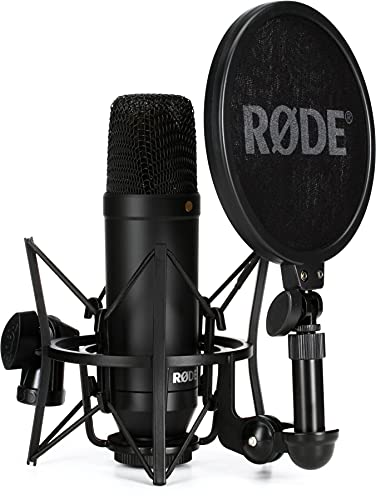
Rode NT1
Home studio vocalists and voice-over artists with an audio interface who want one quiet, neutral condenser plus the mount and pop screen in a single kit.
Read the Rode NT1 review →
Shure SM57 SM58
Singer-guitarists, small bands, rehearsal spaces and home studios that need one dependable vocal microphone and one instrument microphone in a single budget tier set.
Read the Shure SM57 SM58 review →Questions Buyers Ask
Shure SM58
See the current listing, price and included accessories.
About This Review
Mandrillis Team
The Mandrillis editorial team researches and compares audio and music gear using manufacturer documentation, verified specs and real buyer feedback, so you can make a confident purchase without wading through marketing claims.
Read our full research methodology.