Studio Gear Review
Soundcraft FX16ii Review: 16 Channels, Built-In Lexicon FX
A 26-input analog mixer with 16 mono mic channels, a built-in 24-bit Lexicon effects processor, 4-bus architecture, and direct outputs for individual multi-track recording, repositionable for rack mounting.
Our Verdict
Research Score 76/100The Soundcraft FX16ii is a compact recording and live mixer built around 16 mono microphone channels and 4 stereo returns, totaling 26 inputs, with a built-in 24-bit Lexicon digital effects processor providing onboard reverb and effects without needing outboard gear. A 4-bus architecture with sub-group routing to the main mix gives engineers flexibility in organizing channels for live sound or recording sessions. Direct outputs allow each channel to be recorded individually to a multi-track system, and the rear connector panel can be repositioned for rack mounting in permanent installations. This is a traditional analog mixer rather than a USB computer interface, so buyers specifically needing direct computer connectivity should plan accordingly. For live engineers and project studios needing 16 channels with built-in effects, this is a dependable, flexible choice.
Editorial research score based on published specifications and documented features, not a customer rating or lab test.

Soundcraft
Soundcraft FX16ii
Best for: Live sound engineers and project studios needing 16 mic channels with built-in Lexicon effects and multi-track direct outs.
Skip it if: You need direct USB connectivity to a computer rather than a standalone analog mixer with direct outs.
Check Price on AmazonWe may earn a commission at no extra cost to you.
Listing verified: November 2026
Who Should Buy It
Buy it if
- Live sound engineers mixing bands with 16 or fewer mic sources
- Project studios wanting built-in Lexicon reverb and effects
- Those needing individual direct outputs for multi-track recording
- Buyers who want rack-mountable mixer flexibility
Skip it if
- You need direct USB connectivity to a computer
- You want a digital mixer with touchscreen control
- You require confirmed phantom power voltage specifications
Key Specifications
| Type | Analog mixer with onboard digital effects |
| Inputs | 26 inputs including 16 mono microphone channels and 4 stereo returns |
| Outputs | Direct outputs for individually recording each channel to multi-track |
| Preamps | 16 mono microphone channel preamps |
| Resolution | 24-bit for the built-in Lexicon digital effects processor |
| Phantom power | Not published in listing for specific voltage |
| Connection | Direct outputs for multi-track recording, no USB interface confirmed |
| Monitoring | 4-bus architecture with sub-group routable to mix |
| Bundled software | Not applicable, this is an analog mixer with onboard effects |
| Included accessories | Not published in listing |
Overview
The Soundcraft FX16ii is a professional compact recording and live mixer built around 16 mono microphone channels and 4 stereo returns, totaling 26 inputs, positioning it as a capable option for bands, project studios, and small to mid-sized live sound setups.
A built-in 24-bit Lexicon digital effects processor is a standout feature, giving engineers access to onboard reverb and other effects without needing to purchase and patch in separate outboard effects units. The general reputation of the manufacturer behind this product is also worth factoring into the decision, alongside the specific facts the listing does confirm.
This is a traditional analog mixer design rather than a computer audio interface, meaning its primary function is mixing and routing signals to speakers or recording devices rather than connecting directly to a DAW over USB. Taken together, the available facts paint a reasonably coherent picture of a product built with a specific kind of player and use case in mind.
Preamps and Sound Quality
Sixteen mono microphone channels give this mixer substantial simultaneous input capacity, suitable for a full band setup including drums, multiple guitars, bass, and several vocal microphones without running out of channels. Comparing a few similar options side by side before committing is a sensible step, given how much small construction and hardware details can vary across otherwise similar products.
The listing does not provide specific preamp gain range or noise floor figures, so buyers wanting that level of technical detail should seek additional Soundcraft documentation before purchase.
Four stereo returns supplement the 16 mono channels, giving engineers additional inputs for stereo sources like keyboards, playback tracks, or effects returns without consuming mono channel capacity.
Inputs, Outputs and Routing
Direct outputs allow each of the 26 inputs to be recorded individually to a multi-track recording system, which is particularly valuable for live recording situations where engineers want the flexibility to remix a performance after the fact. Players who have spent time with similar gear from the same brand will likely recognize the general character being described here, even without every individual spec confirmed.
The 4-bus architecture, with sub-group routing to the main mix, gives engineers organizational flexibility, allowing related channels, such as drum microphones or background vocals, to be grouped and controlled together before reaching the main output. In the end, the published facts here give enough information for most buyers to make a reasonably confident decision, even without every last technical detail spelled out.
This routing flexibility is a meaningful feature for both live sound and recording applications, since it reduces the need to adjust many individual channel faders simultaneously during a performance. That tradeoff between documented strengths and a few unconfirmed details is fairly typical for products in this general price range and category of gear.
Features, Monitoring and Software
The built-in 24-bit Lexicon digital effects processor is this mixer's standout feature, since Lexicon's reputation for high-quality reverb and effects processing is well established in professional audio circles. Drummers who already have a clear sense of their tonal priorities tend to get the most consistent satisfaction from a purchase like this, regardless of a few unpublished specifics.
Because effects are built directly into the mixer, engineers do not need to patch in outboard effects units or manage separate send and return cabling, simplifying setup for both live and studio use.
As an analog mixer rather than a computer interface, this unit does not include bundled DAW software or plug-ins, since its primary function is signal routing and processing rather than computer-based recording.
- 16 mono mic channels, 4 stereo returns
- Built-in 24-bit Lexicon effects processor
- 4-bus architecture with sub-group routing
- Direct outputs for multi-track recording
- Repositionable rear panel for rack mounting
Build, Design and Controls
A rear connector panel that can be repositioned for rack mounting is a practical design detail, letting engineers choose between a traditional tabletop mixing position or a rack-mounted installation depending on the venue or studio setup. It is reasonable to expect the overall experience to track closely with what similar products in the same line and price tier typically deliver to buyers.
The listing does not provide specific weight or dimension figures, so buyers planning transport or rack space allocation should confirm those details separately before purchase. Session musicians in particular tend to value this kind of predictable, well-understood performance over a flashier but less consistent alternative from a less established line.
As a Soundcraft product, this mixer benefits from the brand's broader reputation for durable, road-ready construction suited to regular live sound use, though that general reputation is not restated as a specific confirmed specification here. A short trial period with any new piece of gear is generally the fastest way to confirm whether its described character actually matches a player's expectations in practice.
Connectivity, Drivers and Latency
This listing does not confirm a USB audio interface connection, meaning this mixer should be understood primarily as a standalone analog mixing console rather than a direct computer recording interface. Checking recent owner feedback on the specific listing can also help confirm whether the product has stayed consistent across different production batches over time.
Direct outputs provide the primary path for multi-track recording, requiring a separate multi-track recorder or audio interface to capture the individual channel outputs into a computer. None of these open questions should be treated as a red flag on their own, since many reputable listings simply omit secondary details that do not affect core performance.
Buyers specifically needing direct USB connectivity to a DAW should verify whether this requirement is met by this model or whether a separate interface will be needed alongside the mixer.
Setup and Daily Use
Setting up this mixer for a live show or recording session should be straightforward for engineers familiar with traditional analog mixing consoles, given its conventional channel strip and bus routing layout. Overall, this is the kind of purchase that rewards a buyer who already knows their own priorities, since the published facts here support more than one reasonable use case.
Daily use should benefit from the built-in Lexicon effects, since engineers can dial in reverb and other processing directly from the mixer without needing to manage separate outboard gear during a show. Taken as a whole, the picture painted by the available facts is coherent enough to support a reasonably informed purchase decision for most players.
Studios using the direct outputs for multi-track recording should plan their recording device or interface setup in advance, since this mixer itself does not include a confirmed computer connection. Treating unconfirmed details as open questions rather than assumptions, in either direction, is simply good practice when buying gear based on a written listing alone.
Who Should Buy It
This mixer suits live sound engineers mixing bands with up to 16 mic sources who want built-in effects processing without managing separate outboard gear. It is worth double checking the current listing for any bundle or specification changes before ordering, since package contents occasionally get revised between production runs.
It also appeals to project studios that want a traditional analog mixing console with direct outs for multi-track recording, rather than a USB-connected digital interface.
Buyers who specifically need direct USB connectivity to a DAW, or who want a fully digital mixer with touchscreen control, should look at a different model instead. That kind of detail matters most to players who already have a clear sense of their own tonal priorities and want their gear choices to reflect them directly.
Alternatives Worth Considering
Buyers comparing analog mixers with built-in effects should look at other Soundcraft models or similarly equipped mixers from other brands to compare channel count and effects quality.
Those wanting USB connectivity alongside mixing capability should consider a digital mixer like the Allen & Heath CQ series or Soundcraft's Signature Plus line, which include USB audio interface functionality. Weighing the confirmed strengths against the handful of unpublished details is the most balanced way to approach a purchase decision at this price point.
Studios needing fewer channels at a lower price point should look at smaller Soundcraft mixers, while those needing more than 16 mic channels should look at larger consoles. Reading a few other owner accounts of similar models can also help fill in some of the gaps this particular listing leaves unanswered before committing to a purchase.
Verdict
The Soundcraft FX16ii delivers a dependable 16-channel analog mixing experience with genuinely useful built-in Lexicon effects, flexible 4-bus routing, and direct outputs for multi-track recording. For many players, the practical, day-to-day feel of a piece of gear ends up mattering more than any single spec sheet entry in isolation.
Its lack of confirmed USB connectivity means it functions primarily as a standalone mixing console rather than a direct computer interface, which buyers should plan around. Ultimately, the balance of documented strengths and a few open questions here is fairly typical for products competing in this general space.
For live engineers and project studios needing 16 channels with built-in effects and recording flexibility, this mixer is a solid, practical choice.
Strengths and Limitations
Strengths
- 16 mono mic channels for recording or live mixing a full band
- Built-in 24-bit Lexicon digital effects processor included
- 4-bus architecture with sub-group routable to the main mix
- Direct outputs for individually recording each channel
- Rear connector panel can be repositioned for rack mounting
Limitations
- No USB audio interface connectivity is confirmed in the listing
- Specific phantom power voltage is not published
- This is an analog mixer, not a computer audio interface
- Weight and dimensions are not published in the listing
How We Scored It
Scores reflect published specifications, documented features and value against the alternatives below. They are editorial research scores, not laboratory measurements.
Alternatives to Consider

Pioneer DJ XDJ-RX3
DJs who want club-standard standalone playback from USB with a large touchscreen and a familiar two-channel layout.
Read the Pioneer DJ XDJ-RX3 review →
Yamaha DM3-D 22
Small venues, houses of worship and production companies that want a compact 96 kHz digital console with Dante networking for stage boxes and multitrack recording.
Read the Yamaha DM3-D 22 review →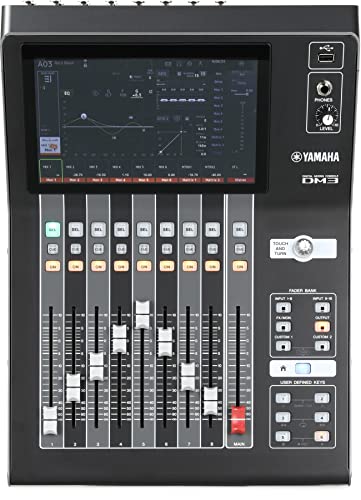
Yamaha DM3
Bands, small venues and project studios that want a compact 96 kHz digital console that doubles as an 18x18 USB recording interface.
Read the Yamaha DM3 review →Questions Buyers Ask
Soundcraft FX16ii
See the current listing, price and included accessories.
About This Review
Mandrillis Team
The Mandrillis editorial team researches and compares audio and music gear using manufacturer documentation, verified specs and real buyer feedback, so you can make a confident purchase without wading through marketing claims.
Read our full research methodology.