Studio Gear Review
Universal Audio Apollo Twin X Review: 10x6 with Unison Modeling
The Apollo Twin X Duo USB Heritage Edition pairs a 10 by 6 input and output count with Unison modeling preamps and a generous bundled plug in collection. This research review covers the listing's Windows specific framing alongside the specs it leaves unpublished.
Our Verdict
Research Score 80/100The Universal Audio Apollo Twin X, in this Heritage Edition USB configuration, combines a genuinely useful 10 by 6 input and output count with Unison modeling preamps that stretch from tube and transformer character into guitar amp and stompbox emulation, backed by a substantial bundled plug in collection running on dedicated onboard processing. The listing frames this specifically as a Windows unit, so Mac users should look elsewhere in the Apollo range or confirm compatibility before buying. At an upper mid-range price tier, it suits producers and guitarists who want tonal variety built into the front end of their signal chain rather than buyers seeking the simplest, lowest cost way to get audio into a computer.
Editorial research score based on published specifications and documented features, not a customer rating or lab test.

Universal Audio
Universal Audio Apollo Twin X
Best for: Windows based producers who want Unison modeled preamps covering tube, transformer and guitar amp circuits plus a generous bundled plug in collection in one 10 by 6 desktop interface.
Skip it if: You are on a Mac and need confirmed Mac compatibility, since this listing specifically describes a Windows unit rather than a cross platform one.
Check Price on AmazonWe may earn a commission at no extra cost to you.
Listing verified: November 2026
Who Should Buy It
Buy it if
- Windows based home and project studio owners who want modeled preamp variety in one interface
- Guitarists and bassists who want amp and stompbox style modeling available while tracking direct
- Producers who will make heavy use of the included Heritage Edition compressor and EQ collection
- Buyers who want a built in talkback mic rather than adding a separate one to their setup
Skip it if
- You are on a Mac and need guaranteed compatibility confirmed before buying
- You need an exact mic preamp count and phantom power specification in writing
- You want the simplest interface possible without a bundled plug in ecosystem to manage
Key Specifications
| Type | Desktop USB 3 audio interface for Windows with Unison modeling preamps and onboard UAD DSP processing |
| Inputs | 10 inputs per the listing's stated 10 by 6 configuration (exact mic versus line breakdown not itemized) |
| Outputs | 6 outputs per the listing's stated 10 by 6 configuration |
| Preamps | Unison modeling preamps described as offering models of classic tube and transformer based preamps, guitar amps and stompboxes |
| Resolution | 24-bit, 192kHz audio conversion |
| Phantom power | Not published in listing |
| Connection | USB 3, described in the listing specifically for Windows; Mac compatibility is not stated in this listing |
| Monitoring | Built in talkback microphone for communicating with studio talent and the recording slate |
| Bundled software | Heritage Edition UAD plug in bundle including Teletronix LA 2A and 1176 compressor collections, a 610 B tube preamp and EQ collection, a Pultec passive EQ collection and Pure Plate reverb, running through VST, Audio Units and AAX in major digital audio workstations |
| Included accessories | Not published in listing |
Overview
The Universal Audio Apollo Twin X, in this Duo USB Heritage Edition configuration, is a desktop audio interface built around Unison preamp modeling and a bundled library of included plug ins, connecting to a Windows computer over USB 3 rather than Thunderbolt. The listing states a 10 by 6 input and output configuration along with 24-bit, 192kHz conversion, giving a clearer basic spec picture than some other listings in this range.
Where this unit distinguishes itself within the broader Apollo Twin line is the breadth of its preamp modeling, which the listing describes as covering not just classic mic preamp and console circuits but also guitar amp and stompbox style modeling, suggesting a unit aimed as much at guitarists and bassists tracking direct as at engineers recording vocals and acoustic instruments.
The Heritage Edition designation refers to the bundled software package included with this specific listing, a sizable compressor and EQ collection that the listing details separately from the hardware specification, and which forms a meaningful part of the overall value proposition at this price tier.
Preamps and Sound Quality
Unison modeling is the core preamp technology here, and the listing specifically calls out tube and transformer based preamp modeling alongside guitar amp and stompbox emulation, which is a wider net than a unit that only models studio mic preamps. That breadth means a single set of inputs can plausibly serve both a vocal chain and a reamped guitar signal without external modeling hardware.
As with other Unison equipped interfaces, the modeling works by adjusting the actual analog input stage to match the gain structure and impedance of the modeled circuit, rather than applying a digital filter after conversion, which is why Universal Audio frames this as closer to swapping physical preamp hardware than to running a plug in on a flat signal.
The listing does not publish a specific gain range in decibels, an equivalent input noise figure, or a maximum input level before clipping, so buyers who need those figures in writing should check Universal Audio's own specification sheet rather than relying on the feature bullets in this listing alone.
Inputs, Outputs and Routing
The listing states a 10 by 6 configuration, meaning 10 inputs and 6 outputs in total, which is a meaningfully larger routing footprint than a basic two channel desktop interface. That said, the listing does not itemize how many of those 10 inputs are combination mic or line versus dedicated instrument or digital inputs, so buyers planning a specific session layout should confirm the exact breakdown.
Six outputs give some flexibility for routing to multiple monitor pairs or a combination of monitors and a separate headphone feed, though the listing does not specify how those outputs are split between main monitor outputs and auxiliary sends.
Buyers coming from a simpler two in, two out interface should note that a 10 by 6 unit like this generally assumes more complex routing scenarios, such as mixing multiple headphone feeds for a band session or feeding both monitors and an external hardware processor simultaneously.
Digital routing within the accompanying console software typically allows any input to be sent to any output on interfaces of this class, which in practice means the 10 by 6 count understates the flexibility available, since a single input can be duplicated to several destinations for cue mixes, recording and monitoring at once, even though the listing itself does not spell out that routing matrix in detail.
Features, Monitoring and Software
UAD 2 DUO core processing is the onboard DSP engine that runs the bundled and purchasable plug ins with what the listing describes as near zero latency, regardless of the audio buffer size set in the host digital audio workstation, which is one of the more practical arguments for this interface over a plain USB unit relying on the host computer's own processor.
The Heritage Edition plug in bundle included with this listing covers Teletronix LA 2A and 1176 style compressor modeling, a 610 B tube preamp and EQ collection, a Pultec style passive EQ collection, and Pure Plate reverb, all of which run through VST, Audio Units or AAX inside major digital audio workstations on either Mac or Windows hosts for the software itself, even though the hardware in this listing is framed for Windows.
A built in talkback microphone is also listed, letting an engineer communicate directly with a performer in another room or address a recording slate without a separate microphone and routing setup, which is a small but genuinely useful workflow feature for anyone recording other musicians rather than working alone.
- 10 by 6 USB 3 input/output configuration
- 24-bit, 192kHz conversion
- Unison modeling preamps including guitar amp and stompbox emulation
- UAD 2 DUO core onboard DSP processing
- Built in talkback microphone
- Heritage Edition plug in bundle included
Build, Design and Controls
As a desktop interface, this unit is designed to sit on a desk within reach rather than in a rack, consistent with the Twin line generally, though the listing does not publish exact dimensions, weight or chassis material for this specific listing.
Control layout details, such as the exact number of physical knobs, metering style, and whether there are dedicated instrument input switches, are not broken out in the listing text, so buyers who care about a specific control surface should cross reference product photography alongside this listing before purchase.
Build quality questions that matter for a desktop unit, such as whether the chassis is metal or plastic, how the connector panel is laid out, and how securely the included talkback microphone capsule is mounted, are also left unaddressed by this listing, and should be confirmed against official product photography rather than assumed from the price tier alone.
Connectivity, Drivers and Latency
Connectivity runs over USB 3, and the listing specifically frames this unit for Windows, which is a meaningful point of difference from Thunderbolt based Apollo models and from any variant explicitly marketed for Mac. Buyers on a Mac system should treat this specific listing as uncertain for their platform and look for a listing or product page that confirms Mac driver support before buying.
Latency for the bundled plug ins is handled primarily by the onboard UAD 2 DUO core processing rather than by the USB connection itself, which the listing presents as delivering near zero latency regardless of the buffer size set in the host software, a genuine practical advantage over interfaces that rely entirely on the host computer's processor for plug in heavy sessions.
General recording latency for the raw audio path, separate from the plug in processing claim, still depends on driver quality and buffer size set in the host digital audio workstation, and the listing does not publish a specific round trip latency figure in milliseconds, so buyers chasing a guaranteed number should look to independent measurements rather than the listing alone.
Setup and Daily Use
Setting up this interface on a Windows machine involves installing Universal Audio's control software, which also manages the Heritage Edition plug in bundle and any additional UAD titles purchased later, then configuring Unison preamp models for whichever inputs are in use for a given session.
Day to day, the combination of a 10 by 6 routing layout, talkback microphone and onboard plug in processing suits sessions involving more than one performer, such as a band tracking live or a producer working with a vocalist, where quick communication and flexible headphone routing both matter.
Saving session templates that recall preferred Unison preamp models, headphone mix balances and plug in chains is also a practical habit worth building early, since it turns what could be a lengthy per session setup process into a matter of loading a stored configuration and adjusting only what a particular recording actually needs.
Who Should Buy It
This interface suits Windows based producers and guitarists who want preamp and amp modeling variety built into their tracking chain, along with a genuinely useful bundled plug in collection, rather than buyers who want the simplest possible two channel interface.
It is a weaker fit for Mac users given the Windows specific framing of this listing, and for buyers who need an exact mic preamp count or phantom power specification confirmed in writing before they commit to a purchase.
Studios that primarily record a single vocalist or acoustic instrumentalist, with no need for guitar amp modeling or a wide routing matrix, may also find the feature set here broader than they actually require, and could get comparable core sound quality from a smaller, less expensive interface in the same preamp modeling family.
Alternatives Worth Considering
Buyers who specifically need confirmed Mac compatibility should look at a Thunderbolt based Apollo Twin X listing or a different manufacturer's cross platform interface rather than this Windows framed listing.
Buyers who do not need guitar amp and stompbox modeling, and simply want vocal and instrument preamp modeling, might find a smaller two channel Unison equipped interface a better value than this larger 10 by 6 unit.
Bands tracking live with more than ten simultaneous inputs would outgrow this unit's channel count entirely and should look toward a larger rack mounted interface or an expandable system built around an ADAT connected preamp unit instead.
Verdict
The Universal Audio Apollo Twin X Heritage Edition earns its place through genuine routing flexibility, a 10 by 6 configuration, and Unison modeling that stretches credibly into guitar amp and stompbox territory alongside more conventional studio preamp modeling, all backed by a substantial bundled plug in collection.
The Windows specific framing and the unpublished preamp gain and phantom power figures are the main caveats. Buyers who fit the Windows based, plug in curious profile this listing targets should find strong value here, while those needing guaranteed Mac support should look elsewhere in the Apollo range.
Taken as a whole, this listing rewards buyers who read past the headline preamp modeling claim and actually plan to use the routing flexibility, talkback microphone and bundled plug in collection, rather than those shopping purely on input count or lowest available price within the interface category.
Strengths and Limitations
Strengths
- 10 by 6 USB 3 input and output count with 24-bit, 192kHz conversion
- Unison modeling preamps covering tube, transformer, guitar amp and stompbox style circuits
- UAD 2 DUO core processing for near zero latency tracking through bundled plug ins
- Built in talkback microphone for communicating with performers during a session
- Generous Heritage Edition plug in bundle included at purchase
Limitations
- The listing specifically describes a Windows unit; Mac compatibility is not stated here
- Exact mic preamp count and phantom power specification are not published
- The bundled plug ins require a software account to activate and manage
- Headphone output count and maximum supported sample rate beyond 192kHz are not itemized
How We Scored It
Scores reflect published specifications, documented features and value against the alternatives below. They are editorial research scores, not laboratory measurements.
Alternatives to Consider

Pioneer DJ XDJ-RX3
DJs who want club-standard standalone playback from USB with a large touchscreen and a familiar two-channel layout.
Read the Pioneer DJ XDJ-RX3 review →
Yamaha DM3-D 22
Small venues, houses of worship and production companies that want a compact 96 kHz digital console with Dante networking for stage boxes and multitrack recording.
Read the Yamaha DM3-D 22 review →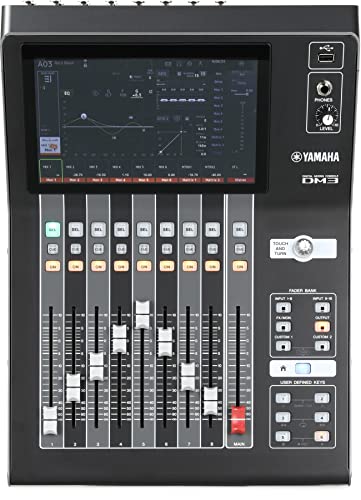
Yamaha DM3
Bands, small venues and project studios that want a compact 96 kHz digital console that doubles as an 18x18 USB recording interface.
Read the Yamaha DM3 review →Questions Buyers Ask
Universal Audio Apollo Twin X
See the current listing, price and included accessories.
About This Review
Mandrillis Team
The Mandrillis editorial team researches and compares audio and music gear using manufacturer documentation, verified specs and real buyer feedback, so you can make a confident purchase without wading through marketing claims.
Read our full research methodology.