Studio Gear Review
Universal Audio Apollo x16 Heritage Edition Review: Big DSP, Thin Spec Sheet
The Universal Audio Apollo x16 Heritage Edition pairs the elite-class Apollo x16 platform with HEXA Core DSP, LUNA software and a large bundle of UAD plug-ins. This research review weighs that processing power against a listing that leaves exact input, output and preamp counts unstated.
Our Verdict
Research Score 79/100The Universal Audio Apollo x16 Heritage Edition carries one of the most respected names in studio conversion, and the listing leans on that reputation with claims about dynamic range and signal to noise that sit near the top of the market. HEXA Core processing, LUNA integration and a generous plug-in bundle give it real functional depth for Mac based studios already inside the UAD ecosystem. What the listing will not do is confirm an exact input, output or preamp count, so buyers who need a channel by channel spec sheet before committing should request that detail directly rather than assuming it from the x16 name alone. Treated as a DSP and software package built around a known platform, it earns its premium price tier.
Editorial research score based on published specifications and documented features, not a customer rating or lab test.

Universal Audio
Universal Audio Apollo x16 Heritage Edition
Best for: Studio producers already working inside Universal Audio's plug-in ecosystem who want heavy onboard DSP and surround monitoring without adding outboard converters.
Skip it if: You need the exact input, output and preamp count confirmed in writing before ordering, since the listing describes capability rather than a channel by channel spec sheet.
Check Price on AmazonWe may earn a commission at no extra cost to you.
Listing verified: November 2026
Who Should Buy It
Buy it if
- Mixing engineers who plan to run a large stack of UAD plug-ins in real time
- Mac based studios that want LUNA's tight Apollo integration out of the box
- Facilities doing surround or immersive monitoring that need calibration and fold down
- Studios connecting to consoles or tape machines that benefit from switchable headroom
Skip it if
- You need the exact input and output count confirmed before ordering
- You work primarily on Windows and want full assurance of LUNA support
- You have a tight budget and do not need HEXA Core DSP
Key Specifications
| Type | Thunderbolt studio audio interface built on Universal Audio's elite-class Apollo x16 platform, sold as the Heritage Edition plug-in bundle |
| Inputs | Not published in listing. The x16 name implies a large channel count, but the bullets do not state an exact number of analog or digital inputs |
| Outputs | Not published in listing for the same reason. The listing focuses on conversion quality and bundled processing rather than a channel by channel output count |
| Preamps | Not published in listing. No preamp count, gain figure, or emulation list is stated for this x16 edition |
| Resolution | Not published in listing as a bit depth or sample rate figure. The listing instead describes the A/D and D/A conversion as nearing the widest dynamic range and lowest signal to noise ratio available at any price |
| Phantom power | Not published in listing |
| Connection | Thunderbolt, with the listing noting Mac compatibility through the bundled LUNA Recording System |
| Monitoring | Surround monitoring up to 7.1, including speaker calibration and fold down, per the listing |
| Bundled software | LUNA Recording System plus a large included bundle of UAD Powered Plug-Ins, usable through VST, AU and AAX 64 formats in major DAWs |
| Included accessories | Not published in listing |
Overview
The Universal Audio Apollo x16 Heritage Edition is a Thunderbolt studio interface built on the company's elite-class Apollo x16 platform and sold with a bundle of UAD Powered Plug-Ins included. It sits in the premium price tier, positioned for studios that already work inside Universal Audio's processing ecosystem. The Heritage Edition name signals that the plug-in bundle, rather than the hardware itself, is the headline addition over a bare x16 unit. Buyers typically encounter this variant when shopping for a flagship interface and comparing it against the brand's smaller x8 and x8p siblings in the same catalog.
On paper, the appeal is processing power rather than a long list of switches and knobs. Six onboard UAD DSP chips, described in the listing as HEXA Core, let buyers run plug-ins in real time without taxing the host computer. That matters most to engineers who track and mix through emulated analog gear rather than native plug-ins alone.
This research review works entirely from the published bullets, so any specification the listing omits is flagged rather than guessed at. The x16 name implies a large channel count, but the bullets do not break that number down, and buyers who need a confirmed spec sheet before ordering should treat that gap as a reason to ask the seller directly.
Preamps and Sound Quality
The listing's sound quality claim is broad rather than numeric: conversion described as nearing the widest dynamic range and lowest signal to noise ratio available at any price. That is a strong marketing statement, and it is consistent with Universal Audio's reputation in studio conversion, but no decibel figure accompanies it in this listing. Buyers should read it as a quality claim rather than a measured spec.
No preamp count or preamp emulation list is stated for this x16 edition, which is notable given that other Apollo models in the same lineup are sometimes sold with named analog emulations built into their preamp stage. Because that detail is absent here, this review treats preamp character as unknown rather than assuming parity with other Apollo products.
What is published is the processing architecture around the conversion: HEXA Core's six DSP chips exist specifically to run UAD plug-ins, including modeled preamps and tone-shaping tools, in real time during tracking. That design choice suggests the unit is meant to be paired with plug-in modeling rather than judged on a single built-in preamp sound.
Inputs, Outputs and Routing
The x16 designation strongly implies a sizeable channel count, and buyers can reasonably expect a multi-channel interface built for full-band or orchestral sessions. The listing itself, however, does not spell out how many analog inputs, digital inputs or line outputs are on the chassis, so this review will not assign a specific number that the bullets do not support.
Switchable headroom, listed as plus 24 or plus 20 dBu, is one routing detail the listing does confirm. That setting exists to match the interface's inputs and outputs to professional consoles and tape machines, which typically run hotter signal levels than consumer gear, and it is a useful inclusion for studios integrating the unit into an existing analog chain.
Surround output routing is implied by the monitoring bullet covering formats up to 7.1, which requires enough physical outputs to feed multiple speakers plus calibration and fold down paths. The listing confirms the capability exists without listing the exact output count behind it.
Features, Monitoring and Software
LUNA Recording System is the centerpiece software feature, described in the listing as a fully integrated recording application built specifically for Apollo hardware on Mac over Thunderbolt. For studios already committed to that platform, having the DAW tuned to the interface removes a layer of driver and routing guesswork that generic DAWs sometimes introduce.
The plug-in bundle itself is the other major selling point, running through VST, AU and AAX 64 formats so it works inside most major DAWs beyond LUNA as well. The listing frames this as a substantial package rather than a token starter set, though it does not itemize every title included.
Surround and immersive monitoring, including speaker calibration and fold down for formats up to 7.1, extends the feature set beyond simple stereo tracking. That is a meaningful inclusion for post-production and film-adjacent studios that mix in surround formats as part of their regular workflow.
- HEXA Core processing with six onboard UAD DSP chips
- LUNA Recording System for Mac and Thunderbolt
- Large bundle of UAD Powered Plug-Ins included
- Switchable plus 24 or plus 20 dBu headroom
- Surround monitoring up to 7.1 with speaker calibration and fold down
- VST, AU and AAX 64 plug-in support across major DAWs
Build, Design and Controls
Chassis dimensions, weight, rack mounting details and build materials are not published in this listing. Given the price tier and the brand, a studio-grade rack enclosure is a reasonable expectation, but this review will not state specifics that the bullets do not provide.
The headroom switch and surround monitoring controls described elsewhere in the listing form the bulk of what can be said about the control surface from the available data. Those are functional controls rather than cosmetic ones, suggesting a design built around studio workflow rather than desktop convenience.
Buyers who weigh build quality heavily in a purchase decision should request confirmed dimensions, weight and rack specifications from the seller before buying, since none of that appears in the bullets used for this review. Studios planning a permanent rack installation in particular should treat this as a prerequisite rather than an afterthought, since rack depth and ventilation needs can vary meaningfully between flagship interfaces.
Connectivity, Drivers and Latency
Thunderbolt is the stated connection type, with Mac compatibility confirmed through the LUNA Recording System bullet. No Windows driver support is mentioned anywhere in the listing, which is a meaningful gap for any studio running a mixed-platform setup.
Latency performance is addressed indirectly through the HEXA Core architecture: running UAD plug-ins on dedicated DSP chips rather than the host computer's processor is the mechanism Universal Audio uses across the Apollo line to keep monitoring latency low during tracking. The listing does not give a specific millisecond figure for this unit.
Backward compatibility with earlier Thunderbolt generations, which some other Apollo listings mention explicitly, is not stated here. Buyers with older Thunderbolt 1 or 2 equipped machines should confirm compatibility before purchasing rather than assuming it carries over from other Apollo models.
Setup and Daily Use
A Mac-based studio installing this interface would, based on the listing, center its workflow around LUNA rather than a third-party DAW. It would load the bundled UAD plug-ins directly into sessions and rely on HEXA Core to keep them running without added latency during tracking.
Day to day, the surround monitoring features suggest a studio that regularly switches between stereo and multichannel work, using the calibration and fold down tools to check mixes in both formats without re-patching speakers. Engineers working stereo-only sessions exclusively may not use that capability as often.
Who Should Buy It
This interface suits engineers and producers who already plan to lean on UAD plug-ins during tracking and mixing. It also suits Mac-based studios that want LUNA's native integration, and facilities that mix in surround formats often enough to value built-in calibration tools.
It is a weaker fit for buyers who need a fully itemized spec sheet before purchase. The same goes for anyone on Windows looking for guaranteed LUNA support, or studios on a tighter budget that do not need six dedicated DSP chips running in parallel.
Alternatives Worth Considering
At the opposite end of the interface market, compact two-input units such as the Focusrite Scarlett 2i2 or the Universal Audio Volt 2 serve home studios and podcasters who need a handful of inputs rather than a flagship channel count. They also cost a fraction of this unit's premium tier.
Within this same product group, buyers can compare the Apollo x16 Heritage Edition against smaller Apollo models such as the x8 and x8p variants. These share the HEXA Core and LUNA foundation but are built around a smaller implied channel count, making them a more approachable entry point into the same ecosystem.
Studios that want a console-style workflow rather than a rack interface might instead look at digital mixing desks with built-in multichannel USB recording, which trade some of the Apollo's plug-in depth for integrated faders, EQ and routing in one surface. Engineers weighing that trade-off should decide first whether plug-in modeling or physical console control matters more to their daily workflow, since the two approaches solve different problems even when their price tiers overlap.
Verdict
The Universal Audio Apollo x16 Heritage Edition carries one of the most respected names in studio conversion, and the listing leans on that reputation with claims about dynamic range and signal to noise that sit near the top of the market. HEXA Core processing, LUNA integration and a generous plug-in bundle give it real functional depth for Mac based studios already inside the UAD ecosystem.
What the listing will not do is confirm an exact input, output or preamp count, so buyers who need a channel by channel spec sheet before committing should request that detail directly rather than assuming it from the x16 name alone. Treated as a DSP and software package built around a known platform, it earns its premium price tier.
Strengths and Limitations
Strengths
- HEXA Core processing with six onboard UAD DSP chips for running plug-ins in real time
- A large bundle of UAD plug-ins included rather than sold separately
- LUNA Recording System included for a tightly integrated Mac workflow
- Switchable headroom settings for easier connection to consoles and outboard gear
- Surround monitoring up to 7.1 with speaker calibration and fold down
Limitations
- Exact input and output counts are not spelled out in the listing
- No mic preamp count or preamp emulation list is published for this edition
- No bit depth or sample rate figure is given for the conversion
- LUNA integration is described only for Mac, with no Windows detail
How We Scored It
Scores reflect published specifications, documented features and value against the alternatives below. They are editorial research scores, not laboratory measurements.
Alternatives to Consider

Pioneer DJ XDJ-RX3
DJs who want club-standard standalone playback from USB with a large touchscreen and a familiar two-channel layout.
Read the Pioneer DJ XDJ-RX3 review →
Yamaha DM3-D 22
Small venues, houses of worship and production companies that want a compact 96 kHz digital console with Dante networking for stage boxes and multitrack recording.
Read the Yamaha DM3-D 22 review →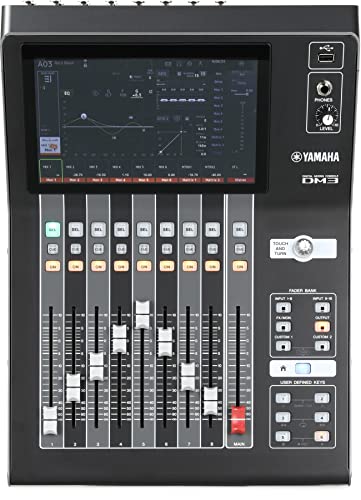
Yamaha DM3
Bands, small venues and project studios that want a compact 96 kHz digital console that doubles as an 18x18 USB recording interface.
Read the Yamaha DM3 review →Questions Buyers Ask
Universal Audio Apollo x16 Heritage Edition
See the current listing, price and included accessories.
About This Review
Mandrillis Team
The Mandrillis editorial team researches and compares audio and music gear using manufacturer documentation, verified specs and real buyer feedback, so you can make a confident purchase without wading through marketing claims.
Read our full research methodology.