Studio Gear Review
Yamaha EMX5 12-input Review: Powered Mixer for Portable PA
The Yamaha EMX5 12-input combines a 12-input mixer with a 2 x 630 W power amplifier, feedback suppression, output EQ and SPX effects in a single portable unit. This research review examines what the listing confirms about the design, what it leaves out, and which groups benefit most from an all-in-one powered mixer rather than a separate amp and desk.
Our Verdict
Research Score 74/100The Yamaha EMX5 12-input makes sense for the buyer it was designed for: a group with passive speakers and no sound engineer who wants a single unit to carry, plug in and run. The published 2 x 630 W rating, built-in feedback suppression and SPX effects cover the practical needs of small rooms, and the listing's emphasis on easy setup for first-time users is a fair description of the powered mixer concept. The gaps are real, though. Preamp specifications, phantom power, output connectors and any recording path are not published, so this is a mid-range buy for live sound simplicity rather than for studio flexibility.
Editorial research score based on published specifications and documented features, not a customer rating or lab test.

Yamaha
Yamaha EMX5 12-input
Best for: Community groups, schools, worship teams and solo performers who want one box that mixes 12 inputs and powers a pair of passive speakers without a separate amplifier rack.
Skip it if: You already own powered speakers or need USB multi-track recording, because the built-in amplifier adds cost and weight you would not use.
Check Price on AmazonWe may earn a commission at no extra cost to you.
Listing verified: October 2026
Who Should Buy It
Buy it if
- Mobile performers who set up and tear down a small PA every weekend
- Schools and halls that need a simple system a volunteer can run
- Worship teams with passive speakers and no dedicated engineer
- Rental fleets that want a rugged all-in-one head for small events
Skip it if
- Your speakers are already powered and you only need a mixer
- You need a confirmed phantom power specification for condenser microphones
- You want to record the performance over USB
Key Specifications
| Type | 12-input stereo powered mixer with built-in power amplifier and DSP effects |
| Inputs | 12 inputs (mic versus line split not published in listing) |
| Outputs | Two channels of speaker-level amplification rated 2 x 630 W at 4 ohms (connector types and line-level outputs not published in listing) |
| Preamps | Not published in listing |
| Resolution | Not applicable to the analog path; DSP processing resolution not published in listing |
| Phantom power | Not published in listing |
| Connection | Not published in listing (no USB or Bluetooth stated) |
| Monitoring | Not published in listing |
| Bundled software | Not published in listing |
| Included accessories | Not published in listing |
Overview
The Yamaha EMX5 12-input is a powered mixer, which means the mixing desk and the power amplifier live in one chassis. The listing describes it as both a mixer and a power amplifier, and that single sentence explains who it is for: anyone running passive speakers who does not want a separate amp rack. Twelve inputs, a stereo amplifier rated at 2 x 630 W into 4 ohms, and a DSP section with effects and feedback control make up the published feature set.
Yamaha has sold powered mixers under the EMX name for decades, and the format has held on because it solves a logistics problem rather than a sound quality problem. A school hall, a church fellowship room or a solo act with a pair of passive cabinets gets a complete system with one unit and two speaker cables. The listing leans on this with language about lightweight portability and first-time users configuring their own sound reinforcement.
This review is built from the product listing and from general knowledge of the powered mixer category. No direct use of the unit informs it. The published data covers the amplifier rating and the DSP features well, but it says nothing about the preamps, the phantom power or the connector types, and those gaps shape the score.
Preamps and Sound Quality
The listing does not publish any preamp specification for the Yamaha EMX5 12-input. There is no gain figure, no noise figure and no statement about the preamp circuit design, which contrasts with Yamaha's MG series listings that name the D-PRE design explicitly. Buyers who care about the microphone input stage will need to consult a manual, because nothing in the published description allows this review to characterize it.
Phantom power is also absent from the published feature list. Most powered mixers in this class provide it, but the rule of this review is that an unstated specification remains unconfirmed. Anyone planning to use condenser microphones for choirs, acoustic instruments or overheads should verify phantom power support before purchase.
What the listing does describe is processing that affects the sound reaching the speakers. Output EQ lets the operator shape the overall tonal balance for the room, and feedback suppression hunts for ringing frequencies and notches them out automatically. For a volunteer operator, automatic feedback control is often worth more than a premium preamp, because it prevents the howl that ends performances in reverberant halls.
Inputs, Outputs and Routing
Twelve inputs is the published count, and the listing describes the unit as a stereo powered mixer. It does not state how many of those inputs are microphone channels with XLR connectors and how many are stereo line pairs for keyboards or playback devices. In practice a 12-input powered mixer usually mixes the two types, so a buyer should assume fewer than 12 microphones can be connected at once until the layout is confirmed.
The amplifier section is rated at 2 x 630 W into 4 ohms, which is the most specific figure in the listing. Two amplifier channels normally feed a left and right pair of main speakers, or one channel feeds mains while the other feeds a stage monitor in a mono setup. Speaker connector types are not published, and neither are any line-level outputs for a recorder or a second system.
Routing flexibility for monitors is not described. The published data does not mention aux sends, monitor outputs or a dedicated monitor mix, so performers who need separate stage mixes should check the panel layout. At the price tier of the Yamaha EMX5 12-input, at least one aux send is typical, but it is not confirmed here.
Features, Monitoring and Software
Three DSP features are named in the listing: Output EQ, Feedback Suppression and SPX Effects. SPX is Yamaha's long running effects engine, usually providing reverbs, delays and modulation presets suited to vocals and acoustic instruments. The listing does not state how many SPX presets are available or whether parameters can be adjusted.
Feedback suppression is the feature most likely to matter in daily use. In rooms with hard surfaces and microphones near speakers, automatic notch filtering keeps the system stable at higher volume than an inexperienced operator could manage by ear. Output EQ complements this by letting the user tame boomy low end or harsh upper midrange across the whole mix.
No monitoring section, headphone output or software is described in the published data. Powered mixers rarely include computer software, and this one is not listed with a USB connection, so the absence of software is expected rather than a flaw. A headphone output for cueing is a different matter, and its presence cannot be confirmed from the listing.
- Built-in stereo power amplifier rated 2 x 630 W at 4 ohms
- Output EQ for shaping the overall mix to the room
- Automatic feedback suppression
- Yamaha SPX digital effects
- Designed for operators setting up a PA for the first time
Build, Design and Controls
The listing describes the Yamaha EMX5 12-input as lightweight and portable, with a black finish, and says the design makes it easy to carry to various events. No weight figure, dimensions or chassis material are published, so the word lightweight has to be read as relative to older powered mixers with heavy transformer-based amplifiers. Modern powered mixers typically use switching amplifiers that cut weight significantly, which fits the description.
Control layout is not detailed in the published data. The emphasis on first-time users suggests a conventional channel strip design with clearly labeled gain, EQ and level controls, plus simple access to the effects and feedback suppressor. Rotary controls rather than faders are common in this category, but the listing does not say which the EMX5 uses.
Durability claims are limited to the portability language. There is no mention of a metal chassis, corner protection or a rack mount option. Buyers who will transport the unit weekly should plan for a padded case regardless, because the amplifier section makes a powered mixer more expensive to replace than a passive desk.
Connectivity, Drivers and Latency
The Yamaha EMX5 12-input is not listed with USB, Bluetooth or any computer connection. That means there are no drivers to install and no latency figures to discuss, because the published design is an analog mixer with onboard DSP feeding its own amplifier. For the intended user this is a simplification rather than a limitation.
Anyone who wants to record performances will need an external solution. A line output into a handheld recorder or a separate interface would be the usual path, but the listing does not confirm which line-level outputs exist. This is one of the more important checks for buyers who archive services or rehearsals.
Wireless playback from a phone would also require an adapter or a cable into a line input, since Bluetooth is not mentioned. Compared with current mixers that put Bluetooth on a channel strip, this is an area where the published feature set of the EMX5 looks dated, though it does not affect the core job of amplifying a small PA.
Setup and Daily Use
Setup follows the logic of every powered mixer: connect microphones and instruments to the inputs, run speaker cables to a pair of passive cabinets, and switch on. The listing's claim that first-time users can configure their own sound reinforcement system is credible because the amplifier matching is already done inside the box. There is no need to calculate impedance loads or choose an amplifier to suit the speakers beyond respecting the 4 ohm rating.
In daily use the feedback suppressor and output EQ carry much of the load for an inexperienced operator. Once the system is positioned and the suppressor has found the problem frequencies, the volunteer can concentrate on balancing voices and instruments. The SPX effects add polish to vocals, and because the effects are onboard there is no outboard unit to patch or forget.
Who Should Buy It
The Yamaha EMX5 12-input fits groups that own passive speakers and want a single unit to run them. Schools, community halls, small worship teams and solo performers with a pair of cabinets all match this profile. The 2 x 630 W rating gives these users enough power for a modest room without stepping up to a separate amplifier.
Mobile performers who value fast load-in will also appreciate the format, provided they do not need USB recording. Those who already own powered speakers, or who want multi-track capture for later mixing, are paying for an amplifier they will not use and should consider an unpowered desk with a USB stage instead.
Alternatives Worth Considering
Within Yamaha's own line, the MG12XU covers a similar input count without the amplifier and adds a USB interface, D-PRE preamps, one-knob compressors and SPX effects. Paired with powered speakers it costs more in total, but it gives a documented preamp design and a recording path that the EMX5 listing does not mention.
A Mackie ProFX12v3+ is another unpowered option in the same input range, with Bluetooth playback, USB recording in multiple modes and a 24-effect engine. For a band that streams or records, that feature mix is more useful than onboard amplification, though it again requires powered speakers or a separate amp.
For buyers set on a powered mixer, the main alternatives are other units in the same format from brands such as Behringer and Peavey. The Yamaha EMX5 12-input competes on brand reputation, the SPX effects name and the feedback suppressor, and the right choice usually comes down to channel count, output power and whether a given model publishes the preamp and phantom power specifications that this listing omits.
Verdict
On the published evidence, the Yamaha EMX5 12-input is a sensible all-in-one head for small passive PA systems. The amplifier rating is clearly stated, the DSP features address the real problems of volunteer-run sound, and the portability emphasis matches how these units are used.
The score reflects the missing detail rather than any stated weakness. Preamp design, phantom power, output connectors and monitor routing all go unmentioned, and there is no recording or wireless connectivity in the listing. Buyers who confirm those items and own passive speakers get a straightforward mid-range system with a trusted name on the panel.
Strengths and Limitations
Strengths
- Mixer and stereo power amplifier in one carry-able unit
- 2 x 630 W at 4 ohms is enough to drive a pair of passive mains for small rooms
- Feedback suppression and output EQ built into the DSP
- Yamaha SPX effects for vocals and instruments
- Listing stresses easy configuration for first-time operators
Limitations
- Preamp type, gain and phantom power are not published
- No USB recording or Bluetooth playback is mentioned
- Output connector types and monitor sends are not described
- Weight is called lightweight but no figure is given
How We Scored It
Scores reflect published specifications, documented features and value against the alternatives below. They are editorial research scores, not laboratory measurements.
Alternatives to Consider

Mackie Onyx
Bands, small venues and houses of worship that want to mix a room and capture a multi-track recording from the same 16-channel analog board.
Read the Mackie Onyx review →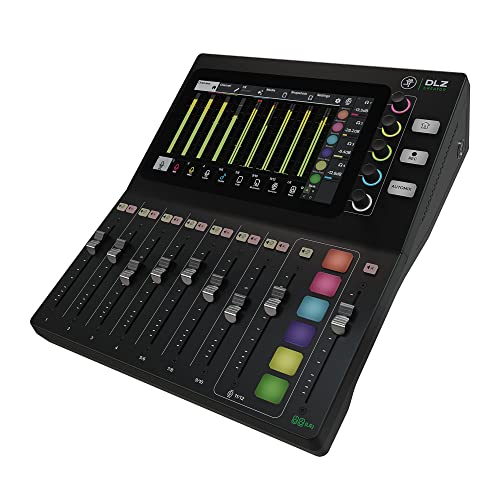
Mackie DLZ
Podcasters and streamers of any experience level who want a touchscreen mixer that manages levels automatically for up to four voices and records to SD card or USB-C.
Read the Mackie DLZ review →
Yamaha MG16XU 16-Input 6-Bus
Bands, worship teams and small venues that want a durable analog desk with six buses, respected preamps and a simple USB path for stereo recording or playback.
Read the Yamaha MG16XU 16-Input 6-Bus review →Questions Buyers Ask
Yamaha EMX5 12-input
See the current listing, price and included accessories.
About This Review
Mandrillis Team
The Mandrillis editorial team researches and compares audio and music gear using manufacturer documentation, verified specs and real buyer feedback, so you can make a confident purchase without wading through marketing claims.
Read our full research methodology.