Guides
Do You Need a Pop Filter for a Dynamic Mic? (Clear Answer)
Dynamic mics are tougher against popping sounds than condensers, but they are not immune, especially when you speak close for podcasts and streams. This guide explains what plosives are, when a dynamic mic needs a pop filter or windscreen, which type to choose, and technique tips that help.
Quick Answer
You do not always need a pop filter for a dynamic mic, because many have a built-in grille and foam that soften plosives. But if you speak very close, as many podcasters and streamers do, P and B sounds can still thump. A foam windscreen is usually enough, and a mesh pop filter adds extra protection.
How this guide was put together
This guide is based on manufacturer manuals, published specifications and widely used audio reference standards. Mandrillis does not run hands-on tests for these guides, so treat figures as typical values and check the manual for your own gear before changing settings.
What Plosives Are
Plosives are the bursts of air you make on sounds like P, B and sometimes T and K. Hold your hand in front of your mouth and say "popcorn." You will feel the puff.
When that puff hits a microphone's diaphragm, it creates a low thump or pop in the recording. It is loud, short and hard to remove completely later.
- Strongest on P and B sounds.
- Worse when you are very close to the mic.
- Worse when you speak straight into the mic.
- Shows up as low frequency thumps on the meter.
Why Dynamic Mics Handle Plosives Better
A dynamic mic's diaphragm is heavier than a condenser's. A puff of air moves it less, so the thump is smaller.
Many dynamic mics also have a thick metal grille with foam inside. Stage mics with a ball grille are built to handle singers who sing right on the mic.
Pop Protection Options Compared
Choose based on how close you speak and how you use the mic.
| Option | How well it works | Best for |
|---|---|---|
| Built-in grille and foam | Fair | Normal singing distance |
| Foam windscreen | Good | Podcasting and close speech |
| Mesh or nylon pop filter | Very good | Studio vocals and close work |
| Metal pop filter | Very good | Durable, easy to clean |
| Angling the mic | Good | Free, works with any option |
When a Dynamic Mic Needs Extra Help
Dynamic mics are often used very close to the mouth, because that helps them reject room noise. That closeness is also when plosives get worse.
- You speak 1 to 2 inches from the mic.
- You have a strong, breathy speaking voice.
- You record spoken word, where P and B sounds are frequent.
- Your recordings show low thumps on P and B words.
- You use a low output broadcast mic with high gain.
Foam Windscreen vs Pop Filter
Both reduce plosives. They work a little differently and suit different setups.
Foam Windscreens
A foam windscreen slips over the mic head. It is compact, cheap and moves with the mic, so it suits boom arms and streaming setups.
Some broadcast dynamic mics include a larger foam cover for close speech. Use it if yours came with one.
Mesh and Metal Pop Filters
A pop filter is a screen on a flexible arm, placed a few inches in front of the mic. It breaks up the air burst before it reaches the mic.
Place it about 2 to 4 inches from the mic, and speak from just behind it. It also helps you keep a steady distance.
Technique Tips That Reduce Plosives
Good technique often removes the need for extra gear. Try these free fixes first.
Speak Slightly Across the Mic
Angle the mic a little to the side, about 10 to 20 degrees, so the air from your mouth passes across it rather than straight in.
Your voice still reaches the mic, but the puff of air misses the diaphragm.
Keep a Steady Distance
Leaning in on emotional words causes sudden pops. Mark your position and stay at the same distance.
For most dynamic mics, about 1 to 3 inches works well.
Soften Hard Consonants
With practice, you can say P and B sounds a little softer without changing how you sound. Broadcasters learn this habit over time.
How to Test Your Setup for Pops
A simple test shows whether you need more protection. It takes two minutes and uses words packed with P and B sounds.
Record yourself at your normal distance and gain, then listen back on headphones. Watch the meter too, since plosives show up as sudden spikes.
Test Phrases to Read
Read these aloud at your normal speaking level. Do not soften them on purpose, so the test shows real results.
- Peter picked a peck of pickled peppers.
- Bob brought big blue boxes back.
- Popcorn pops best in a pan.
- Please put the paper by the pen.
Reading the Results
If you hear clear words with no thumps, your current setup is fine. If you hear low thumps or see spikes much taller than the rest of your speech, add a windscreen or pop filter.
Repeat the test after each change so you know what helped.
Fixing Plosives After Recording
Some pops slip through. You can reduce them, but prevention is always better.
- Use a high-pass filter around 80 to 100 Hz on speech.
- Cut the pop with a quick fade or lower its volume on that word.
- Use a dedicated plosive or de-pop tool in your editor.
- Re-record badly popped lines if you can.
Hygiene: Another Reason to Use a Screen
Speaking close sends moisture and tiny droplets toward the mic. Over time this can build up on the grille and foam.
Foam windscreens and pop filters catch most of it. Wash foam covers with mild soap and water and let them dry fully before use.
Common Mistakes
These mistakes keep plosives in your recordings even with gear in place.
- Placing the pop filter touching the mic.
- Speaking straight into the center of the mic at very close range.
- Leaving gain so high that every breath is loud.
- Using a thin, worn foam cover that no longer blocks air.
- Moving closer and farther during a take.
The Bottom Line
Dynamic mics handle plosives better than condensers, but close speaking can still cause pops. A foam windscreen is usually enough for podcasting and streaming.
Add a mesh or metal pop filter for studio vocals or strong voices, and angle the mic slightly off your mouth. Together these keep P and B sounds clean.
Dynamic Mics From Our Reviews
Popular dynamic mics for vocals, podcasts and streaming, several with built-in or included windscreens.
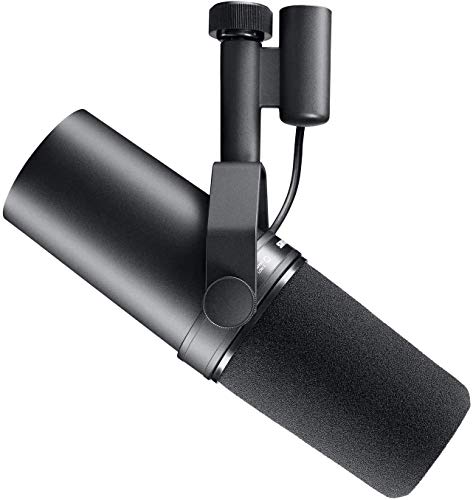
Shure SM7B
Mentioned
Who Should Buy It
- You want a broadcast-quality voice for podcasting or streaming
- You record in an untreated room and need strong noise rejection
- You have or plan to add a clean-gain boost like a Cloudlifter
Skip It If
- Your interface or preamp can't provide enough clean gain
- You want the most affordable entry point into XLR microphones
We may earn a commission at no extra cost to you.
Last verified: September 2026

Shure SM58
Mentioned
Who Should Buy It
- Duos and small bands who need matched vocal microphones
- Venues, schools and churches building a reliable microphone locker
- Solo performers who want a spare that sounds identical
- Podcasters recording two hosts in an untreated room through an interface
Skip It If
- You need a USB microphone for a computer
- Your main use is quiet acoustic instrument recording
- You only need one microphone and want to spend less
We may earn a commission at no extra cost to you.
Last verified: October 2026

Rode PodMic Dynamic Podcasting
Mentioned
Who Should Buy It
- Co-hosted podcasts setting up a permanent two-seat studio
- Interview shows that need a guest position ready at all times
- Streamers moving from a USB microphone to an XLR dynamic on a boom
- Small offices and schools building a simple voice recording room
Skip It If
- You are a solo podcaster who only needs one microphone
- You do not own an interface or mixer with XLR inputs
- You prefer a USB microphone with no additional gear
We may earn a commission at no extra cost to you.
Last verified: October 2026
Keep Reading
Related guides and picks on Mandrillis:
- Best Dynamic Microphones : mics with strong built-in windscreens
- How Far Should You Stand From a Condenser Mic? : distance tips that reduce pops
- Why Is My Mic Picking Up Keyboard Noise? : more desk mic setup fixes
FAQs
About This Guide
Mandrillis Team
The Mandrillis editorial team researches and compares audio and music gear using manufacturer documentation, verified specs and real buyer feedback, so you can make a confident purchase without wading through marketing claims.
Read our full research methodology.